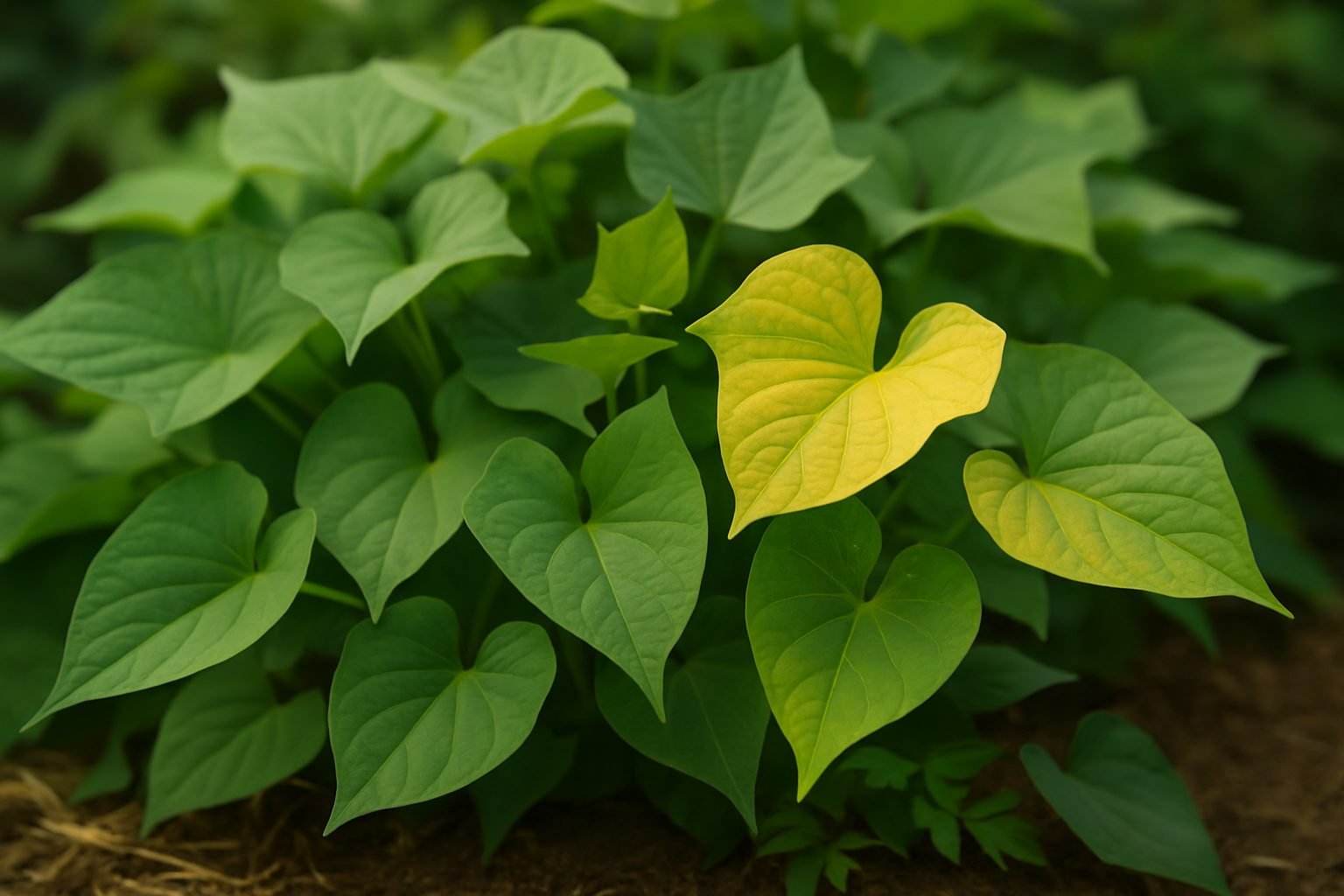
Common Causes of Yellow Leaves on Sweet Potato Vine
If you’ve noticed yellow leaves on your sweet potato vine, you’re not alone—many gardeners face this puzzling issue. Watching your lush green plants slowly turn yellow can be frustrating, but with some keen observation, you can usually identify the cause and treat it effectively.
Yellowing leaves are often the plant’s way of signaling that something isn’t quite right. Common culprits include:
- Inconsistent watering (either too much or too little)
- A lack of essential nutrients like nitrogen or magnesium
- Pests such as aphids or whiteflies
- Natural aging of the plant
For example, if you’ve recently experienced heavy rainfall, your sweet potato vines might be suffering from root stress due to waterlogged soil—leading to yellow, limp leaves. On the flip side, drought or irregular watering can dry out the root system and cause the same yellowing.
Nutrition is also key. If your soil is depleted or unbalanced, your plant may lack the nutrients needed to maintain healthy, green leaves. Sometimes, pests are the invisible troublemakers; checking the undersides of leaves for tiny bugs or eggs can uncover an infestation you might otherwise miss.
However, not all yellow leaves are a sign of trouble. As the growing season progresses, it’s normal for some older leaves to turn yellow and drop off—this is a harmless part of the plant’s natural cycle.
The key to resolving the problem is understanding whether the yellowing is part of this natural process or caused by environmental stress or disease. By closely observing patterns—like the age and location of yellow leaves, recent weather changes, and soil conditions—you can act quickly and apply the right fix, keeping your sweet potato vines thriving all season long.
Diagnosing the Problem: How to Identify the Root Cause
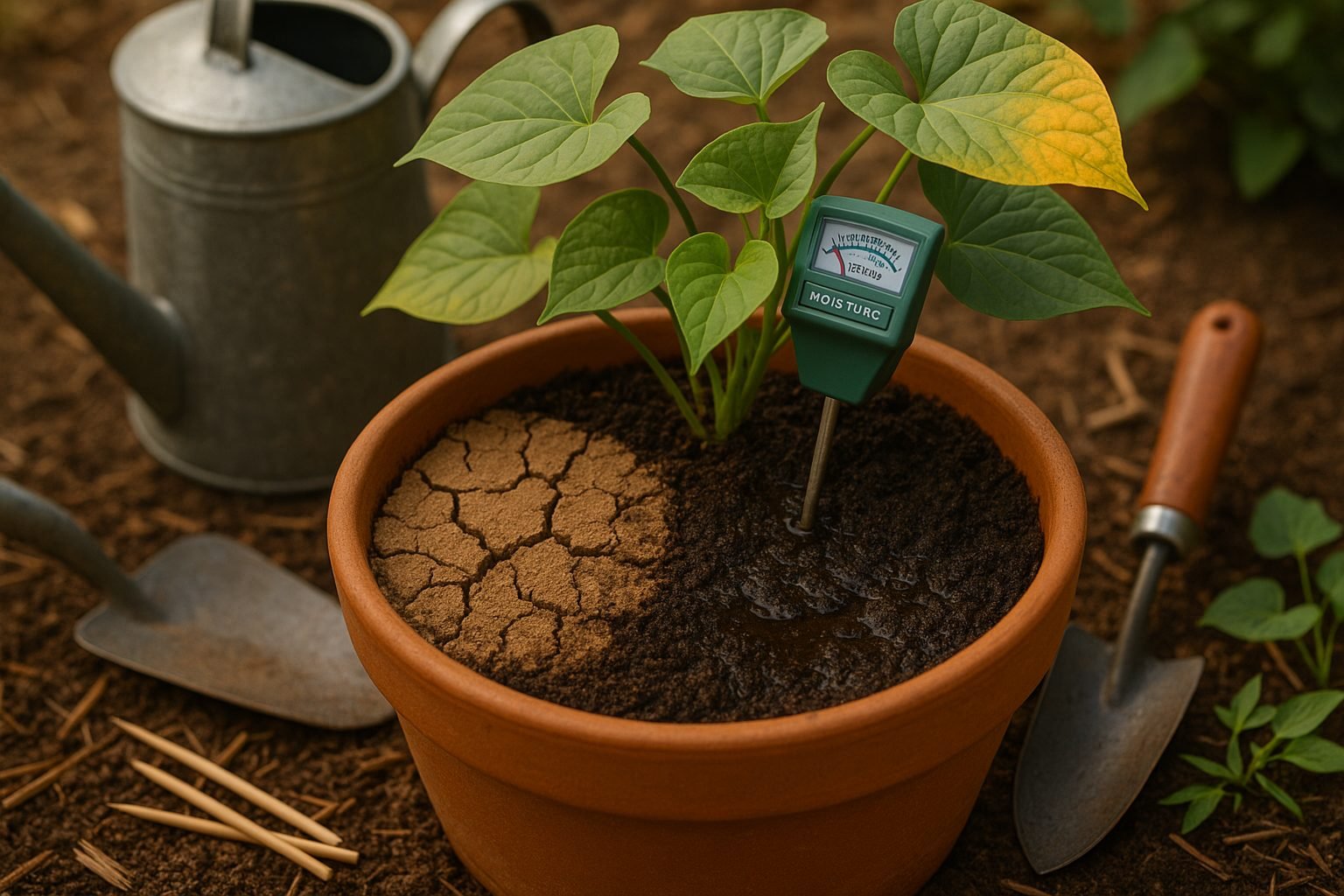
To accurately diagnose plant problems, start by closely observing symptoms such as leaf color changes, wilting, or spotting. Begin your investigation by checking soil moisture with your finger or a moisture meter—droopy, yellowing leaves can signal overwatering, while crispy, wilting leaves might indicate underwatering.
Next, assess the soil itself; compacted or foul-smelling soil suggests drainage issues, while light, crumbly soil could mean it dries out too quickly.
Examine the leaves:
- Browning tips often point to low humidity or salt buildup.
- Yellow patches could mean a nutrient deficiency.
- Sticky residue may be a sign of pests like aphids.
Flip leaves over and look for small insects or webbing, which are telltale signs of pest infestations.
If environmental stress is suspected, consider recent changes such as moving the plant, fluctuating temperatures, or drafts.
Nutritional problems often reveal themselves as overall yellowing (lack of nitrogen) or stunted growth (magnesium or iron deficiency).
Compare affected and healthy plants side by side to spot patterns.
If, after these checks, symptoms persist or multiple issues overlap, it’s wise to consult a local nursery, extension office, or plant expert. They can help with precise diagnoses and recommend targeted treatments, saving you time and helping your plant recover more quickly.
Solutions and Remedies for Yellowing Leaves
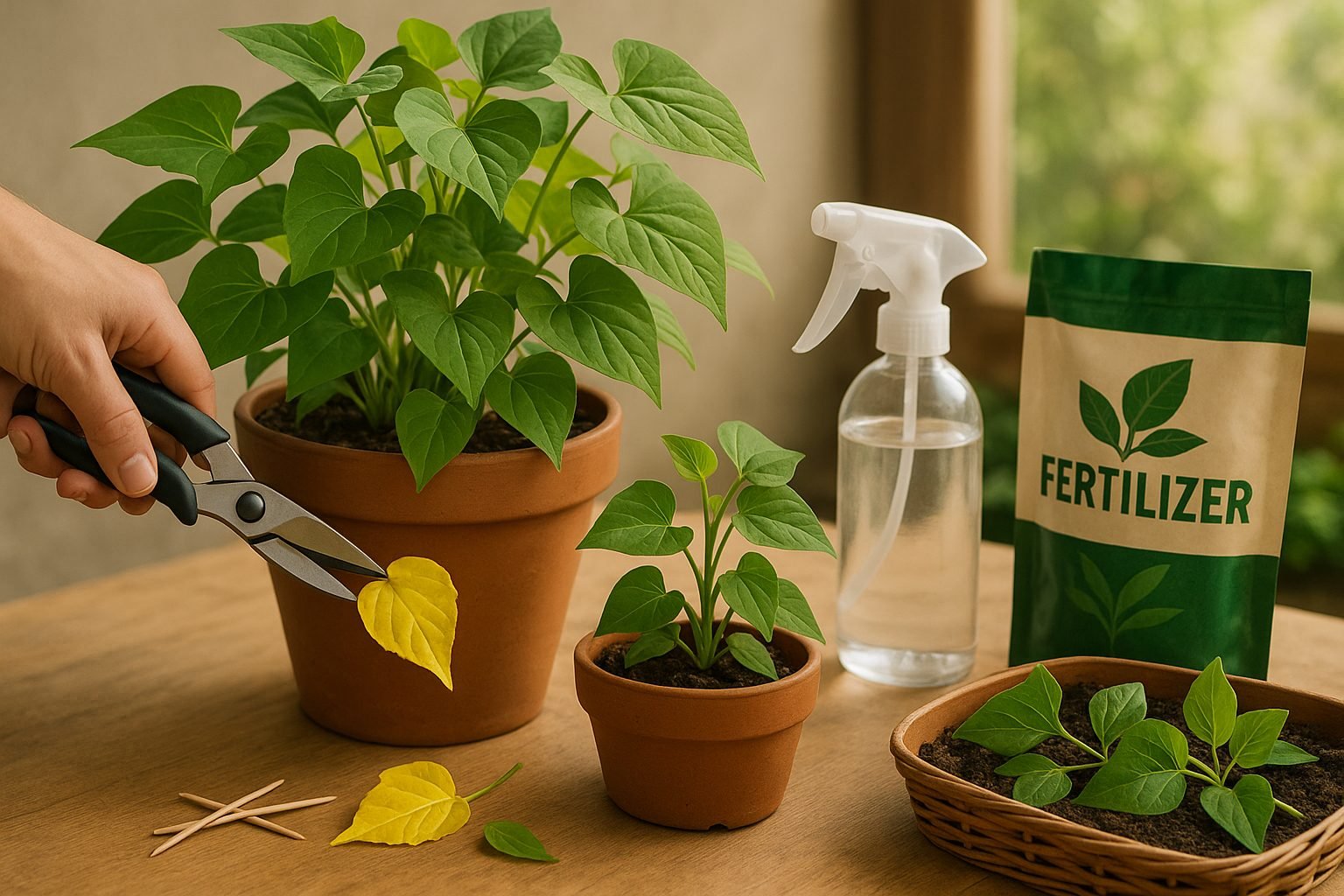
When dealing with yellowing leaves, start by identifying the underlying cause so you can apply the right remedy without stressing your plant further.
If overwatering is to blame, let the soil dry out before watering again and ensure your pot has drainage holes to prevent soggy roots. Plants usually perk up within a week of proper watering adjustments.
For nutrient issues, such as nitrogen or iron deficiency, choose a balanced, water-soluble fertilizer and follow the label carefully. Results can be seen in one to two weeks as new leaves emerge healthy and green.
When pests like spider mites or aphids are spotted, gently wash leaves with lukewarm water or use insecticidal soap, making sure to coat both sides of the foliage. Repeat weekly as needed—this gentle approach avoids chemical burn and typically shows improvement in two weeks.
Compact or poor soil can cause root suffocation. Try gently repotting the plant in fresh, well-draining potting mix, taking care not to disturb the roots more than necessary. Expect to see progress in two to four weeks as roots adjust.
Always prune off yellow or dying leaves with clean scissors to redirect energy to healthy growth, being careful not to remove more than one-third of the foliage at once.
No matter the intervention, monitor your plant closely and make changes gradually—rushing or overcorrecting can lead to shock or even more problems. With patience and the right care, you should start seeing visible recovery within a few weeks, depending on your plant’s specific needs and growth rate.
Preventing Yellow Leaves: Best Practices for Healthy Sweet Potato Vines
Keeping your sweet potato vines lush and green starts with a few simple but crucial care habits. Ensure consistent watering; the soil should stay moist but never soggy, as both drought and overwatering can trigger yellow leaves. Use a balanced, slow-release fertilizer every few weeks to supply essential nutrients, but avoid over-fertilizing, which can stress the plant.
Prune regularly to remove any damaged or crowded stems—this boosts airflow and prevents disease, keeping growth full and healthy. When potting, choose a container with drainage holes and a quality potting mix; cramped roots or poor drainage often result in yellowing. Place your vines where they get bright, indirect sunlight: too much direct sun can scorch the leaves, while too little causes weak, faded growth.
Good air circulation is also important, so avoid packing plants too closely together. To keep your sweet potato vines thriving, use this quick checklist:
- Water consistently
- Feed every few weeks
- Prune when needed
- Repot in quality mix with drainage
- Provide bright but gentle light
- Ensure airflow
By following these practices, you’ll prevent yellow foliage and enjoy vibrant, flourishing vines all season long.
Growing Sweet Potato Vines in Different Settings (Pots, Gardens, Indoors)
Sweet potato vines are versatile and can thrive in pots, garden beds, or even indoors with the right care.
In outdoor garden beds, these vigorous growers need well-drained soil and full sun for vibrant foliage and sprawling growth—‘Margarita’ and ‘Blackie’ are top picks for their hardiness and bold colors. Water deeply but less frequently to avoid root rot and yellowing leaves, which can signal overly wet or poorly drained soil.
In pots, use a high-quality potting mix and select bushier varieties like ‘Sweet Caroline’ or ‘Illusion Emerald Lace’ that won’t outgrow their container. Ensure the pot has good drainage, and check moisture regularly—container plants dry out quicker, but don’t let them sit in soggy soil.
Indoors, sweet potato vines need bright, indirect light to maintain their green or purple vibrancy; south-facing windows work great. Indoor varieties like ‘Raven’ or ‘Medusa’ stay compact and cope well with lower light. Overwatering is a common issue indoors, so water only when the top inch of soil is dry.
For all settings, regularly remove yellowing or damaged leaves to promote healthy new growth and prevent disease. By choosing the right variety and adjusting care routines for your growing space, you’ll enjoy lush, healthy sweet potato vines whether they’re trailing across your garden fence or brightening up your windowsill.
When to Worry: Knowing When Yellow Leaves Signal a Bigger Issue
Yellow leaves on your sweet potato vine aren’t always a sign that something’s wrong—sometimes a bit of leaf discoloration is perfectly normal as older leaves age and new growth emerges. However, if you notice yellowing spreading rapidly across many leaves, especially when accompanied by wilting, droopy stems, or stunted growth, it’s time to pay closer attention.
These symptoms may signal more serious issues like underwatering, overwatering, pest infestations, or soil nutrient deficiencies. Check the moisture level in your soil—sweet potato vines don’t like soggy roots, but parched soil can stress them too. Look out for signs of pests like aphids or whiteflies, and consider if your plant might need a little fertilizer boost.
If the problem persists or worsens even after you’ve tweaked your care routine, don’t hesitate to consult your local extension service or a knowledgeable plant specialist—they can help diagnose diseases or pest problems specific to your area.
While sweet potato vines are generally quite hardy and forgiving, catching bigger issues early can keep your plants healthy and thriving, helping you enjoy their vibrant foliage all season long.