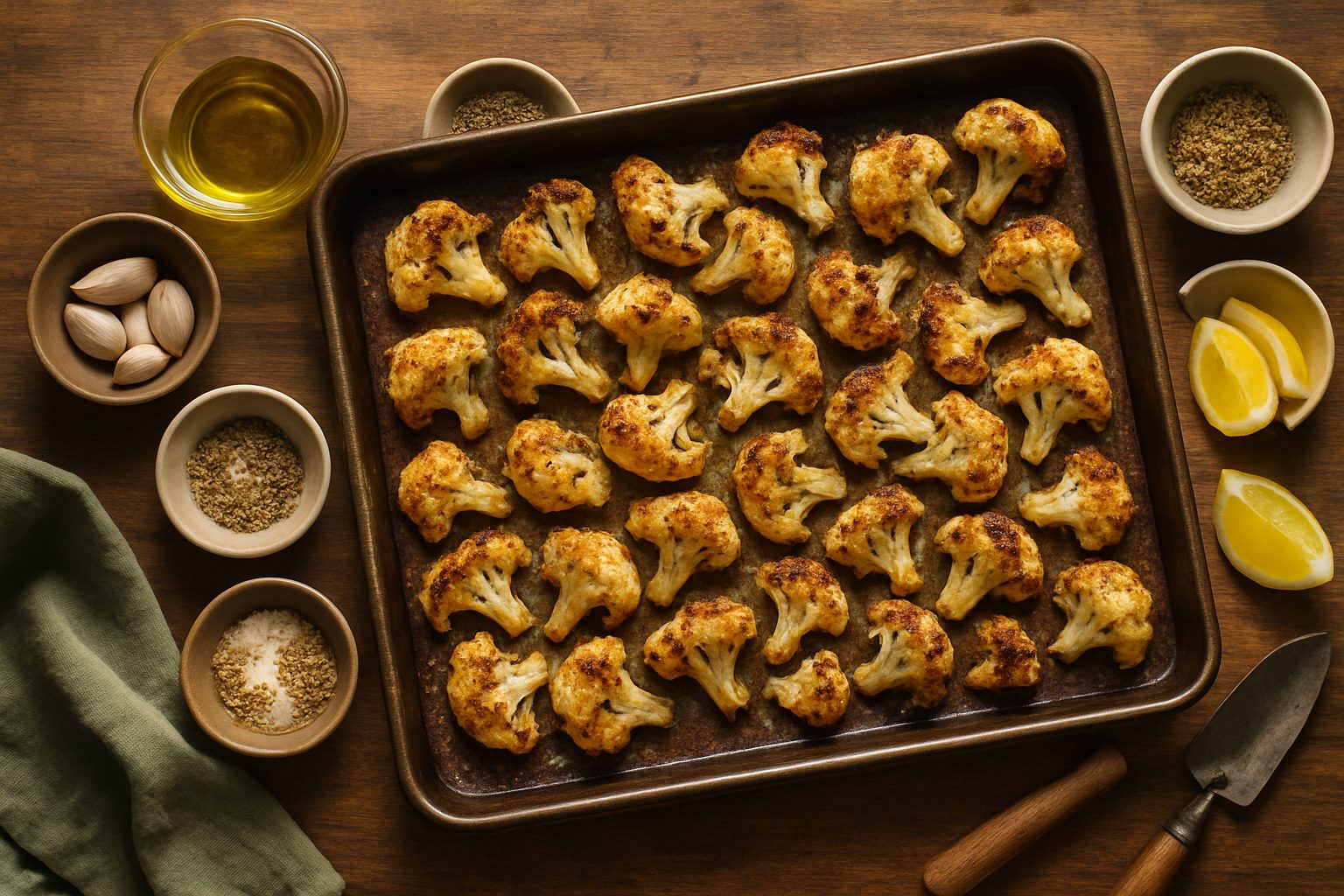
Introduction to Roasted Cauliflower
If you’re searching for delicious and easy ways to put your garden’s bounty to use, look no further than cauliflower recipes—especially the ever-popular roasted cauliflower. This humble vegetable transforms in the oven, developing a nutty, caramelized flavor that pairs beautifully with a wide array of spices, herbs, and toppings.
Roasted cauliflower stands out as a healthy dish that fits seamlessly into nearly any meal, whether you’re preparing a weeknight dinner, a festive gathering, or meal-prepping for the week. The best part? The ingredient list is refreshingly simple: all you really need is a fresh head of cauliflower, a drizzle of olive oil, and a sprinkle of your favorite seasonings.
Even beginner cooks can master this recipe, and those looking to impress can get creative by adding fresh garlic, tossing in curry powder, or finishing with a squeeze of lemon and a dusting of parmesan. Roasted cauliflower’s adaptability means you can give it a Mexican twist with smoked paprika and lime, or stick to classic Mediterranean flavors with oregano and feta.
So, the next time you’re harvesting cauliflower from your garden, roast it up for a side dish that’s as nutritious as it is crave-worthy.
Ingredients & Seasoning Variations
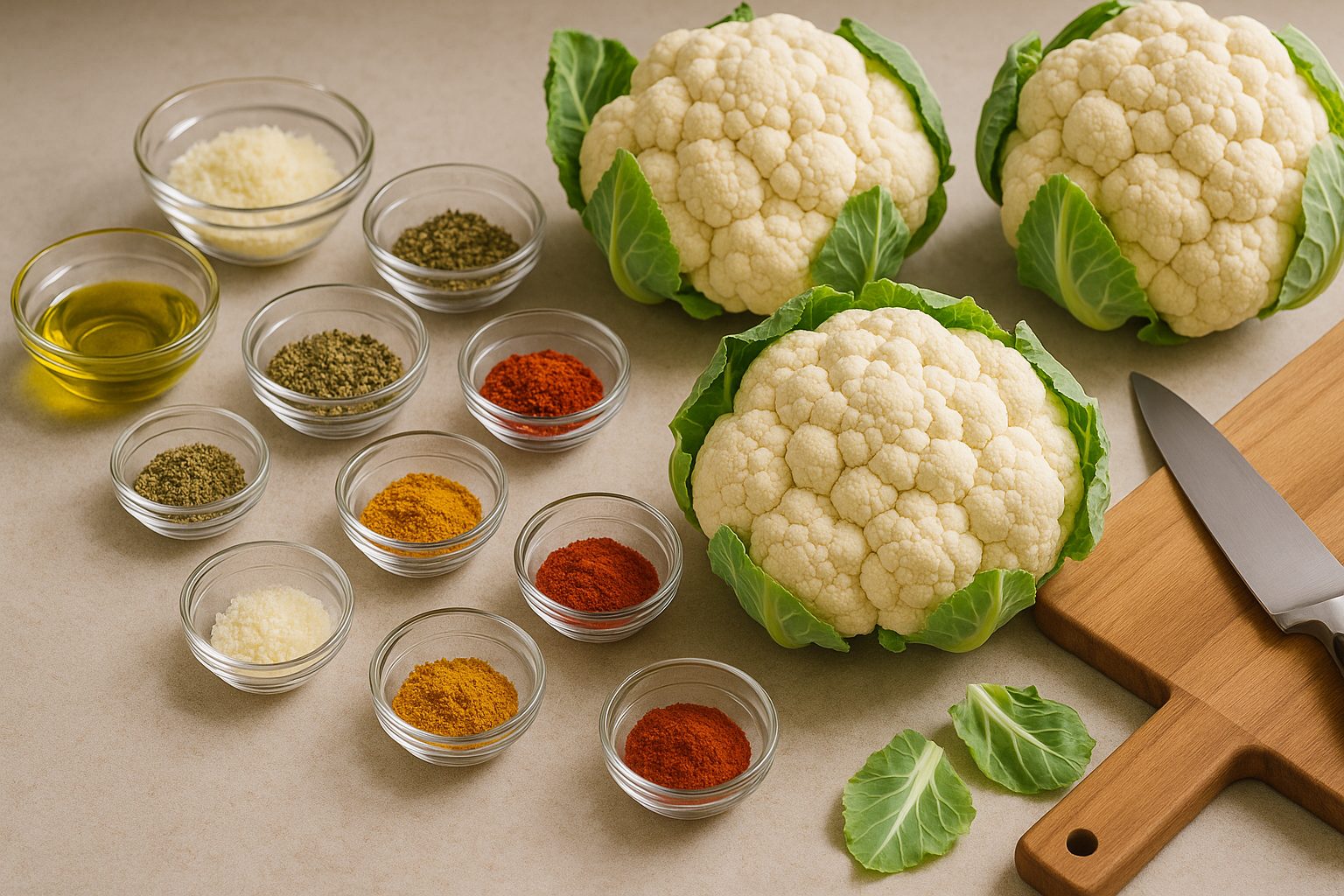
When it comes to making roasted cauliflower, the basics are refreshingly simple: all you need is a fresh head of cauliflower, a drizzle of your favorite cooking oil (olive or avocado oil work well), and classic seasonings like salt, pepper, and garlic.
From there, you can get creative with flavorful add-ons—grated parmesan for a cheesy crust, a sprinkle of mixed dried herbs, or even a dash of red pepper flakes for gentle heat. If you’re craving bold, global flavors, try tossing the florets with curry powder for an Indian-inspired twist, smoked paprika for Spanish flair, or a squeeze of fresh lemon juice after roasting for a zesty finish.
Selecting the best cauliflower is key: look for compact, creamy-white heads with vibrant green leaves. Avoid any with brown spots or a dull, limp appearance. For prepping, chop cauliflower into evenly sized florets to ensure even roasting, and dry thoroughly after washing—they’ll crisp up better.
Dietary needs are easy to accommodate; for dairy-free or vegan versions, simply skip the cheese or use nutritional yeast for a savory kick, and stick to spices and herbs. If you’re watching carbs, cauliflower is already a great choice, and you can further reduce calories by using minimal oil and loading up on fresh herbs for big flavor without any extra fat.
How to Roast Cauliflower Perfectly
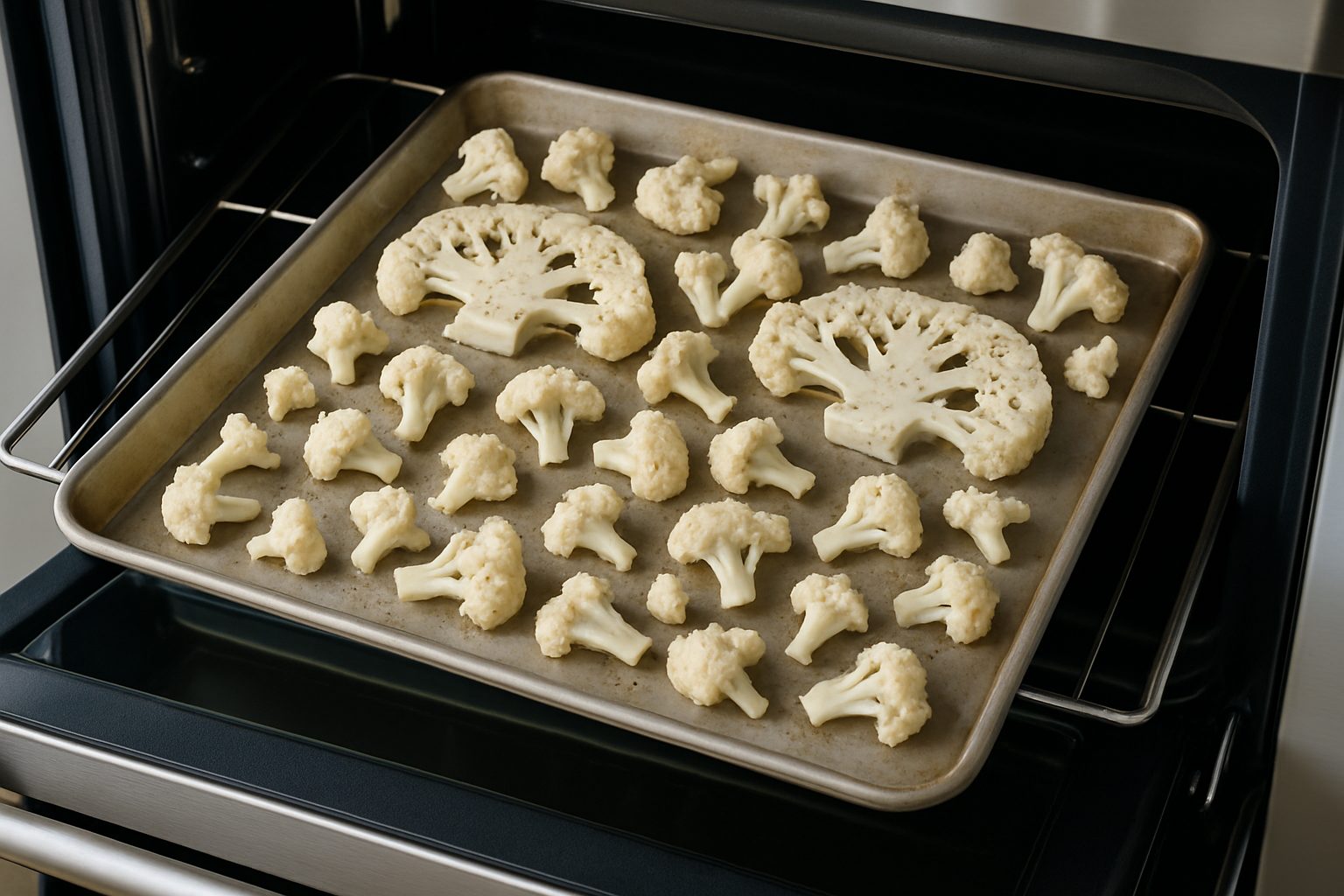
Roasting cauliflower starts with choosing how you want to cut it: for bite-sized pieces, break the cauliflower into evenly sized florets; or, if you want something impressive for a main dish, slice the head into thick “steaks” about ¾-inch wide. You can even roast the whole head—just trim the leaves and core so it sits flat.
For all methods, preheat your oven to a hot 425°F—this high heat is key for crispy edges. Toss your cauliflower with a few tablespoons of oil, salt, and any seasonings you love, making sure each piece is coated but not drenched (too much oil leads to sogginess). Spread your cauliflower out in a single layer on a baking sheet with space between pieces—crowding creates steam, not caramelization.
Roast florets or steaks for about 25–30 minutes, flipping halfway for even browning; a whole head takes longer, around 50–60 minutes. For extra crispiness, avoid washing the cauliflower right before roasting, or pat it thoroughly dry with a towel.
Don’t use a glass baking dish, as it can trap moisture; a rimmed metal sheet pan works best. Common pitfalls include skipping the toss midway (which leads to uneven color), adding sauce too early (which prevents crispy bits), or using too little heat.
If you keep these tricks and timing in mind, you’ll get golden, caramelized cauliflower with tender centers and irresistible crispy edges every time.
Creative Roasted Cauliflower Recipes
Roasted cauliflower is incredibly versatile, making it a perfect canvas for creative flavor combinations and easy crowd-pleasing dishes.
For a garlic parmesan twist, toss florets with olive oil, minced garlic, grated parmesan, and a pinch of red pepper flakes before roasting until golden—serve alongside pasta or as a hearty side for chicken.
If you’re after something with a little kick, try buffalo cauliflower bites by coating the florets with hot sauce, a touch of melted butter, and smoked paprika, then roast or air-fry until crispy; these are great dipped in ranch and served as a game-day snack.
To switch things up, a curry-roasted version pairs cauliflower with coconut oil, garam masala, turmeric, and cumin—spread on a sheet pan and roast, then finish with fresh cilantro and a squeeze of lime for a flavorful side or taco filling.
For special occasions, cauliflower steaks thick-cut and brushed with herbs are a standout vegetarian main, perfect with a drizzle of chimichurri or tahini sauce.
Air-fried cauliflower’s crispness is irresistible in weeknight grain bowls or wraps, and roasted cauliflower salads—think roasted florets with arugula, toasted almonds, and a lemony vinaigrette—make refreshing lunch options.
Adapt these ideas for your schedule: prep cauliflower in advance, swap in whatever spices or herbs you have, and play with toppings like feta or avocado for new twists that keep this humble veggie exciting.
Nutritional Benefits of Cauliflower
Cauliflower is a nutritional powerhouse, packed with vitamins C, K, and several B vitamins, along with important minerals like potassium and magnesium. Its high fiber content supports digestive health by promoting regularity and helping you feel fuller for longer without adding many calories.
In fact, cauliflower is remarkably low in calories and carbohydrates, making it popular in low-carb and keto diets as a versatile substitute for foods like rice, potatoes, or pizza crusts. The antioxidants it contains, such as glucosinolates and isothiocyanates, may help fight inflammation and oxidative stress, promoting long-term wellness and even reducing certain cancer risks according to some studies.
Additionally, compounds like choline contribute to brain health, while its fiber and potassium can support heart health by maintaining healthy cholesterol and blood pressure levels. Whether roasted, mashed, or blended into soups, cauliflower can easily boost nutrient intake without compromising taste or dietary goals, making it a smart addition to almost any meal plan.
Tips, Storage, and Meal Prep
Meal prepping roasted cauliflower is a great way to save time during the week. Simply roast a batch, let it cool completely, then store it in an airtight container in the fridge for up to four days. For longer storage, lay the cooled florets on a baking sheet to freeze them individually before transferring them to a freezer bag. This prevents sticking and makes it easy to portion out what you need.
When you’re ready to eat, reheat the cauliflower in a hot oven or air fryer for a few minutes to restore its crispiness. Try to avoid the microwave, as it can make the cauliflower soggy.
Leftover roasted cauliflower is incredibly versatile. You can:
- Toss it into salads for a savory bite
- Add it to grain bowls with quinoa or farro
- Stir it into soups for extra heartiness
- Roll it up in a wrap with hummus and greens for a quick lunch
A sprinkle of fresh herbs or a drizzle of your favorite sauce can also give leftovers a fresh twist, keeping your meals exciting all week long.
Serving Suggestions & Pairings
Roasted cauliflower is incredibly versatile, making it easy to integrate into nearly any meal. As a side dish, pair it with grilled chicken, seared salmon, or a hearty lentil salad for a well-balanced plate.
For an appetizer, serve bite-sized florets on skewers or tucked into lettuce cups with a drizzle of tahini or yogurt sauce—perfect for passing around at parties.
Roasted cauliflower also makes a satisfying main course when served over a grain bowl with chickpeas, fresh herbs, and a bright vinaigrette. To build a complete meal, consider complementing it with vegetables like roasted carrots, sautéed spinach, or a fresh tomato salad for added flavor and color.
For flavor inspiration, try these sauces and toppings:
- Mediterranean: tahini sauce, tzatziki, crumbled feta, toasted pine nuts, chopped parsley
- Asian: soy-ginger glaze, sesame seeds, sliced scallions, chili crisp oil
- Classic American: ranch dressing, grated cheddar, crispy bacon bits, chives
When entertaining, arrange roasted cauliflower on platters garnished with colorful toppings, making it easy for guests to help themselves. For holiday meals, prep ahead by roasting the cauliflower in advance and reheating it briefly in a hot oven just before serving—this preserves its crispy edges and ensures a stress-free feast.
Don’t be afraid to double the batch; leftovers hold up well for lunch bowls or wraps the next day.
Frequently Asked Questions about Roasting Cauliflower
When roasting cauliflower, a few simple tricks make all the difference. To avoid sogginess, always dry your florets thoroughly after washing—extra moisture leads to steaming, not roasting. For extra crispiness, use a hot oven (around 425°F/220°C) and spread florets in a single layer without crowding the pan; flipping halfway helps brown all sides evenly.
If you only have frozen cauliflower, don’t worry—roast it straight from the freezer without thawing. Toss with oil and seasonings, then add 5–10 minutes to the usual cook time, being sure to space the pieces out so steam can escape.
How to Cut Cauliflower for Roasting
Slice the cauliflower into similar-sized florets for even cooking. A good method is to quarter the head and trim away the core, then break or cut into bite-sized pieces.
Adding Flavor to Your Roasted Cauliflower
For bonus flavor, toss your florets with a mixture of olive oil, garlic powder, and your favorite spices before roasting.
Tips for Perfect Roasted Cauliflower
- Resist the urge to overcrowd the baking sheet; overcrowding causes steaming instead of roasting.
- If making a big batch, use two pans to ensure proper spacing.
With these tips, you’ll get perfectly roasted, golden-brown cauliflower every time.