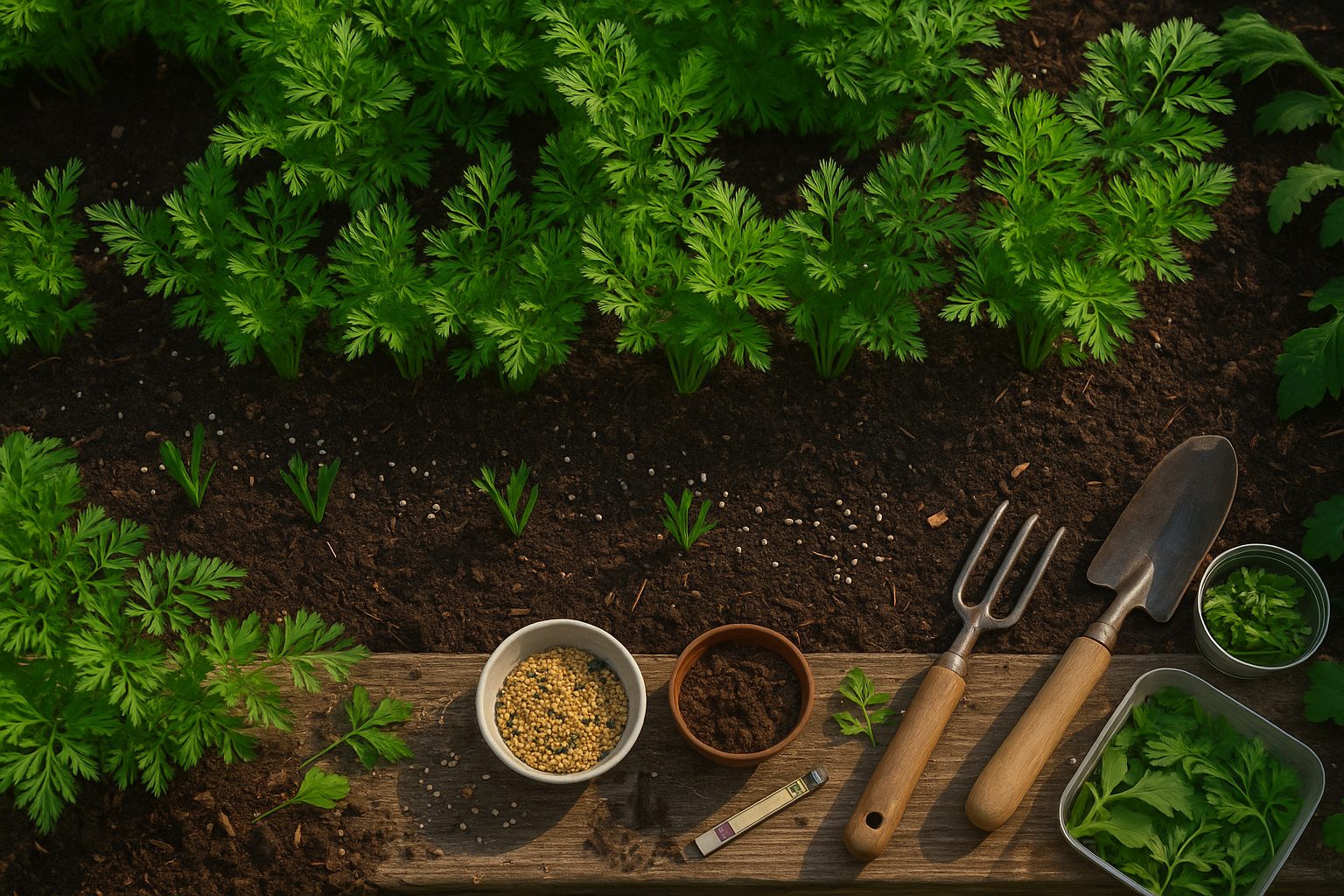
Carrot Nutrition Basics
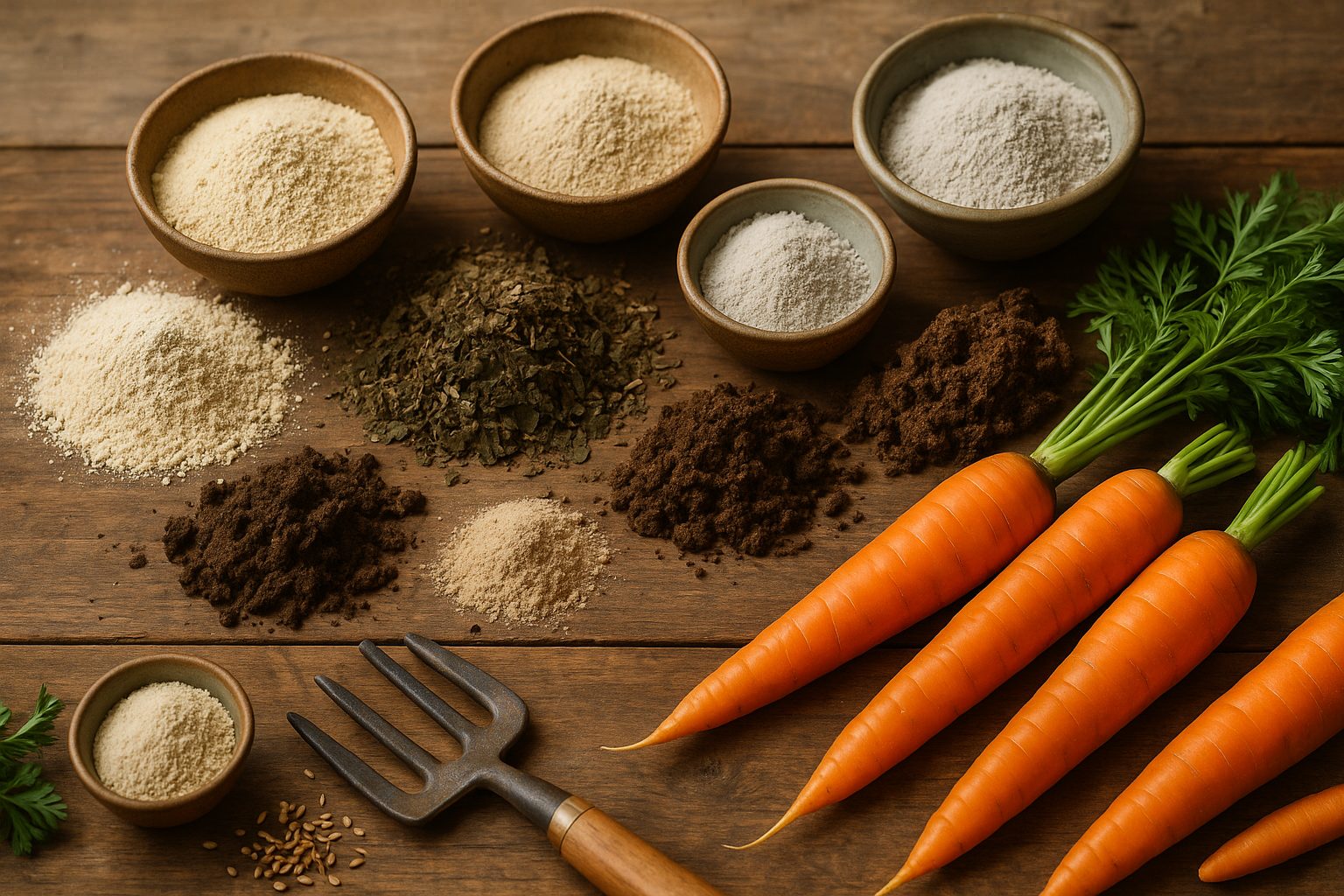
Choosing the right organic fertilizer for carrots is essential if you want to grow sweet, robust roots rather than just leafy tops. Carrots have specific nutritional needs—their roots thrive when fed with the right balance of macronutrients: nitrogen (N), phosphorus (P), and potassium (K). Nitrogen helps produce healthy green tops, but too much can lead to excessive foliage and skinny carrots. Phosphorus is the superstar for strong root development, critical for rich color and plump, crisp roots. Potassium, meanwhile, boosts carrot resilience, helping them fend off disease and harsh weather while improving overall crop quality.
Don’t overlook micronutrients, either. Carrots benefit from calcium for tip growth, boron for root quality, and magnesium for overall health. Deficiencies in these can be subtle but telling—think forked or misshapen roots (potentially from low boron), pale or yellow leaves (suggesting nitrogen or magnesium deficiencies), or weak, undersized carrots if phosphorus is lacking.
When choosing an organic fertilizer, aim for a balanced blend tailored to root crops. Compost, well-rotted manure, or specially formulated organic mixes with a lower nitrogen and higher phosphorus and potassium ratio are smart picks. If you notice your carrot leaves turning yellow or your roots aren’t filling out by midseason, consider a side dressing with additional organic sources like bone meal or wood ash, being mindful not to overdo it on any one nutrient. By keeping your soil rich in the right nutrients—not just any nutrients—you’ll encourage your carrots to channel their energy into the roots, giving you the best harvest possible.
Prepping the Perfect Soil for Carrots
Carrots thrive in loose, well-draining soil with a sandy or loamy texture—dense or rocky ground can cause roots to grow crooked or forked. Before planting, aim for soil that crumbles easily in your hand and doesn’t clump together, as this helps carrots develop their signature long, straight shape.
Good drainage is key; standing water or heavy clay soil can lead to rot or disease, so consider raising beds or mixing in coarse sand to improve airflow and water movement if needed. Carrots prefer a slightly acidic to neutral pH, ideally between 6.0 and 6.8—within this range, essential nutrients like phosphorus and potassium are most available, promoting healthy root growth.
Amending your garden bed with organic matter is crucial; incorporate rich compost or well-aged manure a couple of weeks before planting to feed the soil without overwhelming young seedlings with fresh, overly hot amendments. Avoid using fresh manure, as it can introduce weeds or burn tender roots.
To get the most from your soil, test it with an inexpensive home kit or by sending a sample to a local extension service. This will reveal any imbalances, such as the need for lime to raise low pH values or sulfur to lower high pH. If your soil test shows a lack of nutrients, consider adding a balanced fertilizer that is low in nitrogen (too much nitrogen encourages leafy tops instead of hearty roots).
Finally, gently rake the soil surface to remove stones and break up any large clumps before you sow your carrot seeds—smooth, deep beds make all the difference for uniform crops. With a little extra preparation, your carrots will have the perfect foundation to develop sweet, crisp roots harvest after harvest.
Choosing the Right Fertilizer: Organic vs. Synthetic Options
When growing carrots, picking the right fertilizer can make a big difference in yield and flavor. Organic options like compost, bone meal, or seaweed are popular because they feed both the plant and the soil. Compost improves soil structure and provides a slow, steady supply of nutrients, while bone meal offers phosphorus for strong root development—key for carrots. Seaweed adds micronutrients and encourages healthy growth.
The main advantage of organic fertilizers is that they’re safer for kids, pets, and pollinators, and they help build long-term soil health. However, they can be slower to show results and sometimes have lower nutrient concentrations.
On the other hand, synthetic fertilizers act fast and deliver precise doses, making it easy to target root crops. But repeated use can harm soil microbes, and they tend to wash away quickly, which means more frequent applications are necessary.
For carrots, an ideal fertilizer has a lower nitrogen level (the “N” in NPK), such as 2-4-6, because too much nitrogen leads to bushy tops but stubby roots.
Organic Fertilizer Options
- Espoma Garden-Tone (OMRI-certified for organic use)
- Dr. Earth Root Zone
- DIY mix: Combine compost with a handful of bone meal and some seaweed meal
Synthetic Fertilizer Options
If you choose a synthetic fertilizer, look for a granular or water-soluble root crop blend with a similar NPK ratio—like 5-10-10.
Just remember to always test your soil first and follow package directions.
Ultimately, whether you choose organic or synthetic fertilizer depends on your gardening goals. If you want eco-friendly, long-term soil health, organic is the way to go; for quick fixes and ease, synthetics might suit you better.
How and When to Fertilize Carrots Throughout the Season
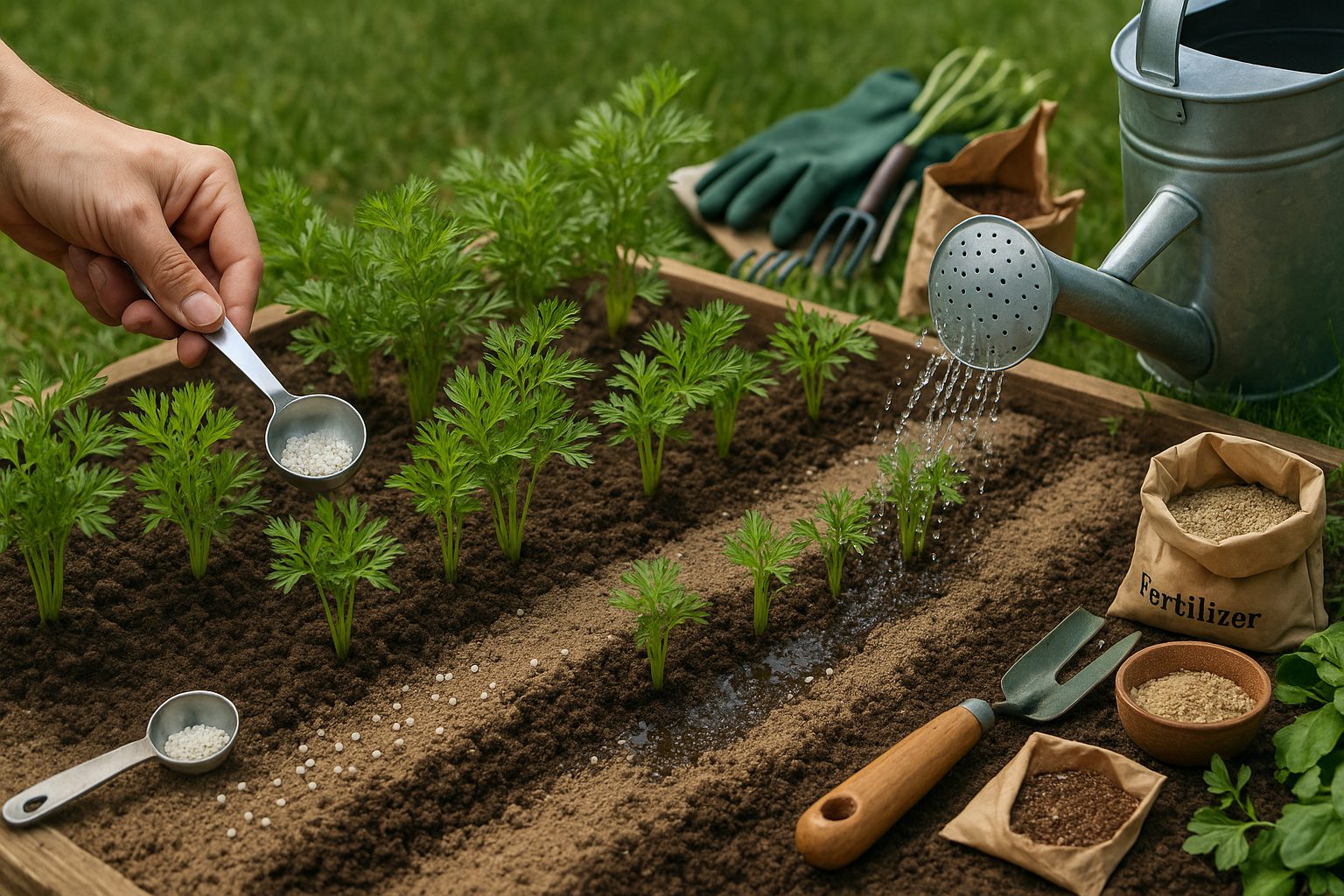
Fertilizing carrots effectively starts even before you sow the seeds. Before planting, mix a balanced, granular fertilizer (like 10-10-10) or well-rotted compost into the top 6 inches of soil at a rate of about 1 to 2 pounds per 100 square feet. Carrots need a nutrient-rich, loose bed to grow straight and sweet, but avoid high-nitrogen fertilizers at this stage—they can cause misshapen, forked roots.
Once the seedlings reach about 2 inches tall, side-dress them with a low-nitrogen, high-phosphorus fertilizer, such as a 5-10-10 blend. Sprinkle 2 to 3 tablespoons per 10 feet of row about 2 inches away from the base of the plants, lightly work it into the soil, and then water well.
As the tops reach 6 inches, apply a second, lighter side-dressing of the same fertilizer to support root development. Again, keep it off the crowns to avoid burning young plants.
You can use liquid feeds at half strength every two to three weeks if you prefer, especially in sandy soils. However, always go easy on nitrogen. Too much will encourage excessive leafy growth and lead to stunted or forked carrots, which no gardener wants to pull.
Throughout the season, watch for pale leaves or slow growth—these are signs your carrots may need a little nutritional boost. But in most cases, one or two carefully measured applications are enough.
Remember, with carrots, less is more: nourishing the roots gently and consistently produces the tastiest, straightest harvest.
Watering and Care: Supporting Healthy Nutrient Uptake
Proper watering is essential for helping carrots absorb fertilizer and develop strong, healthy roots. Carrots need consistently moist, but not waterlogged, soil to take in nutrients effectively. Letting the soil dry out or stay soggy can lead to poor growth and misshapen roots.
Aim to water deeply about once or twice a week, depending on rainfall and soil type, ensuring the moisture reaches at least 6 inches down to encourage deep root development. To avoid overwatering, check the soil by sticking your finger an inch below the surface—it should feel damp, not soaked. A drip irrigation system or soaker hose is ideal for delivering water directly to the soil while keeping foliage dry, which helps prevent disease.
Beyond watering, thin your carrot seedlings to about two inches apart once they’ve grown their first true leaves. This reduces competition for both water and nutrients, allowing each carrot to grow large and straight. Adding a layer of organic mulch, such as straw or shredded leaves, helps retain soil moisture, minimizes weeds that steal nutrients, and stabilizes soil temperatures.
By combining careful watering, regular thinning, and mulching, you give your carrots the best shot at absorbing nutrients and producing crisp, flavorful roots.
Troubleshooting and Common Fertilizer Problems in Carrots
Recognizing fertilizer issues in carrots early can save your crop from disappointment. Overfertilization often shows up as lush, bushy carrot tops paired with stunted or forked roots. If your greens are thriving but the carrots themselves are small or distorted, it’s time to cut back on feeding.
Nutrient deficiencies present subtle signals like pale or yellowing leaves (lack of nitrogen), reddish-purple stems (phosphorus shortage), or weak, thin carrots (potassium deficiency). Salt buildup from too much fertilizer or repeated use of certain synthetic products causes leaf tip burn and can even halt root growth. If you notice burnt edges or wilting, give the soil a good flush by deep watering over several days.
As a preventive measure, opt for slow-release fertilizers that provide steady nutrition and reduce the risk of overload. Always follow package directions carefully—more is not always better. Test your garden soil once or twice a season to catch problems before they escalate, and keep a notebook of what works or doesn’t for your unique plot.
Finally, remember that carrots are more sensitive than some crops. Start with less fertilizer and adjust gradually, making changes based on how your plants respond throughout the season. With keen observation and small, timely tweaks, you’ll avoid common pitfalls and support robust, flavorful carrot harvests.