Introduction
If you’ve ever wanted healthier, sweeter carrots straight from your own garden, using homemade carrot fertilizer can make a world of difference. Tailoring nutrients specifically for carrots helps them develop stronger roots, vibrant tops, and better flavor—all without breaking the bank. Homemade fertilizers are a game-changer; not only are they cost-effective and environmentally friendly, but they also let you customize ingredients to suit your soil’s unique needs.
Plus, making your own fertilizer means you skip harsh chemicals and reduce waste, giving your garden (and the planet) a gentle boost. In this post, you’ll find easy-to-follow homemade carrot fertilizer recipes, along with expert tips on where, when, and how to apply them for the best results. We’ll also cover common do’s and don’ts to help you avoid mistakes and get the most from your harvest.
Whether you’re new to vegetable gardening or looking to up your carrot-growing game, you’ll find practical advice here to nurture lush, tasty carrots all season long.
Understanding Carrot Nutrient Needs
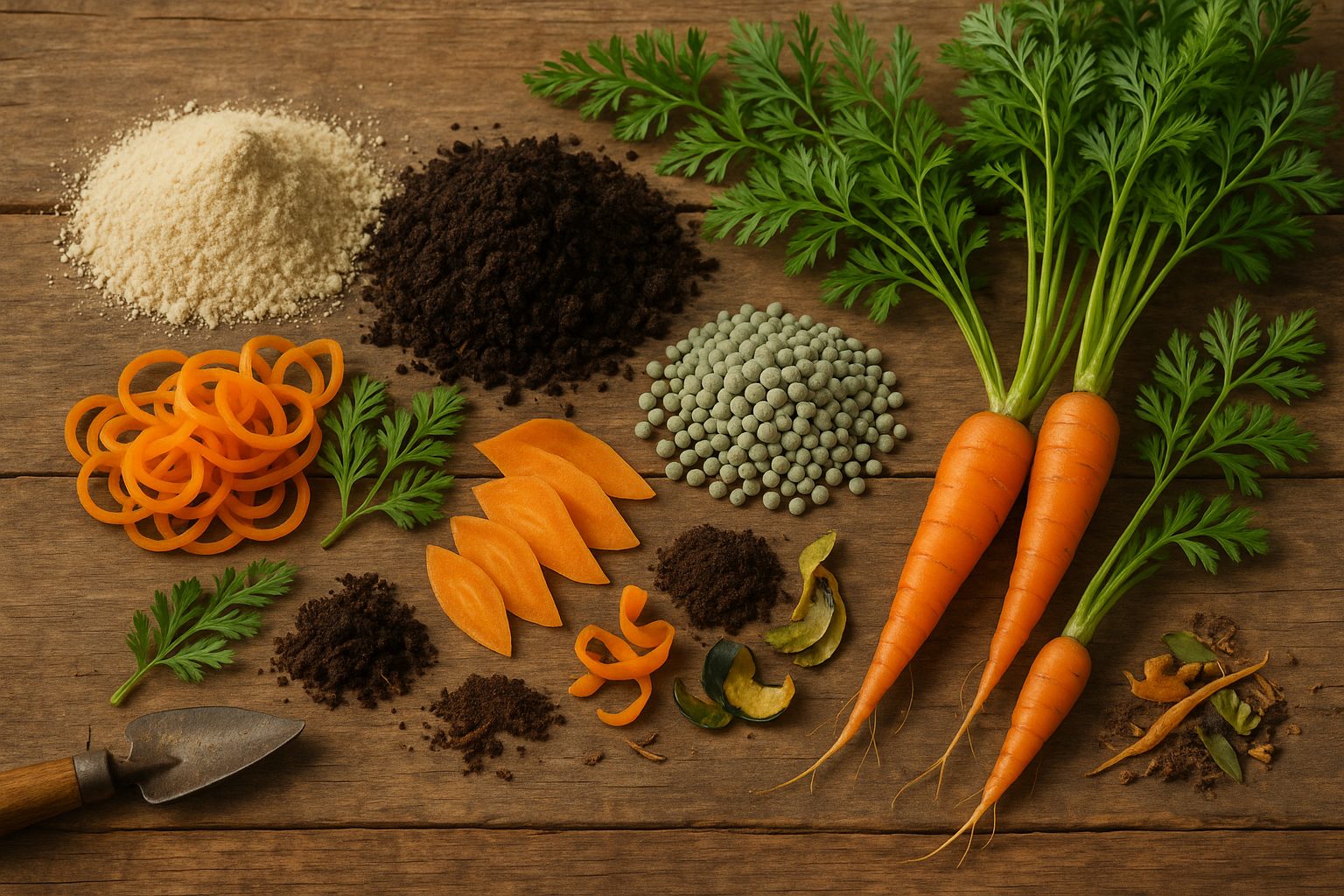
Carrots, like all root vegetables, have specific nutritional requirements that directly affect their growth and the quality of your harvest. The main nutrients carrots need are nitrogen, phosphorus, potassium, and calcium—often supplemented by essential trace minerals such as magnesium, boron, and zinc. Nitrogen promotes leafy top growth, but too much can lead to lush greens at the expense of root development. Phosphorus is key for strong root formation, helping carrots grow long, straight, and sturdy. Potassium supports overall plant health, enhancing carrot flavor and shelf life by boosting resistance to disease and environmental stress. Calcium strengthens roots and helps prevent issues like “carrot fork” and cracking. Trace minerals assist in processes like enzyme function, disease resistance, and pigment development, all influencing your carrots’ color, taste, and vitamin content.
The balance of these nutrients is crucial: a homemade carrot fertilizer high in nitrogen but low in phosphorus can produce impressive foliage but stunted, underdeveloped roots. Similarly, insufficient potassium or calcium can result in weak, split, or bitter carrots that don’t store well. Poor fertilization often causes slow growth, delayed maturity, pale color, or oddly shaped carrots—sometimes short, forked, or covered in “hairy” side roots. Some gardeners also find carrots with cracks or a woody texture, indicating imbalances in nutrient supply. By customizing your homemade carrot fertilizer to deliver the right amounts of each nutrient, you’ll help your carrots achieve their sweetest flavor, ideal shape, and longest shelf life.
Basic Ingredients for Homemade Carrot Fertilizer
When it comes to making homemade carrot fertilizer, a handful of common kitchen and garden ingredients can provide your carrots with all the nutrients they need for healthy, robust growth. Compost is the foundation—rich in organic matter, it offers a slow-release source of balanced nutrients while improving soil texture and water retention. Look for compost made from a mix of kitchen scraps and yard waste, and avoid diseased plant material to keep your carrots healthy.
Eggshells are excellent for adding extra calcium, which helps prevent problems like forked roots; just crush them well before adding to the soil so they break down faster. Bone meal, available at most garden centers, is high in phosphorus and supports strong root development—perfect for root crops like carrots. Choose organic-labeled products, or make your own by cleaning and grinding bones into powder.
Coffee grounds, often free from local cafés or your kitchen, provide a modest nitrogen boost and can also improve soil structure. Spread them lightly and mix well into the soil to avoid clumping. Finally, seaweed—whether freshly gathered from beaches (always check local regulations) or purchased dried—adds trace minerals that enhance plant resilience and growth. Be sure to rinse fresh seaweed thoroughly to remove salt.
Sourcing these ingredients organically ensures no harmful chemicals enter your garden. Ask farmers at markets about their practices or look for certifications in stores. These sustainable, easy-to-source ingredients transform kitchen and yard waste into an eco-friendly boost for your carrot patch.
Top 3 Homemade Fertilizer Recipes for Carrots
One of the most effective homemade carrot fertilizer recipes is compost tea, a nutrient-rich and easy-to-make brew that boosts plant health. To make compost tea, fill a 5-gallon bucket with water and let it sit for 24 hours to allow chlorine to evaporate. Add a shovel-full of well-aged compost, then stir or aerate the mixture for 2–3 days, stirring occasionally. Strain out the solids and water your carrot patch at the soil line every 2–3 weeks, especially during the early growth stage. Compost tea provides a gentle, balanced feed full of beneficial microbes and organic nutrients, helping carrots develop strong, healthy root systems.
A classic soil amendment for carrots is an ash and bone meal mix, which supplies essential potassium and phosphorus for robust root growth. To prepare, mix 1 part clean wood ash (from untreated wood) with 2 parts bone meal. Sprinkle about ½ cup per square yard over your carrot bed just before sowing seeds or when seedlings are around three inches tall, lightly working it into the top inch of soil. Use sparingly—too much ash can alter soil pH—and avoid contact with young greens to prevent burning. This homemade blend is especially effective if your garden soil tests low in these minerals, encouraging thicker, sweeter carrots.
For a micronutrient and energy boost, prepare an Epsom salt and molasses liquid feed. Dissolve 1 tablespoon of Epsom salt and 1 tablespoon of blackstrap molasses in a gallon of lukewarm water. Epsom salt provides magnesium, crucial for photosynthesis, while molasses delivers easily absorbed sugars and trace minerals. Water each row of carrots with one cup of this solution every four weeks—particularly useful mid-season as roots enlarge. This mix not only supports healthy foliage and root development but can also enhance soil microbial life.
With these homemade carrot fertilizer recipes, you can naturally enrich your soil and encourage a sweeter, more abundant carrot harvest using simple ingredients you may already have at home.
Application Timing and Techniques
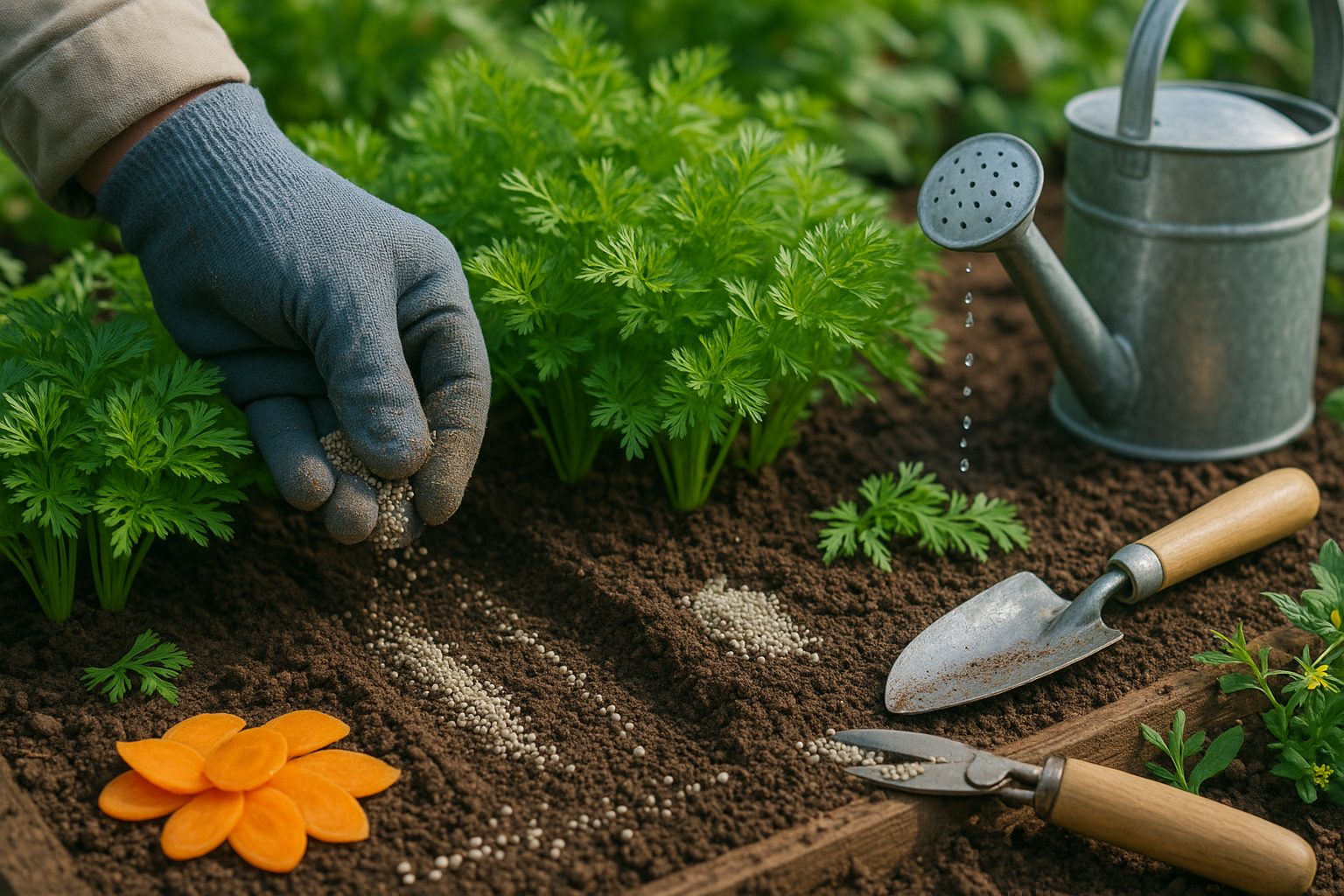
When using homemade carrot fertilizer, timing is key to ensuring your carrots grow strong and healthy. Start by preparing your garden bed with the fertilizer before planting; this enriches the soil and provides essential nutrients right from the start. Mix your homemade carrot fertilizer into the top several inches of soil about a week before sowing the seeds.
As your carrot seedlings begin to grow, support their progress with another feeding. Consider top dressing or side-dressing by lightly scattering the fertilizer alongside the rows, keeping it a few inches away from the tender stems. Gently work it into the soil so the nutrients reach the roots without burning them.
After thinning your crops—usually when seedlings are a couple of inches tall—apply a light dose of fertilizer to help the remaining carrots recover from shock and boost their growth. Liquid feeding, such as watering with diluted compost tea, can also be effective throughout the season, especially if your soil dries out or your crop seems to need a boost.
However, it’s important not to overdo it with homemade carrot fertilizer. Too much fertilizer can stunt root growth or cause forked, hairy carrots—signs of excess nutrients, particularly nitrogen. If your carrot tops look unusually lush and dark green while the roots remain small or misshapen, you may be overfertilizing. Always stick to modest, measured applications, and err on the side of less rather than more.
With careful timing and the right application techniques, you’ll nurture a bumper crop of sweet, crisp carrots from your own backyard.
Do’s and Don’ts of Homemade Fertilizer Use
When making and using homemade carrot fertilizer, a few simple do’s and don’ts can make a big difference for your harvest. Do mix your fertilizer ingredients thoroughly and start by applying sparingly—it’s easier to add more than to fix an overdose, which can burn tender carrot roots. Always let materials like compost or manure age properly before use; raw manure is too rich and can introduce weed seeds or pathogens.
Avoid using salty kitchen scraps, such as pickled vegetables or excessive eggshells, in your blend, as high salt content can stunt carrot growth. If possible, test your soil and balance your recipe to provide moderate amounts of nitrogen, phosphorus, and especially potassium, which helps produce crisp, sweet carrots.
For container-grown carrots, fertilize lightly and more often, since nutrients wash out of pots quickly—consider a diluted liquid feed every 2-4 weeks. In garden beds, work homemade carrot fertilizer into the top few inches of soil before sowing seeds, and side-dress once during the growing season.
Finally, always water well after applying fertilizer to avoid concentrated pockets of nutrients. With these simple habits and a little observation, you’ll give your carrots the safe, steady nutrition they need to thrive.
“`html
Troubleshooting: Common Problems and Fixes
Carrots can be surprisingly sensitive to both nutrient shortages and excesses, each leaving telltale clues in your crop. Yellowing leaves usually signal a nitrogen deficiency, often resulting in weak growth and pale tops. Remedy this by adding a homemade carrot fertilizer rich in composted grass clippings or alfalfa tea, both naturally high in nitrogen.
If leaves darken or show purple tints, your carrots might lack phosphorus—try working in bone meal or a cooled bat guano tea to support strong root development.
When carrot roots grow forked, stunted, or develop odd lumps, too much fresh manure or high-nitrogen fertilizer is usually the culprit; switch to well-rotted compost and cut back on high-nitrogen amendments to restore balance.
Cracking, on the other hand, is often a sign of irregular watering or excessive potassium—fish emulsion or wood ash should only be used sparingly, and it’s wise to maintain steady soil moisture.
If your carrots taste bitter or “soapy,” over-fertilization could be washing out their natural sugars. In this case, reduce how often you apply fertilizer and opt for lighter, balanced feeds like compost tea.
In all cases, adjust your homemade carrot fertilizer recipe according to the specific signs your plants show: dilute your mixtures for sensitive plants or after a flush of fast growth, and always let the soil dry a bit before reapplying. Regular observation and modest fine-tuning can help ensure your carrots grow sweet, straight, and healthy all season long.
“`
Conclusion
Homemade carrot fertilizer offers a simple, budget-friendly way to promote healthy carrot growth while avoiding unnecessary chemicals. By using kitchen scraps, compost, or natural mineral amendments, you can provide your carrots with exactly what they need—from strong root development to enhanced sweetness and vibrant color. One of the best parts about making your own fertilizer is the freedom to personalize recipes based on what works best in your garden. Don’t hesitate to experiment with different combinations or adjust ingredient amounts to find your garden’s sweet spot. As you try various homemade carrot fertilizer methods, be sure to monitor your plants’ responses and make adjustments as needed for the best results. Feel free to share your success stories, ask questions, or offer tips in the comments below—your feedback helps build a supportive community of fellow carrot growers!