Introduction
When planning your vegetable garden, you might wonder about carrot support needs, especially if you’re familiar with trellising popular plants like tomatoes, peas, or cucumbers. Trellising is a common gardening technique, often essential for climbing or sprawling vegetables that require vertical support to thrive and produce healthy fruit. However, carrots—unlike these vining veggies—grow entirely underground, developing their edible roots deep in well-worked soil rather than above it.
This unique growth habit means that traditional trellises or supports aren’t necessary for carrots. But while you can skip the chicken wire and stakes, carrots do benefit from certain forms of support and attentive care. From choosing the right soil structure to thinning young seedlings, some small interventions can significantly impact your carrot crop’s success.
In this article, we’ll explore why carrots don’t require typical garden trellises and share practical tips to help your carrots grow straight, sweet, and strong. Whether you’re a first-time gardener or a seasoned pro, understanding what kind of support carrots truly need will set you up for a successful harvest season.
Carrot Support Needs Explained

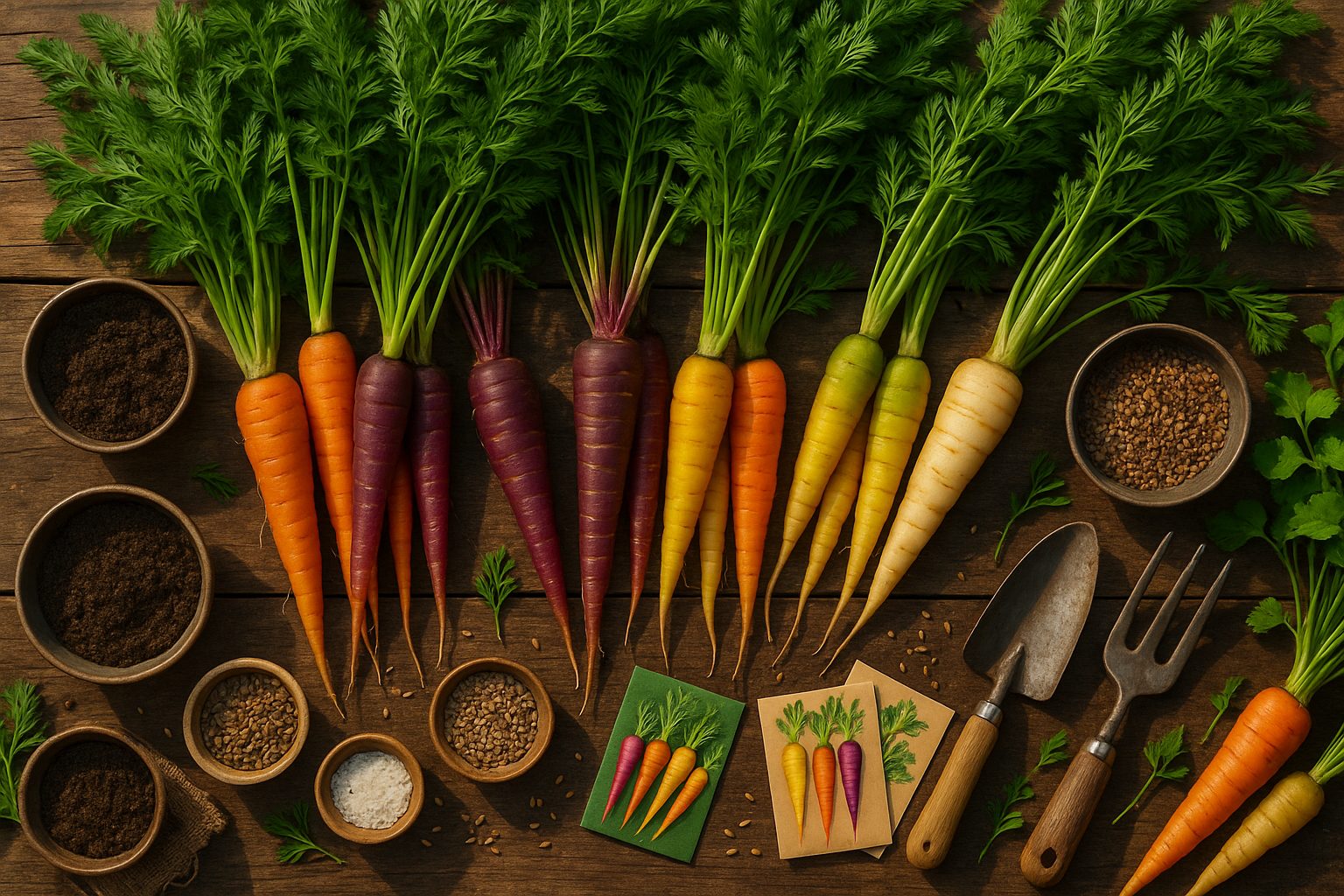
Carrots are fascinating root vegetables that do most of their growing underground. When you plant a carrot seed, it quickly sends down a slender taproot that thickens and lengthens throughout the growing season, eventually becoming the crisp, orange (or sometimes purple, yellow, or white) vegetable we harvest. Above ground, carrots develop a cluster of delicate, feathery green leaves that photosynthesize and support root development.
These leafy tops usually stay upright or gently fan out, rarely growing tall or heavy enough to flop over significantly. The real work happens beneath the soil: the carrot stores nutrients and water in its root, which also acts as a stable anchor. This unique structure explains why carrot support needs are so minimal—unlike climbing plants such as tomatoes, peas, or cucumbers, which require staking or trellising to stay upright, carrots remain firmly in place thanks to their underground root system.
Some gardeners, especially those new to root vegetables, might assume all plants need some form of support to avoid collapse. However, root crops like carrots, beets, and radishes are naturally self-supporting. If you notice carrot leaves toppling, it’s more likely due to crowded planting or overly rich, nitrogen-heavy soil leading to lush but weak foliage—not a need for structural support.
Instead of focusing on trellising, successful carrot growers prioritize deep, loose soil to encourage the healthiest roots possible, letting the plant’s natural growth habits do the rest.
Why Trellising Isn’t Needed for Carrots
Carrots are unique among garden vegetables because they thrive without any trellising or external support. Unlike vining crops such as peas, beans, or cucumbers that rely on trellises to climb and maximize airflow and sun exposure, carrots are root vegetables that develop underground. Their growth is naturally vertical, with the taproot pushing down into loose, well-drained soil, absorbing nutrients and water as they mature.
The green, feathery foliage above the soil is lightweight and self-supporting, rarely growing taller than a foot. Because of this, there’s no significant risk of the tops sagging or falling over. In fact, adding a trellis or support can actually hinder healthy root development. The real focus for carrot support needs should be on preparing soft soil and maintaining consistent watering.
Some beginner gardeners may notice carrot greens flop a bit after heavy rain or wind and mistakenly think they need support. However, this is a normal and temporary response. Unlike tomatoes, which may collapse under the weight of their fruit, or pole beans that require structures to climb, carrot foliage easily handles typical garden conditions without assistance.
Even in crowded plantings, carrot tops brace against each other, and slight leaning doesn’t harm the roots below. The best way to address your carrot support needs involves soil preparation, thinning seedlings to prevent overcrowding, and ensuring adequate watering—not building trellises or staking the tops.
So rest assured: when it comes to structure, your carrots are far more self-sufficient than you might think!
Alternative Support: What Carrots Actually Need
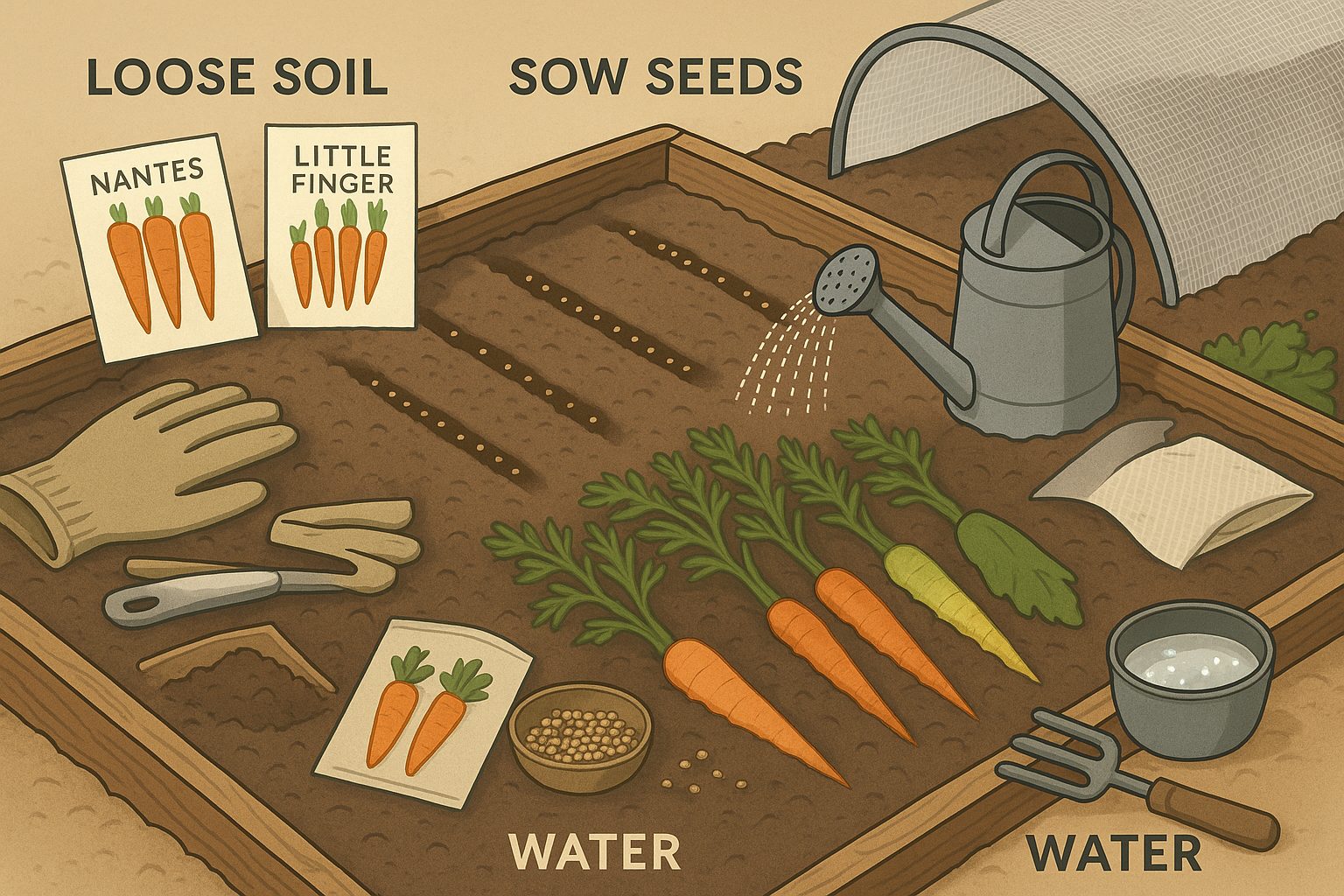
While it might be amusing to picture carrots climbing trellises or needing stakes like tomatoes, carrot support needs actually lie beneath the soil’s surface. Carrots grow best in loose, deep, well-draining soil—compact or rocky ground causes them to twist, fork, or become stubby. Before planting, loosen your soil to at least a foot deep, breaking up clumps and removing stones. Raised beds or containers are great alternatives if your garden soil is too dense. Good drainage helps prevent rot and deters pests like root maggots, so consider amending heavy clay soil with compost or coarse sand.
Beyond soil preparation, mulching provides another layer of support for carrots. A 2-inch layer of straw or shredded leaves keeps the soil consistently moist, which is essential for growing straight roots. Mulch also suppresses weeds that would compete with your carrot seedlings for space and nutrients. Just be sure to mulch only after the carrots have sprouted, or you risk hindering germination.
Thinning and proper spacing complete the care your carrots need. Once seedlings reach about two inches tall, thin them so each plant stands 2–3 inches apart. Overcrowded carrots jostle for room, leading to misshapen or stunted roots. If you hesitate to remove seedlings, try snipping extras at soil level instead of pulling them out, which can disturb nearby roots.
These simple acts of care pay off with healthy, straight carrots that are less prone to disease and won’t grow “legs.” Avoid using fresh manure or over-fertilizing with nitrogen, as this can also cause forking. Water deeply during dry spells, but avoid flooding. By focusing on these underground forms of support, you’ll help your carrots develop strong, healthy roots ready for harvest—no trellis required.
Companion Planting and Natural Supports
Companion planting is a time-tested gardening strategy that provides your carrots with subtle support without the need for stakes or trellises. While carrots don’t require physical structures for upright growth, their true carrot support needs focus on maintaining a healthy, pest-resistant environment. Interplanting carrots with crops like onions, leeks, or garlic is highly effective—these allium family members naturally repel common carrot pests such as carrot fly, thanks to their strong scent that masks the aroma of carrot greens.
Pairing carrots with feathery herbs like dill or cilantro also works wonders; these herbs attract beneficial insects like ladybugs and hoverflies, which feed on carrot pests and help keep populations in check. Planting bushy companions like lettuce creates dappled shade, preventing carrot tops from overheating or drying out in strong sun, while the extra foliage helps maintain consistent soil moisture—a small but meaningful support for root development.
On the other hand, it’s best to avoid planting carrots near crops that aggressively compete for soil nutrients or space, such as parsnips or other root-heavy vegetables, as they may stunt carrot growth or cause malformed roots. Instead, try the classic carrot-and-radish combo: radishes sprout quickly and mark the carrot rows, loosening the soil as they grow and improving aeration for the carrots.
By thoughtfully integrating companion plants, you provide carrots with the carrot support needs they truly require: natural protection, improved soil conditions, and a thriving, balanced microclimate that promotes healthy, vibrant roots.
Common Mistakes: Over-Tending Carrots
One of the most common mistakes new gardeners make is assuming that carrots, like tomatoes or beans, have special carrot support needs—extra structures, constant attention, or elaborate trellises. In reality, carrots are refreshingly low-maintenance root vegetables. Over-tending can actually do more harm than good: for example, compacting the soil by fussing around them or disturbing the roots by repeatedly checking their progress.
Some gardeners even go as far as staking or caging their carrots, but this isn’t just unnecessary—it can stifle healthy growth. The real needs of carrots are simple: loose, well-draining soil, steady watering, occasional thinning, and plenty of sunshine. Once you’ve prepared the soil and sown seeds at the right depth, resist the urge to micromanage. Let the carrots do their thing underground.
A hands-off approach allows their roots to grow straight and strong, reducing the risk of misshapen or stunted crops. If pests are a concern, simple row covers work better than complicated setups. Embrace the easy-going nature of carrots: less is truly more with these veggies, saving you both time and effort while delivering a rewarding harvest.
Conclusion & Quick Tips
Carrots don’t need trellising because their carrot support needs are completely different from those of climbing or vining plants. While carrot roots grow downward into the soil, their leafy tops are naturally sturdy and rarely flop without cause. In fact, adding a trellis can crowd their growth and even cause damage by disrupting the roots’ vital development underground.
Rather than focusing on traditional support, the best way to help your carrots thrive is by creating optimal soil and environmental conditions. Start with loose, well-draining soil that’s free of rocks and compacted layers—this allows carrots to grow deep and straight. Water deeply but avoid soggy soil; carrots prefer consistent moisture without wet feet. Thin seedlings early to give roots room to mature, and mulch the tops to keep soil cool and suppress weeds.
For easy carrot success, remember these simple tips:
- Sift your soil to remove rocks and clumps before planting.
- Mind your spacing by thinning seedlings to about two inches apart.
- Keep it moist, not soaked with regular, even watering.
With these straightforward practices, your carrot patch will stay healthy—no trellis needed!