Introduction to Vegetable Life Cycles
Are carrots perennial? It’s a question many new—and even seasoned—gardeners have wondered while planning their vegetable patches. To get to the root of this, it’s important first to understand some basic plant life cycles: annual, biennial, and perennial vegetables.
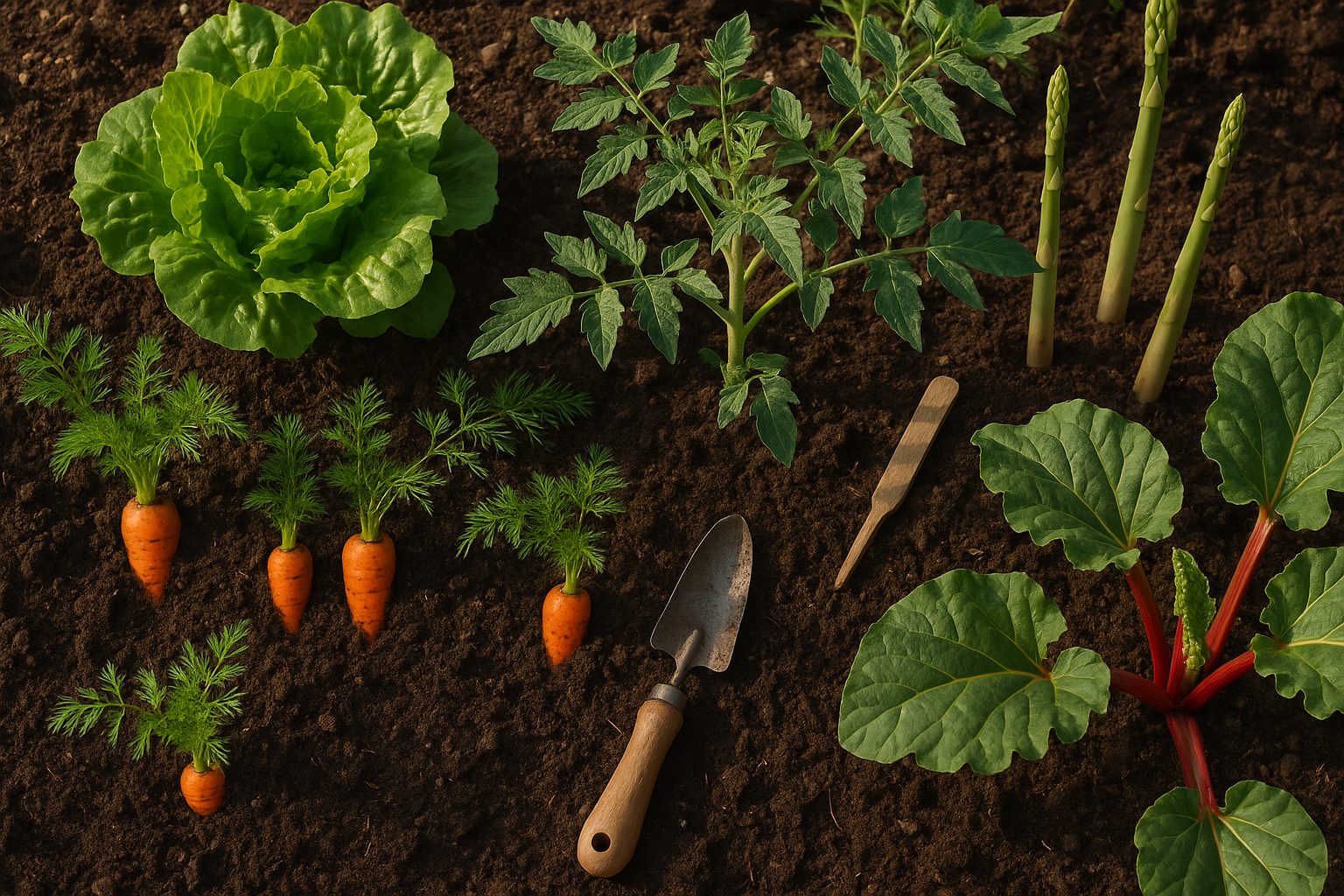
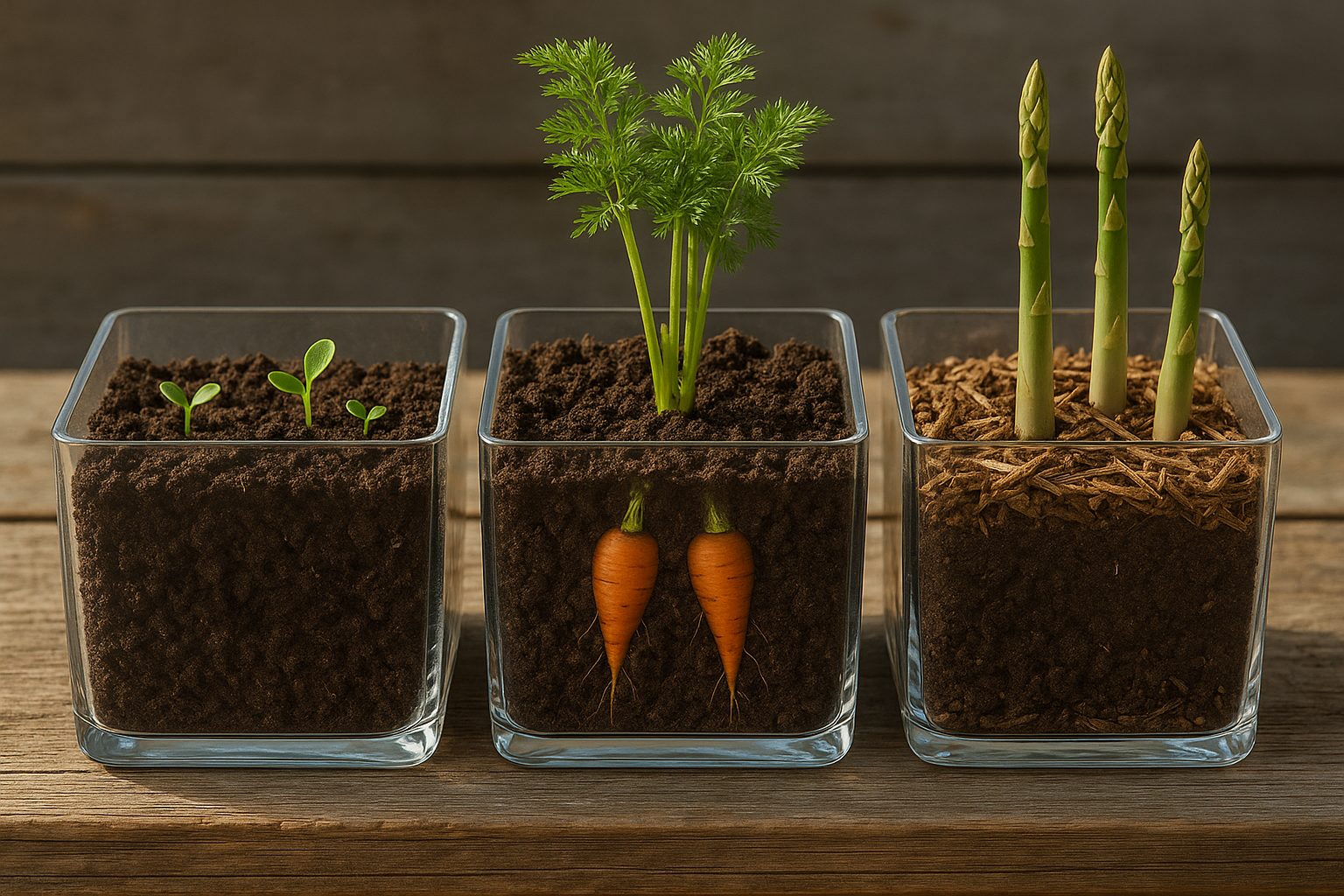
Annuals, like lettuce or beans, complete their life cycle—from seed to flower, then seed again—in just one year before dying. Biennials, such as carrots and beets, take two years: they usually grow leaves and store food in their roots during the first year, then flower and produce seeds in the second year before dying. Perennial vegetables, like asparagus or rhubarb, live for several years, producing new growth each season without needing to be replanted.
Why does this matter? Knowing a plant’s life cycle can make a real difference for gardeners and food growers. If you understand whether a vegetable will return year after year or if it needs to be replanted every season, you can plan your garden more efficiently, save time and money, and maximize your harvests. For example, perennials can offer reliable yields with less effort, while annuals may need more attention but let you change up your crops each year.
Carrots are often thought of as a staple in home gardens, but despite some confusion, they are not strictly perennial. They’re biennials, grown for their sweet, crunchy roots, which we typically harvest in the first year—long before the plant ever has a chance to flower or set seeds. Alongside carrots, many gardens also feature annuals like tomatoes and beans, and perennials such as chives or artichokes.
Understanding these differences can help you decide which plants best fit your gardening goals, save space, and ensure a productive vegetable plot season after season.
Annual vs. Biennial vs. Perennial Vegetables: What’s the Difference?
Understanding the differences between annual, biennial, and perennial vegetables can help you plan your garden with confidence.
Annual vegetables, like tomatoes and lettuce, complete their entire lifecycle in just one growing season—meaning you plant them, harvest them, and then need to replant next year.
Biennials, such as carrots, beets, and onions, take two years to finish their lifecycle: in the first year, they grow leaves, roots, and stems, but they flower and set seed only in the second year before dying. This means you harvest crops like carrots at the end of their first year, before they send up a flowering stalk in their second year.
Perennial vegetables, on the other hand, like asparagus, rhubarb, and artichoke, can keep producing for several years from a single planting—they go dormant in the winter and resprout in the spring. This reduces the need for replanting each season and is a time-saver for gardeners who want recurring harvests.
Quick Reference
- Annuals: tomatoes, lettuce, beans, peppers.
- Biennials: carrots, onions, leeks, parsley.
- Perennials: asparagus, rhubarb, artichokes, sorrel.
There’s also a category known as “tender perennials”—plants that are technically perennial in warm climates but often grown as annuals in places with frost. Peppers, eggplants, and sweet potatoes fit this bill; they can survive outdoors for years in the tropics but need to be replanted every year in colder zones.
This fluidity in classification often depends on where you live: a plant can be perennial in one climate and annual in another. When choosing what to grow, keep your climate and gardening goals in mind—while annuals and biennials require regular replanting, perennials and tender perennials can deliver years of produce with just a bit of care and protection.
How Carrots Grow: A Closer Look at a Biennial Vegetable
Carrots are fascinating because they’re biennial, meaning they grow over two years to complete their life cycle.
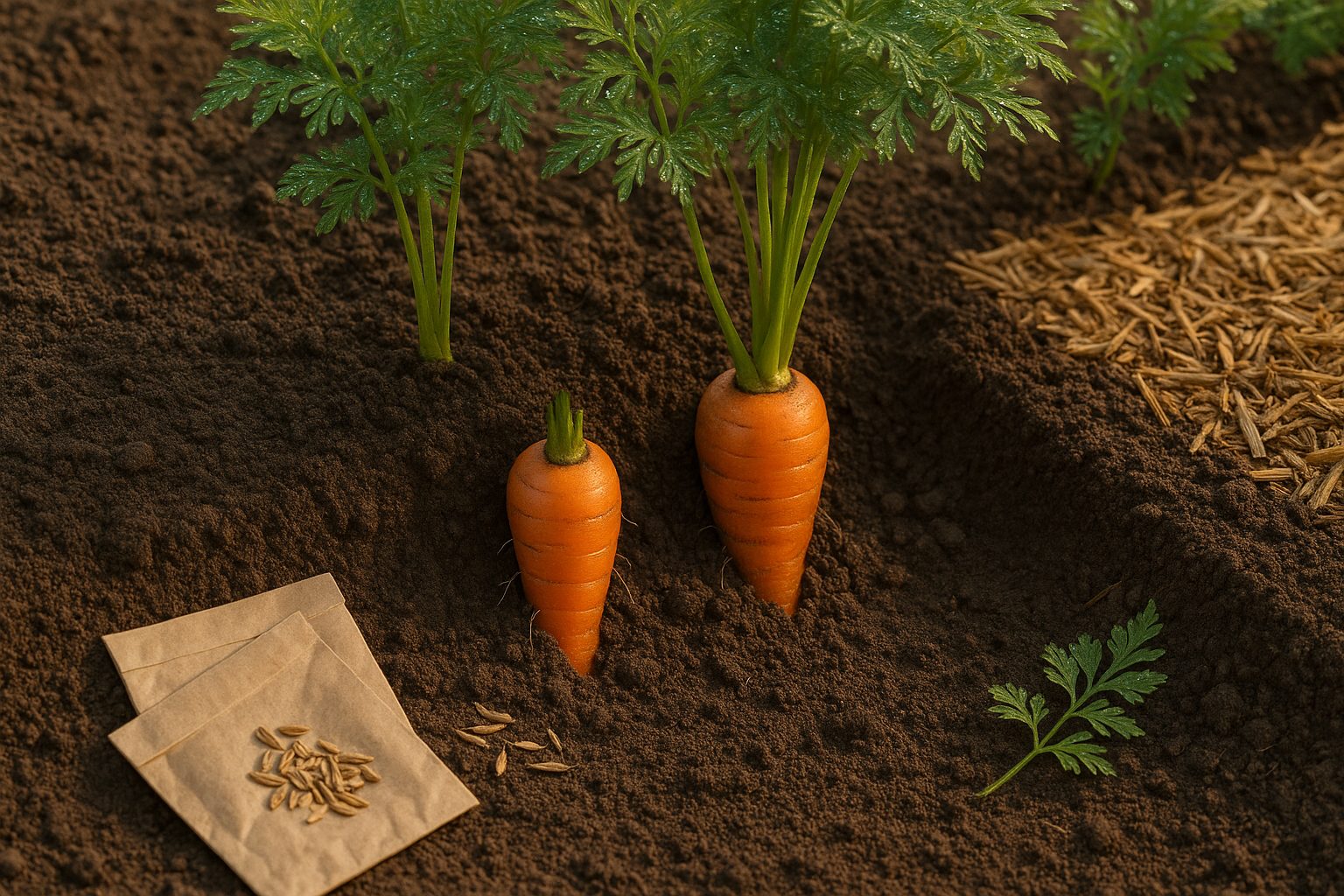
In the first year, the magic starts when you plant the tiny, dust-like seeds directly into loose, well-drained soil. After about one to three weeks—depending on soil temperature and moisture—wispy green seedlings pop up. As the plants grow, their signature fern-like leaves develop above ground, while the orange root (the part we eat) slowly thickens and stores food underground.
Good soil is key here: carrots need loose dirt free of rocks or clumps so their roots can grow straight without twisting or splitting. Consistent moisture helps them form sweet, crunchy roots, but watch you don’t overwater, as soggy soil can cause rot. Mulch can help keep the ground cool and retain moisture during the hottest weeks.
Carrots reach full, harvestable size usually within two to four months of sowing, depending on the variety. If left unharvested into the second year, carrots switch gears: the stored energy in the root fuels new leafy tops, and soon tall stalks appear with lacy white flowers.
This flowering phase is all about seed production—after pollination, the plant’s energy goes into making seeds that drop to the soil, ready to start the process again. If you’re growing carrots for eating, year one is the time to harvest for the sweetest roots; if you want seeds for your next crop, leave some in the ground for that second-year show.
Throughout both years, carrots thrive in at least six hours of sunlight daily, steady but not excessive watering, and protection from competitive weeds. Thinning seedlings early—spacing each plant about two inches apart—ensures there’s room underground for nice, fat roots to form.
By understanding each phase and giving carrots the right environment, you’ll enjoy crisp and tasty harvests season after season.
“`html
Biennial and Perennial Vegetables You Might Not Know About
Beyond the well-known carrots, there’s a world of lesser-known biennial and perennial vegetables that can add variety and resilience to your garden.
Sea kale (Crambe maritima), for example, is a perennial leafy green with thick, cabbage-like leaves that tolerate salty or poor soils—simply mulch in the fall and cut young shoots in spring for a delicious asparagus-like treat.
Good King Henry (Blitum bonus-henricus), another perennial green, produces spinach-like leaves and tender asparagus-flavored shoots; it thrives in partial shade with rich, moist soil and minimal fuss.
Among alliums, Egyptian walking onions are a hardy perennial that not only provide year-round green shoots but also produce small bulbs at the top of their stalks, which can be harvested or left to self-seed and “walk” across your garden.
For tubers, consider Jerusalem artichokes (sunchokes), which are related to sunflowers and produce edible, knobbly underground tubers perfect for roasting—just plant them in a sunny spot and watch them spread, though containing their rapid growth is wise.
Skirret (Sium sisarum), a lesser-known perennial, yields sweet, slender white roots; simply plant in loose, well-drained soil and harvest after the second year for the best flavor.
If you’re interested in edible shoots, try hostas—common ornamental plants with spring shoots (known as “hostons”) that are tender and tasty when sautéed, provided you avoid any that have been treated with pesticides.
Growing these lesser-known vegetables means less replanting each season, attracting pollinators, and having resilient, low-maintenance crops that often outlast annuals in challenging weather. Plus, their quirky flavors and looks make them great conversation starters and unique additions to both your plate and your landscape.
Integrate a few of these plants for a garden that’s both productive and off the beaten path.
“`
Practical Gardening Tips: Mixing Annuals, Biennials, and Perennials
Blending annuals, biennials, and perennials in your garden can transform the space into a steady source of food and beauty all year long, but it takes a bit of planning.
Start by mapping out your beds with a clear understanding of each plant’s lifecycle:
- Annuals like lettuce and tomatoes grow quickly and yield in one season, so place them where you can easily rotate crops next year to prevent soil depletion and pest build-up.
- Biennials, such as carrots and onions, need two seasons to complete their growth. Group them where their longer residency won’t disrupt rotating schedules.
- Perennials—including asparagus, rhubarb, and some herbs—should be planted at garden edges or in permanent beds since they’ll return for years. This minimizes replanting and provides early or late-season harvests.
Take advantage of companion planting by pairing crops with complementary needs—planting basil among tomatoes can improve growth and flavor, while placing shallow-rooted annuals near deeper-rooted perennials maximizes soil use.
Staggering plant varieties with overlapping growth periods ensures your garden produces food throughout spring, summer, and fall instead of all at once. This makes mealtime more interesting and lessens waste.
The result is a resilient garden ecosystem: with a mix of plant types, pests and diseases are less likely to devastate your harvest, and soil health stays richer thanks to a variety of root structures and nutrient demands.
For added space efficiency, consider vertical structures for climbing annuals like beans, or train compact perennials along the fence line.
Refresh your beds each season with compost and mulch to keep perennials happy and give annuals a healthy start.
If you’re just starting out, try dedicating one bed to annual rotation, another to biennials, and a third to perennials—then experiment with mixing them as your confidence grows.
This thoughtful approach means less replanting, more continuous yields, and a thriving garden that’s both productive and sustainable.
Common Challenges: Pests, Diseases, and Growing Problems
Growing carrots and similar root vegetables can be surprisingly tricky, with several common challenges threatening your harvest. Pests like carrot flies and aphids are notorious, often making their move early in the growing season. These insects lay eggs near young shoots, and their larvae burrow into roots, causing misshapen, bitter, or rotting crops.
To prevent this, consider using row covers right after planting and practice crop rotation to confuse pests. Natural repellents such as sprinkling crushed eggshells or dried herbs like rosemary around the base can also help.
Diseases such as powdery mildew or leaf blight may cause yellowing or stunted leaves. Keep beds well-spaced and water at the soil level to reduce humidity and disease spread. If you spot diseased foliage, remove it promptly and avoid overhead watering to minimize mold.
Sometimes, poor growth results from overcrowding—thin seedlings when they’re two to three inches tall, spacing remaining plants at least two inches apart to give roots room to expand. Misshapen or forked carrots often indicate rocky or compacted soil, so be sure to loosen and amend the beds before planting.
If roots develop rot or plants wilt, check for drainage issues; pulling affected plants quickly can prevent disease from spreading. For persistent problems, replanting in a fresh, well-prepared section of the garden is the best course.
Regularly monitor your vegetables, rotate where you grow each season, and promptly address any issues for a healthy, robust crop. With a proactive approach—covering beds, thinning wisely, and practicing good garden hygiene—you’ll give your carrots and similar veggies the best chance to thrive.
Harvesting, Storing, and Saving Seeds
The best time to harvest carrots is when they reach their mature size, usually in late summer or early fall, about 60 to 80 days after sowing. Look for vibrant tops peeking just above the soil, and gently loosen the earth with a garden fork before pulling by hand to avoid damaging the roots.
If you’re in a climate with mild autumns, leaving carrots in the ground a bit longer can actually improve their sweetness, as cool weather converts starches to sugars. After harvesting, brush off excess soil but avoid washing them if you plan to store them for more than a week—moisture can cause rot.
For longer-term storage, carrots and other root vegetables like beets and parsnips do well in a refrigerator crisper or a root cellar. Store them in perforated bags or containers filled with damp sand or sawdust to maintain humidity and prevent shriveling. Make sure to remove carrot tops before storage, since the green tops draw moisture and nutrients from the roots, leading to limp, less tasty carrots.
Saving Seeds
Carrots are biennials, meaning they only flower and set seed in their second year. To collect seeds, leave a few of your best carrots in the ground over winter (or transplant them in early spring if winters are harsh). The following season, these carrots will send up tall stalks crowned with lacy white flower heads.
Once the flowers dry and turn brown, snip them off and rub them gently to release the tiny seeds. Store seeds in a cool, dry place in labeled envelopes or glass jars. Saving your own carrot seeds not only saves money but also helps build resilience in your garden, giving you varieties well-suited to your local growing conditions.
Conclusion: Planning Your Productive, Knowledgeable Garden
Understanding the life cycles of vegetables is a game-changer for any gardener, whether you’re just starting out or looking to level up your harvest. Annuals, like lettuce and tomatoes, grow quickly and provide fast rewards but need to be replanted every year. Biennials, such as carrots and onions, take two seasons to mature fully, rewarding your patience with richer flavors and higher yields in the second year. Perennials, like asparagus and rhubarb, come back year after year with little effort, offering reliable crops for seasons to come.
By mixing all three types in your garden, you’ll enjoy not only a longer and more diverse harvest but also a garden that requires less effort over time. Don’t be afraid to try unfamiliar varieties—experimenting with new vegetables can teach you valuable lessons, keep gardening exciting, and might just win you some unexpected favorites.
As you plan this season’s plantings, take a moment to research what works best in your climate, and be bold in your choices. Embrace the adventure of growing something new; your garden—and your table—will be all the richer for it!