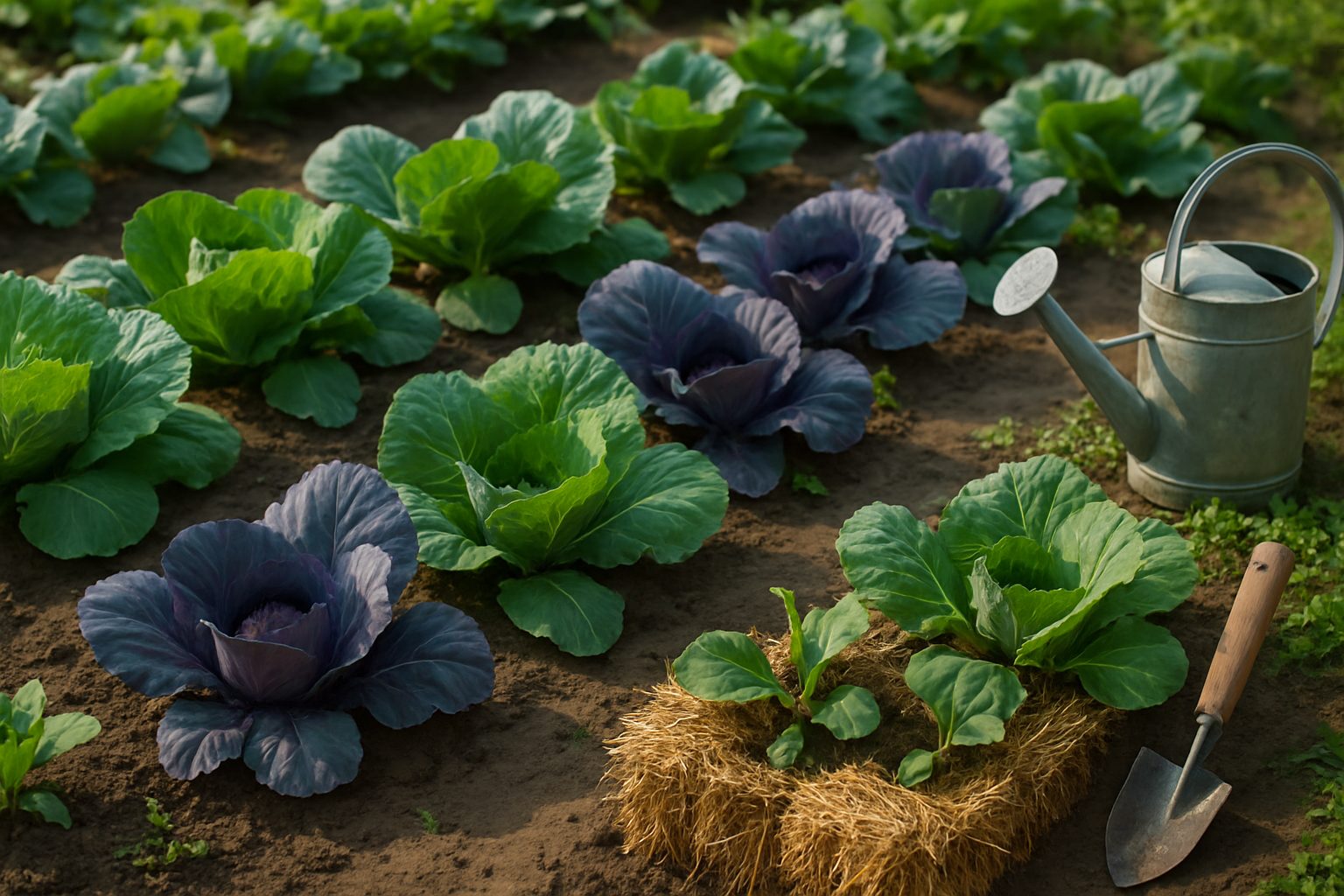
Introduction to Growing Cabbage
Sunlight is one of the most important factors for a successful cabbage harvest. Cabbage is a versatile and nutritious vegetable that has become a staple in home gardens worldwide. Whether you’re growing classic green cabbage, vibrant red varieties, or unique heirloom types, each has its own specific needs—especially regarding sunlight and climate. In this article, we’ll help you determine exactly how much sun your cabbage requires and when some shade can be beneficial. We’ll also cover the basics of planting cabbage, best care practices, and how to identify and address common issues like pests and diseases. Finally, you’ll get straightforward tips for harvesting crisp, flavorful heads. If you want to make the most of your garden and grow the healthiest cabbages possible, keep reading for practical, real-world advice.
Sunlight and Growing Healthy Cabbage
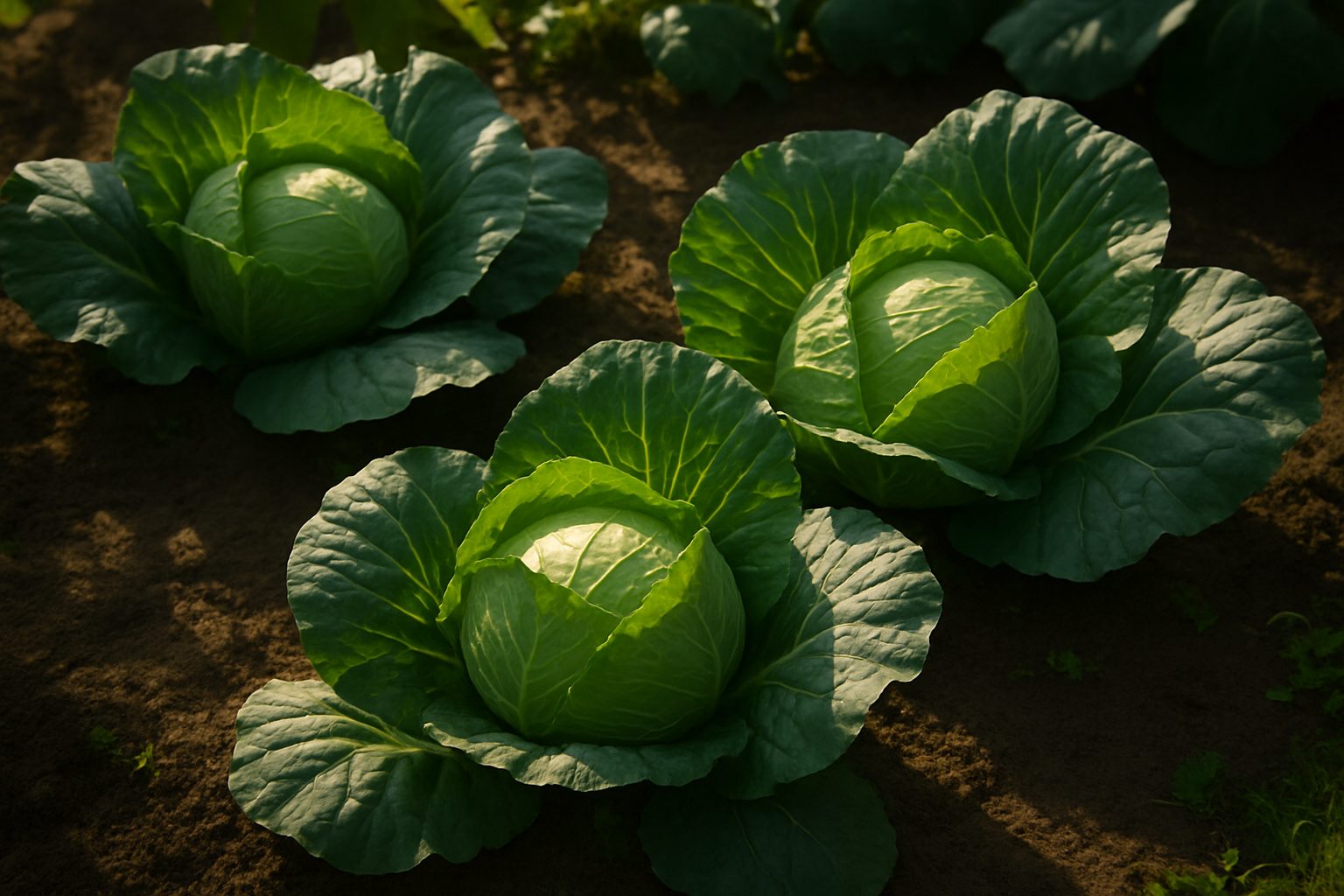
Sunlight plays a pivotal role in growing healthy, robust cabbage plants. For optimal growth, cabbage needs at least six hours of direct sunlight every day, though eight to ten hours is ideal for the best head formation and flavor development. Sunlight fuels photosynthesis, which allows cabbage to build strong leaves and dense, flavorful heads. Shaded plants tend to become leggy, weak, and may bolt prematurely or form loose, undersized heads.
Outdoor gardens typically provide ample sunlight if you plant cabbage in a spot that isn’t blocked by trees, fences, or buildings. Observe your plot throughout the day to pick the sunniest area.
If you’re growing cabbage indoors, use a south-facing window or supplement with a full-spectrum grow light kit to mimic natural daylight and ensure even exposure.
Too little light leads to slow growth, pale leaves, and bland flavor, while too much, especially in hot climates, can stress the plant and cause wilting. To prevent issues, monitor your plants for signs of light stress—such as yellowing leaves from insufficient light or scorched edges from excessive sun—and adjust their placement accordingly.
Rotating containers and spacing plants properly also helps distribute light evenly, encouraging consistent growth.
Thinking carefully about sunlight not only boosts yield but also ensures your homegrown cabbage is crisp, sweet, and rewarding to harvest.
Choosing the Right Cabbage for Your Garden
When picking the right cabbage for your garden, it’s important to know that not all varieties thrive under the same conditions. Common options like ‘Green Express’ and ‘Golden Acre’ are compact, making them ideal for small gardens and raised beds. They enjoy full sun with cool temperatures, which makes them great choices for northern climates.
‘Savoy’ cabbages offer richly textured leaves and more cold tolerance—perfect if your area experiences late frosts. If you’re in a warmer region, consider heat-resistant varieties like ‘Charleston Wakefield,’ which can handle more sun and higher temperatures.
It’s also essential to think about your available space: smaller, fast-maturing varieties work better for container gardens, while traditional ‘Drumhead’ types need more room to spread out. If you’re curious about wild cabbage, keep in mind they are often more resilient to pests but can be tougher and less predictable in taste and growth. They’re usually better suited for naturalized spaces than tidy kitchen gardens.
Always check with your local garden center or cooperative extension for recommendations tailored to your specific zone—this will help ensure your cabbages get the sunlight and care they need for a bountiful harvest.
Planting Cabbage: Getting Started
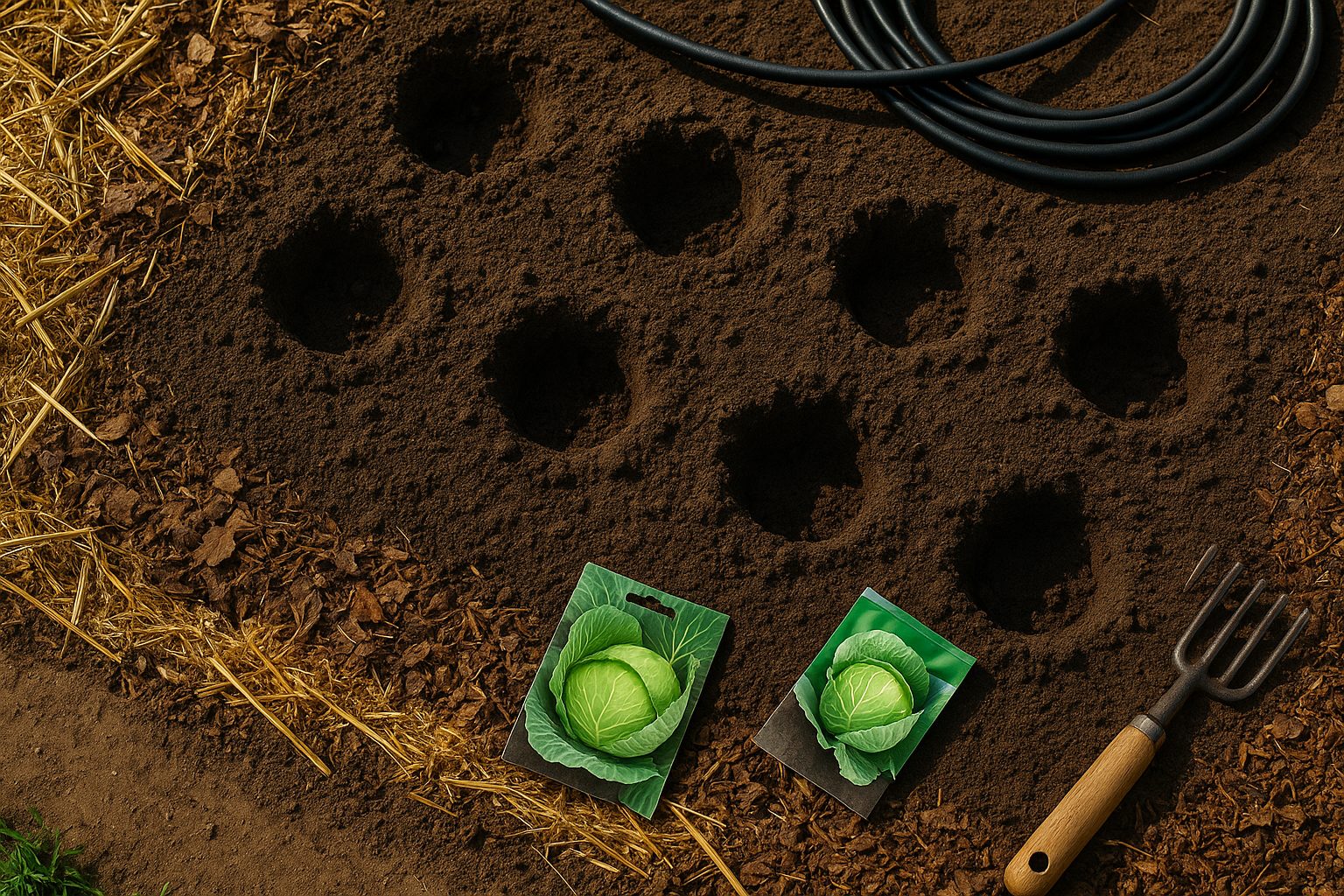
Planting cabbage starts with choosing the right site and preparing the soil. Select a sunny spot that receives at least 6 hours of direct sunlight daily, as cabbage plants need plenty of light to develop full heads. Prepare the soil by mixing in compost or well-rotted manure until it has a loose, rich texture and a slightly acidic to neutral pH (6.0–7.0).
Planting Tips
If you’re direct sowing seeds, plant them about ¼ inch deep and space them 12 to 18 inches apart, with rows 24 inches apart. For transplants, dig holes big enough to fit the root ball and maintain the same spacing. Water thoroughly right after planting to help the soil settle around the plants.
Moisture and Mulching
Cabbage prefers consistent moisture, so keep the soil evenly damp but not soggy. Using drip irrigation or soaker hoses helps avoid fluctuations between wet and dry soil. Apply a 2- to 3-inch layer of mulch—such as straw or shredded leaves—around the plants to retain moisture, keep roots cool, and suppress weeds.
Fertilizing and Maintenance
- Feed your cabbage with a balanced fertilizer (like 10-10-10) when planting.
- Side-dress again when the heads begin to form.
- Avoid over-fertilizing, as this can encourage leafy growth over head development.
- Regularly inspect for pests like cabbage worms; handpick or use organic treatments when needed.
- Rotate crops each year to reduce disease risk.
- Keep the area free of weeds to ensure your cabbage receives plenty of sunlight and nutrients.
Pests and Diseases in Cabbage Growing
Cabbage growers often face a range of pests and diseases, but knowing what to look for helps you act quickly.
Cabbage Worms
Cabbage worms—small green caterpillars—chew through leaves and hide on the undersides, so check plants regularly and handpick any invaders. You can also treat with organic solutions like BT (Bacillus thuringiensis), a natural bacteria that targets caterpillars but is gentle on beneficial insects.
Common Diseases
Black Rot
Black rot shows up as yellow V-shaped lesions on leaves and spreads rapidly in humid conditions. Practice crop rotation, water early in the day to let leaves dry, and remove any infected plants promptly to prevent spreading.
Clubroot
Clubroot causes swollen, deformed roots and stunted growth. Avoid planting brassicas in the same spot each year, maintain good drainage, and lime the soil to raise the pH above 7.0 to discourage this soil-borne disease.
Sunlight Issues
Sunlight problems contribute to bolting—when cabbage sends up a flower stalk and stops forming a head—or legginess, where plants grow tall and spindly with weak stems. Both issues usually result from insufficient light or planting too early in the season.
To prevent these, start seeds under grow lights or in a bright spot indoors, and transplant only after the risk of frost has passed for compact, healthy heads.
Knowing When Your Cabbage Is Ready to Harvest
Knowing when your cabbage is ready to harvest makes all the difference in flavor and freshness. A mature cabbage head feels firm and dense when you gently squeeze it—avoid harvesting while the heads are still soft or loose, as they haven’t fully developed.
Harvesting Tips
Use a sharp knife to cut the head off at the base, leaving a few grounded outer leaves to protect it during handling and storage. Timing is important; if you leave cabbage in the ground too long, the heads may split, especially after heavy rain.
Post-Harvest Handling and Storage
Once harvested, shake off excess dirt but avoid washing, since moisture can encourage rot during storage. For the longest shelf life, place unwashed heads in perforated plastic bags and store them in a refrigerator or root cellar at temperatures between 32-40°F with high humidity. Well-stored cabbage can last for several months.
Sunlight and Growing Conditions
Sunlight exposure during the growing period impacts the taste and storage quality of cabbage. Heads that mature in cooler, partially shaded conditions tend to be sweeter and stay fresh longer than those exposed to intense summer heat, which can make cabbages more pungent and prone to quicker spoiling.
To optimize both flavor and storage, aim for consistent, moderate light and temperature throughout the growing season.