Benefits of Composting Cabbage
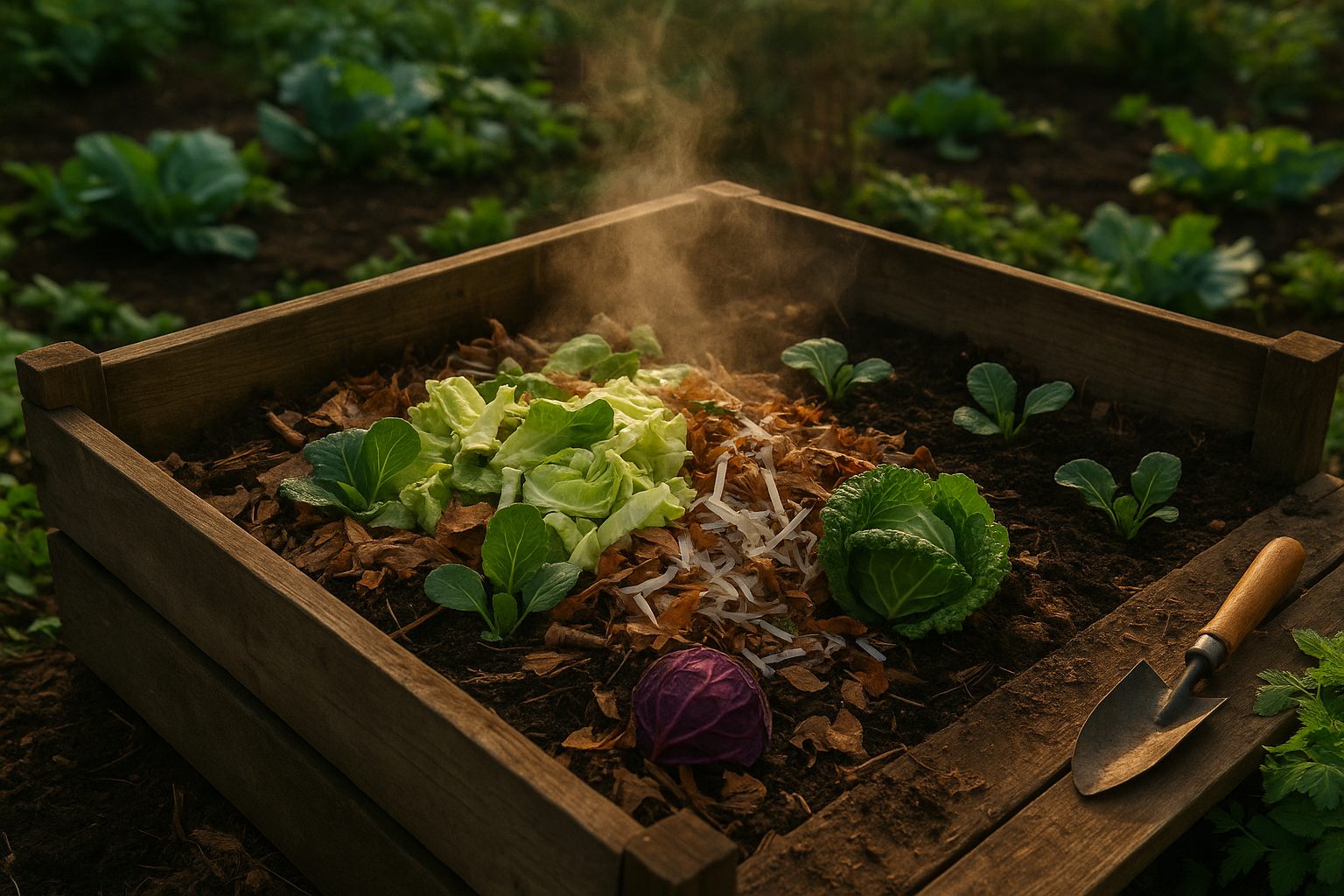
Composting cabbage is a simple yet powerful way to transform kitchen scraps into nutrient-rich soil for your garden. Cabbage, with its high nutrient content and natural moisture, breaks down easily in a compost pile, delivering vital minerals like calcium, potassium, and vitamins directly into your compost mix.
By composting cabbage, you’re not only reducing the amount of food waste sent to landfills—where it produces harmful methane gas—but you’re also making a positive impact on your garden and the environment.
Incorporating cabbage scraps into your compost helps retain moisture, which speeds up decomposition and minimizes the need for frequent watering. The resulting compost boosts soil health by improving structure, increasing beneficial microbial activity, and providing slow-release nutrients that promote stronger, healthier plants.
Over time, gardeners notice improved plant growth, brighter blooms, and increased yields thanks to this enriched soil. With these benefits, composting cabbage is an easy step toward more sustainable, eco-friendly gardening—even if you start with just a few leftover leaves from dinner.
Prepping Cabbage for the Compost Bin
Getting cabbage ready for your compost bin is simple, but it makes a big difference in how quickly it breaks down. Begin by inspecting your cabbage scraps for any spoiled, moldy, or slimy sections—remove and discard these separately, as overly rotten parts can attract pests or cause odors in your pile.
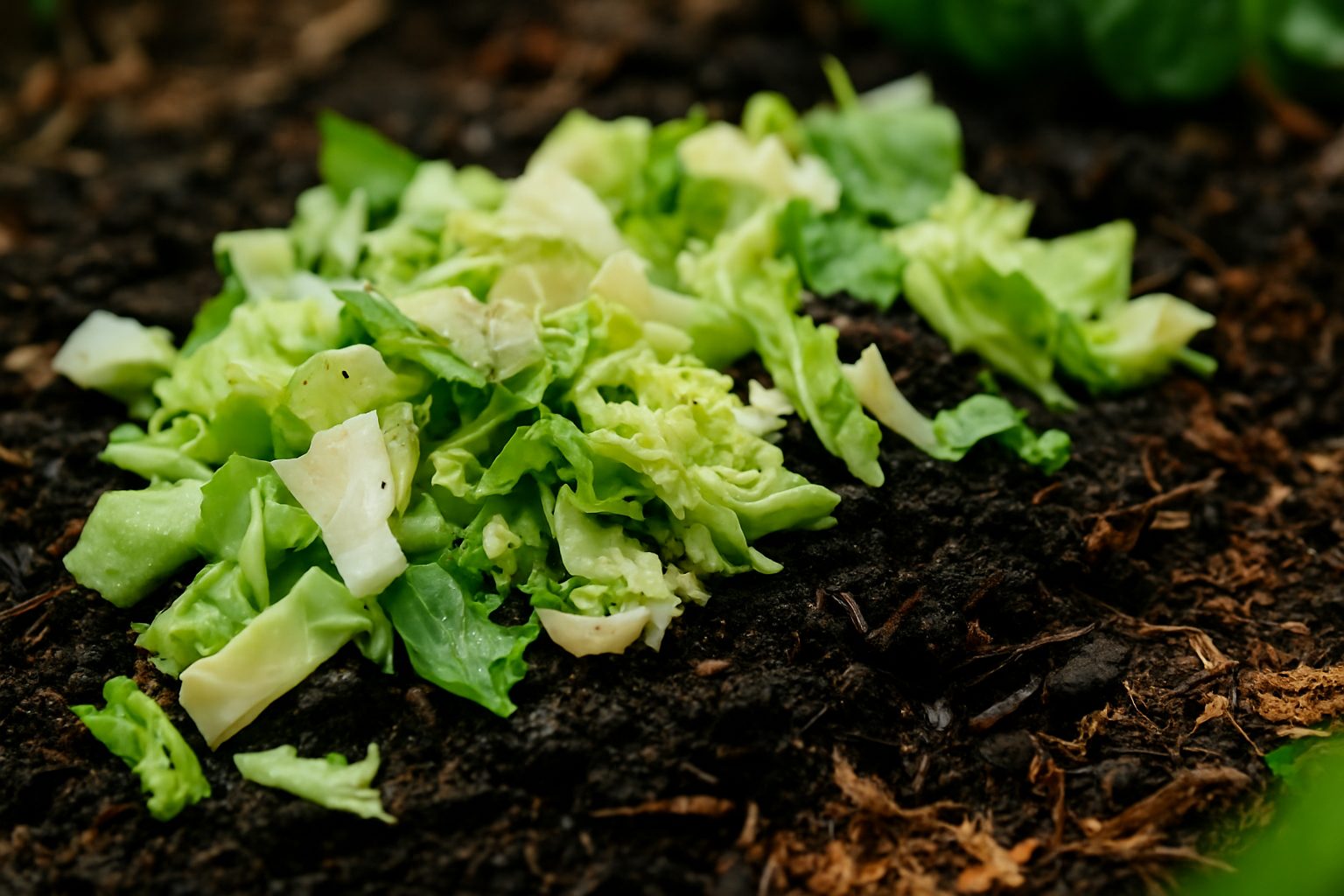
Next, chop the cabbage into smaller pieces, roughly one- to two-inch chunks. This increases the surface area and speeds up decomposition. Both raw and cooked cabbage can be composted, but keep in mind that cooked cabbage should not be heavily seasoned or contain fatty additives like butter or oil, as these can interrupt the composting process and lead to unwanted smells.
If your cabbage was grown with pesticides or other chemical residues, it’s better to avoid composting it since these substances may linger and transfer to your finished compost, potentially harming your garden. Give homegrown or store-bought cabbage a thorough rinse before composting.
By prepping your cabbage this way, you’ll help your compost decompose efficiently and create nutrient-rich soil that’s safe and healthy for your plants.
Balancing Cabbage With Other Compost Materials
When adding cabbage scraps to your compost pile, it’s important to balance them with plenty of “brown” materials to keep your compost healthy and odor-free. Cabbage, like most kitchen vegetable scraps, is considered a “green” compost material because it’s rich in nitrogen and tends to be moist.
Without enough “browns”—dry, carbon-rich items like dried leaves, straw, shredded newspaper, or cardboard—your pile can become soggy and start to smell unpleasant. To avoid these issues, aim for a rough ratio of three parts browns to one part greens by volume.
For example, if you toss in a bowl of chopped cabbage leaves, mix in three bowls of dry leaves or shredded paper. Combining cabbage with dry yard waste or old cardboard boxes is a great way to soak up excess moisture and create plenty of air pockets, which help everything break down faster and more evenly.
Turning your pile once a week and keeping it as moist as a wrung-out sponge will also prevent foul odors and keep the microbes happy. By keeping this balance in mind, you can compost cabbage confidently and get rich, crumbly compost in return.
Troubleshooting Common Composting Challenges
Composting cabbage can sometimes be tricky, especially if you encounter unpleasant odors, pests, or a pile that just isn’t breaking down. A strong, rotten smell usually means there isn’t enough air in the mix—try turning your pile every few days and fluffing it up to boost aeration.
If you spot pests like fruit flies or rodents, it often means your compost contains too many food scraps exposed on top or is too wet. Bury cabbage scraps under dry materials like leaves or shredded newspaper, and keep your pile covered to deter pests.
Slow decomposition is a common issue with dense vegetables like cabbage. Chopping it into smaller pieces will help it break down faster. Also, balancing with plenty of “brown” materials like dry leaves or cardboard creates the right carbon-to-nitrogen ratio.
Signs you’re on the right track include a mild, earthy smell, gentle warmth from the pile, and visible decomposition within a couple of weeks. If your compost is soggy, foul-smelling, or crawling with pests, make adjustments right away for better results.
Successful cabbage composting should look dark, crumbly, and smell fresh—like forest soil, not rotting vegetables.
Boosting Decomposition and Compost Quality

If you want your cabbage scraps to break down quickly and turn into rich compost, start by chopping them into small pieces—a chef’s dice works wonders for increasing surface area. Mix these bits thoroughly with other compost materials, like leaves or shredded paper, and give your pile a good stir every week; this introduces oxygen and keeps microbes active.
Heat is your friend here, so aim for a hot composting method: keep your pile at least 3 feet by 3 feet, and make sure it stays damp and warm, ideally between 130–160°F. If you’re low on space, try a worm bin—red wigglers love cabbage and speed up the process dramatically.
For balanced, garden-ready compost, mix “greens” like cabbage with plenty of “browns”—dry leaves or cardboard—to achieve the right carbon-to-nitrogen ratio. If things get too soggy or start to smell, sprinkle in more dry material and turn the pile more often. Adding a little finished compost can also jumpstart the microbes and improve texture.
With these methods, you’ll have crumbly, dark compost packed with nutrients, perfect for boosting plant growth in your garden.