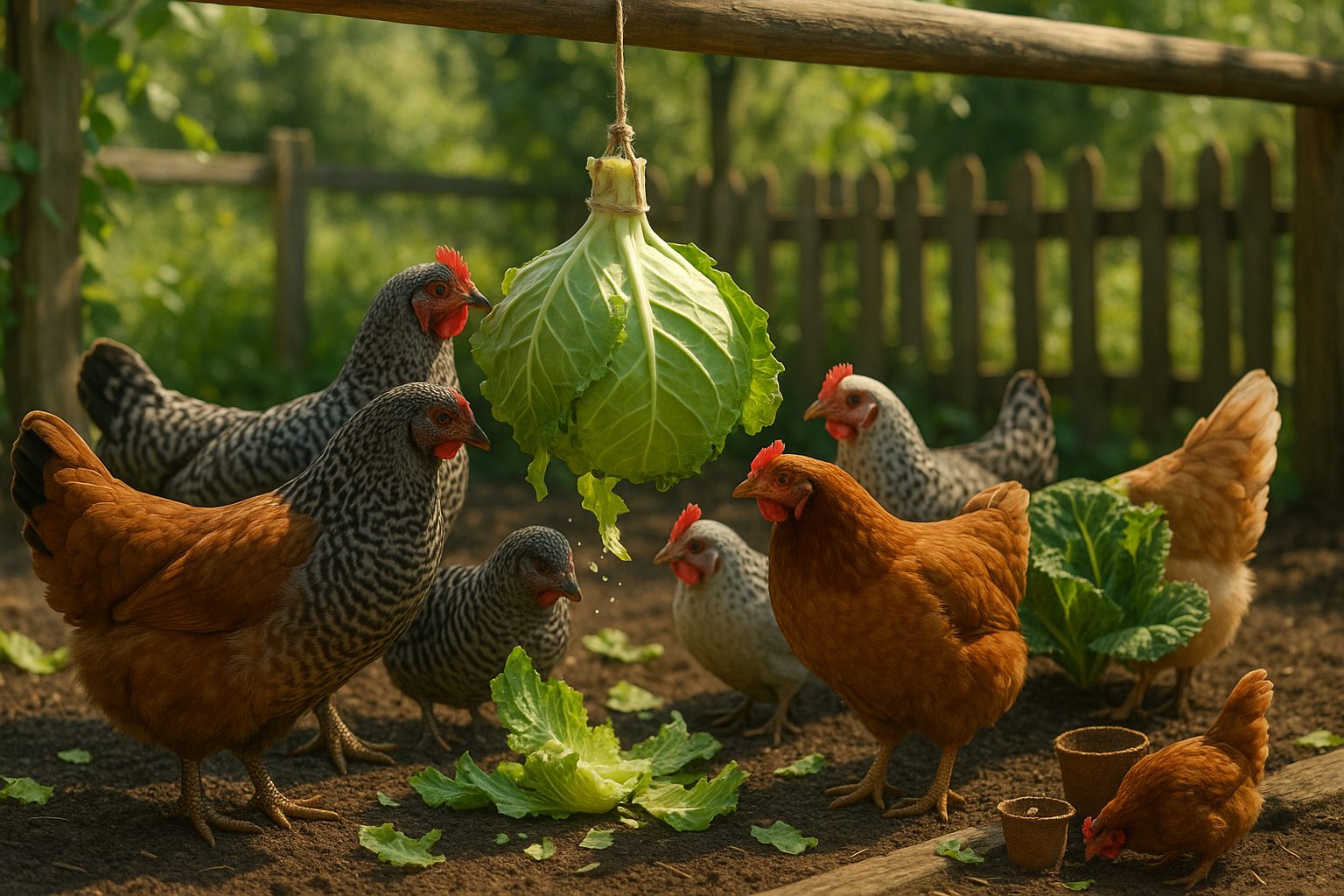
Is Cabbage Safe and Healthy for Chickens?
If you’ve ever wondered, “Can chickens eat cabbage?” you’re not alone. Chickens love cabbage, and for most backyard flocks, it’s a fantastic treat. Packed with vitamins A, C, and K, along with minerals like calcium and potassium, cabbage helps boost your chickens’ immune systems and supports healthy bones and feathers. The fiber in cabbage aids digestion, and because the leafy vegetable is high in water content, it’s a great way to keep your birds hydrated, especially during the hot summer months.
How to Offer Cabbage to Your Chickens
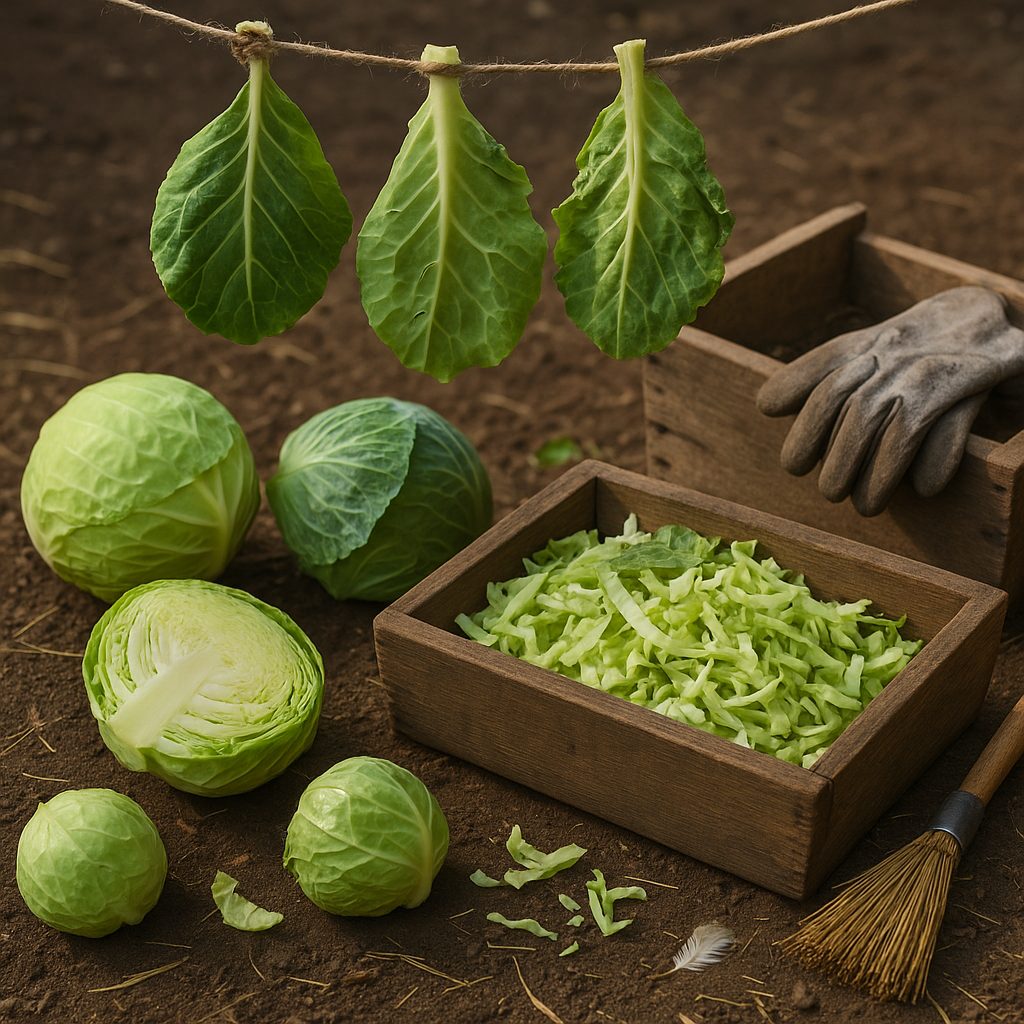
Offering whole heads or hanging cabbage just above pecking height can provide your chickens with entertainment and help reduce boredom—an important tip for maintaining flock harmony. However, moderation is key. While cabbage is generally safe, too much can cause digestive upset or watery droppings, particularly if your birds aren’t used to fresh greens. It’s best to introduce cabbage gradually as a supplement to their balanced diet rather than as a main food source.
Things to Consider
Keep in mind that some types of cabbage, like red cabbage, contain higher amounts of certain compounds called goitrogens. In very large quantities, these could interfere with iodine absorption and potentially affect thyroid function—but this is rarely an issue with occasional, moderate treats. Avoid feeding spoiled or moldy cabbage, as this can make chickens sick.
Final Tips
Most chicken keepers find cabbage to be a safe, healthy treat that keeps flocks happy. Always watch how your chickens respond and consult a vet if you have concerns about specific dietary needs.
Why Chickens Might Love Cabbage (and When They Don’t)
Chickens are natural foragers, and many backyard keepers find that cabbage can be a fun, nutritious treat for their flock. Most chickens enjoy pecking at cabbage, especially when it’s offered in creative ways—try hanging a whole head from a string or placing large leaves around their run to encourage activity and reduce boredom.
Cabbage is particularly popular during the summer because its high water content helps keep birds hydrated in the heat; chickens love the cool, crisp texture when temperatures soar.
However, not every chicken is instantly a fan. Some may ignore cabbage at first, especially if they’ve never seen it before—chickens are cautious by nature and may need time to warm up to new foods. Others might simply be picky eaters, preferring sweeter snacks like watermelon or corn over the slight bitterness cabbage can have.
If you’re introducing cabbage to your flock, start with small amounts and observe their reactions. Mixing cabbage with familiar treats can also help hesitant birds give it a try. Remember, while cabbage can be a healthy addition, it shouldn’t fully replace their main feed, which provides the balanced nutrition they need.
With a little patience, you’ll likely find that cabbage becomes a seasonal favorite for most of your flock, while respecting that some chickens might always give it a pass.
How to Serve Cabbage to Your Flock
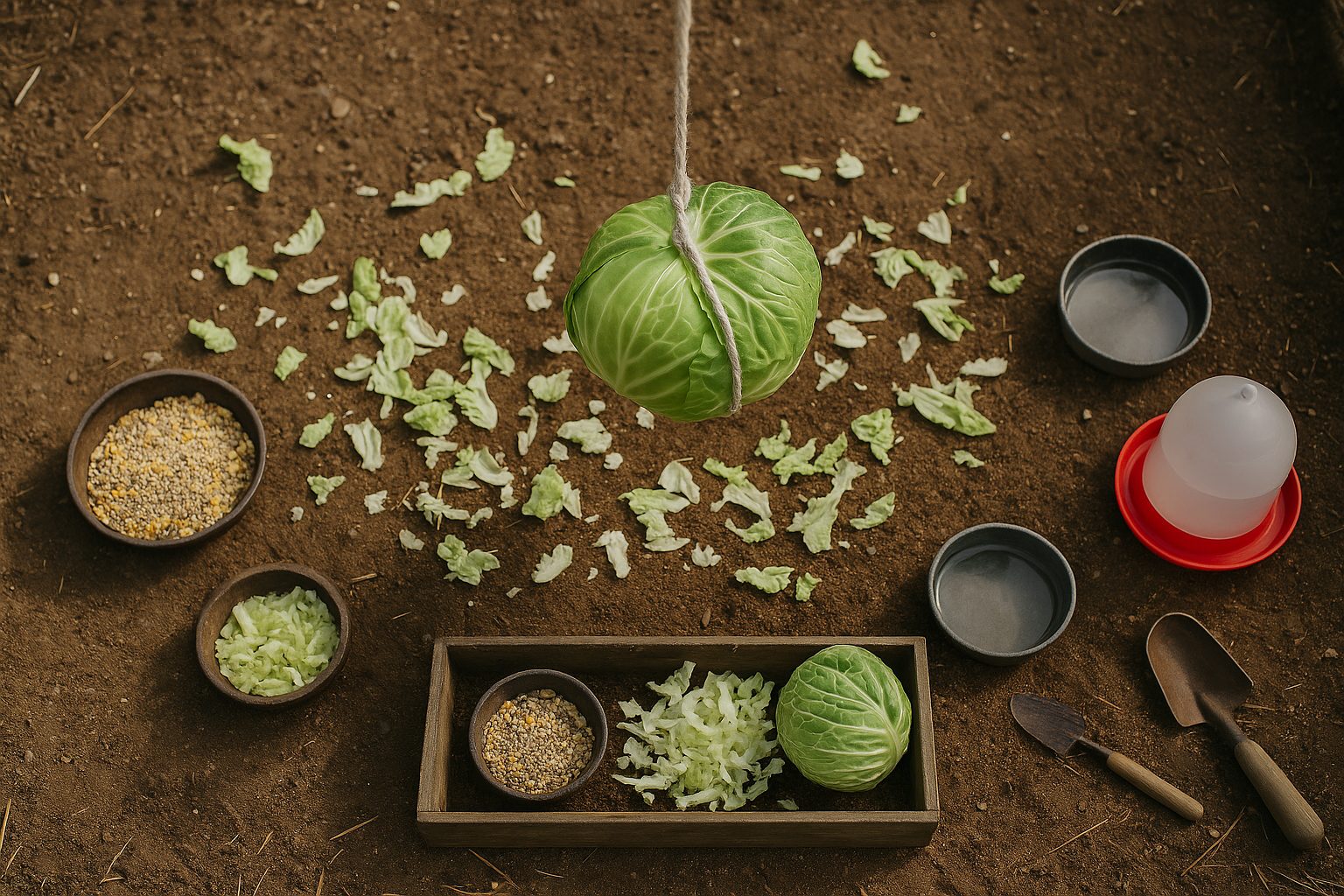
Serving cabbage to your chickens can be both a nutritious treat and a great source of enrichment, but it’s important to do it right to keep your flock happy and healthy. Start by washing the cabbage thoroughly to remove any pesticides or dirt, and always offer it raw, as cooked vegetables can lose valuable nutrients.
You can tear or shred the leaves for young or smaller birds, making it easier for them to eat, or offer the whole cabbage head or large leaves for bigger breeds.
One creative and engaging idea is to make a “cabbage ball” by tying a whole or half-head of cabbage with string and hanging it in the run; chickens will love pecking at the swinging treat, and it will keep them busy for hours.
Portion-wise, cabbage should be fed as an occasional treat—about one or two times per week—offering a piece roughly the size of your fist for every 3-5 chickens. Too much cabbage can cause digestive upset due to its high water content, so never let treats make up more than 10% of their overall diet.
You can also scatter shredded cabbage on the ground to encourage natural foraging behaviors or incorporate it into homemade treat mixes with grains and seeds. Remember to promptly remove any uneaten cabbage after a few hours to prevent spoilage and discourage pests.
By rotating the way you serve cabbage—sometimes shredding, sometimes hanging, sometimes scattering—you’ll keep your flock curious and engaged, all while giving them a boost of vitamins and fun.
Can Chicks and Young Birds Eat Cabbage Safely?
Chicks and young birds have different dietary needs than adult birds, so it’s important to be cautious when offering foods like cabbage. While adult poultry can safely enjoy raw or cooked cabbage in moderation, chicks’ digestive systems are still developing and can struggle with tougher, fibrous foods.
If you want to introduce cabbage to chicks, wait until they’re at least a few weeks old and only offer small amounts alongside their regular starter feed. Always chop the cabbage finely, or better yet, steam or boil it lightly to soften the texture, making it easier for chicks to eat and digest.
Start with just a tiny portion and watch closely for any digestive upset like loose droppings. If you notice any problems, remove the cabbage immediately. Make sure fresh water is available at all times, and never let treats like cabbage make up more than 5–10% of their overall diet.
As a best practice, introduce any new food one at a time so you can spot sensitivities or allergies early. Use fresh, clean cabbage only; avoid feeding old, wilted, or moldy leaves, as these can be harmful.
Remember, the cornerstone of healthy chick growth is a high-quality, balanced starter feed. Treats like cabbage should only be a minor supplement to this main diet. Following these guidelines will help ensure your chicks enjoy variety without compromising their health or growth.
Potential Risks and Things to Watch For
While cabbage can be a nutritious treat for chickens, it’s important to be aware of potential health risks. Cabbage belongs to the brassica family, which contains natural compounds called goitrogens that can interfere with thyroid function when fed in excess over time.
Overindulgence in cabbage may also lead to digestive upset, causing symptoms like watery droppings, bloating, or a decrease in appetite. If you notice your chickens looking less energetic, losing weight, or displaying unusual behaviors such as persistent scratching at their mouths or throats, these could be signs they’re not tolerating cabbage well.
In extreme cases, brassicas can disrupt nutrient absorption and lead to deficiencies. To keep your flock healthy, always offer cabbage in moderation—think of it as an occasional snack, not a staple meal.
It’s best to mix it with a variety of other veggies and ensure your chickens continue to eat their main feed, which is specially formulated to provide a complete, balanced diet.
Monitoring your chickens after introducing any new treat and stopping immediately if you observe troubling symptoms is a practical way to keep them safe and happy.
Best Practices for a Balanced Chicken Diet (Including Cabbage)
A healthy, balanced diet is key to keeping backyard chickens happy, active, and productive. Start with a quality commercial feed formulated for your flock’s age and purpose—starter crumbles for chicks, layer pellets for hens, or grower feed for pullets. This main feed provides a reliable source of protein, vitamins, and minerals that chickens can’t get from foraging alone.
Supplementing with occasional treats is a great way to add enrichment and nutrition, but they should make up no more than 10% of the overall diet. Cabbage, for instance, is a chicken favorite and can be hung in the coop for pecking fun or chopped and scattered on the ground.
Besides cabbage, chickens also enjoy:
- Leafy greens like spinach, kale, and lettuce
- Carrots
- Pumpkin
- Cucumbers
Always wash vegetables thoroughly and offer them raw or lightly steamed—avoid seasoning or additives.
To ensure safety, steer clear of foods that can harm chickens, such as:
- Raw potato peels (especially green ones)
- Avocado
- Chocolate
- Onions
- Anything moldy or spoiled
Citrus fruits should also be limited, as they can interfere with calcium absorption and egg laying. Remember to keep fresh water available at all times.
By sticking to a routine that relies on quality feed and moderates healthy treats, your chickens will get the nutrients they need without filling up on empty calories or risky foods.