Introduction
Getting the cabbage seed depth right is crucial for gardeners looking to grow a thriving crop. Planting seeds at the wrong depth can mean the difference between weak, struggling seedlings and healthy, robust cabbages. Seeds sown too deep might not have the strength to reach sunlight, while those planted too shallow risk drying out or being blown away. The proper depth creates the ideal environment for moisture absorption and steady germination, giving your cabbage the best start. In this article, we’ll explore why cabbage seed depth matters, share practical techniques for perfect seed placement, and troubleshoot common seedling problems related to planting depth. Whether you’re using raised beds, containers, or direct sowing into a garden bed, you’ll discover how small adjustments can make a big difference. Expect clear, actionable tips and answers to frequently asked questions from real gardeners—helping you grow healthier, more productive cabbages this season.
Understanding Cabbage Seeds and Their Needs
Cabbage seeds are small, round, and brownish, typically about 2 millimeters wide—roughly the size of a pinhead. Their tiny size greatly influences how they should be planted. Because cabbage seeds are so small, they have limited energy to push shoots through heavy or compacted soil. For successful germination, these seeds require a few key conditions: consistent moisture, gentle warmth, and good soil contact.
The soil should be kept damp but not soggy, as excess water can cause seeds to rot, while dry soil will stop germination altogether. Cabbage seeds germinate best at temperatures between 65-75°F (18-24°C), which you can find in spring weather or indoors if starting seeds early. Another essential factor is close contact with fine, crumbly soil, which allows the delicate seedlings to establish roots and absorb moisture effectively.
When it comes to cabbage seed depth, planting is especially important for such tiny seeds. If sown too deep, the seeds may never emerge. A common rule is to plant cabbage seeds about ¼ inch (6 mm) deep, gently pressing soil over them without compacting it. Planting shallowly helps the shoots reach the surface quickly while still providing enough soil cover to retain moisture and protect the seed.
Gardeners often sprinkle a light layer of potting mix or vermiculite on top to shield and anchor the seeds without weighing them down. This approach gives cabbage seeds the best chance for healthy germination and strong growth.
Ideal Planting Depth for Cabbage Seeds
For successful cabbage seed germination, the recommended cabbage seed depth is between ¼ and ½ inch (6–13 mm) below the soil surface. This guideline, supported by sources like the University of Minnesota Extension and the Old Farmer’s Almanac, ensures your cabbage seeds have optimal access to moisture and oxygen—two crucial elements for healthy germination.
Planting cabbage seeds too deeply can cause them to struggle to break through the soil’s crust, using up their limited stored energy before reaching sunlight. In heavy soils, deeper planting may lead to poor or delayed sprouting and weak seedlings. Conversely, sowing seeds too shallow—less than ¼ inch deep—risks them drying out quickly, being washed away during watering, or picked off by birds and insects. Shallow planting can also leave fragile sprouts unsupported, causing them to flop or fail to establish roots properly.
To achieve the right depth, press the seeds gently into loosened, moist soil and cover them lightly. Using a seed starting mix or fine compost can improve both coverage and soil contact. Consistency is important—uneven planting depths result in uneven emergence, causing some cabbage plants to outpace their neighbors and compete for light and nutrients.
When planting in raised beds or seed trays, use a ruler or your finger to estimate the correct depth: about the first knuckle on an adult finger approximates ½ inch. By taking the time to plant at the ideal cabbage seed depth, you give your cabbage crop the best chance for strong, uniform seedlings and a healthy start to the season.
How to Plant Cabbage Seeds Step-by-Step
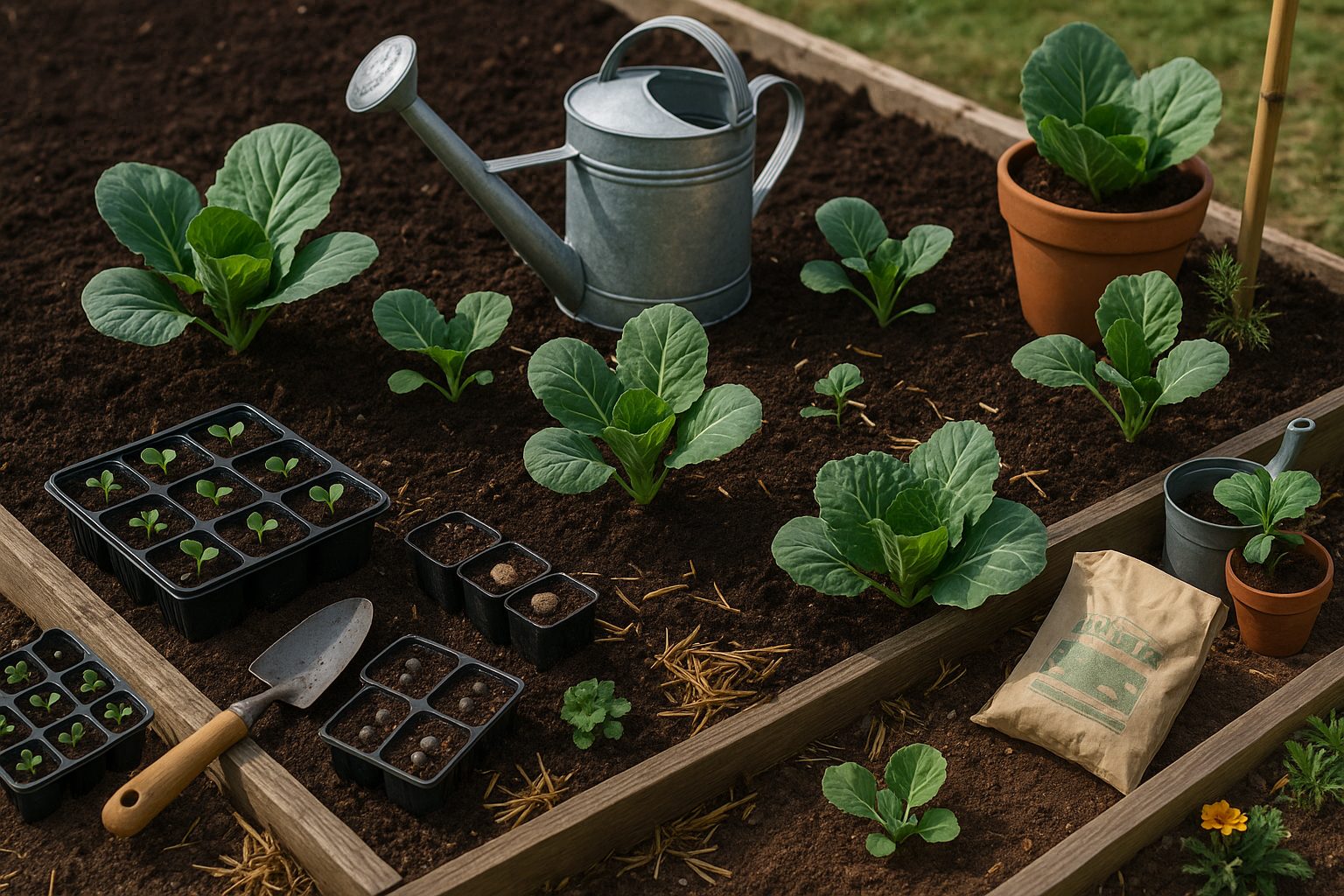
To plant cabbage seeds at the correct depth, start by selecting well-draining, nutrient-rich soil—cabbage thrives in fertile ground with plenty of organic matter. Loosen the top 6-8 inches of soil in your garden bed, or use a high-quality seed starting mix if sowing indoors. Before planting, rake the surface smooth and remove any large clumps or debris.
The ideal cabbage seed depth is about ¼ inch (6 mm)—deep enough to retain moisture but shallow enough for seedlings to push through easily. To achieve this, make shallow furrows using a ruler, your finger, or an old pencil marked at the ¼ inch point for consistency. Drop seeds into the furrow, allowing about 2 inches (5 cm) between each seed if starting in trays, or 12 to 18 inches (30-45 cm) apart in the garden for direct sowing, giving mature heads plenty of room to grow.
Gently cover the seeds with soil, patting down lightly to ensure firm contact without compacting. After planting, mist the area with water to keep the soil evenly moist but not soggy—a spray bottle works well for trays, while a gentle hose setting or watering can is best for garden beds. Consistent moisture is crucial during the first 7-10 days, as dry conditions can halt germination.
To maintain the right cabbage seed depth, avoid overhead watering that might disturb the soil and displace seeds. When planting outdoors, consider using a light mulch or floating row cover to help retain moisture and protect the soil from heavy rain. Finally, label each row or tray with the planting date and cabbage variety to keep track of your crops.
By carefully measuring and managing soil conditions, spacing, and moisture, you’ll give your cabbage seeds the best start for a strong, healthy crop.
Common Mistakes When Planting Cabbage Seeds
Planting cabbage seeds seems straightforward, but even small mistakes can affect germination, seedling strength, and your final harvest. One of the most frequent errors is improper cabbage seed depth—either sowing seeds too shallow, where they dry out or get washed away, or too deep, where sprouts struggle to break through the soil. Aim for a depth of about 1/4 inch, gently patting the soil down to ensure good seed-to-soil contact.
Another mistake is using dense, clay-heavy, or waterlogged soil. Cabbage seeds need loose, well-draining soil that stays moist but isn’t soggy. Amend heavy soil with compost or sand, and always start with fresh, weed-free seed-starting mix if sowing indoors.
Overwatering seedlings is an easy pitfall that leads to damping off, a fungal problem that quickly wipes out young sprouts. Water lightly and ensure good ventilation; if you notice mold or limp stems, improve drainage and reduce moisture immediately.
Poor germination can also be caused by old seeds or cold soil. Always check your seed packets for expiration dates and wait until your soil warms to at least 45°F before direct sowing.
If seedlings appear weak or spindly, provide more light—either by moving pots closer to a sunny window or adding a grow light for 12-16 hours each day. Thinning crowded seedlings and fertilizing every two weeks with a balanced, water-soluble fertilizer will also help encourage sturdy growth.
By correcting these common mistakes, you’ll set your cabbage crop up for a much more successful season.
Comparing Direct Sowing vs. Starting Indoors
When deciding between direct sowing cabbage seeds outdoors or starting them indoors, understanding cabbage seed depth is key for a successful crop. For both methods, the ideal depth is about ¼ to ½ inch (6-12 mm) beneath the soil—deep enough to cover the seeds but shallow enough so the sprouts can easily break through.
Indoor seed starting offers more control; you can maintain consistent moisture and warmth, and you’re less likely to plant too deep—a common issue in outdoor gardens where uneven soil or heavy rainfall can shift seeds. Starting seeds indoors also gives you a head start on the season, producing strong seedlings before outdoor temperatures stabilize. This leads to earlier harvests and more robust transplants that handle pests and unpredictable weather better.
On the other hand, direct sowing skips transplanting, reduces transplant shock, and is less labor-intensive, especially for large-scale plantings. However, seeds sown outdoors face variable soil temperatures, pests, and spring rains that can wash away or bury them deeper than the ideal cabbage seed depth.
Whichever method you choose, be careful not to sow the seeds too deep—that’s a common reason for poor germination. When sowing outdoors, level and firm the soil, then water gently to avoid disturbing the seeds. For indoor planting, use a sterile seed-starting mix and press seeds lightly into the surface, barely covering them to maintain the right depth.
Both techniques have their advantages, but the secret to healthy cabbage starts is always respecting the recommended cabbage seed depth.
Quick Tips for Successful Cabbage Seedlings
Getting your cabbage seed depth right is just the first step to growing healthy, robust plants. Sow your seeds about ¼ to ½ inch deep, and keep the soil consistently moist but not soggy—use a gentle spray to avoid dislodging the seeds or young seedlings.
Place trays or pots in a spot with plenty of bright, indirect sunlight or under grow lights for 12-16 hours each day, as cabbage seedlings need steady light for strong growth. Aim to keep temperatures between 65-75°F (18-24°C), which helps seeds germinate and encourages healthy roots.
Protect your seedlings from sudden temperature drops or drafts by covering them with a humidity dome or plastic wrap, but remove these coverings as soon as the seedlings emerge to prevent mold. As your plants grow, keep track of important dates—monitor when seeds were planted to ensure timely transplanting and thinning.
When seedlings develop their first true leaves, thin them out so each has enough space to grow, leaving the strongest plants in place. Remember, cabbage thrives with consistent care: check soil moisture daily, watch for pests, and provide good airflow.
Invest a little attention each day, and you’ll set the stage for sturdy, productive cabbage plants all season long.
Conclusion
Planting cabbage seeds at the right depth is crucial for healthy germination and strong seedlings. By following the recommended cabbage seed depth—typically about a quarter-inch deep—you give your seeds the best chance to develop sturdy roots and thrive. Taking a little care now sets the stage for vigorous, resilient cabbage plants later on. Remember, success in your cabbage patch starts with this simple but important step.
Ready to continue your gardening journey? Check out our articles on transplanting cabbage and seedling care for more tips to grow your best harvest yet.