What Makes Brussels Sprouts Bitter?
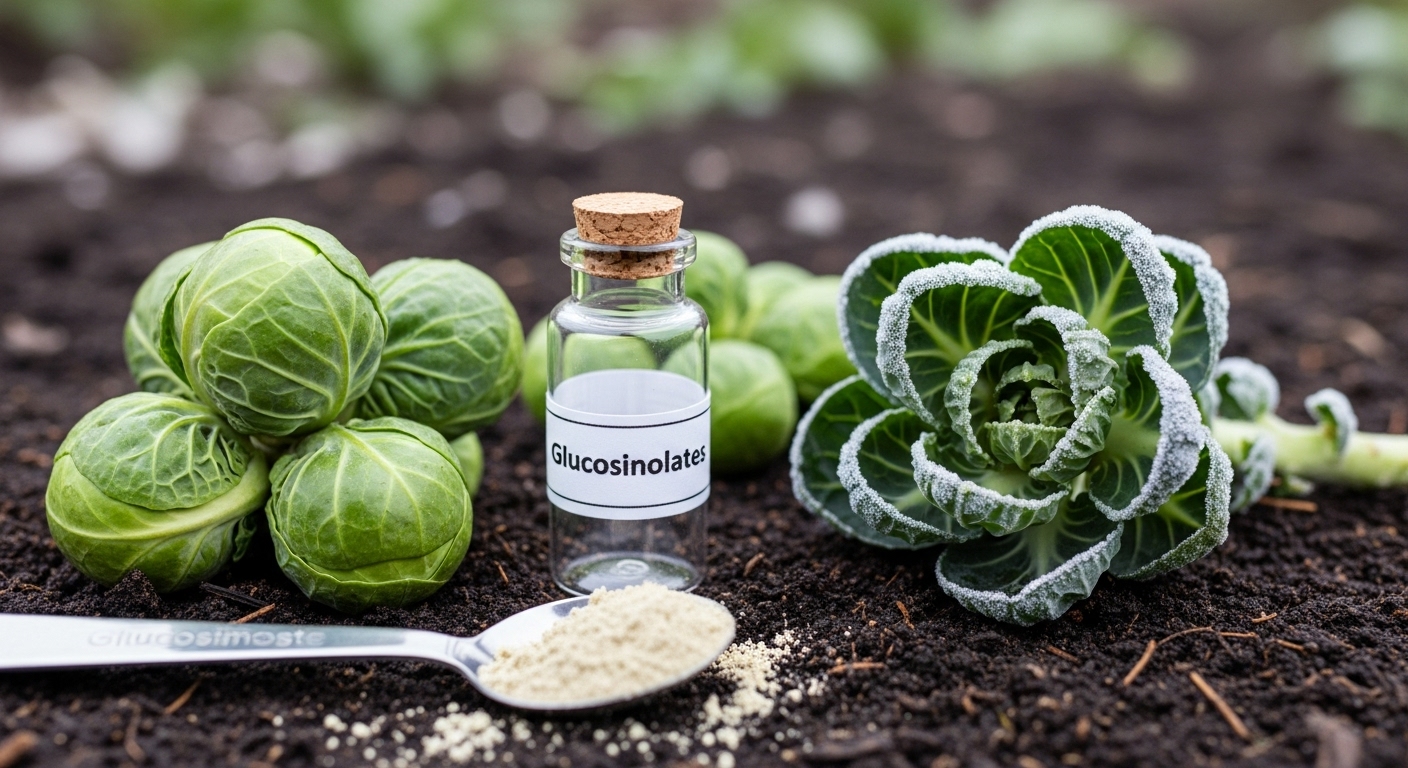
If you’ve noticed yellow brussels sprouts leaves in your garden, you might also be wondering why your harvest sometimes tastes bitter. The culprit is often glucosinolates—a group of naturally occurring chemical compounds found in Brussels sprouts and many other cruciferous vegetables.
Glucosinolates serve as a plant’s natural defense against pests and diseases, but they also break down into compounds that have a sharp, sometimes bitter flavor. Different Brussels sprouts varieties have varying levels of glucosinolates, which is why some taste milder and sweeter while others pack a stronger, more pungent punch.
The genetics of each plant play a big role here: older, traditional varieties tend to be more bitter, while modern hybrid types are often bred specifically for reduced bitterness. But it’s not just genetics at play. Environmental factors significantly influence bitterness, too.
Exposure to cold temperatures, especially after frost, can actually make Brussels sprouts taste sweeter by converting stored starches to sugars, partially offsetting the natural bitterness. On the flip side, plant stress from inadequate watering, poor soil nutrition, or too much heat can make bitterness more pronounced.
For home gardeners, managing these factors is key—regular watering, choosing the right variety for your taste preferences, and harvesting after a light frost can all help control both leaf yellowing and that characteristic bitter note.
So, while yellow leaves on Brussels sprouts might signal a care issue, bitterness is a more complex puzzle, shaped by plant chemistry, genetics, and the environment—each offering a lever you can adjust for a more enjoyable harvest.
Common Growth Issues That Increase Bitterness
Improper watering and poor soil drainage are two of the most common growth issues that can make vegetables taste bitter. When plants don’t get consistent moisture or their roots sit in soggy soil, they experience stress. This often leads to a buildup of certain compounds responsible for bitterness, especially in leafy greens like lettuce or spinach.
To avoid this, aim to water deeply but infrequently, allowing the top inch of soil to dry out a bit before watering again. Raised beds or adding compost can also improve drainage.
Another overlooked factor is soil pH and nutrient balance. If your soil is too acidic or alkaline, or if it’s lacking essential nutrients—especially nitrogen and potassium—plants can struggle to absorb what they need, resulting in off flavors and bitter notes. Test your soil annually, and use fertilizers or amendments designed to address specific deficiencies.
Finally, environmental stressors such as heat waves or sudden temperature swings can shock your plants, leading to bitterness as a protective response. During hot spells, mulching around the base of your plants helps retain moisture and regulate soil temperatures. Providing some afternoon shade for sensitive crops, like leafy greens, using shade cloth or companion planting with taller vegetables, can also help buffer against weather extremes.
By keeping an eye on these key factors and making small adjustments throughout the growing season, you can encourage your plants to produce sweeter, more enjoyable harvests.
Choosing Less Bitter Varieties
When selecting Brussels sprouts for your garden or kitchen, picking the right variety can make all the difference in taste. If you’re after a milder, less bitter flavor, consider cultivars like Jade Cross and Hestia. These varieties have been specially bred for their sweet, delicate taste and are widely recommended by home gardeners for their reliable flavor profiles.
When purchasing seeds or seedlings, check seed packets or plant labels for terms like “mild flavor,” “sweet,” or “reduced bitterness.” Ordering from reputable seed catalogs that provide detailed taste descriptions can also help ensure you bring home the right variety. Local nurseries often label milder cultivars, or you can simply ask staff for their recommendations.
Remember, timing the harvest is just as important as the cultivar you choose—Brussels sprouts become increasingly bitter as they mature on the stalk. Harvest the sprouts when they’re about one to one-and-a-half inches in diameter, firm, and still bright green. Smaller, younger sprouts are noticeably sweeter and more tender than larger, older ones.
If you’re purchasing at a farmers market or grocery store, look for these qualities to ensure better flavor at the table.
By focusing on both the right cultivars and the timing of harvest, you can consistently enjoy Brussels sprouts without the off-putting bitterness many people remember from childhood.
How Taste Sensitivity Differs Among People
Not everyone experiences bitter flavors the same way, and much of this comes down to genetics. One well-researched example is the TAS2R38 gene, which affects how people perceive the bitterness of certain compounds found in broccoli or the chemical PROP (propylthiouracil), commonly used in taste tests.
Some people inherit variants of this gene that make them “supertasters”—highly sensitive to bitter tastes—while others are “non-tasters” who barely notice bitterness at all. These differences can have a big impact on food preferences. For instance, supertasters might avoid dark leafy greens or strong black coffee, whereas non-tasters could enjoy these foods without hesitation.
But genetics isn’t the only factor. Studies show that sensitivity to bitterness can change with age. Children are generally more sensitive to bitter tastes, which may help protect them from eating harmful plants, but this sensitivity often decreases in adulthood.
Exposure also plays a role; repeatedly trying bitter foods can gradually reduce aversion. That’s why some adults grow to enjoy things like Brussels sprouts or IPA beers that they disliked as kids.
Overall, taste-test findings consistently reveal that both nature and nurture shape our experience with bitter flavors, making every palate unique.
Simple Cooking Techniques to Reduce Bitterness
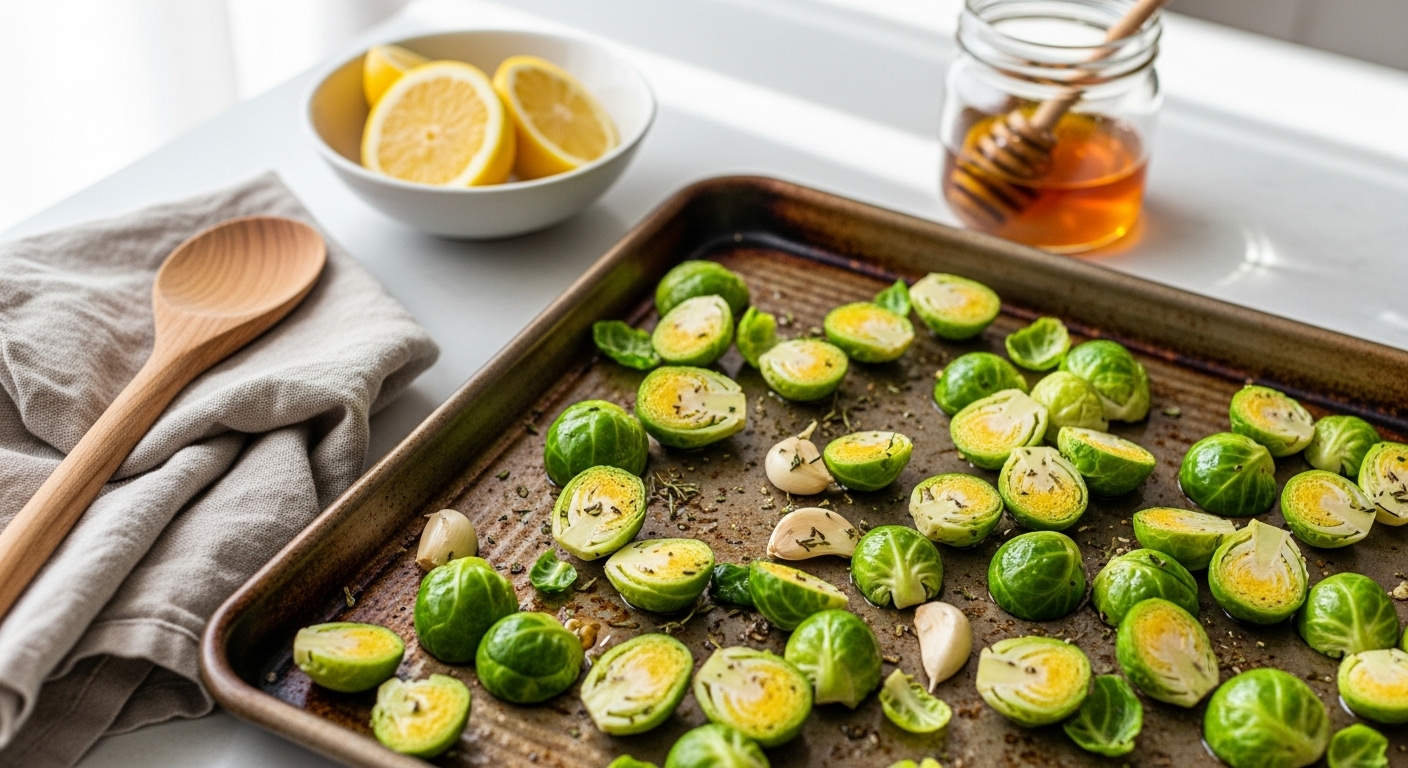
If you find certain vegetables or leafy greens too bitter, there are several simple cooking techniques that can help tame those strong flavors. Roasting is a popular method—tossing vegetables like Brussels sprouts, broccoli, or eggplant with a bit of oil and roasting them at high heat encourages caramelization, which brings out their natural sweetness and softens bitterness.
Similarly, pan-frying and sautéing vegetables over medium-high heat with aromatics like garlic, onions, or shallots can quickly caramelize surface sugars, adding complexity and mellowing harsh notes. For greens such as kale or collards, a quick sauté with olive oil and a squeeze of lemon can make them more palatable without losing their bright color or nutrients.
Boiling is another option: submerging bitter veggies in hot water allows some of the bitter compounds to leach out. This is especially useful when prepping items like bitter melon or radicchio. However, boiling has its tradeoffs; while it reduces bitterness, it can also strip vegetables of flavor and nutrients, leaving them bland and mushy if overdone.
To strike a balance, try blanching—briefly boiling, then plunging veggies into ice water—to leach excess bitterness while preserving texture and color.
Regardless of the technique, it’s crucial to avoid overcooking. Vegetables that are over-roasted, fried, or boiled too long often end up tasting more bitter, as natural sugars break down and Maillard reactions can go too far. Always monitor cooking times closely, and taste as you go.
Experiment with these approaches in your kitchen to discover how much a simple cooking trick can transform even the most bitter of veggies into something delicious.
Flavor Balancers: Salt, Sugar, Acid, and Fat
Balancing flavors is the key to turning often-misunderstood veggies like Brussels sprouts into something crave-worthy. Salt is a classic for toning down bitterness; a good sprinkle before roasting helps draw out sweetness and mellow sharp flavors.
Sweeteners—whether a drizzle of honey, maple syrup, or a splash of balsamic vinegar—bring out the natural sugars in Brussels sprouts and beautifully counter those bitter notes. Acids like lemon juice or apple cider vinegar brighten flavors and cut through any dullness—a squeeze at the end can totally lift a dish.
Don’t forget about fats: tossing Brussels sprouts in olive oil, melted butter, or even bacon fat creates a rich coating that helps bitterness fade into the background while adding delicious depth. For seasoning, try garlic powder, smoked paprika, or Parmesan cheese for extra umami.
Marinades featuring soy sauce, mustard, or citrus juice add complexity and make sprouts more appealing, especially if you let them sit for at least 15 minutes before cooking. Pairing Brussels sprouts with naturally sweet or fatty ingredients like roasted apples, toasted nuts, or crispy pancetta instantly elevates their flavor.
Quick tip: slice the sprouts thinly before sautéing for faster cooking and more caramelized edges, or roast them at high heat until the edges are golden and crispy. Don’t be afraid to finish with fresh herbs or a grating of cheese just before serving—a final touch that goes a long way in everyday meals.
Expert Tips and Troubleshooting for Home Gardeners
Getting your home garden off to a strong start begins with preparing rich, well-draining soil. Mix in plenty of compost or aged manure to boost nutrients and encourage healthy roots—you’ll notice happier, more vigorous plants.
Watering routines are crucial; aim for deep, infrequent watering rather than daily sprinkles, which promotes deeper root growth and reduces stress-related plant bitterness. If you find your greens tasting unusually bitter, check for uneven watering, too-hot temperatures, or over-mature harvests.
Watch for yellowing leaves, which often signal overwatering or nutrient deficiencies. A quick soil test can help pinpoint the cause, and supplementing with a balanced organic fertilizer usually helps.
For slow-growing plants, ensure they’re getting at least six hours of sunlight and aren’t spaced too closely, as cramped conditions stunt growth.
Keep an eye out for pests or mildew, which sap your plants’ energy—hand-picking pests or using a gentle neem oil spray can work wonders.
Most importantly, get hands-on: taste your sprouts regularly as they grow. Early sampling lets you harvest at peak flavor and texture, so you’ll enjoy fresher, sweeter results and gradually learn the perfect picking time for each crop in your garden.