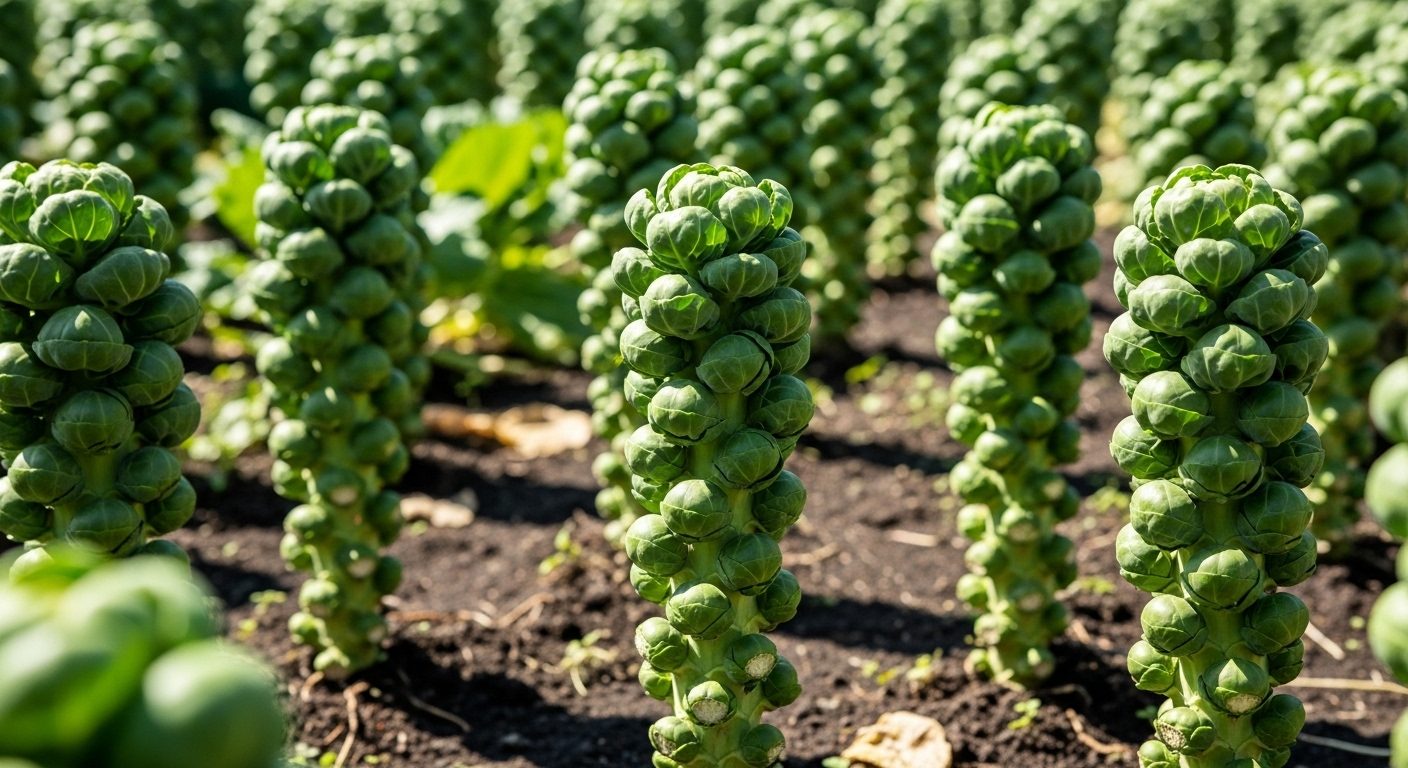
Why Sunlight Matters for Brussels Sprouts
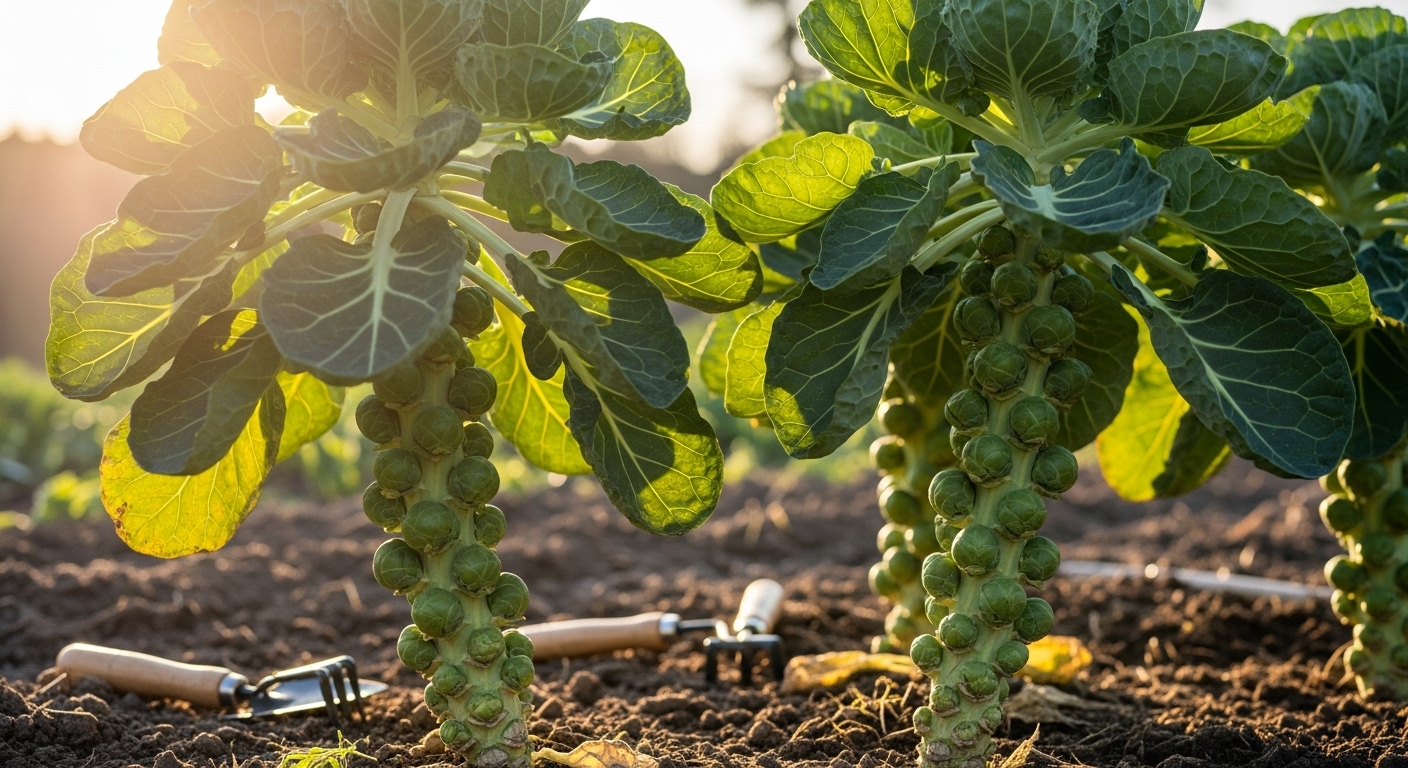
Understanding Brussels sprouts’ sunlight needs is crucial if you want to harvest crisp, flavorful sprouts from your garden. Sunlight isn’t just about providing warmth; for brussels sprouts, it’s the engine that drives growth, yield, and taste. These hearty, leafy vegetables thrive when they get ample light, using its energy through photosynthesis — a process where plants transform sunlight into the sugars and nutrients necessary for robust development.
When Brussels sprouts receive at least six hours of direct sun a day, their stems grow strong and upright, and their trademark mini cabbages develop tight, sweet, and tender. Without enough sunlight, you’ll quickly notice the difference: plants may become leggy, yellowish, and far less productive, with smaller, loose, or even bitter-tasting sprouts.
Sun exposure also influences the plant’s defense systems, helping it ward off pests and disease naturally. For gardeners hoping for abundant harvests, south-facing plots—or other areas with all-day sunlight—are the best for planting. Partial shade can sometimes work in scorching climates, but for most regions, Brussels sprouts are classified as sun-loving vegetables.
You’re more likely to achieve large, flavorful harvests when these needs are met, allowing the plants to channel their energy into producing delicious, compact sprouts instead of just struggling to survive. Remember, the right balance of sunlight gives you not only a productive crop but also tastier Brussels sprouts for your table.
Outdoor Light Requirements for Brussels Sprouts
Brussels sprouts thrive best with 6 to 8 hours of direct sunlight daily, which helps them grow sturdy stems and develop tight, flavorful sprouts. While full sun is ideal, these cool-season vegetables can tolerate partial shade, especially in hotter climates where afternoon sun may become intense.
In regions with hot summers, providing a spot that gets morning sun and light afternoon shade helps prevent plants from bolting or developing bitter-tasting sprouts. Conversely, in cooler or northern areas, maximizing sunlight exposure—even aiming for a spot that receives sun from sunrise through late afternoon—is beneficial for healthy growth and bigger harvests.
When selecting a site in your garden, choose an open area away from tall trees, fences, or structures that could cast shadows for much of the day. For best results, try positioning beds east to west so plants catch the maximum sun as it moves across the sky, and be mindful of how the sun’s angle changes throughout the growing season.
If you’re gardening on a patio or balcony, observe light patterns over a few days before placing containers: a spot that gets at least a solid block of morning to early afternoon sunlight works well.
In summary, adapting your Brussels sprouts’ location to your local climate and ensuring good daily light exposure sets the stage for a healthy, productive crop.
Growing Brussels Sprouts Indoors: Lighting Tips and Techniques
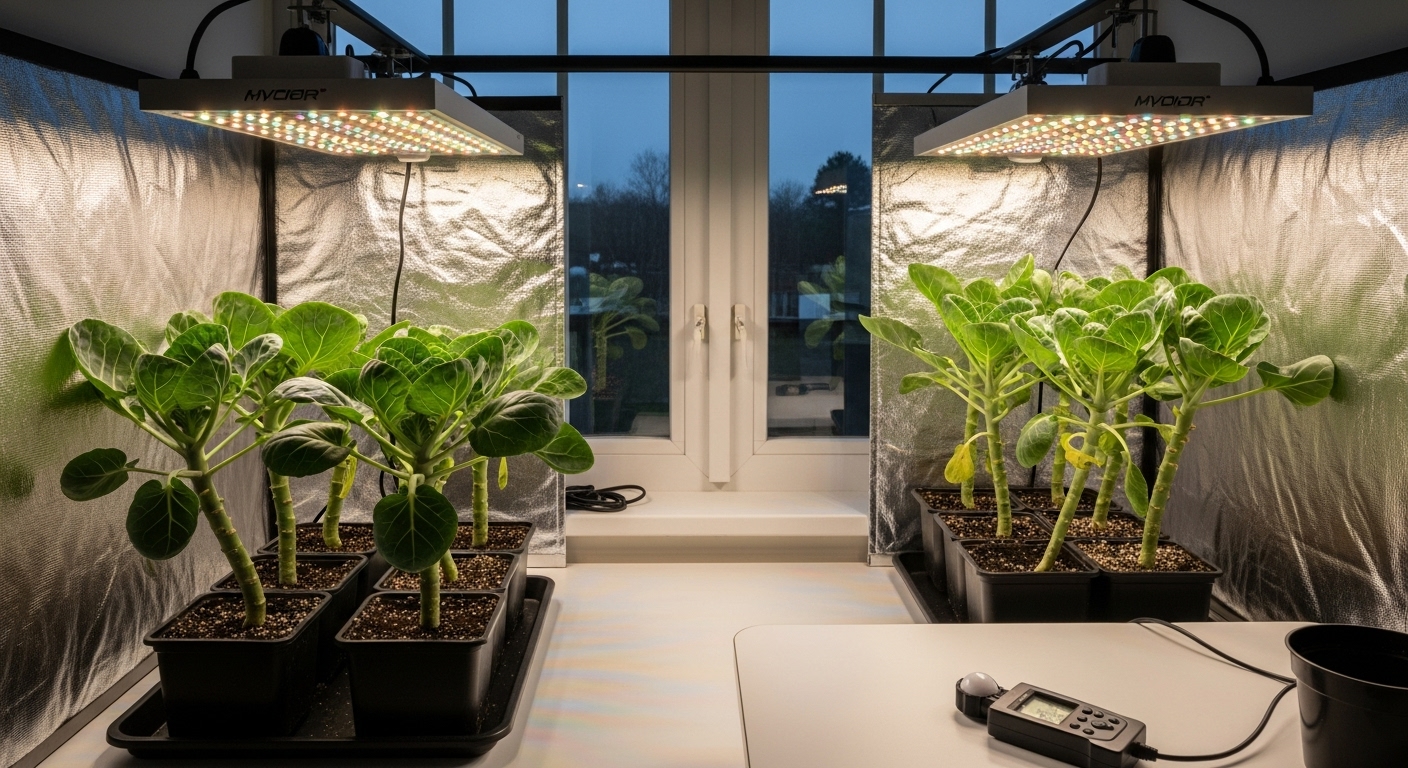
Growing Brussels sprouts indoors is definitely doable, but it comes with some unique challenges—especially when it comes to providing adequate light. These veggies need lots of bright, consistent light that mimics the long, sunny days they’re used to outdoors.
Ordinary windowsills usually don’t provide enough light, so investing in quality grow lights is key. Full-spectrum LED grow lights are a great choice because they use less energy and closely imitate sunlight throughout the entire growth cycle.
Position your lights about 6-12 inches above the plants, and use timers to keep them on for 14-16 hours each day—Brussels sprouts thrive on long daylight hours.
Tips for Even Light Distribution
- Install adjustable overhead lights to ensure even coverage.
- Use reflective Mylar sheets to bounce light back onto the leaves and prevent shading.
Regularly monitor your plants’ health. Healthy Brussels sprouts have strong, upright stems and dark green leaves. If you notice yellowing, stretched stems, or slow growth, your lights might be too dim or placed too far from the plants.
A light meter—or even a simple smartphone app—can help you measure light intensity at the plant level. Aim for a minimum of 400-600 micromoles per square meter per second (µmol/m²/s) to keep your sprouts happy and healthy.
Remember, patience is key since Brussels sprouts are slow growers. But with bright, well-placed lights and careful observation, you can enjoy a successful indoor harvest.
Protecting Brussels Sprouts from Too Much (or Too Little) Sun
Brussels sprouts are sun-loving vegetables, but too much or too little sunlight can cause problems. If plants get excessive sun—especially during a heatwave—they may develop scorched, yellowing leaves, wilt in the afternoon, or form loose, bitter-tasting sprouts.
Conversely, sprouts suffering from insufficient light can become leggy, pale, and slow to mature, with undersized or poorly formed heads.
To shield your plants during hot spells, consider erecting temporary shade structures like lightweight row covers, garden umbrellas, or shade cloths. These can be easily draped over hoops or stakes to filter harsh rays without blocking air circulation. Even old bedsheets can work in a pinch for a quick fix. Make sure shading is only used during peak sunlight—excessive shade can hamper growth.
On the flip side, during long stretches of gloomy or overcast weather, give plants every possible advantage by:
- Spacing them widely to prevent crowding
- Trimming away excess foliage that blocks available light
- Choosing a south-facing garden spot
- Reflecting extra sunlight using white boards or light-colored mulch near the base of your Brussels sprouts
Also, avoid overwatering—plants in low light conditions won’t dry out as quickly.
By paying close attention to light conditions and adapting your care routine, you can help your Brussels sprouts thrive through both sun and shade struggles.
Seasonal and Regional Planting Considerations
Getting the timing right for planting Brussels sprouts is all about matching your local sunlight patterns and temperatures. In general, Brussels sprouts thrive best when they mature in cool, sunny fall weather; this means planting them in mid to late summer in most regions. To get optimal sunlight, aim for locations in your garden that receive at least six hours of direct light daily.
The USDA zone you live in will play a big part in your schedule:
- Gardeners in zones 3 to 5, farther north, should start seeds indoors as early as late winter and transplant them in spring since their growing season is shorter and summer days are longer.
- Those in milder zones 6 and 7 can direct sow or transplant seedlings in late summer or early fall.
- Zones 8 and above, with very mild winters, might even grow Brussels sprouts as a winter crop, planting in late fall.
Always pay attention to your local day length—if you notice shorter spring or fall daylight, you might need to plant a week or two earlier than the typical schedule so your sprouts catch enough sunlight during their key growth phase.
If your weather is especially hot or the midday sun too harsh, try planting in a spot that gets morning light and afternoon shade to reduce heat stress.
Keep a planting journal to track what timing gives you the healthiest harvest for your specific area, and don’t hesitate to adjust each year based on observation and weather patterns.
Monitoring, Troubleshooting, and Adjusting Light for Best Results
To help Brussels sprouts thrive, it’s crucial to keep tabs on how much sunlight they actually receive each day. Start by observing your garden throughout the day, noting the hours the sun hits your Brussels sprouts—aim for at least six hours of direct light. A simple way to track this is by marking sunlit areas on a notepad or snapping hourly smartphone photos.
For a more precise check, consider using an affordable light meter, which will show whether your plants are getting the recommended 10,000 to 25,000 lux during daylight hours.
If you notice stunted growth, elongated stems, or leaves that look pale or yellowish, those are signs your plants aren’t getting enough light. In that case, try gently pruning nearby plants or trimming tree branches that cast too much shade, or relocate container-grown Brussels sprouts to a sunnier spot.
On the other hand, leaves with scorched edges or faded patches could indicate too much direct sunlight, especially in hot climates. Here, setting up shade cloth during the peak afternoon hours can help.
Make it a habit to check your plants every few days for these signs, making small adjustments like rotating pots or tweaking garden layouts. This hands-on approach ensures your Brussels sprouts get the right amount of light, setting them up for strong stems and healthy harvests.