Introduction
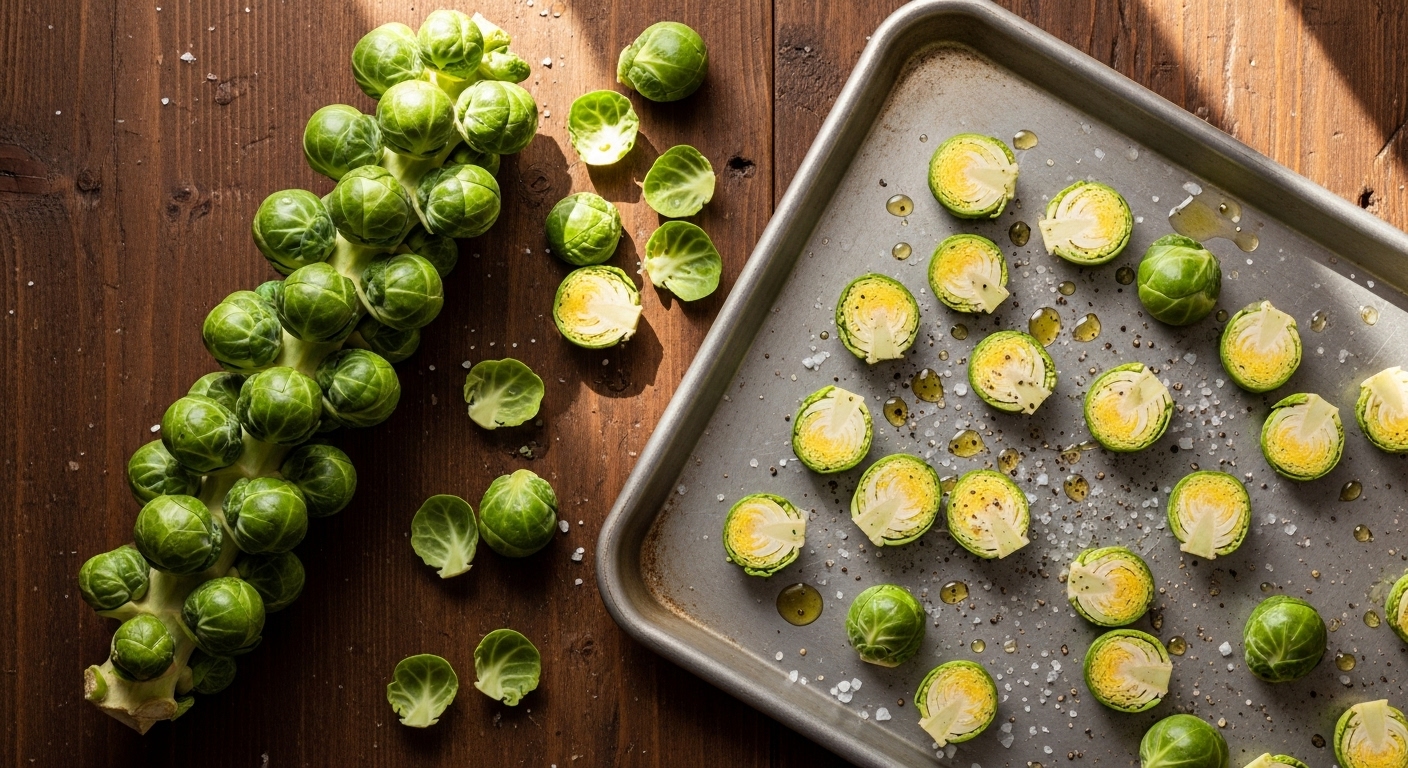
brussels sprouts recipes are popping up everywhere, and it’s easy to see why these small, cabbage-like veggies are making a comeback among home cooks and gardeners alike. If you’ve ever passed by a towering Brussels sprout stalk at your garden or farmer’s market, you’ve probably wondered about the best ways to bring out their nutty, sweet flavor.
The good news? With just a few simple techniques—roasting until crispy and caramelized, sautéing for a quick and flavorful side, or tossing them raw into fresh salads—Brussels sprouts can easily steal the show at your table. Each cooking method highlights a different side of this versatile veggie:
- Roasting intensifies their natural sugars.
- Sautéing adds a savory bite in minutes.
- Salads offer a crunchy, vibrant twist perfect for summer meals.
Mastering these basic methods means you can whip up Brussels sprouts recipes that convert even skeptics into fans. Whether you’re harvesting armfuls from your own garden or just want to make the most of a seasonal haul, these trusty techniques will ensure you get the delicious, nutritious most out of every sprout—time after time.
Buying, Storing, and Prepping Brussels Sprouts
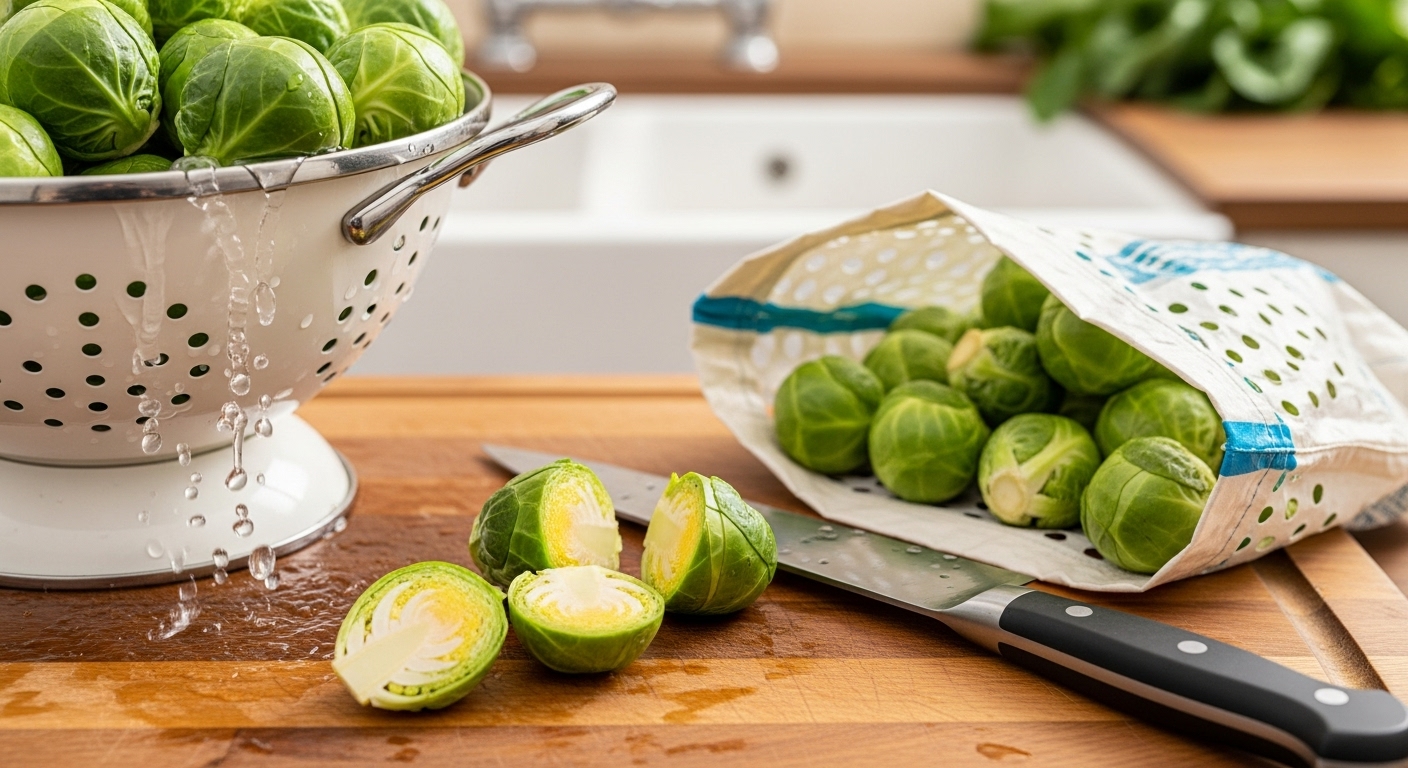
When picking Brussels sprouts at the store or market, look for firm, compact heads that are bright green with tightly packed leaves. Avoid sprouts that are yellowing, have dark spots, or feel squishy, as these are signs of age or spoilage. Smaller sprouts often taste sweeter and more tender than larger ones, which can be a bit more bitter and dense.
Once home, store unwashed Brussels sprouts in a perforated plastic bag or produce bag in the vegetable drawer of your refrigerator. They’ll usually stay fresh for up to a week.
To prep them, start by rinsing thoroughly under cool water to remove any dirt or debris. Next, trim the stem end slightly—not too much, or the leaves may fall off—then peel away any loose or wilted outer layers. For even cooking, especially if the sprouts are large, cut them in half through the root. Smaller sprouts can be left whole.
Prepped Brussels sprouts are now ready for roasting, sautéing, steaming, or shredding raw into salads. If you want to save time on busy nights, consider prepping your sprouts in advance—clean and trim them, store in an airtight container in the fridge, and they’ll be ready to cook whenever you are.
Roasting Brussels Sprouts for Crispiness & Flavor
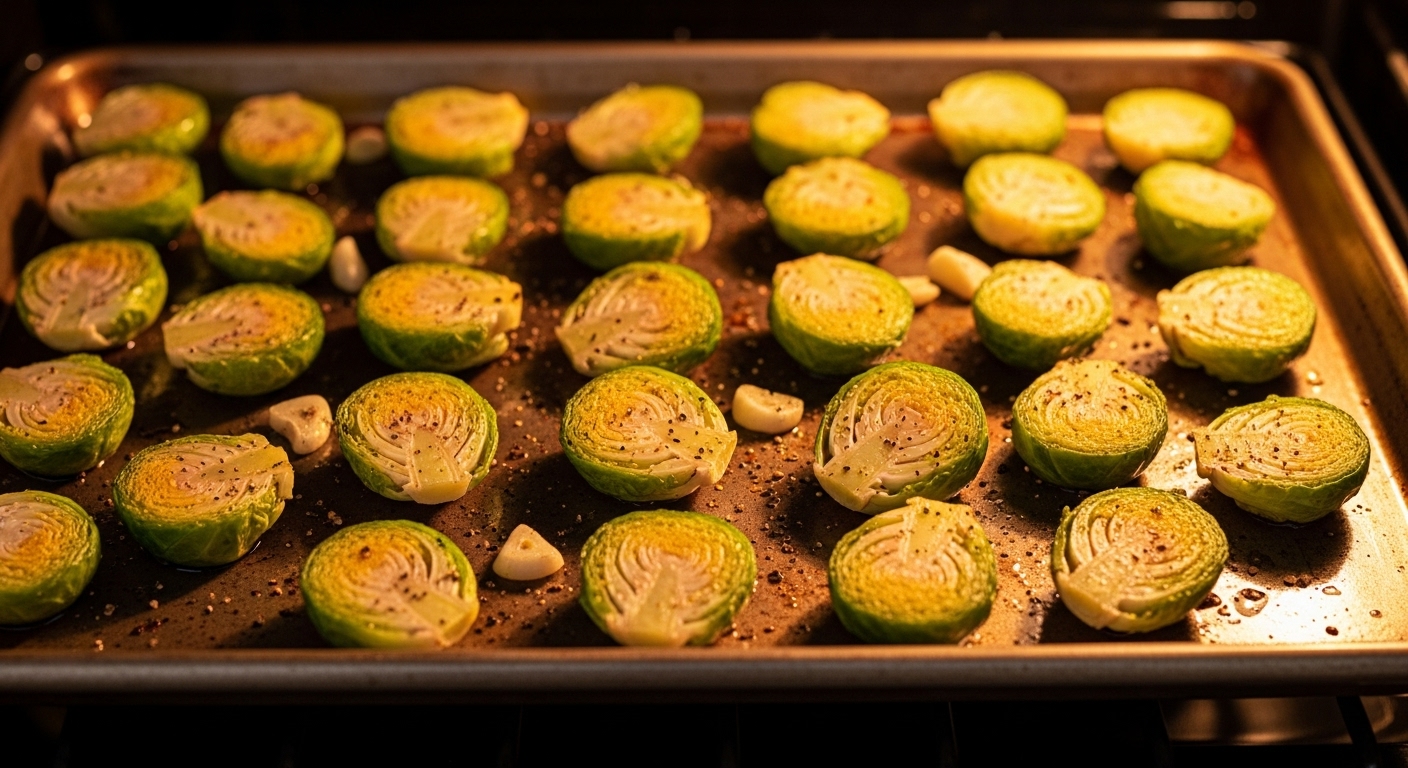
Roasting Brussels sprouts is a simple yet transformative way to unlock their best texture and flavor. Start by preheating your oven to 425°F—a high temperature is key for that crispy, caramelized exterior.
Slice the Brussels sprouts in half for better surface contact and spread them out in a single layer on a sturdy metal baking sheet; avoid overcrowding, as this traps steam and causes sogginess. Toss them generously with olive oil or avocado oil, both of which tolerate high heat and help achieve that golden-brown finish.
For the best caramelization, place them cut side down so the exposed inner part can crisp up nicely against the hot pan. To enhance the flavor, season simply with kosher salt and freshly cracked black pepper, or get creative with add-ins:
- Toss in minced garlic during the last 10 minutes of roasting
- Sprinkle with grated Parmesan right out of the oven
- Drizzle with a bit of balsamic glaze for extra tang and sweetness
Stir the Brussels sprouts once during roasting to ensure even color, but resist the urge to move them too much or they won’t crisp. With these tips, you’ll consistently turn out perfectly roasted Brussels sprouts: tender inside, crispy outside, and packed with flavor.
“`html
Sautéed Brussels Sprouts: Fast and Flavorful
When you want Brussels sprouts on the table in less than 20 minutes, sautéing is your best bet. Unlike roasting, which delivers a crispy exterior and tender center after a lengthy oven stay, sautéed Brussels sprouts offer a faster route with slightly softer edges and a pleasant caramelized flavor. The texture is more tender throughout, with leaves that turn golden and crisp directly in the pan, making every bite satisfying and vibrant.
For perfect results, slice the Brussels sprouts in half to ensure even cooking—flat sides down for maximum contact with the hot pan. Use a heavy skillet and heat a small amount of olive oil or butter over medium-high until shimmering. Add the sprouts cut-side-down and let them sit undisturbed for a few minutes; this helps develop a deep golden crust. Stir only occasionally to prevent burning and encourage even browning. Avoid overcrowding the pan, or the sprouts may steam instead of sear.
For extra flavor and flair, you can throw in diced bacon or pancetta while sautéing—these render fat and infuse smoky richness. Near the end, tossing in toasted walnuts or pecans adds crunch, while a quick drizzle of balsamic glaze or a squeeze of lemon brightens everything up. Finish with flaky sea salt and freshly ground black pepper.
Serve these sautéed Brussels sprouts as a speedy weeknight side or dress them up with your favorite garnishes for a holiday meal—either way, you’ll unlock big flavor with minimal effort.
“`
Brussels Sprout Salads & Raw Preparations
Raw and lightly cooked Brussels sprout salads offer a quick, vibrant alternative to the usual roasted sprouts, making them an easy addition to weeknight meals or holiday spreads. When thinly shredded with a mandoline or sharp knife, Brussels sprouts become a crunchy, slaw-like base, perfect for tossing with simple dressings.
A classic mix starts with shredded sprouts, shaved Parmesan, toasted walnuts, and a lemony vinaigrette—just whisk together fresh lemon juice, olive oil, a touch of honey, salt, and pepper. For more color and flavor, add seasonal extras like sliced apples, dried cranberries, or pomegranate seeds.
If you prefer a warm twist, lightly sauté halved sprouts in olive oil for just a few minutes to soften the edges while keeping some bite. Then toss them with Dijon mustard, honey, and a splash of red wine vinegar.
Don’t be afraid to experiment with Asian-inspired flavors, too—a drizzle of sesame oil, soy sauce, and a sprinkle of toasted sesame seeds can transform the dish.
To save time, look for pre-shredded sprouts at the store, and remember that sturdy add-ins like nuts or seeds will hold up nicely if you make the salad ahead. With endless combinations, Brussels sprout salads are an easy, nutritious way to add freshness and crunch to your table.
Creative Variations & Serving Ideas
Brussels sprouts are incredibly versatile, making them perfect for creative culinary adventures. For a twist on tradition, try sautéing sliced sprouts with crispy bacon and mixing them into a smoky carbonara sauce—an easy way to lighten up a classic pasta dish.
If you’re a pizza lover, roasting Brussels sprouts until caramelized and scattering them on a pizza with mozzarella and a sprinkle of chili flakes adds a surprising bite and freshness. You can also layer steamed sprouts into casseroles with creamy cheese sauce and crunchy breadcrumbs, turning a side dish into the main event.
For a lighter take, toss shaved Brussels sprouts with toasted nuts, seeds, or dried fruit for a quick salad that’s both crunchy and vibrant—perfect for potlucks or easy lunches.
Thinking internationally can add even more excitement: try cooking Brussels sprouts with soy sauce, ginger, and sesame oil for a speedy Asian-inspired stir-fry, or roast them with harissa paste for a spicy Middle Eastern flair.
Pairing-wise, Brussels sprouts match well with bold proteins like roasted salmon, glazed ham, or grilled tofu, making them ideal for holiday feasts and weeknight dinners alike.
Don’t be afraid to blend textures and flavors—mixing creamy elements (like goat cheese), sweet notes (like roasted apples), or acidic pops (like a balsamic reduction) can transform a simple veggie into a showstopper.
The key is to keep experimenting until you find your favorite combinations, because Brussels sprouts are anything but boring when you get creative in the kitchen.
Make-Ahead, Storing & Reheating Tips
Prepping Brussels sprouts ahead of time is a great way to streamline mealtime and minimize kitchen stress. You can rinse, trim, and halve the sprouts up to three days in advance—just store them in an airtight container lined with a paper towel to absorb any excess moisture and keep them crisp in the fridge.
When it comes to cooking ahead, roasted Brussels sprouts keep well for about three to four days refrigerated. To reheat, avoid the microwave if possible, as it can make sprouts mushy. Instead, spread them in a single layer on a baking sheet and warm them in a 400°F oven for 5–10 minutes. This brings back their crispness and enhances flavor.
If you plan to freeze Brussels sprouts, blanch them briefly in boiling water first, then shock them in ice water, pat dry, and freeze in a single layer before transferring to a freezer bag. Frozen sprouts do best when roasted straight from the freezer—no need to thaw, which can make them soggy.
To keep Brussels sprouts from turning mushy at any stage, follow these tips:
- Don’t overcrowd your pan while roasting; air circulation is key for crispy edges.
- Avoid overcooking—check for doneness early and look for golden, caramelized edges rather than an all-over brown.
Using these simple strategies, you’ll have delicious, firm Brussels sprouts at the ready, whether prepping for a busy weeknight or holiday meal.
Conclusion & FAQs
Brussels sprouts don’t have to be boring or bitter—trying new recipes can totally change how you feel about this versatile veggie. If you’ve struggled with soggy sprouts, try roasting them at a high heat (425°F) and make sure the pan isn’t overcrowded—this helps them crisp up instead of steaming.
Wondering if roasting is better than sautéing? Roasting brings out their natural sweetness and crunch, while sautéing is quicker and keeps them tender. Both methods really shine with a little garlic and lemon.
For busy nights, you can prep Brussels sprouts ahead by trimming and cutting them in advance—just store them in an airtight container in the fridge until you’re ready to cook.
So, with a few simple tricks and recipes, you might just find Brussels sprouts making a regular appearance on your table!