The Basics of Growing Brussels Sprouts
brussels sprouts in hot climates may sound like an unlikely pairing, but with the right know-how, you can enjoy this tasty and highly nutritious vegetable even if your garden battles soaring temperatures. Brussels sprouts, a member of the Brassica family and a close cousin to cabbage and broccoli, originated in the cool maritime climate of Northern Europe several centuries ago. Their name comes from Brussels, Belgium, where they were first cultivated and became a staple in the 16th century. Today, they’re celebrated by home gardeners for their vitamin-packed, miniature cabbage heads that add flavor and nutrition to a variety of dishes.
Growing Brussels sprouts does come with a few quirks—especially when it comes to climate. Traditionally, they thrive in cooler weather, with optimal growth occurring between 45°F and 75°F (7°C to 24°C). These plants require full sun, at least six hours per day, but can easily bolt or produce loose, bitter sprouts in sustained heat.
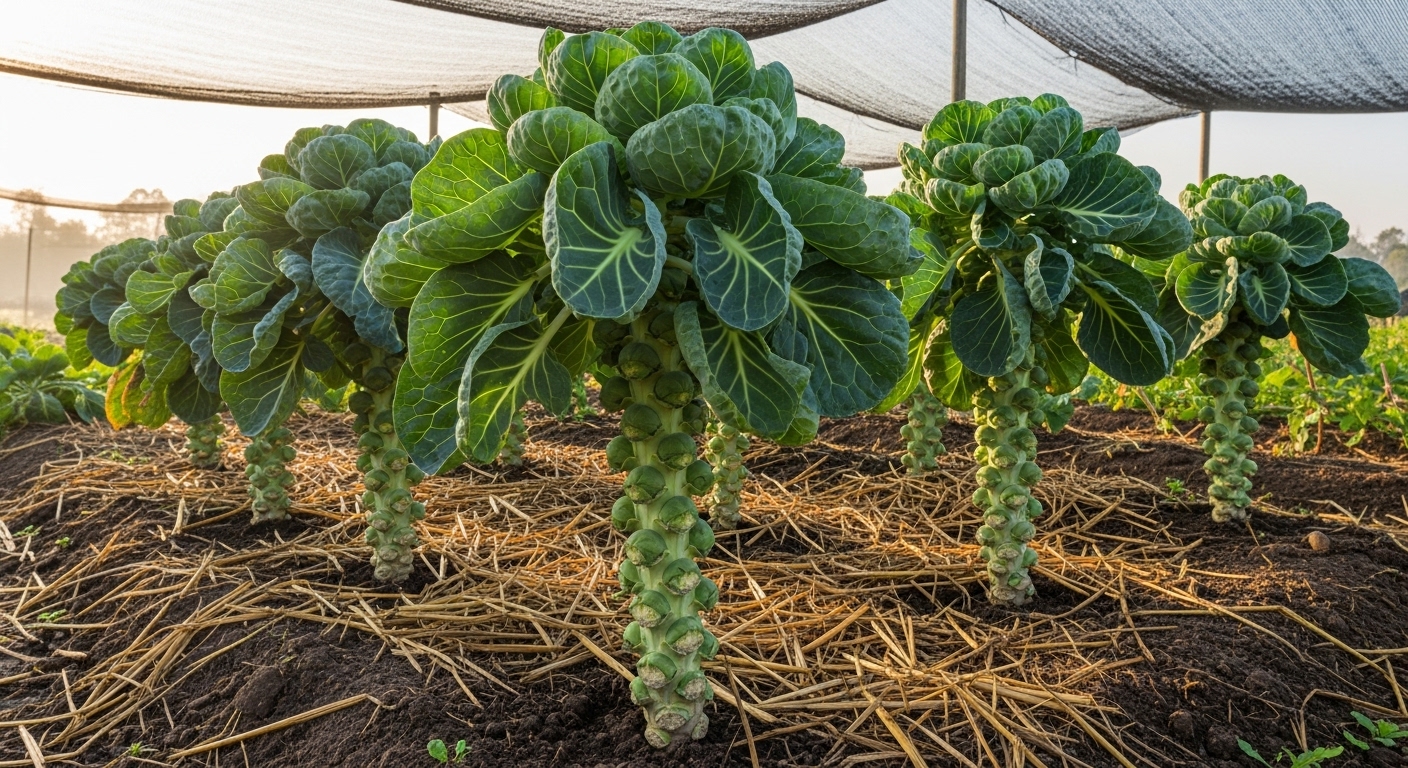
In hot regions, timing is everything: plant Brussels sprouts so they mature as temperatures begin to drop, usually in late summer for a late fall or winter harvest. Try using shade cloth to protect young seedlings from harsh midday sun, and mulch heavily to keep roots cool and moist. Keeping the soil consistently damp, providing some afternoon shade, and staying vigilant against pests like aphids will set your plants up for success. By adjusting your timing and care, you can savor homegrown Brussels sprouts even where summer sizzles.
Soil and Planting Requirements
Brussels sprouts grow best in well-draining, fertile soil rich in organic matter, with a loamy texture that retains moisture without becoming waterlogged. Aim for a slightly acidic to neutral pH level, around 6.5 to 7.0, which helps the plants absorb nutrients effectively.
Before planting, enrich your soil by mixing in compost or well-rotted manure to boost fertility and improve soil structure—a key step for healthy sprouts. Choose a sunny site with good air circulation, avoiding low spots that tend to stay wet.
To prevent soil-borne diseases and pests, rotate your crops each year, and avoid planting Brussels sprouts in the same spot where other brassicas like cabbage or broccoli have grown in the past two or three years. Prepare the ground by loosening the top 12 inches and removing any stones.
You can either sow seeds directly outdoors, about half an inch deep and 2–3 inches apart, or start them indoors and transplant sturdy seedlings to the garden when they’re 3–4 inches tall. Transplanting often gives you a head start in cooler climates, while direct sowing is easier in areas with long growing seasons.
Water consistently, especially after planting, to help the seedlings establish strong roots.
Caring for Your Brussels Sprouts
Caring for Brussels sprouts from seedlings to harvest involves a few key steps that can make a big difference in your crop’s health and flavor. Start by keeping the soil consistently moist; sprouts prefer not to dry out, so aim for about 1–1.5 inches of water weekly, adjusting for rainfall.
Early in the growing season, mulch around your plants with clean straw or shredded leaves to retain moisture and keep weeds at bay. This simple step also helps regulate soil temperature during hot spells.
As the plants grow, feed them with a balanced fertilizer every 3–4 weeks. Too little fertilizer can stunt growth, but too much nitrogen can lead to leafy growth at the expense of sprouts.
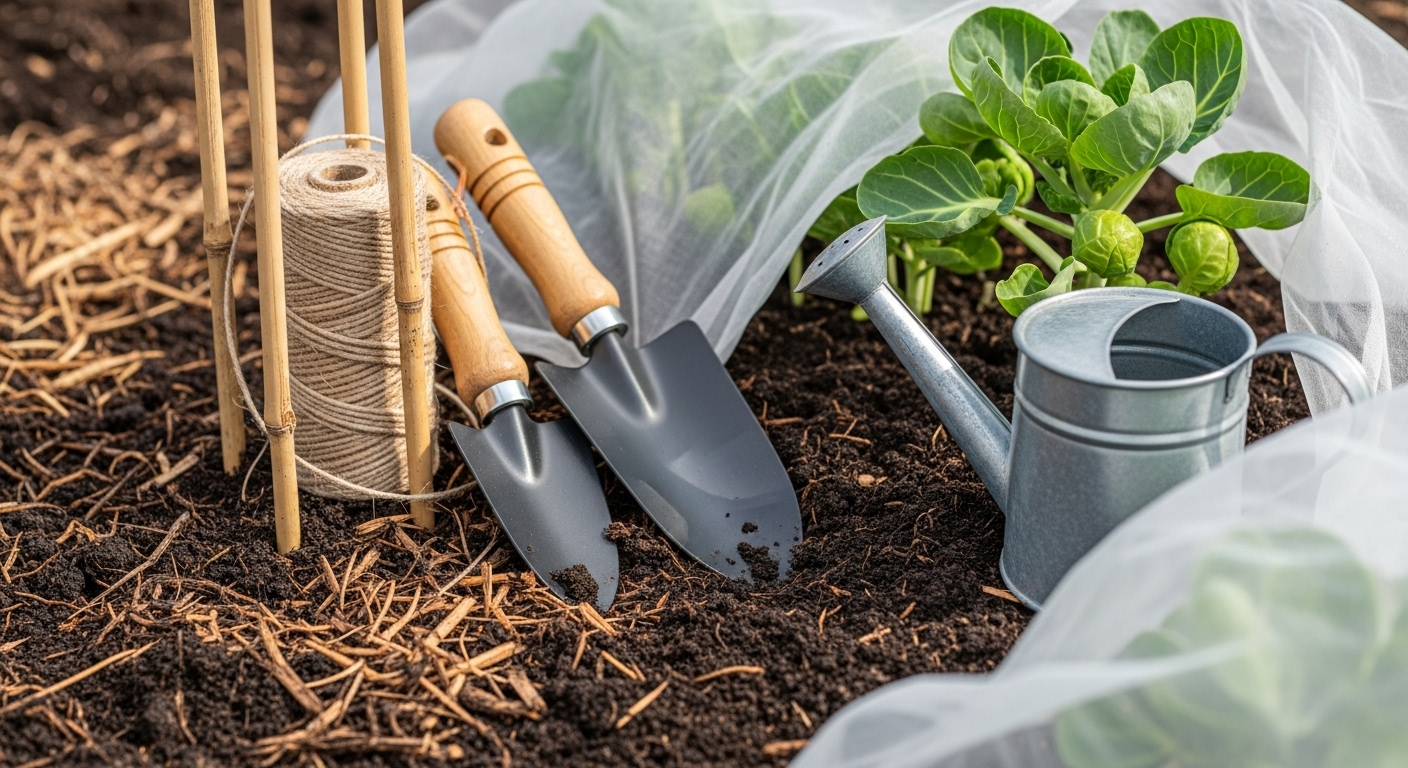
Brussels sprouts have tall, top-heavy stalks, especially as the sprouts develop, so gently stake each plant with bamboo canes or sturdy garden stakes, tying loosely with garden twine to prevent the stems from snapping in strong winds.
Regularly check for pests like aphids or cabbage worms and remove yellowing lower leaves to keep airflow strong.
Patience pays off with Brussels sprouts—wait until after the first light frost to harvest, as cooler temperatures bring out their signature sweetness. Snap off the largest, firmest sprouts from the bottom up as you need them, leaving the rest to mature. This staggered approach keeps your harvest going and ensures each sprout is picked at peak flavor.
With consistent attention and a few proactive steps, you can enjoy a bountiful, delicious crop.
Sunlight, Temperature & Weather Strategies
Brussels sprouts thrive in cool climates, needing full sun for at least six hours a day to develop sturdy stalks and flavorful sprouts. Ideal daytime temperatures range from 60 to 70°F (15 to 21°C); temperatures consistently above 75°F (24°C) can lead to loose, bitter sprouts.
To protect plants from heat stress during hot spells, provide afternoon shade using row covers or strategically planted tall crops nearby. A thick mulch layer will help keep the soil cool and moist while reducing temperature swings.
When unexpected frosts threaten, drape garden fabric or old sheets over the plants in the evening to shield young growth.
Humidity also plays a role—Brussels sprouts dislike overly damp air, which can encourage fungal diseases. Space plants 18-24 inches apart to boost air circulation, and water at the base rather than from above to keep leaves dry.
Consider using a small fan in greenhouse settings to further circulate air and prevent stagnant, humid conditions.
Regularly inspect your plants for yellowing leaves or mold to quickly spot and address problems, ensuring your Brussels sprouts withstand whatever the weather throws their way.
Common Problems, Pests & Diseases
Brussels sprouts can face a variety of common problems, but with a bit of vigilance, you can keep your plants healthy and productive. Pests like aphids and cabbage worms often target sprouts, sucking sap or chewing holes in leaves.
Try spraying plants with a strong jet of water to dislodge aphids, or use insecticidal soap for heavier infestations. To deter cabbage worms, check leaves regularly and pick off caterpillars by hand, or introduce natural predators like ladybugs and lacewings.
Diseases such as clubroot, black rot, and downy mildew—caused by fungi and bacteria—can also threaten your crop. Prevent these by rotating crops each year, avoiding overhead watering, and ensuring good airflow around your plants. Remove and dispose of any infected leaves promptly to stop diseases from spreading.
If you notice stunted growth, poor sprout development, or yellowing leaves, check for compacted soil and ensure your plants aren’t crowded, as these issues limit nutrients. Consistent watering, enriched soil, and regular monitoring go a long way—catching problems early is key, so inspect your sprouts frequently to enjoy a healthier harvest.
Choosing the Best Varieties
When selecting Brussels sprouts for your home garden, it’s important to consider both your flavor preferences and local growing conditions. Popular varieties like Long Island Improved and Jade Cross are favorites for their rich taste and reliable yields.
Long Island Improved is an heirloom that thrives in cooler climates and offers an old-fashioned, nutty flavor, while Jade Cross is a modern hybrid known for disease resistance and compact growth—perfect for gardeners with limited space.
In mild or short-season regions, try Bubbles or Churchill, both hybrids that mature quickly and handle fluctuating temperatures well. For gardeners in warmer areas, Catskill is a sturdy heirloom that tolerates heat better than most.
When deciding between heirloom and hybrid Brussels sprouts, remember:
- Heirlooms often bring unique flavors and a hint of gardening nostalgia.
- Hybrids are bred for higher yields, uniformity, and resistance to common pests.
If pests are a recurring problem, hybrids might be your best bet; if you value historical varieties and enjoy seed saving, heirlooms are a great choice. Above all, match your Brussels sprouts to your local climate and growing challenges—consider consulting seed catalogs or your local extension office for advice tailored to your area.
Harvesting & Storage Tips
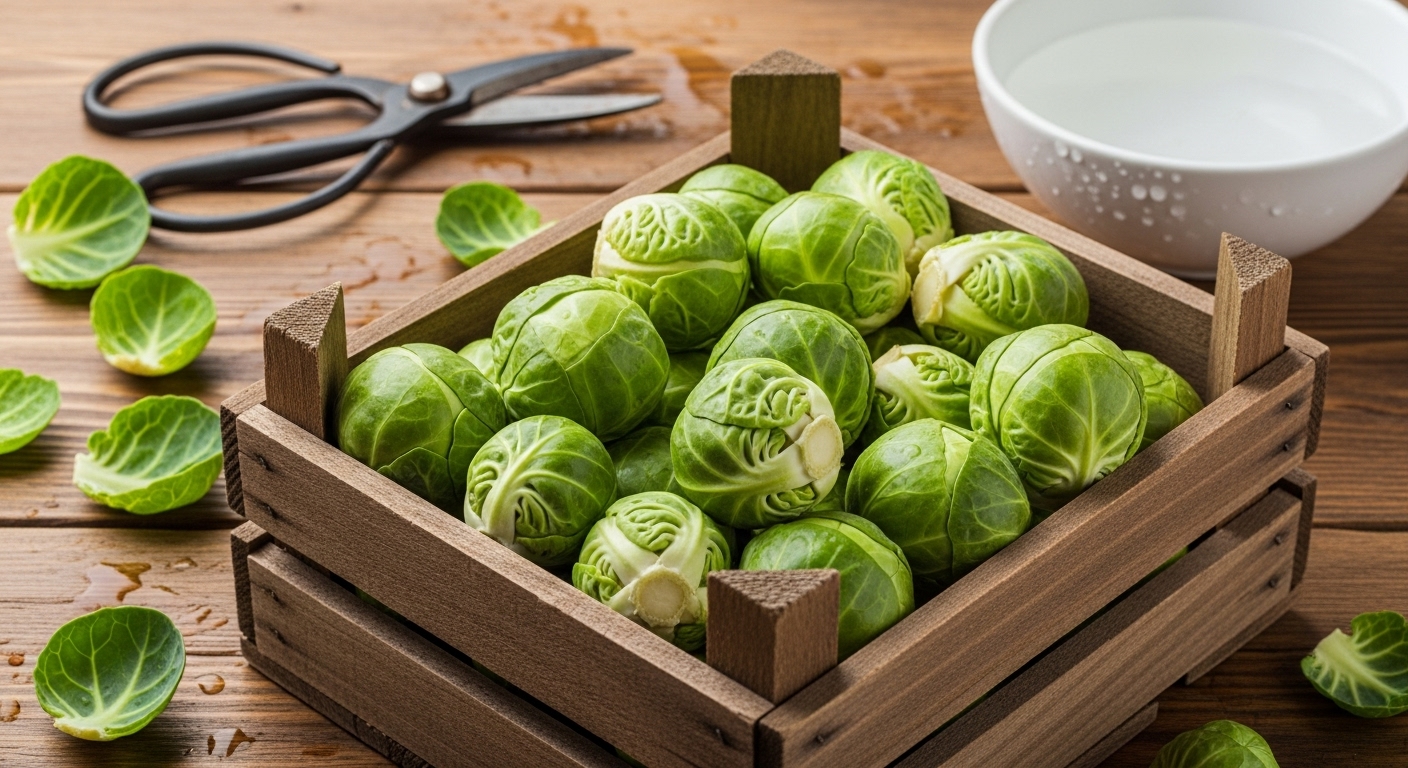
Knowing exactly when to harvest Brussels sprouts can make a big difference in taste and texture. Look for firm, compact sprouts about one to two inches in diameter growing along the stalk. Typically, they’re ready to pick when they appear bright green and feel solid when gently squeezed.
Start harvesting from the bottom of the stalk, where the sprouts mature first. Twist them off by hand or snip with garden shears. For the best flavor, wait until after a few light frosts; the cold weather sweetens the sprouts.
Once picked, remove any loose or yellow leaves and rinse the sprouts with cool water to clean off dirt or bugs. Store unwashed Brussels sprouts in a perforated plastic bag in the crisper drawer of your refrigerator, where they’ll stay fresh for up to a week.
If you want to keep them longer, blanch the cleaned sprouts in boiling water for three to five minutes, then cool them quickly, drain, and freeze in airtight containers.
For quick cooking, try roasting with olive oil and garlic, shaving raw sprouts into salads, or stir-frying with bacon and onions. You can also preserve them by pickling or fermenting for a tangy addition to meals throughout the winter.