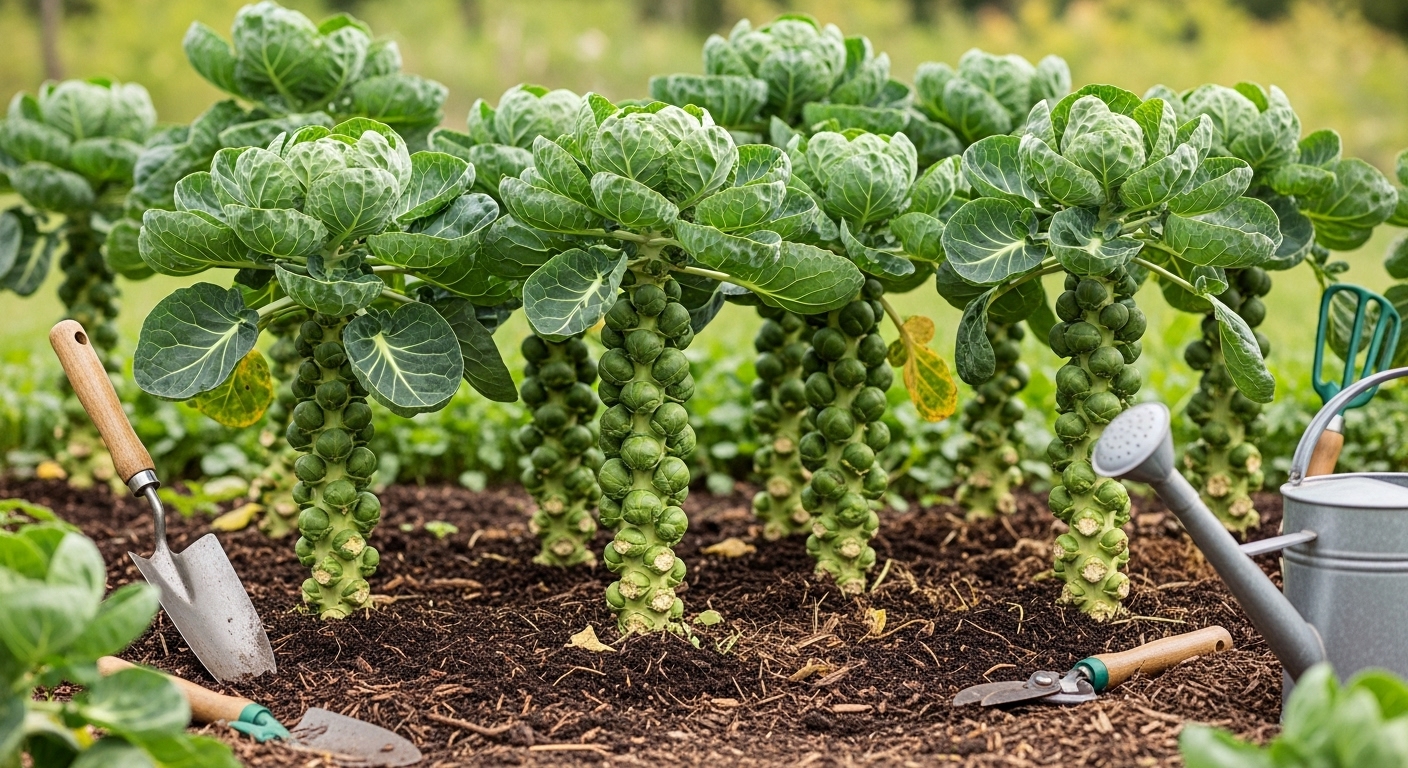
Best Brussels Sprout Varieties
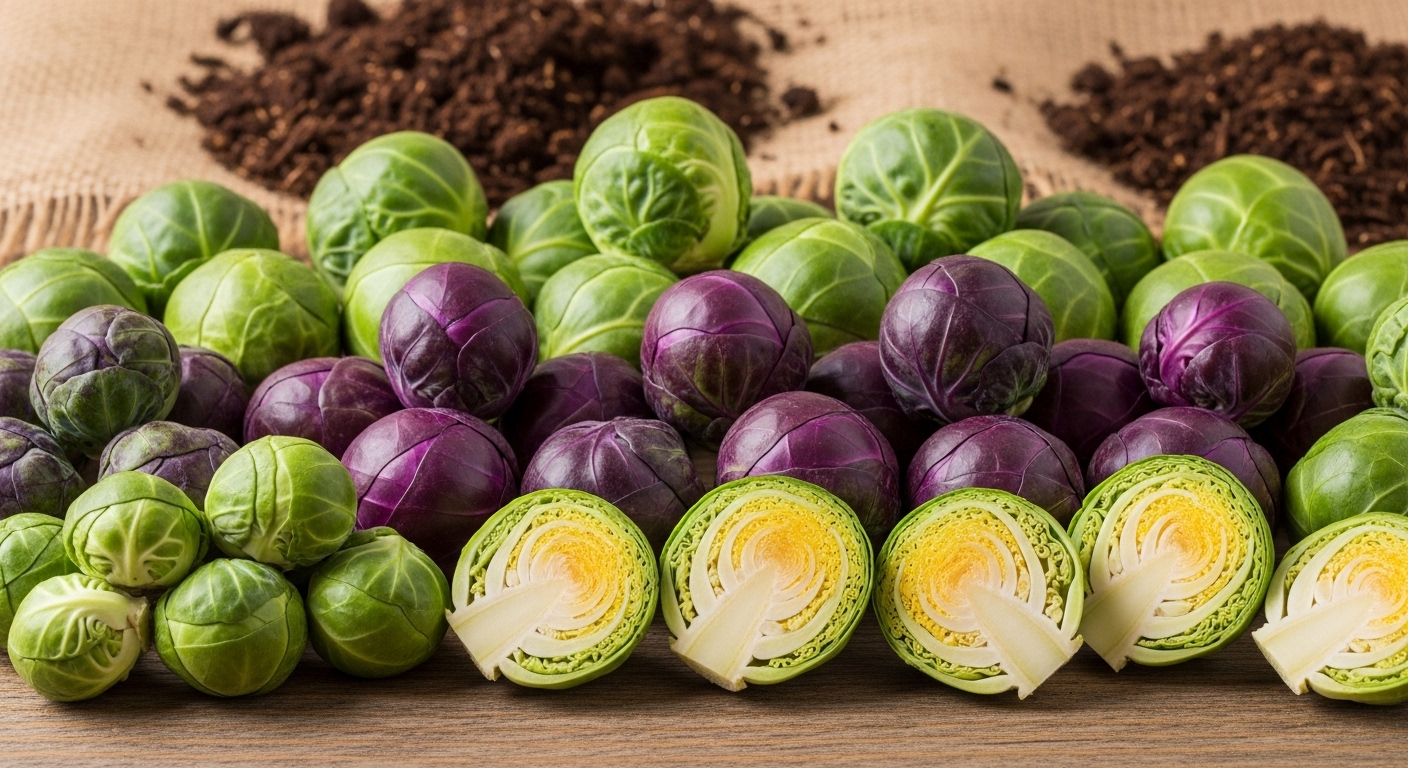
When it comes to elevating your garden and your dinner plate, choosing the best brussels sprouts varieties makes all the difference. These little cabbage-like veggies are packed with nutrition and flavor, but not all Brussels sprouts are created equal. The variety you select impacts everything from taste and texture to how well your plants handle local climate and resist pesky diseases.
For example, if you’re gardening in a short-season area, an early-maturing type like Jade Cross or Oliver will reach harvest before winter sets in. Those after vibrant flavor might prefer the classic, nutty notes of the tried-and-true Long Island Improved, while adventurous growers can opt for red cultivars like Redarling—not only do they add a pop of color, but they can also be sweeter after a light frost.
Disease resistance is key for consistent productivity; modern hybrids often deliver on this front, helping you avoid common issues like clubroot and mildew. Compact varieties such as Catskill thrive in smaller urban spaces or containers, making them a smart choice for city dwellers. Meanwhile, late-maturing giants like Diablo are ideal for gardeners with longer, mild autumns, as the sprouts improve in taste after exposure to cool weather.
Whether you’re seeking high yields for winter storage or tender bite-sized sprouts for roasting, exploring diverse cultivars is the first big step to Brussels sprouts success. A little research now ensures your harvest will be flavorful, robust, and perfect for your unique garden conditions.
Top Tried-and-True Brussels Sprout Cultivars
Choosing the right Brussels sprout cultivar can make all the difference in your harvest, especially with so many tried-and-true and innovative options available.
Classic varieties like Catskill are loved for their large, flavorful sprouts and sturdy, compact plants—perfect if you’re working with limited space. Long Island Improved remains a staple among home gardeners for its reliability and early 90-day maturity, yielding small, tasty sprouts ideal for roasting.
If you’re looking for improved disease resistance and hybrid vigor, Jade Cross stands out with its tight, evenly spaced sprouts and shorter, wind-resistant stalks—a great pick for cooler climates and breezy sites. For those aiming for late-season harvests, Diablo offers a hardy option with tall plants and sweet, nutty-tasting sprouts that hold up well even after light frost.
If you want to spice up your garden visually and culinarily, Redarling brings striking purple-red sprouts along with a mild, slightly sweeter flavor. It performs especially well in cooler weather, making it a conversation piece at fall dinners.
Gardeners battling common brassica diseases might appreciate resilient choices like Nautic and Maximus F1, both prized for their resistance to clubroot and powdery mildew, as well as their abundant, uniform sprout production.
Choosing the Right Cultivar for Your Garden
To help narrow it down, consider your garden space:
- Compact types like Catskill fit raised beds or small plots.
- Tall growers like Diablo shine in roomy gardens.
Early-maturing cultivars (Long Island Improved, Jade Cross) suit short seasons, while late varieties work well where frost protection is possible. And, of course, flavor preferences matter:
- Go mild and tender with hybrids.
- Choose deep and earthy flavors with heirlooms.
- Try a red variety for a novelty twist.
By matching climate, space, and taste, you’ll find a Brussels sprout cultivar that’s just right for your table and garden.
Growing Conditions for Best Results
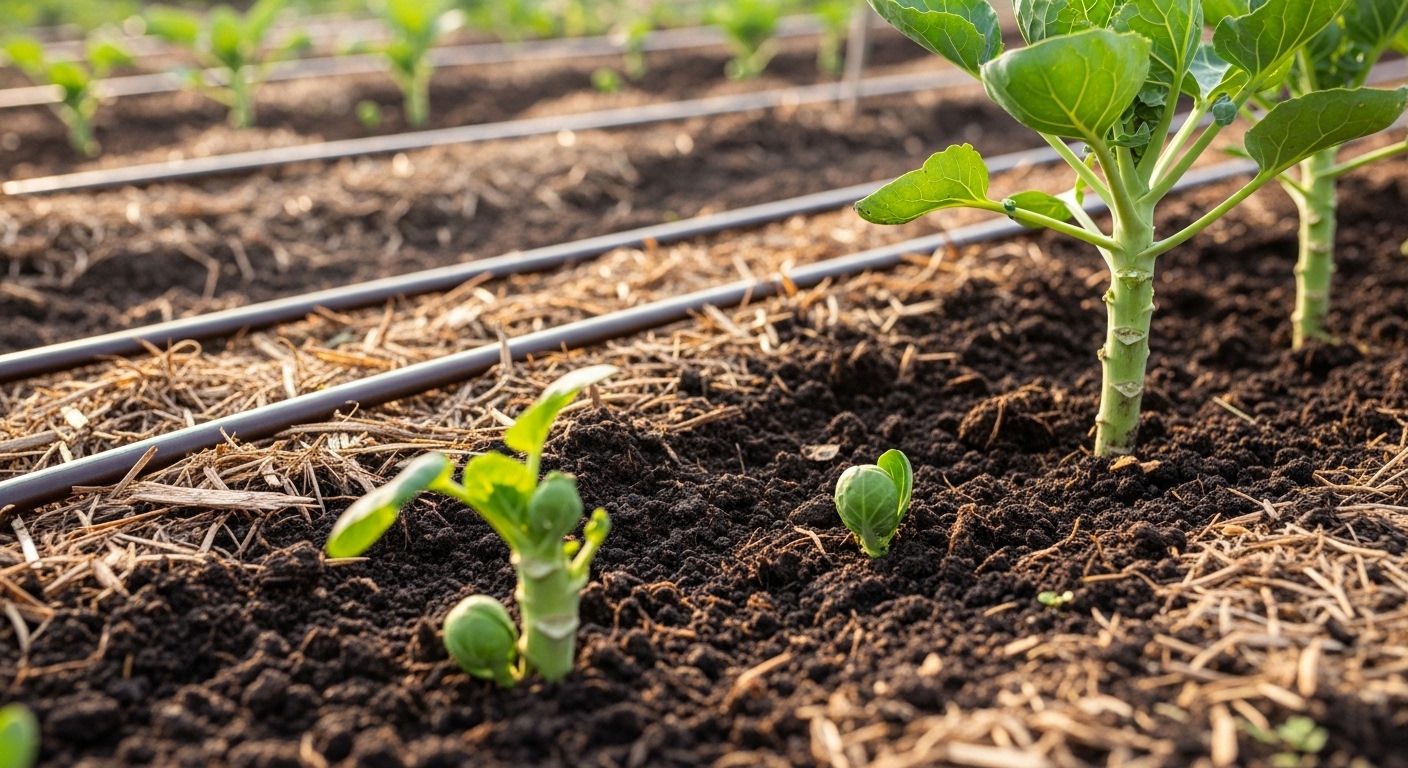
Brussels sprouts thrive when planted in well-drained, fertile soil with a neutral to slightly alkaline pH, ideally between 6.5 and 7.5. Heavy or sandy soils can be improved with plenty of organic matter—think compost or aged manure—to boost fertility and help the soil retain moisture without becoming waterlogged. Good drainage is crucial because Brussels sprouts are prone to root rot if their roots sit in soggy soil.
For best results, work compost into the soil a few weeks before planting, aiming for a crumbly, rich texture that’s easy to dig. When preparing the garden bed, consider a soil test to determine nutrient levels. If you notice deficiencies, add a balanced fertilizer before planting or top-dress the soil with additional compost as the plants grow. Side-dressing with nitrogen-rich fertilizer (like blood meal or a slow-release all-purpose blend) about a month into growth can encourage strong stalks and well-formed sprouts, but avoid over-fertilizing—too much nitrogen may produce lush leaves but fewer sprouts.
Consistent moisture is key for growing firm Brussels sprouts, so water them deeply once or twice a week, adjusting for rainfall and weather conditions. Use mulch to help retain soil moisture and prevent weeds. Drip irrigation or soaker hoses are ideal because they keep leaves dry and reduce disease risk.
Brussels sprouts are cool-weather crops that perform best when daytime temperatures are between 60–70°F (15–21°C) and nights stay above freezing but below 60°F (16°C). Too much heat can cause bitter, loose sprouts. In hot climates, try planting where they’ll be shaded from harsh afternoon sun or time your planting so that most of the maturity period occurs during cooler fall weather.
In short, focus on healthy, rich soil, steady moisture, and moderate temperatures—and you’ll grow Brussels sprouts that are firm, flavorful, and perfect for your table.
Managing Pests and Disease
Keeping your garden healthy starts with recognizing common threats like aphids, cabbage worms, and diseases such as clubroot. Aphids are tiny, sap-sucking insects that cluster on leaves and stems, causing distorted growth, while cabbage worms are green caterpillars that munch through leaves, leaving visible holes. Clubroot is a soil-borne disease that causes swollen, deformed roots and wilting in brassicas like cabbage and broccoli.
To prevent these issues, practice crop rotation by changing the location of susceptible plants each year—this breaks pest and disease life cycles. Choose resistant varieties when purchasing seeds or starts, as these are bred to withstand common diseases like clubroot. For organic pest control, introduce beneficial insects such as ladybugs that prey on aphids and handpick cabbage worms as soon as you spot them. You can also cover plants with row covers to create a physical barrier.
Healthy soil supports strong plants, so add compost and avoid overwatering, which can make plants more vulnerable. Walk through your garden regularly to inspect leaves—look for holes, yellowing, or sticky residue. Early detection is key, so remove and dispose of affected plant parts promptly. Consider interplanting with herbs like dill or nasturtiums, which can repel certain pests.
Finally, clean up plant debris at the end of the season to reduce overwintering pest and disease reservoirs. With a little vigilance and a few proactive measures, you can protect your crops and enjoy a bountiful harvest.
Harvesting and Storage Tips
Knowing when to harvest Brussels sprouts is key to getting the best flavor and texture. Look for firm, compact sprouts about 1 to 1.5 inches in diameter—roughly the size of a large marble or golf ball. The sprouts should feel solid when you squeeze them gently and have tightly packed, bright green leaves; avoid any that feel soft or are turning yellow.
The lower sprouts mature first, so start at the bottom of the stalk and work your way up. It’s best to pick in the morning or on a cool, cloudy day when the plants are less stressed. Use a sharp garden knife or pruners to cleanly twist or cut each sprout from the stalk. Take care not to damage the stem or the leaves, as continued growth depends on a healthy plant.
For short-term storage, place unwashed sprouts in a perforated plastic bag in your refrigerator’s vegetable drawer—they’ll keep fresh for up to a week. If you want to store them long-term, blanch the sprouts in boiling water for three to five minutes, then plunge them into ice water to stop the cooking. Drain thoroughly, then pack the cooled sprouts into airtight freezer bags or containers; label and date them before placing them in the freezer. This way, they’ll retain their flavor and nutrients for up to a year, letting you enjoy garden-fresh Brussels sprouts even in the off-season.
Creative Ways to Enjoy Brussels Sprouts
Brussels sprouts often get a bad rap, but with the right approach, they can become one of your favorite veggies. These little green powerhouses are packed with vitamins C and K, fiber, and antioxidants that support immunity and overall health.
Roasting is a game-changer for Brussels sprouts—just toss them with olive oil, salt, and pepper, then bake at 400°F for about 20 minutes until crispy and caramelized.
For a speedy weeknight side, try sautéing halved sprouts in a skillet with a bit of garlic and a splash of balsamic vinegar; this brings out their natural sweetness and adds a tangy kick.
If you prefer your veggies raw, shred Brussels sprouts and toss them into salads for a crunchy, nutritious boost. Mix them with sliced apples, toasted walnuts, and a lemony dressing for a quick, refreshing meal.
Don’t be afraid to get creative—Brussels sprouts also pair well with crispy bacon bits, parmesan, or a drizzle of honey.
Whether you’re roasting, sautéing, or tossing them into salads, these versatile veggies can be adapted to suit any palate, making it easy to pack extra nutrition and flavor into your daily meals.