Why Save Your Own Broccoli Seeds?
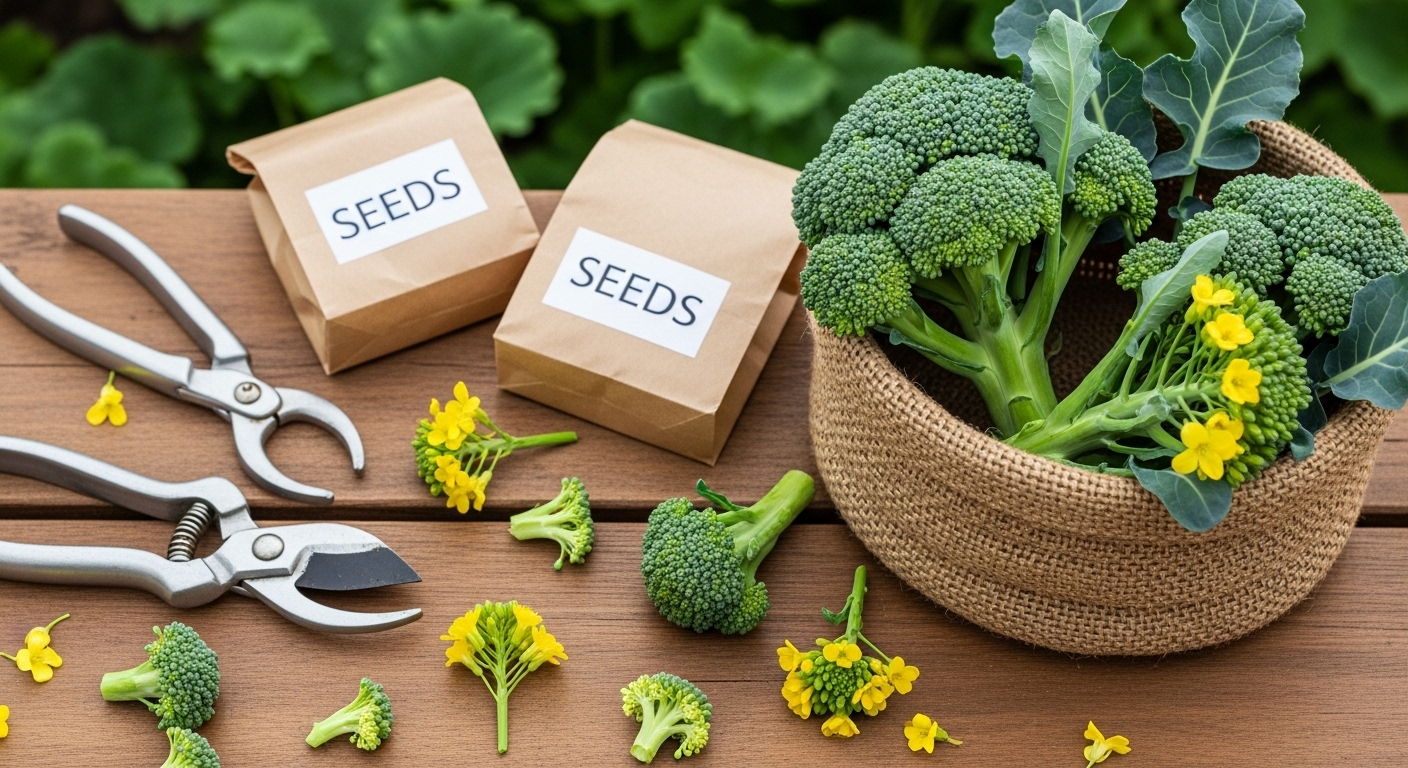
Saving broccoli seeds is a smart move for home gardeners and small-scale growers looking to take control of their harvests and create a truly self-sufficient garden. By saving your own broccoli seeds, you’re not just cutting costs season after season—you’re also building a more resilient backyard food supply.
For anyone who’s discovered a favorite broccoli variety or enjoys vegetables that taste better and perform well in their soil, seed-saving is a way to preserve those unique traits year after year. Think of it like creating a custom seed bank tailored to your garden’s exact needs.
Plus, harvesting and storing seeds means one less trip to the store and fewer worries about seed shortages or commercial varieties going out of stock. Environmentally, this practice promotes biodiversity and sustainability.
When you select seeds from the healthiest, most productive broccoli plants, you’re naturally selecting for traits that thrive in your conditions, gradually developing a crop better suited to your microclimate than any generic seed packet could offer.
Even if you’re new to gardening, learning how to save seeds is a small step that leads to big gains: greater independence, a stronger connection to your plants, and the satisfaction of nourishing your garden ecosystem.
For those aiming for self-sufficiency or simply wanting to stretch the gardening budget, saving broccoli seeds is a practical, impactful habit that pays dividends season after season.
Understanding Broccoli: Key Features and Seed Formation
Broccoli is easily recognized by its dense cluster of green flower buds, commonly known as the “head.” This head is actually a collection of immature flowers tightly packed together. If left unharvested, these buds open into small yellow blossoms, marking the start of seed formation.
For gardeners growing broccoli for eating, the goal is to harvest these heads before the florets bloom. However, for seed production, the process is quite different: you allow the heads to flower fully and mature until pods, called siliques, form where the flowers once were. Each of these pods holds several small seeds.
The Role of Pollination
Pollination is key—broccoli flowers rely primarily on insect pollinators like bees to transfer pollen between flowers, enabling the development of viable seeds.
Preventing Cross-Pollination
One important consideration for seed savers is the high likelihood of cross-pollination between different types of brassicas, such as cabbage, cauliflower, and kale, which can result in hybrid seeds with unpredictable traits.
To maintain genetic purity, breeders recommend isolating broccoli plants from other brassicas by at least 1,000 feet (or more, if possible), or using physical barriers like mesh cages during flowering.
This careful management allows you to collect true-to-type broccoli seeds for planting next year, whether in home gardens or larger-scale seed saving projects.
How and When to Harvest Broccoli Seeds
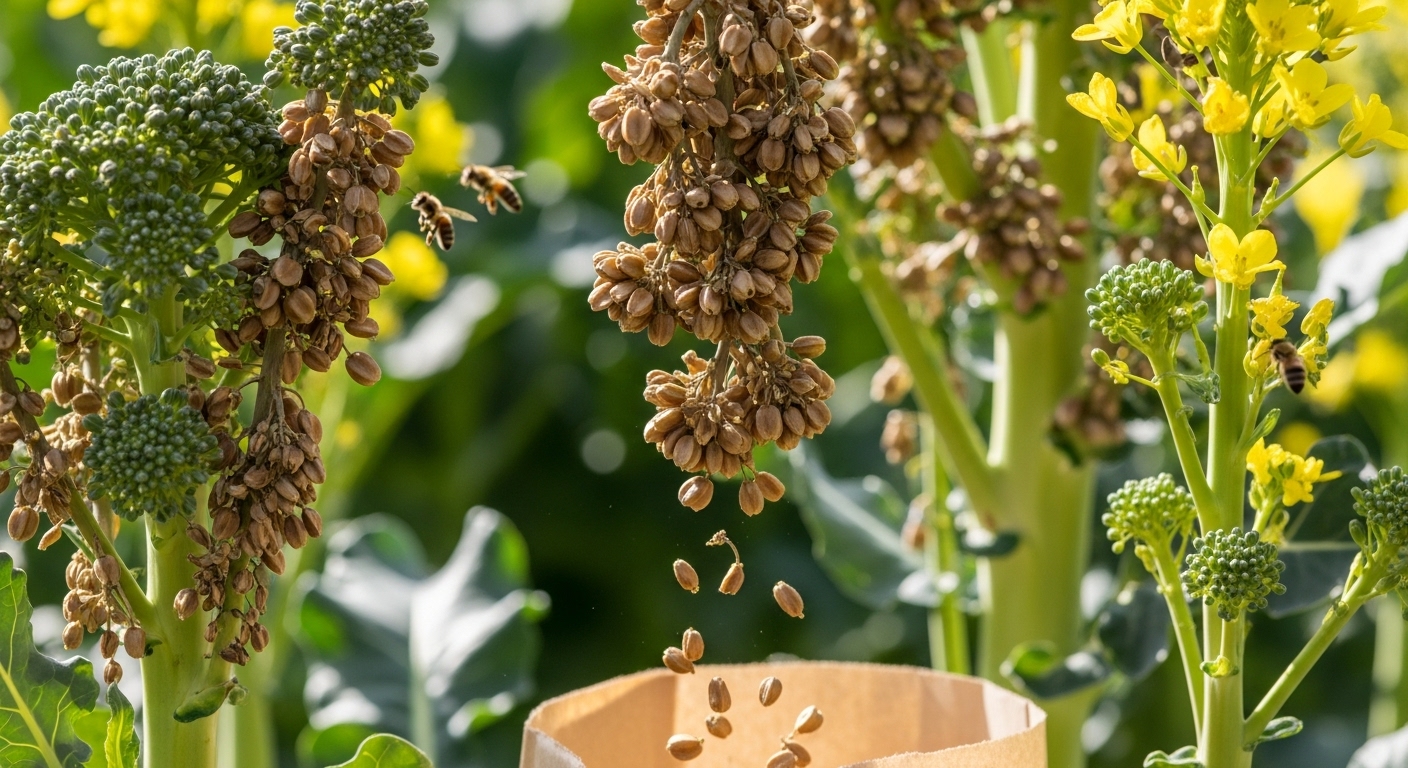
To harvest broccoli seeds successfully, start by letting your broccoli plants bolt—meaning you allow them to flower instead of cutting them for eating. Once spring temperatures rise, the plants send up tall stalks topped with clusters of yellow flowers.
After pollination, often aided by bees, these flowers develop into skinny green seed pods, sometimes called siliques, that dangle from the stems. Over the next several weeks, resist the urge to cut anything; wait until the pods mature and turn from green to a dry, papery light brown. This color change signals that the seeds inside are fully ripened.
Gently shake a dried pod—if it rattles, the seeds are loose and ready for harvesting. Be sure to choose a dry, sunny day for collecting seeds, as moisture can cause pods to mold or sprout prematurely.
Using clean, sharp scissors or garden snips, cut entire stalks off the plant and place them upside down in a paper bag or large bucket. Let them sit in a cool, dry area for several more days to finish drying if needed.
To collect the seeds, gently crush the pods or roll them between your hands inside the bag or bucket. Then sift through the debris to pick out the small, round, dark seeds—these are your future broccoli crop!
Store the seeds in a labeled envelope or airtight jar, keeping them in a cool, dark spot until you’re ready to plant next season. With just a little patience, you’ll build up your own stash of broccoli seeds to keep your garden thriving year after year.
Processing, Cleaning, and Storing Broccoli Seeds
Harvesting broccoli seeds is easiest when the pods have dried on the plant but before they shatter open. To separate seeds from the pods efficiently, place the dry pods in a sturdy paper bag or pillowcase, then gently crush them with your hands or a rolling pin. Shake the bag to loosen seeds from the chaff, pour the mixture onto a shallow tray, and use gentle blowing or a small fan to winnow away lightweight debris—this helps separate seeds cleanly without damage.
Once separated, pour the seeds into a sieve and rinse thoroughly under cool water to remove any remaining plant material or dust. Spread the seeds out in a thin layer on a paper towel or mesh screen, keeping them out of direct sunlight. Let them air dry for up to a week, stirring occasionally for even drying—proper dryness is crucial to prevent mold and maximize germination rates.
When fully dry, store seeds in airtight containers like glass jars or ziplock bags with a packet of silica gel to absorb excess moisture. For long-term viability, keep containers in a cool, dark place—refrigerators work well if moisture is controlled. Always label containers clearly with the seed type and harvest year, so you know what’s inside and how old the seeds are.
Well-stored broccoli seeds can remain viable for up to five years, making these careful steps worthwhile for future garden success.
Tips for Planting Broccoli Seeds: Maximizing Success
Planting saved broccoli seeds can be highly rewarding with just a bit of planning. Start by checking your local last frost date—broccoli grows best in cool weather, so aim to sow seeds indoors 6-8 weeks before the last frost or directly into the ground 2-3 weeks before that date.
For soil preparation, pick a sunny spot and work in rich compost or aged manure to boost nutrients, making sure the soil drains well. If you’re deciding between direct sowing and starting indoors, know that indoor seed starting gives you a head start and more control over germination, but direct sowing can be convenient if you have mild spring weather and less space indoors.
Whichever method you choose, plant seeds a quarter inch deep and keep them moist but not soggy. When using saved seeds, always check for signs of damage or mold—fresh, healthy seeds should be firm and evenly colored.
To prevent disease, rotate plant families each season and don’t plant broccoli in the same spot every year. If you notice stunted growth or yellowed leaves, it could signal poor seed quality or a soil-borne disease, so start with the cleanest seeds and healthiest soil possible.
With these steps, you’ll give your broccoli the best possible start.
Maintaining Healthy Broccoli: Disease Prevention and Variety Selection
When it comes to saving broccoli seeds, starting with strong, healthy parent plants is key. Choose plants that thrived throughout the growing season, resisted pests, and showed no signs of disease—these are most likely to pass on hardy traits to the next generation.
Opt for disease-resistant broccoli varieties that breeders have developed specifically to withstand common problems like clubroot and downy mildew.
To prevent the build-up of seed-borne diseases year after year, rotate your broccoli and other brassica crops to fresh spots in your garden each season, ideally waiting at least three years before replanting in the same area.
Practicing good garden hygiene is just as important:
- Remove plant debris promptly
- Sanitize seed-saving tools
- Avoid working with wet plants to minimize disease spread
If you’re new to seed saving or want to boost your success, resources like the Seed Savers Exchange and university extension websites offer practical guides on choosing the best varieties and maintaining healthy seed stock over time.
By being selective and proactive with your garden practices, you can ensure your broccoli crop stays vigorous and productive for future seasons.
Conclusion and Next Steps
Saving and planting broccoli seeds not only preserves unique plant traits but also reduces gardening costs and builds resilience in your crops. By allowing broccoli plants to flower and collecting seeds once the pods dry, you create a cycle that benefits both your garden and the environment.
Adding seed-saving to your routine is a simple yet powerful step any gardener can take. Don’t hesitate to connect with local or online seed-saving communities for advice and inspiration. For ongoing learning, explore educational resources like videos, books, or workshops that deepen your knowledge and help you perfect your skills each season.