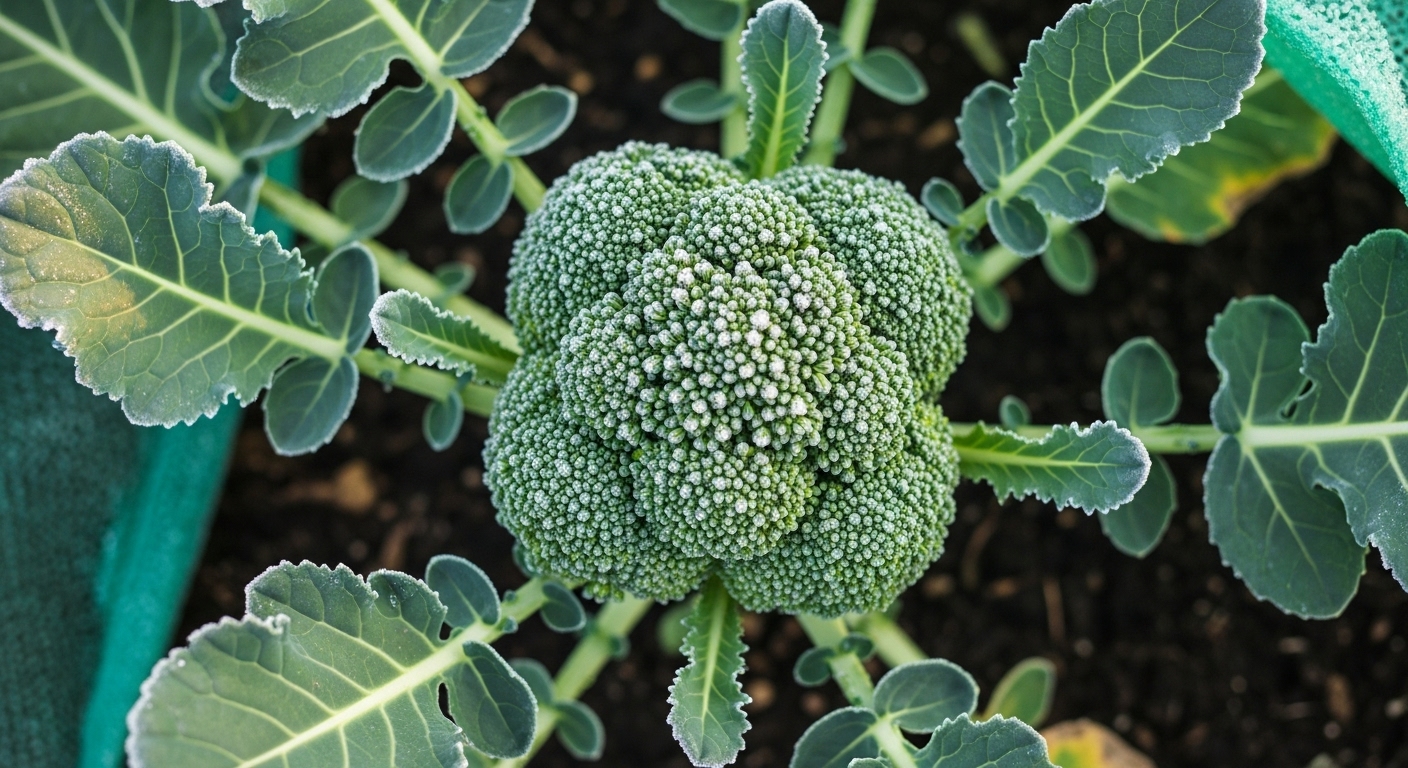
Understanding Broccoli’s Cold Tolerance
If you’ve ever wondered about cold weather broccoli and whether you can grow it in chilly climates, you’re in luck—broccoli is actually one of the most cold-tolerant vegetables you can plant in your garden. Most varieties thrive in temperatures between 60°F and 70°F, but they can withstand dips as low as 25°F without suffering lasting damage. This makes broccoli a reliable choice for gardeners who deal with cooler seasons or even those unexpected late-season cold snaps.
It’s important, though, to understand the difference between a light frost and a hard frost. A light frost occurs when temperatures hover just below freezing (32°F to 29°F), which often isn’t a problem for broccoli; in fact, a gentle frost can even make the florets taste sweeter. However, a hard frost (28°F or lower for several hours) can damage leaves and stems, especially for young seedlings or maturing heads nearing harvest.
Advantages of Growing Cold Weather Broccoli
Growing cold weather broccoli offers several benefits:
- Cooler temperatures discourage common insect pests like aphids and cabbage worms, meaning less need for constant vigilance or chemical treatments.
- Slower growth in cold weather helps develop those prized tight, flavorful heads gardeners seek.
For anyone keen on a productive fall or early spring harvest, broccoli’s resilience and preference for crisp air make it a staple choice. Whether you’re a novice or seasoned gardener, understanding this vegetable’s hardiness opens the door to enjoying fresh broccoli even when most other crops can’t take the chill.
Stages of Broccoli Growth and Frost Sensitivity
Broccoli’s resistance to frost changes significantly as it moves through different growth stages. Seedlings—those delicate, just-sprouted plants—are much more vulnerable to cold snaps, and even a light frost can seriously stunt their growth or cause them to fail altogether. On the other hand, mature broccoli plants, especially those with established roots and several true leaves, can withstand lower temperatures and even tolerate light frosts without permanent damage.
However, timing is crucial when you’re planting broccoli to avoid the pitfalls of unseasonably cold weather. For best results, start seeds indoors and transplant young, hardy seedlings to your garden about 2-3 weeks before the last expected spring frost; this gives them enough strength to endure chilly nights.
If you plant too early or if a sudden freeze hits while your broccoli is still small, you risk triggering “bolting”—when the plant flowers prematurely and stops producing healthy heads. Cold stress at the wrong time, especially when heads are just starting to form, can also lead to poor development or small, loose heads that are less desirable both for eating and selling.
To minimize these risks, monitor your local weather closely, stagger plantings, and consider using row covers during unexpected cold spells. This way, you’ll help ensure robust broccoli growth every step of the way, protecting your harvest from both frost and missed opportunities for peak production.
Protecting Broccoli from Frost: Essential Techniques
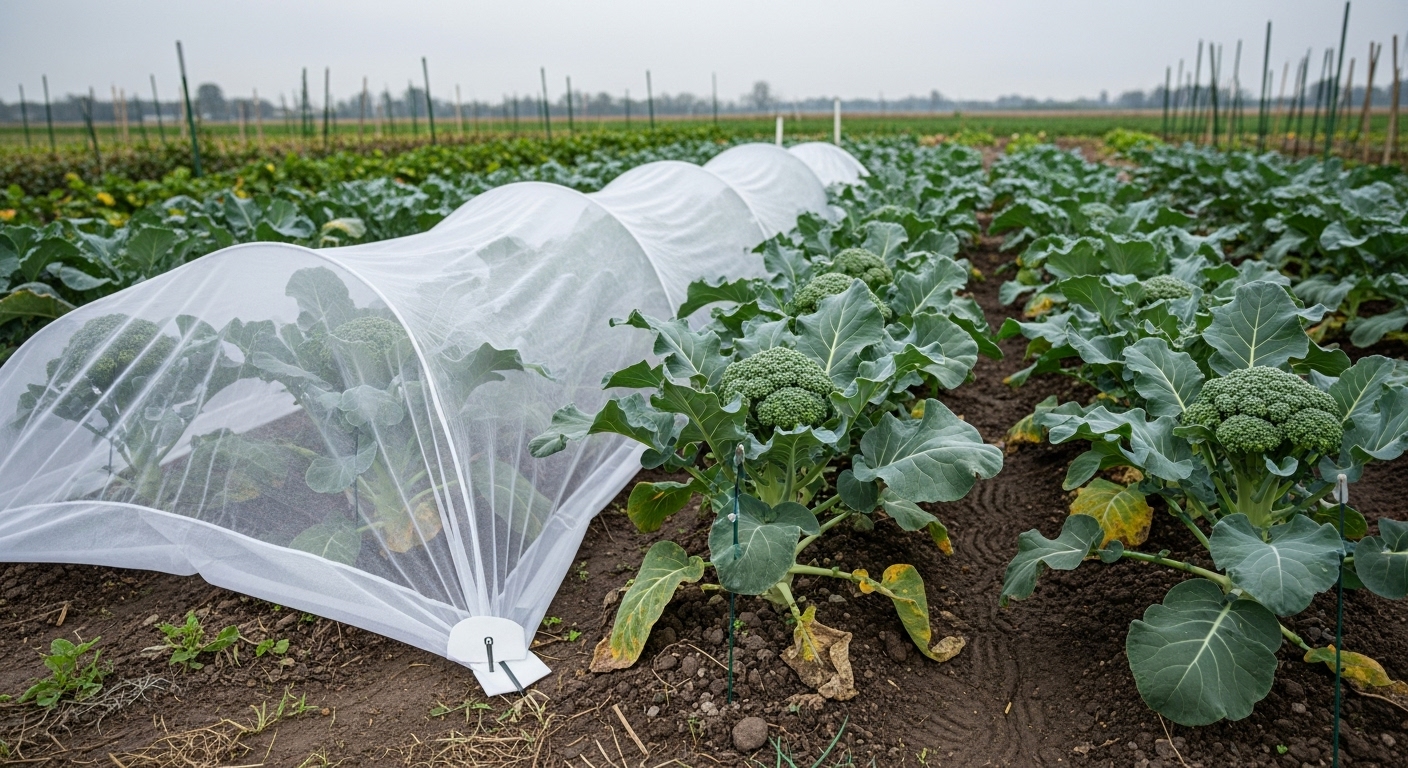
Protecting broccoli from frost is crucial to ensure a healthy, productive crop, especially when temperatures start to dip unexpectedly. One of the most effective techniques is using row covers—lightweight fabric sheets like agricultural fleece—draped over your broccoli plants before dusk whenever frost threatens.
Be sure to anchor the covers securely with rocks or garden staples so the wind doesn’t lift them overnight, and remove them during the day to let sunshine in.
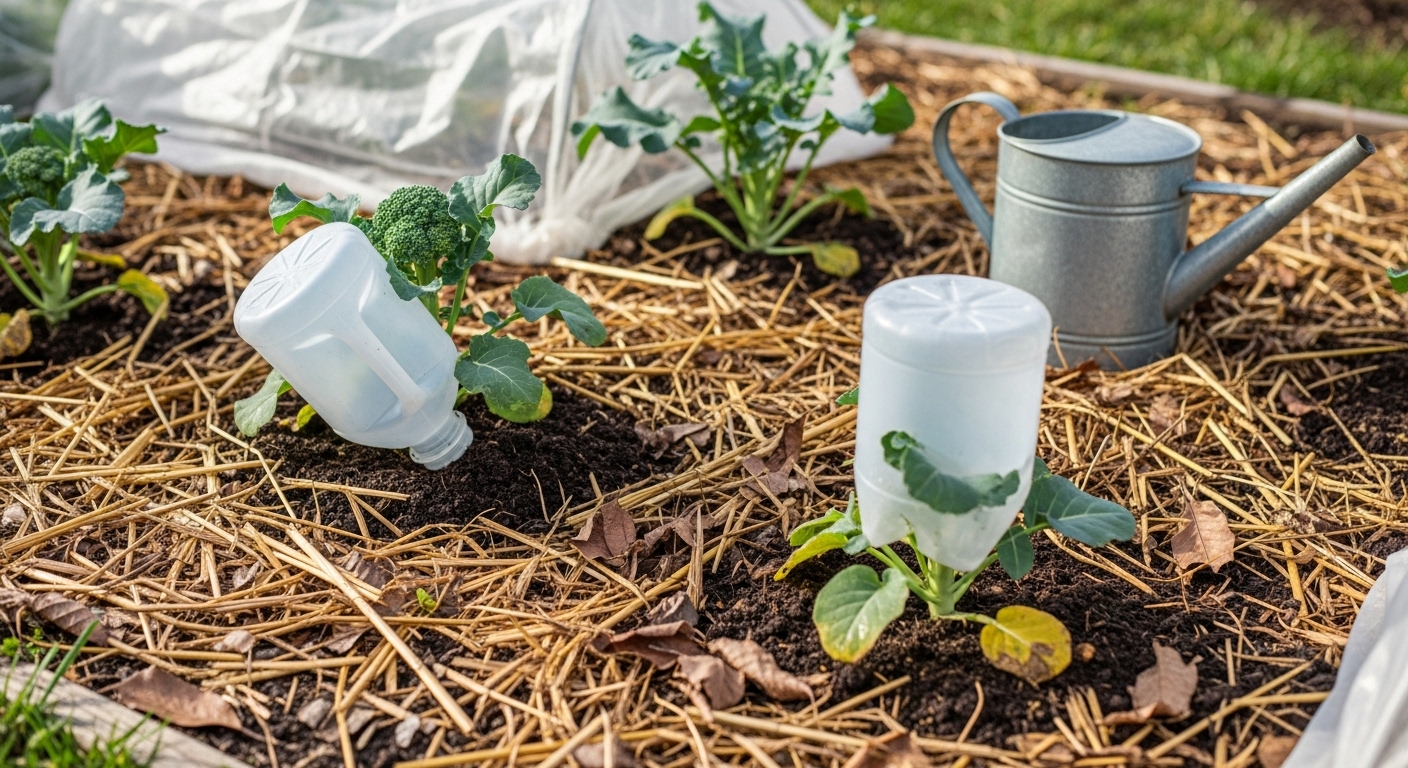
Mulching is another easy method: spread a thick layer of straw, shredded leaves, or even grass clippings around the base of each plant. This helps insulate the roots and regulate soil temperature, providing extra warmth when nights get cold.
Timing your watering can also offer protection: give your broccoli a deep drink in the late afternoon before a predicted frost. Moist soil retains heat better than dry soil, creating a micro-environment that helps ward off freezing air.
For extra cold spells or sudden temperature drops, use inverted buckets, plastic jugs with the bottoms cut out, or even cardboard boxes as temporary emergency covers. Be sure to remove them as soon as the mercury rises the next morning.
Always check local forecasts during shoulder seasons and prepare your frost protection measures in advance to give your broccoli the best shot at thriving through chilly nights. Remember, consistent vigilance and a few proactive steps can make all the difference between a damaged crop and vibrant, sweet-tasting broccoli heads.
Indoor & Overwintering Care for Broccoli
Starting broccoli indoors is a smart way to get a jump on the growing season, especially if you live in a region with cold, unpredictable springs. Sow broccoli seeds in seed trays or small pots about 6-8 weeks before your last expected frost date, using a high-quality seed starting mix. Keep seedlings on a sunny windowsill or under grow lights, and maintain the soil consistently moist but not soggy.
About a week before transplanting, start hardening off your seedlings by setting them outside for a few hours each day. Gradually increase the time and exposure to direct sunlight and cooler temperatures—this step toughens young plants so they can adjust to outdoor conditions without shock.
For overwintering in mild climates, choose cold-tolerant broccoli varieties and plant them in late summer so they mature in cool weather. Protect plants with row covers, cold frames, or thick mulch to shield from frost and temperature swings. In these mild areas, broccoli can grow slowly throughout winter and provide a harvest during the cooler months.
Regularly check for pests like aphids and slugs, which remain active in cool, damp conditions, and remove damaged foliage to keep your plants healthy and productive.
Common Problems and Solutions for Cold-Stressed Broccoli
Cold-stressed broccoli often shows clear warning signs, such as yellowed or purplish leaves, wilted foliage, and blackened or mushy stem tips—classic symptoms of frost damage. In more severe cases, the developing heads may become deformed or fail to form altogether.
If your plants have experienced a frost, act quickly by trimming away any visibly damaged leaves and stems to help prevent rot from spreading. Covering plants with garden fleece or row covers at night can protect against further temperature drops. Applying a diluted liquid fertilizer can promote recovery by giving stressed plants a gentle nutrient boost.
Keep in mind that cold-stressed broccoli is more vulnerable to pests like aphids and diseases such as downy mildew—regularly inspect plants for signs of infestations and remove any affected foliage promptly. Also, stunted growth is common after chilling injury; however, broccoli often bounces back with warmer weather and consistent moisture, so avoid overwatering, which can worsen root rot.
If your area is prone to late frosts, consider planting hardier varieties or starting seeds indoors for an extra head start. With quick care and a watchful eye, many cold-stressed broccoli plants can recover and still deliver a healthy harvest.
Harvesting and Best Practices for Flavorful, Healthy Broccoli
Harvesting broccoli at the right time is key to enjoying its best flavor and nutritional value, especially if your plants have been exposed to frost. After a light frost—when nighttime temperatures dip just below freezing—head out in the morning to harvest while the heads are still firm, tight, and full. This slight chill often sweetens the broccoli, bringing out natural sugars that create a richer taste.
However, if a severe frost or hard freeze is on the horizon (consistently below 28°F/-2°C), it’s crucial to pick your broccoli beforehand; otherwise, the heads might lose texture, become mushy, or develop off-flavors. To harvest, use a sharp knife to cut the main head about 5-6 inches below the crown, aiming for a clean cut to promote side shoot growth, if your variety allows.
Once picked, immediately place broccoli in the fridge or plunge it into ice water for a few minutes to halt wilting and preserve crispness. Store harvested broccoli unwashed in a loose bag or perforated container in the refrigerator for up to a week—washing right before use keeps it fresher longer. For extra longevity, you can also blanch and freeze pieces for soups and stir-fries without sacrificing flavor or nutrients.
Quick FAQ: Frost and Broccoli Care
Broccoli is surprisingly resilient to chilly weather, often withstanding light frosts down to about 26°F (-3°C) without serious harm. In fact, a touch of frost can even improve its flavor!
Don’t worry—a single mild frost won’t kill your broccoli plants. However, repeated hard freezes or extended cold spells can damage the heads and leaves.
To protect your crop:
- Cover plants with frost cloth or old sheets on particularly cold nights.
- Water well before a cold snap, as moist soil holds warmth better.
- Keep an eye on your local forecast and provide extra protection if temperatures dip lower than usual.