Can Chickens Eat This? A List of Safe and Unsafe Foods for Chickens
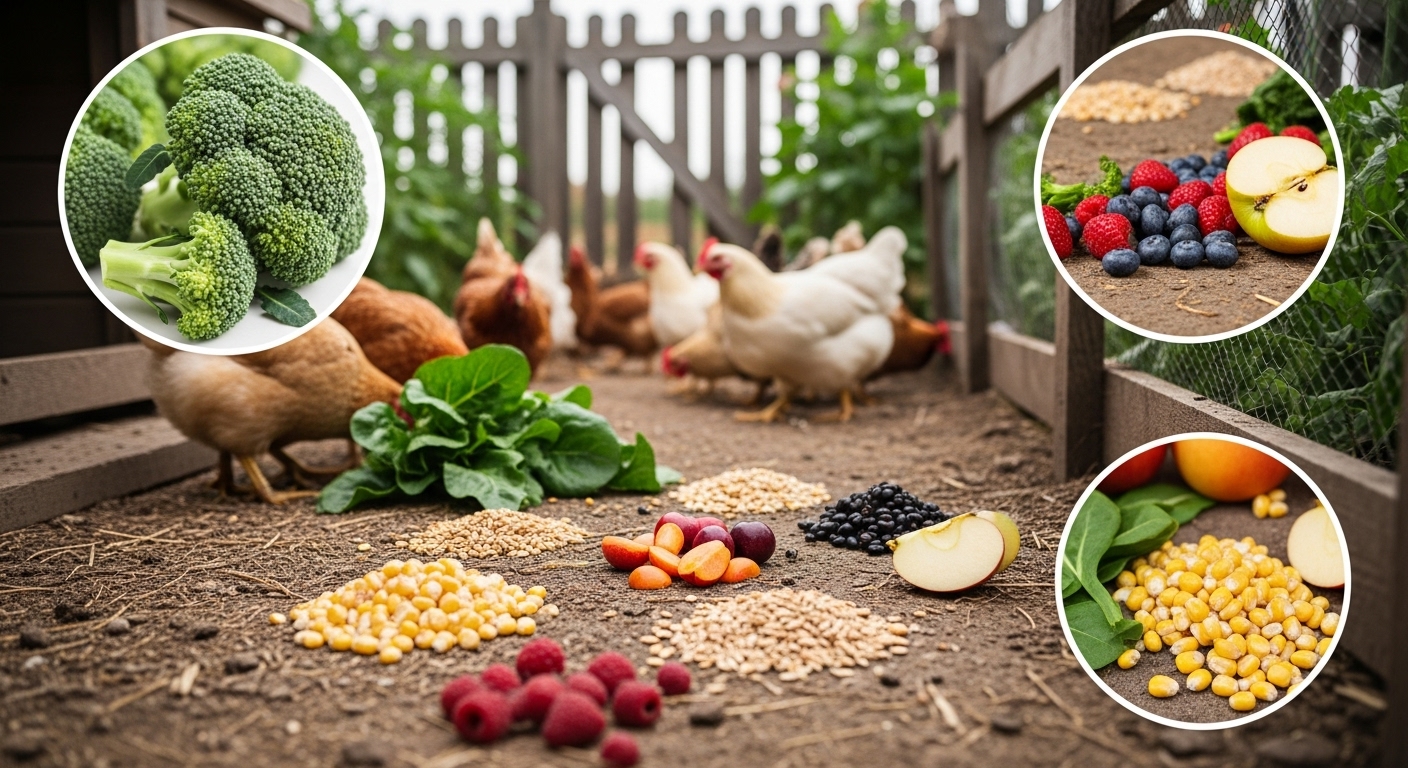
If you’ve ever watched your backyard flock scratching around the garden, you’ve probably wondered: can chickens eat broccoli? Chickens are naturally curious, omnivorous creatures—meaning they’ll peck at just about anything in search of a tasty treat or a nutritious snack. Their enthusiasm for food makes them fun to feed, but it also means you need to be mindful about what ends up in their coop. Knowing which foods are safe (and which ones to keep off the menu) is crucial for keeping your chickens healthy and happy.
Chickens thrive on variety. In addition to their main feed, they love many types of fruits—such as apples (without seeds), berries, and melons—plus vegetables like broccoli, leafy greens, carrots, and squash. Grains including oats, rice, and cracked corn provide energy, while protein sources like mealworms, cooked eggs, and fish scraps support feather growth and egg production. Versatile kitchen scraps like plain pasta, cooked potatoes, or dry whole-grain bread can round out your chickens’ diet and help reduce food waste.
But not every kitchen leftover is a safe treat. Some foods can harm your flock:
- Avocado (especially the pit and skin, which contain persin)
- Green potato peels and raw beans (both toxic)
- Chocolate and caffeine
- Dry or undercooked beans
- Salty or moldy foods
- Anything too processed or sugary
Onions and garlic in large amounts can affect the flavor of eggs and may cause health issues, so keep these to a minimum.
The key to a healthy chicken diet is balance and moderation—treats, even healthy ones like broccoli, should only make up about 10% of their daily intake. Too many treats can lead to obesity or nutritional imbalances, so always offer a base of quality poultry feed. By mixing a variety of safe foods and steering clear of hazardous ones, you’ll support your flock’s health while letting them indulge their natural curiosity at mealtime.
What Not to Feed Chickens: The Essential List
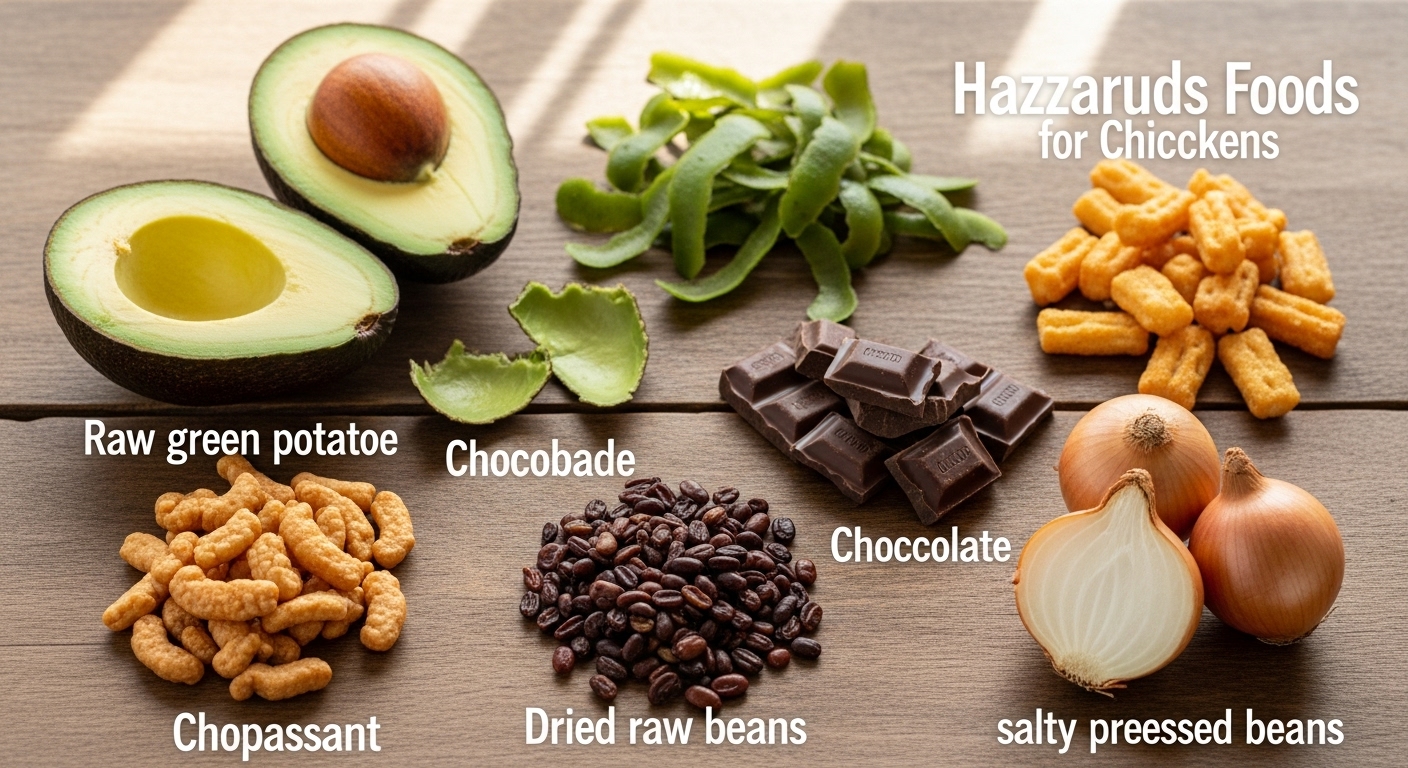
Keeping your flock healthy starts with knowing exactly what not to feed your chickens. Many common household and garden foods can be surprisingly dangerous. For instance, fruit pits and apple seeds contain cyanide compounds that are toxic to birds if ingested. Chocolate, just like in dogs, is especially harmful because it contains theobromine and caffeine, which can lead to heart problems or even death.
Avocado is another harmful food; its pit, skin, and leaves contain persin, a fungicidal toxin that can cause heart damage and respiratory distress in chickens. Raw potatoes, especially green ones, and their peels carry solanine, which affects the nervous system. Onions, in large quantities, can lead to anemia because of their thiosulfate content.
It’s also important to skip anything salty, sugary, or overly processed—chickens can’t process high levels of salt, which can lead to kidney failure, sugary foods disrupt their digestion, and processed snacks may introduce preservatives and chemicals. Spoiled, moldy, or rotten food is a major no-go, as it may contain dangerous mycotoxins or bacteria that can sicken or even kill poultry.
If you need a quick reference, never feed your chickens:
- Fruit pits and seeds
- Chocolate and candy
- Avocado
- Raw potatoes and peels
- Green tomatoes
- Onions and garlic in excess
- Salty foods (chips, processed snacks)
- Sugary foods (cakes, cookies)
- Caffeine (coffee grounds, tea bags)
- Moldy or spoiled food
- Raw dried beans
- Rhubarb leaves
When in doubt, stick to safe kitchen scraps like leafy greens, plain grains, and cooked vegetables—your flock will thank you with better health and more productive egg-laying.
Understanding Chicken Nutrition: Vitamins, Minerals, and Healthy Diets
Keeping your chickens healthy and productive starts with understanding their unique nutritional needs. For strong egg-laying, vigorous feather growth, and overall well-being, chickens require a balanced mix of protein, calcium, vitamins, and minerals.
Protein is crucial for building feathers and maintaining muscle. Good sources include soybean meal, fish meal, or even everyday leftovers like scrambled eggs or cooked beans (just make sure they’re unseasoned). Calcium is especially important for laying hens to produce sturdy eggshells; ample crushed oyster shells or crushed eggshells offered as a supplement, along with dairy products like plain yogurt in moderation, help meet this need.
Fresh greens such as spinach, kale, and dandelion greens are packed with vitamins A and E, which boost immune health and promote feather quality, while grains like cracked corn, wheat, and oats supply essential energy. It’s always smart to add a poultry vitamin supplement to their water during stressful times, such as molt or extreme weather, to guard against deficiencies.
However, feeding hens a diet lacking variety or high in just one feed (like solely corn) can quickly lead to problems such as poor egg output, brittle shells, weak immune systems, and dull plumage.
Special attention is needed for chicks and growing pullets; they require higher-protein starter feeds (about 18–20% protein) to support rapid growth and should not have access to layer feed, which is too high in calcium for their developing kidneys.
Always provide fresh water and avoid foods that are toxic to chickens, such as chocolate, avocado, and salty snacks. Ultimately, observing your flock’s condition—bright eyes, shiny feathers, and steady laying—is the best indicator that you’re covering all their dietary bases.
The 90/10 Rule — Balancing Treats and Complete Feed
The 90/10 rule is a simple guideline for chicken keepers: make sure at least 90% of your flock’s diet comes from a balanced, commercial feed designed specifically for laying hens, while no more than 10% comes from treats, kitchen scraps, or other extras.
This balance is crucial because layer feeds are carefully formulated with the right mix of protein, vitamins, minerals, and other nutrients chickens need for steady egg production, healthy feathers, and strong immune systems. Overdoing treats—especially empty-calorie options like bread or pasta—can crowd out these essential nutrients, leading to issues like soft-shelled eggs, feather loss, or sluggishness.
A practical way to stick to the 90/10 rule is to offer treats once a day in small amounts, such as a handful of veggie scraps or a quarter cup of scratch grains per five hens. It’s also smart to give treats strategically, like in the afternoon when birds have already eaten most of their feed.
By keeping extras as a small “dessert” rather than a major food source, you treat your chickens without sacrificing their nutrition or long-term vitality.
Best Treats for Chickens—Fruits, Veggies & Kitchen Scraps
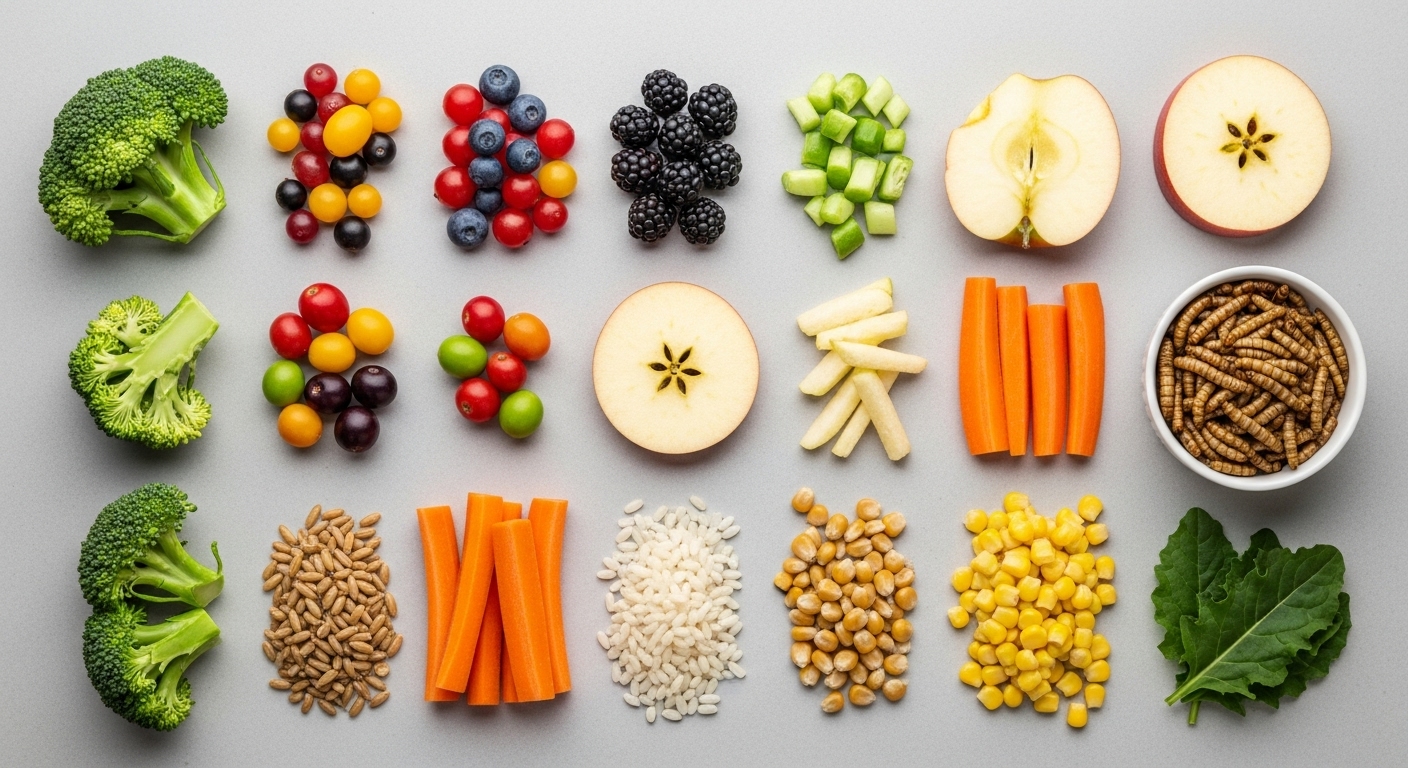
Chickens love treats, and offering a variety of safe options can boost their nutrition and happiness. Fresh fruits like watermelon, berries, apples (core and seeds removed), and bananas are chicken favorites, while veggies such as leafy greens, carrots, corn, cucumbers, and peas are healthy go-tos. Grains like oats, cooked rice, and barley make filling, energy-rich snacks.
To prepare treats safely, chop fruits and vegetables into small, manageable pieces to prevent choking, and always wash produce thoroughly to remove pesticides. Some nutritious, less-common options are broccoli florets, which provide calcium, and pumpkins, rich in vitamins—both can be served raw or cooked. Dried grubs or mealworms are a protein-packed treat chickens will actively hunt for, especially helpful during molting season.
Adjust treat choices to the season: in summer, cold watermelon chunks or frozen corn can help chickens cool off, while in winter, warm oatmeal with peas or cooked squash offers comfort and extra calories.
Remember, moderation is key—avoid overfeeding treats, even ones considered safe, as too many can throw off their balanced diet. Avoid processed junk foods, salty snacks, and sugary items, since these can harm your flock’s health. By choosing the right treats and serving them thoughtfully, you’ll keep your chickens entertained and thriving all year round.
Tips for Introducing New Foods and Treats to Your Flock
Introducing new foods and treats to your flock should be a gradual process to keep your chickens healthy and happy. Start by offering small amounts of the new food mixed in with their usual feed or scattered in their foraging area.
Watch how your birds react—curiosity is a good sign, but if they ignore or avoid it, you might need to try a different presentation or wait a few days before offering it again.
For vegetables like carrots, sweet potatoes, or pumpkins, lightly steaming or chopping them into bite-sized pieces can make them easier for chickens to digest and more appealing. Cruciferous veggies, like broccoli or cabbage, are great occasional treats but should be served in moderation and cooked briefly to reduce any digestive upset.
After feeding, always remove uneaten scraps within a couple of hours. Leaving food in the run can attract unwanted visitors like rodents or raccoons and can lead to moldy, spoiled leftovers that are harmful to your flock.
Regularly cleaning up ensures your chickens stay safe, their living space remains hygienic, and you can better keep track of which treats your flock enjoys most.
By observing your chickens and adjusting your approach, you’ll discover what foods are flock favorites while promoting their well-being.
Quick FAQs on What Chickens Can and Can’t Eat
Wondering what’s safe to toss into your chicken coop? Here’s a quick rundown of common kitchen scraps.
Yes, chickens can eat bananas—just peel them first and offer in moderation since too much sugar isn’t ideal. Cheese is generally safe as an occasional treat, but keep portions small; poultry can’t digest a lot of dairy well, and too much can cause digestive upset. Bread is okay in tiny amounts, but stick to whole grain or stale bread and always avoid anything moldy, as mold can be toxic.
On the “never” list are onions, chocolate, caffeine, avocado pits and skins, and salty or spoiled foods, as these can harm or even kill your flock. Leafy greens, vegetables, and most fruits (without pits or stones) make much better snack choices.
As a real-world tip, think of chicken treats the way you’d think of snacks for yourself—best when healthy, fresh, and not making up more than 10% of their total diet. Always use common sense: if you wouldn’t eat it, it’s usually not good for your hens. Prioritize their health by sticking to their balanced layer feed as their main diet.