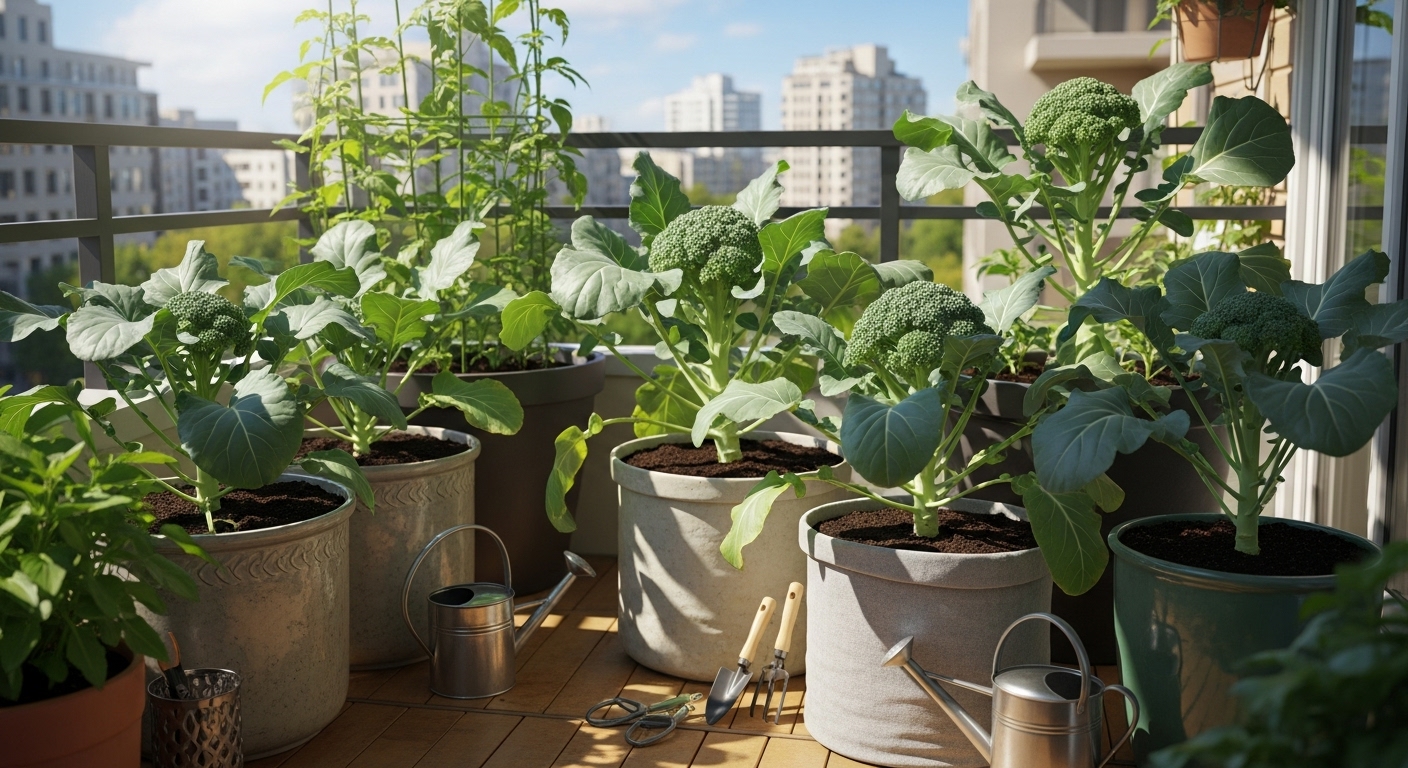
Why Grow Broccoli in Pots?
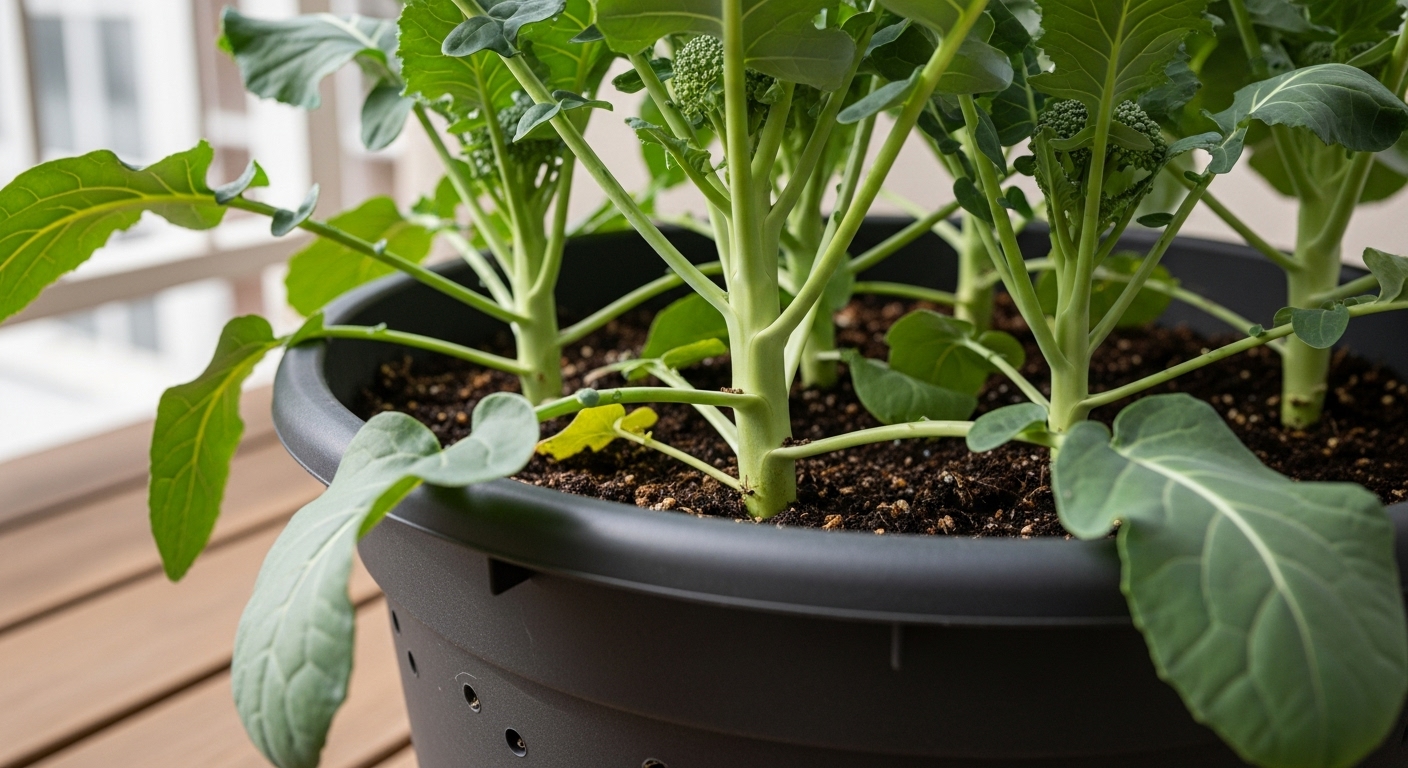
If you’ve ever wondered whether you can successfully grow broccoli in containers, you’re in good company. Broccoli in containers is a fantastic option for gardeners limited by space, pesky soil issues, or the unpredictability of renting.
One major perk is space-saving—you can easily tuck a few pots on a sunny balcony or patio, making it possible for city dwellers or those with small backyards to enjoy homegrown veggies. Mobility is another big plus: pots can be quickly moved to catch the best sunlight, avoid frost, or even protect your plants from pests.
Growing broccoli in pots is ideal if your yard’s soil is heavy with clay, contaminated, or just not suitable for vegetable gardening, as you fully control the growing medium.
That said, container gardening does come with unique challenges. Broccoli has deep roots, so you’ll need large, sturdy pots—at least 5 gallons each—and regular watering since pots dry out faster than garden beds. Fertilizing is more important, too, because nutrients get used up or washed away with each watering.
Still, for many urban gardeners and those wanting fresh broccoli right outside their door, the pros often outweigh the cons, making container growing a smart, flexible solution.
Choosing the Right Broccoli Variety
When growing broccoli in containers, selecting the right variety makes a huge difference in your success. Compact or dwarf options like Waltham 29, Calabrese, De Cicco, and Green Magic are popular because their smaller size fits well in pots without crowding your space. These varieties often develop sturdy stems and smaller central heads, making them less likely to topple or suffer from overcrowded roots.
Look for types that boast a short maturity time (like De Cicco’s 48–65 days to harvest) to maximize your growing season, especially if you’re gardening in a climate with a short window for cool-weather crops. When shopping for seeds or seedlings, check the label for “container-friendly” or “compact growth” attributes, and pay attention to the plant’s projected height—choices under 24 inches are ideal for pots.
Decide whether you prefer heirloom varieties, which allow you to save seeds for next year and might offer richer flavor, or hybrids, which tend to provide greater disease resistance and uniform yields but can’t be grown from saved seeds. Finally, always purchase from reputable seed companies to ensure healthy, vigorous plants that will thrive in your container garden.
Setting Up Your Container
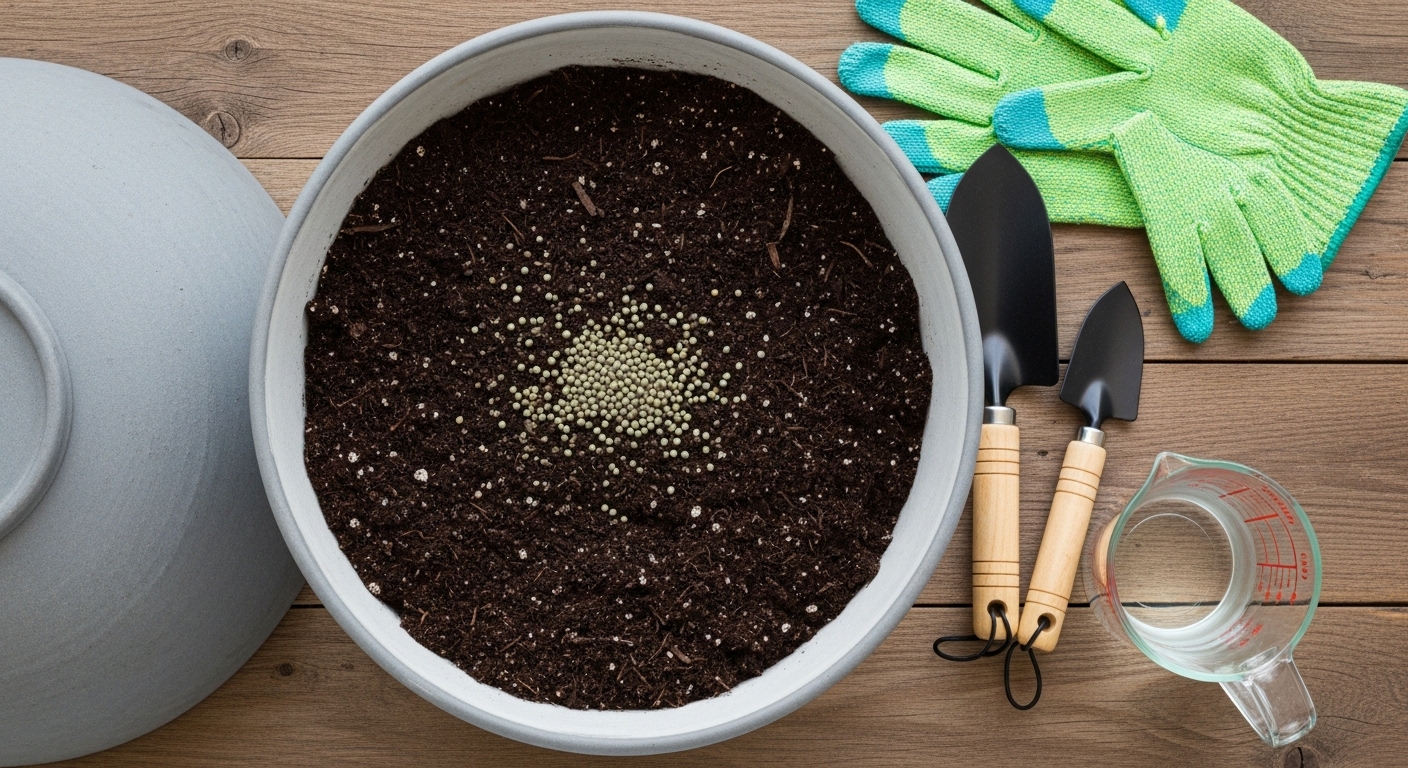
For growing healthy broccoli in containers, choose a pot that’s at least 5 gallons in size and 12 inches deep to give roots enough space to develop—a 14-inch diameter container is perfect. Opt for pots made from durable, weather-resistant materials like heavy-duty plastic, ceramic, or even fabric grow bags. Avoid unglazed clay unless you’re diligent about watering, as it dries out faster.
Good drainage is crucial to prevent root rot, so make sure containers have several drainage holes at the bottom. Fill your pot with a high-quality, all-purpose potting mix—look for one labeled “vegetable garden” or “raised bed blend” for the best results. Mix in several handfuls of compost or well-rotted manure to boost nutrients and structure, and consider adding a handful of slow-release fertilizer to support growth throughout the season.
Place your broccoli containers somewhere that receives at least 6 hours of direct sunlight a day; most patios, decks, or south-facing balconies work well. If you’re growing multiple pots, leave at least 18 inches between each container to give plants room for airflow and healthy leaf development.
These simple setup steps set the stage for robust broccoli harvests all season long.
Planting Broccoli—Seeds or Seedlings?
When deciding whether to plant broccoli from seeds or seedlings, it’s important to weigh convenience against control. Growing from seeds is cost-effective and offers a wide range of varieties, but it takes longer and demands careful attention during early growth.
Starting seeds indoors lets you get a jump on the season—sow seeds 6-8 weeks before your last expected frost, placing them ¼ to ½ inch deep in moist seed-starting mix. Keep the soil consistently damp and provide plenty of light. Once seedlings have two sets of true leaves, thin them so the strongest are about 2 inches apart, reducing crowding and promoting healthy growth.
Seedlings from a nursery save time and effort but can be pricier and may limit you to the varieties available locally. When transplanting seedlings, wait until outdoor temperatures are reliably above 50°F and plants have at least 4-5 true leaves. Harden them off by gradually exposing them to outdoor conditions over a week.
To minimize transplant shock, water seedlings thoroughly before transplanting, plant them slightly deeper than they were in their pots, and firm the soil gently around their roots. Aim to transplant in the late afternoon or on a cloudy day to reduce stress from sun and heat.
Caring for Broccoli in Containers
Proper care is key to growing healthy broccoli in containers. Start with watering—broccoli likes consistently moist soil but hates soggy roots. Water thoroughly when the top inch feels dry, which is often every 2-3 days, adjusting for heat and rainfall. Early mornings are best to avoid fungal issues; use a watering can to soak the soil, not the leaves, and always let excess water drain.
Overwatering turns leaves yellow and stunts growth, while underwatering causes limp, bitter heads. So, check soil moisture often.
Fertilize every 3-4 weeks with a balanced vegetable fertilizer. Organic options like fish emulsion or compost tea work well, while synthetic blends like 10-10-10 granules can also help but require careful measurement. Apply fertilizer after the first few true leaves appear, following package directions.
Watch for common pests—aphids, cabbage worms, and flea beetles love broccoli. Inspect leaves regularly and pick off pests by hand, use soapy water or neem oil as a safe spray, and consider floating row covers for prevention.
Prevent diseases like clubroot and powdery mildew by rotating crops each season, using clean soil, and watering at the base.
Maintenance is simple but important:
- Mulch with straw or shredded leaves to keep moisture stable and roots cool.
- Stake taller plants to protect them from wind.
- Snip off yellow or damaged leaves to improve airflow and reduce disease risk.
By following these steps, your container broccoli will have the care it needs to thrive from seedling to harvest.
Harvesting and Enjoying Your Broccoli
Knowing when to harvest your broccoli is key to getting the best flavor and texture. Look for dark green heads that are tight and firm, typically five to eight inches wide, with buds that haven’t started to flower (yellow). If you spot any yellow petals, harvest immediately—waiting too long makes the heads tough and bitter.
Use a sharp knife to cut the main head off at an angle, leaving at least five inches of stalk and plenty of leaves. This technique not only keeps the plant healthy but also encourages the growth of side shoots, giving you small broccoli heads for weeks to come.
To make the most of your fresh harvest, try these ideas:
- Steam or sauté the florets for a quick side dish.
- Toss them into stir-fries.
- Roast with olive oil, garlic, and parmesan for a simple, delicious treat.
For a no-cook option, chop up harvested broccoli raw and add it to salads for a crunchy, nutrient-packed boost. Enjoying broccoli right after picking delivers the sweetest flavor and highest nutritional value—one of the many rewards of growing it yourself.