Introduction
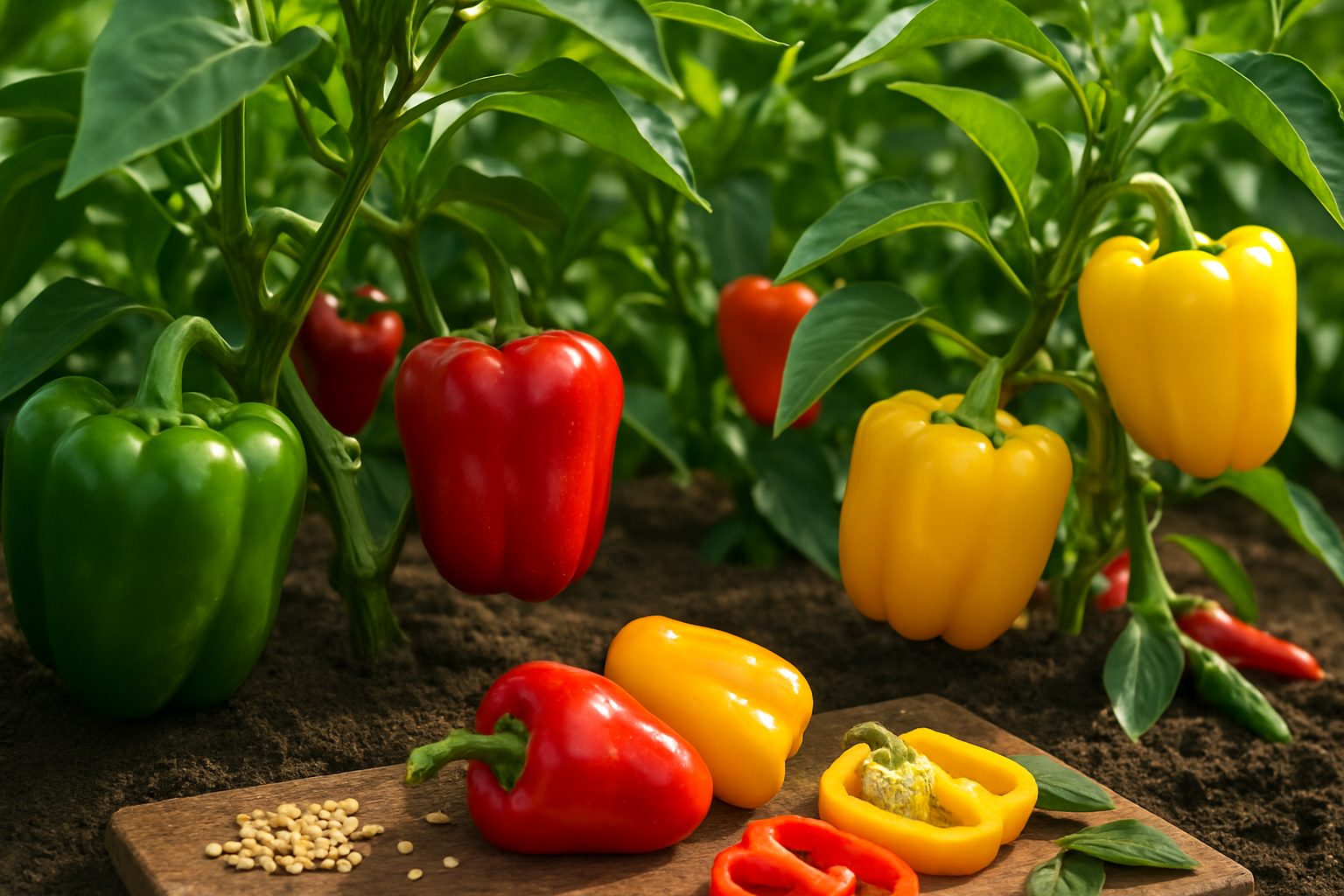
Wondering when to plant bell peppers in your home garden? You’re not alone—bell peppers are among the most popular vegetables for gardeners of all skill levels. Their crisp texture and sweet flavor make them a kitchen staple, perfect for salads, stir-fries, and grilling. But the key to growing healthy, productive pepper plants is all about timing. Plant too early, and seedlings might struggle in cool soil; wait too long, and you risk missing out on a full harvest before fall’s chill sets in.
That’s why understanding your local climate and the best planting windows can make all the difference. In this post, you’ll learn how to pinpoint the ideal time to start peppers from seed and when to transplant them outdoors, tailored to your specific region. We’ll also share practical tips for checking soil temperature, avoiding late frosts, and giving your plants the head start they need for a bountiful season. Get ready to set your peppers up for success—it all begins with the right timing!
Understanding Bell Pepper Growing Requirements
Bell peppers are warm-season vegetables that need specific conditions to thrive, so it’s important to know when to plant bell peppers. Temperature plays a big role: they grow best when daytime temperatures are between 70°F and 85°F (21°C to 29°C), and nighttime temperatures stay above 55°F (13°C). Bell peppers are sensitive to cold, and even a mild frost can damage or kill young plants. That’s why it’s crucial to plant them well after the last expected frost in your area.
Sunlight is another key factor—bell peppers need 6 to 8 hours of direct sun each day to produce healthy fruit. Pick a planting spot free from shade caused by trees or buildings to get the best sun exposure. When it comes to soil, bell peppers prefer well-draining, loamy soil rich in organic matter, with a slightly acidic to neutral pH between 6.0 and 6.8. Proper drainage is essential since soggy roots can cause root rot and stunt growth.
The length of your local growing season is also important. Bell peppers need a long, warm period—typically 60 to 90 days—to mature and develop full-sized, flavorful fruit. In cooler regions with shorter summers, starting seeds indoors 8 to 10 weeks before the last frost and transplanting once the soil warms up can extend the growing season.
By understanding these growing requirements, you can choose the best time to plant bell peppers and enjoy a healthy, productive harvest.
USDA Hardiness Zones and Their Impact on When to Plant Bell Peppers
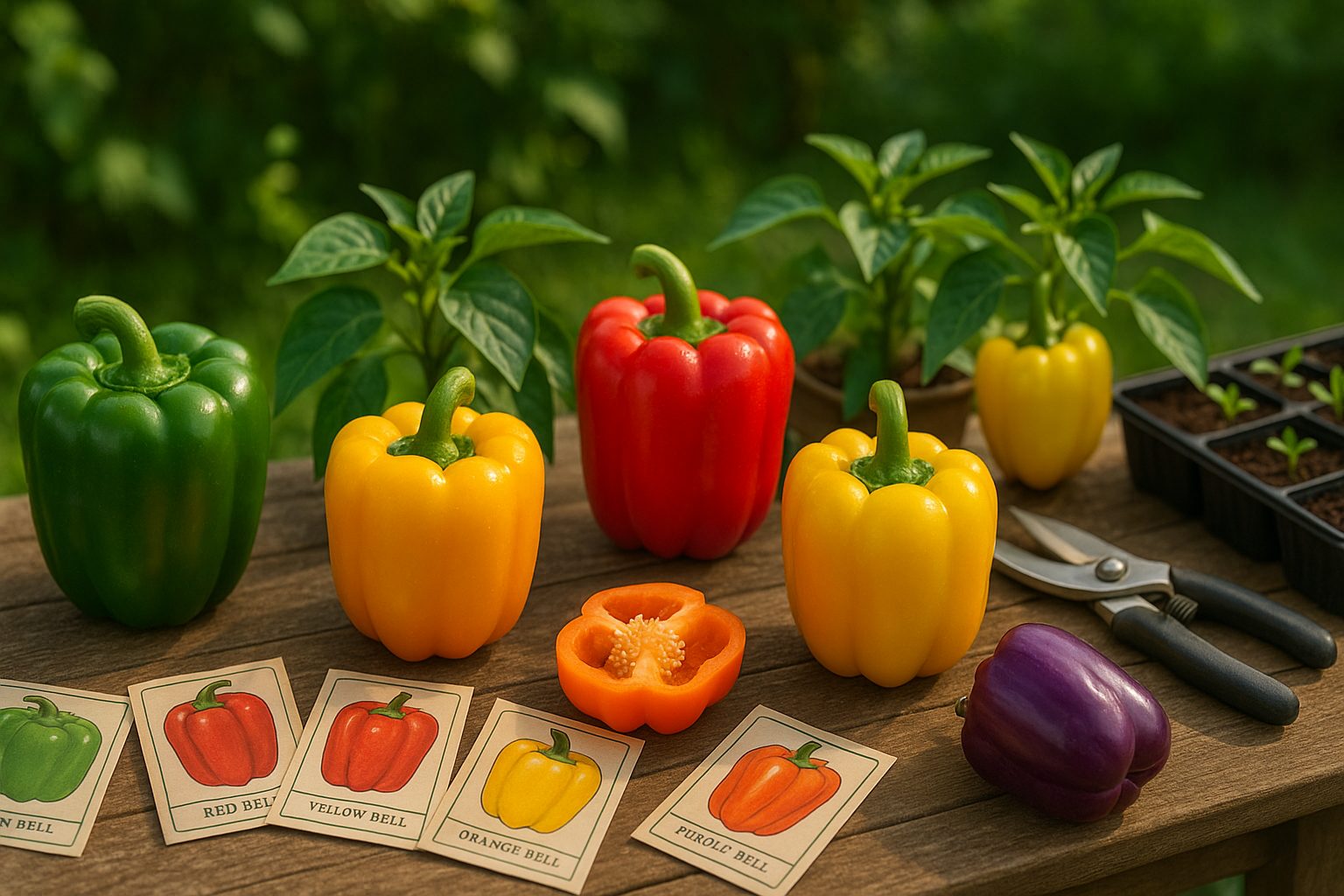
Understanding USDA plant hardiness zones is essential when deciding when to plant bell peppers in your region. These zones are based on the average minimum winter temperatures and help gardeners across the U.S. determine the best planting schedules for their crops. Since bell peppers are sensitive to cold and thrive in warm weather, your specific hardiness zone will strongly influence when to start seeds indoors and transplant them outdoors.
For gardeners in northern zones (USDA Zones 3-5, like Minnesota or northern New York), the growing season is shorter and late frosts are common. It’s best to start seeds indoors 8-10 weeks before the last expected frost—typically in late February to early March—and transplant seedlings outdoors after all danger of frost has passed, usually around late May or early June.
In central zones (USDA Zones 6-7, such as Missouri or Maryland), seeds can be started indoors from late January to late February, with outdoor planting safe from mid-April to early May.
For southern zones (USDA Zones 8-11, like Texas, Florida, or southern California), gardeners enjoy a longer growing season and can start seeds as early as December to January, transplanting seedlings outdoors from late February through March.
Here’s a handy reference:
- Northern US (Zones 3-5): Start seeds indoors late Feb–early Mar, transplant late May–early Jun
- Central US (Zones 6-7): Start seeds indoors late Jan–late Feb, transplant mid-Apr–early May
- Southern US (Zones 8-11): Start seeds indoors Dec–Jan, transplant late Feb–Mar
Always wait until the soil warms to at least 60°F for the best results, and keep an eye on your local frost dates to find the most accurate planting window. These guidelines will help you get a strong start and maximize your bell pepper harvest, no matter where you garden.
Best Planting Times by Region
Knowing when to plant bell peppers depends largely on your region’s climate and the length of your growing season. In northern areas with short summers—like the northern Midwest or New England—start seeds indoors 8-10 weeks before the average last spring frost, usually mid- to late February. Since peppers need soil temperatures of at least 65°F to thrive, wait to transplant seedlings outdoors until all frost risk has passed, typically late May or early June. Using row covers or plastic mulch to warm the soil can help get an early start.
In central regions such as the mid-Atlantic or Midwest, the average last frost happens earlier, generally in April. Start seeds indoors between late January and early March, and transplant outdoors in late April or May once nighttime temperatures stay steadily above 50°F.
Southern areas—think Texas or Florida—enjoy a long growing season. Start seeds indoors in December or January and transplant seedlings outside as early as late February or March. You might even get a second planting in late summer for a fall harvest. Be mindful of scorching midsummer heat and consider using shade cloth to prevent flower drop.
Coastal regions like California benefit from the ocean’s moderating effect, allowing for more flexible planting times. Start seeds indoors from late December through February and transplant after the last frost, which can be as early as February or March. Coastal fog and cooler nights can delay fruiting, so choosing early-maturing pepper varieties is your best bet.
Across all regions, starting seeds indoors gives peppers a strong advantage, as these heat-loving plants are sensitive to cool soils and grow slowly in chilly conditions. In places with short growing seasons, try raised beds or black plastic to warm the soil faster, or pick compact, early-maturing bell varieties. Conversely, if your season is extra long, manage pests carefully and consider staggered plantings to extend your harvest throughout summer and early fall.
By tailoring your planting schedule to your region, you’ll maximize your bell pepper yield and quality.
Tips for Starting Bell Pepper Seeds Indoors
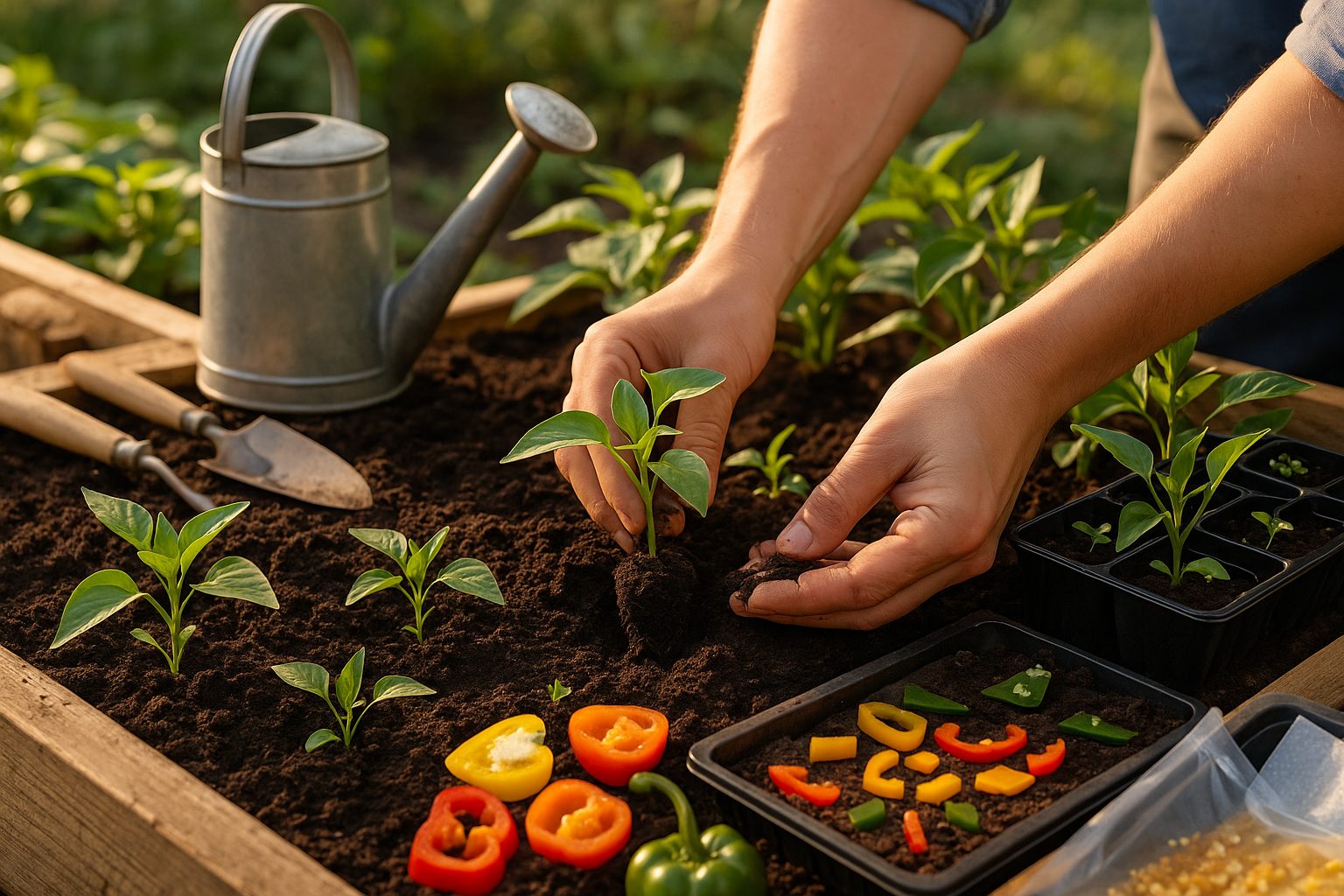
Starting your bell pepper seeds indoors is a great way to get a head start on the growing season and ensure healthy, productive plants. When figuring out when to plant bell peppers, timing is key: aim to start seeds indoors about 8-10 weeks before your area’s average last frost date.
Begin by filling seed trays or small pots with a sterile seed-starting mix, then sow your bell pepper seeds about a quarter-inch deep and lightly cover them. Keep the containers in a warm spot (70-80°F is ideal), as pepper seeds need warmth to germinate. Covering the tray with plastic wrap helps retain humidity until the seeds sprout, usually within 7-14 days.
Once seedlings emerge, move them to a bright windowsill or under grow lights so they get at least 14-16 hours of light daily. Leggy, weak plants are a sign they aren’t getting enough light. When seedlings develop their second set of true leaves, thin them to one strong plant per cell or pot to avoid overcrowding.
Water gently but consistently, and start feeding with a diluted fertilizer after a few weeks to encourage steady growth. About two weeks before your planned outdoor planting date—usually after all danger of frost has passed—begin “hardening off” your seedlings. This means gradually exposing them to outdoor conditions by placing them outside for a few hours each day, gradually increasing the time and exposure to sun and wind. This helps prevent transplant shock.
By aligning your indoor sowing schedule with your local climate and carefully hardening off your seedlings, you’ll maximize your chances for a thriving bell pepper harvest.
Using Local Resources and Frost Dates
Knowing when to plant bell peppers in your area starts with understanding your region’s climate, especially your average last spring frost date. Begin by looking up frost dates specific to your ZIP code. Gardening websites like the Old Farmer’s Almanac, National Weather Service, and university extension sites offer free frost calculators—you simply enter your location to get this information.
Once you have your average last spring frost date, plan to start bell pepper seeds indoors about 8–10 weeks before that date. After transplanting young plants to your garden, wait until at least two weeks after the last frost, when the soil has warmed and nighttime temperatures consistently stay above 55°F (13°C).
For even more precise timing and advice tailored to your area, contact your local agricultural extension office. They provide region-specific guidelines based on years of local data. Neighborhood nurseries and garden centers are also great resources—they know what works best in your microclimate and can recommend the right seed varieties.
Additionally, joining local gardening groups on platforms like Facebook, Reddit, or gardening forums lets you tap into real-time experiences from nearby gardeners who can share planting tips specific to your city or county. By combining these resources, you can confidently pinpoint the ideal window for when to plant bell peppers, maximizing your chances for a healthy, productive crop.
Common Timing Mistakes and How to Avoid Them
One of the most common mistakes gardeners make when deciding when to plant bell peppers is putting them in the ground too soon. Bell peppers are highly sensitive to cold; planting them before your area’s last frost date can stunt growth or even kill young plants. Another issue is ignoring soil temperature—pepper seeds and seedlings won’t thrive until the soil consistently reaches at least 60°F (16°C). Sometimes a string of warm spring days tricks gardeners into thinking it’s safe, only to have a cold snap set back their efforts.
To avoid these problems, use a soil thermometer to check your garden bed over several mornings in a row. Even if the daytime weather feels pleasant, it’s the nighttime lows and soil warmth that matter most. Check your region’s average last frost date, but also keep an eye on extended weather forecasts for your ZIP code. Be patient: starting seeds indoors is a great way to get a jump on the season, but wait until transplanting conditions are perfect.
If you’re unsure, cover young plants with row covers or cloches. Whenever possible, trust the signals from your garden and local weather patterns. Proper timing leads to stronger, more productive pepper plants, making a little patience well worth it.
Conclusion
Knowing when to plant bell peppers is key to growing a strong, healthy crop. Start seeds indoors 8-10 weeks before your area’s last expected frost, then transplant them outside once nighttime temperatures consistently stay above 55°F. Since climate conditions vary, be sure to check your local last frost date and adjust your planting schedule accordingly. By timing your bell pepper planting to fit local conditions, you’ll give your garden the best chance for an abundant, flavorful harvest. For more tips on caring for bell peppers throughout the season, explore our other resources on watering, feeding, and pest management.