Introduction to Growing Bell Peppers Vertically
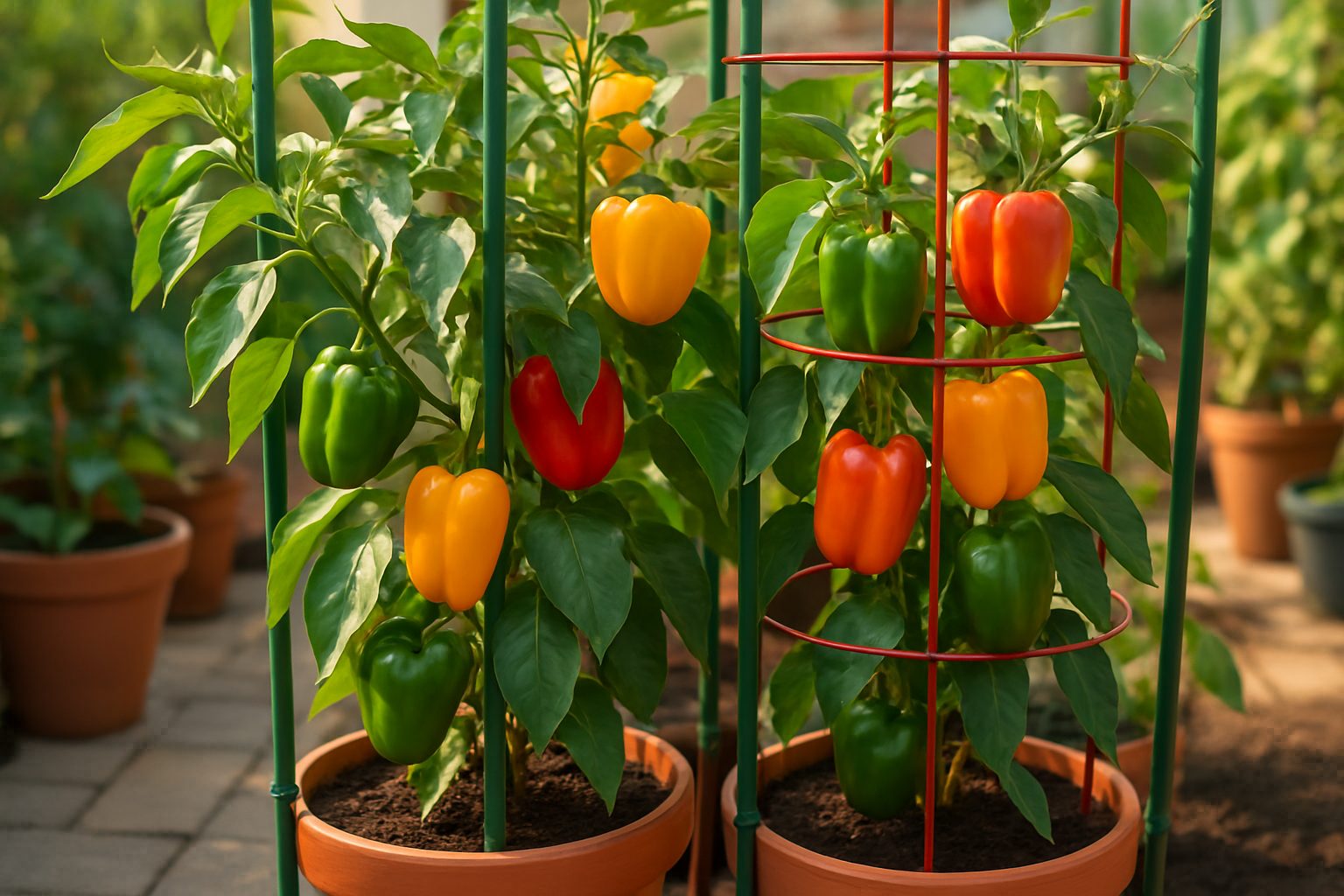
Vertical bell pepper growing is quickly becoming a favorite method for gardeners looking to maximize their available space. Whether you have a small backyard, a balcony, or simply want to add a new dimension to your home garden, vertical gardening offers a practical solution that works perfectly with bell peppers.
This approach not only saves valuable square footage but also improves air circulation, reducing the risk of pests and diseases. Plus, with peppers growing at eye level or above, daily tasks like watering and harvesting become easier and gentler on your back.
Imagine clusters of vibrant bell peppers within arm’s reach, all neatly supported and soaking up optimal sunlight—vertical gardens make this vision possible, even in the tightest urban spaces. In this article, we’ll guide you through everything you need to succeed with vertical bell pepper growing, from choosing the right structures and planting techniques to ongoing care and enjoying a bountiful harvest.
Get ready to transform your gardening experience and enjoy delicious bell peppers grown the smart, space-saving way.
Choosing the Right Bell Pepper Varieties for Vertical Gardens
When it comes to vertical bell pepper growing, selecting the right variety can make a big difference in both productivity and ease of care. Look for bell pepper types that stay compact and bushy rather than sprawling, as these are better suited for the limited soil and tighter spaces in vertical setups. A good yield is essential—choose varieties known for producing many fruits per plant, so your small space pays off with a bountiful harvest.
Don’t overlook disease resistance; vertical systems can be more humid due to close spacing, so peppers less prone to issues like leaf spot or mildew will perform better and require less intervention. Some top picks include ‘Mini Bell,’ which produces small, sweet fruits on petite plants—perfect for pocket planters or stacked pots. ‘California Wonder’ is a classic for a reason: it offers large, blocky peppers on bushy, upright plants that aren’t too sprawling. ‘Gypsy’ peppers are another favorite for vertical gardens thanks to their high yield, compact growth, and resistance to common pepper viruses. If you’re looking for color, ‘Sweet Chocolate’ offers flavorful dark brown fruit along with a tidy growth habit.
When sourcing seeds or young plants, opt for reputable garden centers or specialty online retailers who clearly label varieties as compact or container-suited. Local farmers’ markets can also be a goldmine if you ask growers about varieties that thrive in confined spaces. Remember to choose transplants sized for small gardens, as these will establish faster in vertical systems than large, root-bound specimens.
Selecting and Setting Up Vertical Garden Systems for Vertical Bell Pepper Growing
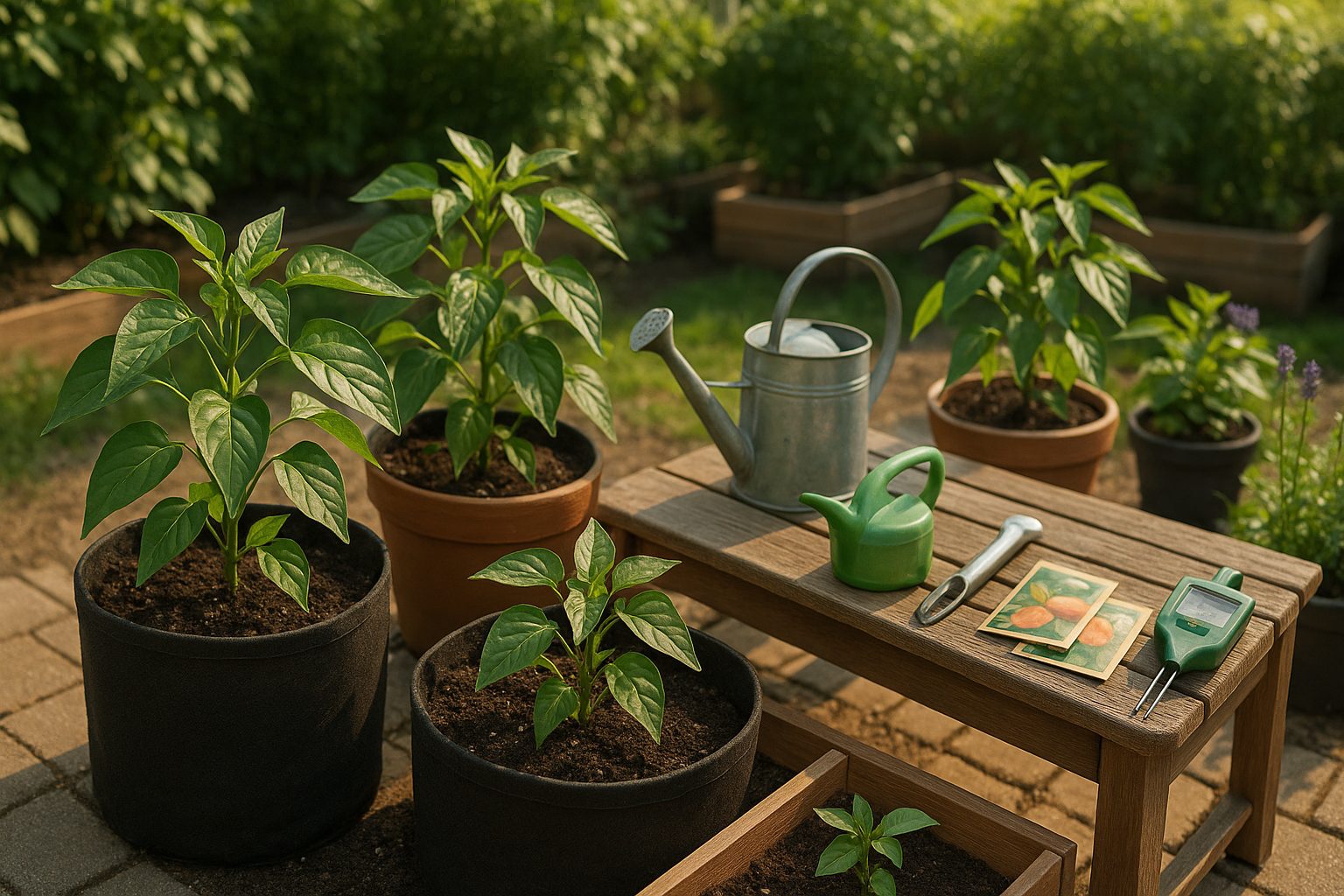
When choosing the best setup for vertical bell pepper growing, it’s important to consider several system options and match them to your space and needs. Tower planters—upright, stackable containers—are a popular choice because they save space while giving each plant enough room to grow. Their design helps avoid crowding, making watering and harvesting peppers simpler. However, they can dry out quickly, especially in hot climates, so you’ll need to check soil moisture often.
Wall pockets, usually made of felt or sturdy fabric, hang on fences or walls and provide excellent airflow and drainage. This helps prevent root diseases, but since each pocket holds less soil, you’ll need to water and fertilize more frequently. As a result, bell peppers grown this way may not reach their maximum size.
Trellises fitted with large pots or grow bags allow vines to stretch upward and support the weight of heavy fruit, making them perfect for bush-style pepper varieties. However, trellis systems require careful tying and regular pruning, and you’ll need to monitor stability, especially in windy areas.
No matter which system you choose, selecting the right site is critical. Bell peppers need 6 to 8 hours of direct sunlight daily to produce strong yields and flavorful fruit, so pick the sunniest spot in your garden or balcony. Protect the area from strong winds, which can topple tall structures and dry out plants, by placing your setup near a fence or wall for extra shelter. Also, ensure your system is easy to reach for regular watering, pruning, and harvesting—if it’s out of arm’s length, routine care becomes a hassle.
To prepare your vertical system, start by securing it firmly to prevent tipping—anchor tower planters to a stable base, mount wall pockets on strong supports, and stabilize trellises with stakes or wall fasteners. Fill all containers with a high-quality, well-draining potting mix amended with compost for rich nutrients, and pre-moisten the soil to ensure an even start. If using wall pockets, place a waterproof barrier behind them to protect walls from moisture. For all setups, space your bell pepper seedlings evenly so each plant has good airflow and root room. Water thoroughly after planting and establish a regular care routine—vertical systems thrive with consistent watering and feeding. By choosing and preparing the right system in the right spot, you’ll give your bell peppers a strong start in their skyward journey.
Planting Bell Peppers: Soil, Spacing, and Container Tips
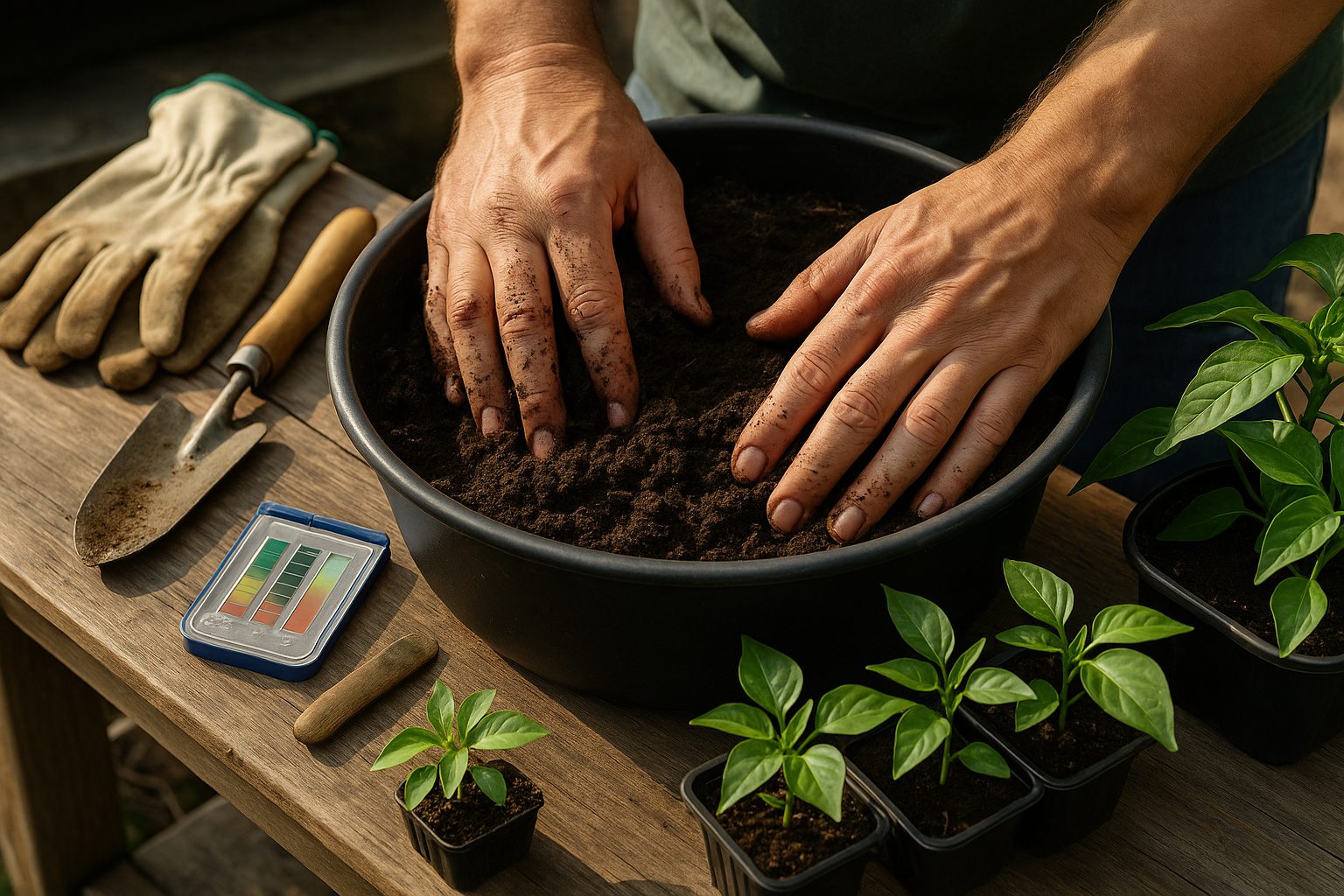
Successful vertical bell pepper growing starts with providing the right foundation for your plants. Begin with a high-quality potting mix that drains well but retains enough moisture—combine equal parts peat moss or coconut coir, compost, and perlite or vermiculite. The soil’s pH should be slightly acidic, ideally between 6.0 and 6.8, which bell peppers prefer for optimal nutrient uptake.
Add a slow-release, balanced fertilizer (such as 10-10-10) when filling your containers, and supplement with a diluted liquid fertilizer every two to four weeks during the growing season. For container size, choose pots or vertical pockets that are at least 3 gallons in volume and 10–12 inches deep—this provides ample room for roots and helps maintain steady moisture levels.
If your vertical system uses stacked planters or tower gardens, space each plant about 12–16 inches apart to prevent overcrowding and ensure good air circulation, which reduces disease risk. Position taller varieties toward the top or back of the structure, while compact or dwarf bell pepper types can fill in lower tiers.
As the plants grow, gently secure them to a trellis or vertical support using soft ties to keep heavy stems upright and prevent fruit from bending or snapping branches. If your vertical setup is movable, rotate it regularly so all sides receive at least 6–8 hours of sunlight daily.
By optimizing soil, fertilizer, spacing, and support, you’ll create a thriving environment for your bell peppers to flourish vertically.
Caring for Bell Peppers in Vertical Gardens
Successful vertical bell pepper growing relies on attentive care tailored to the unique needs of a vertical garden setup. Watering is especially important—vertical gardens tend to dry out faster than traditional beds, so check soil moisture daily. Aim to keep the soil consistently moist without letting it become soggy. Using drip irrigation or self-watering planters can help maintain steady moisture directly at the roots.
Bell peppers are heavy feeders and benefit from a balanced, slow-release fertilizer or regular applications of diluted liquid fertilizer, especially during flowering and fruiting stages. Choose fertilizers high in phosphorus and potassium to encourage an abundant fruit set.
Supporting upward growth is crucial—install sturdy trellises, cages, or vertical strings early on. As your plants grow taller, gently tie the stems to supports using soft garden ties or strips of cloth to avoid damage and keep them upright.
Good air circulation is vital in vertical gardens, which can become crowded. Proper airflow helps prevent fungal diseases and pests, which tend to multiply in confined spaces. Regularly inspect your plants for common pests like aphids or spider mites, and treat promptly with insecticidal soap or neem oil if needed. Remove any yellowing or diseased leaves quickly to prevent issues from spreading.
By maintaining consistent watering, strategic feeding, sturdy support, and vigilant pest management, you’ll enjoy healthy, productive bell peppers in your vertical garden.
Maximizing Growth and Troubleshooting Issues
For successful vertical bell pepper growing, smart pruning and thinning can make all the difference. Once your pepper plants are well established, pinch off the lower leaves and any side shoots crowding the main stem. This improves airflow, reduces disease risk, and directs more energy toward fruit production. Don’t hesitate to gently remove a few blossoms early on—this encourages stronger root and stem growth, resulting in more robust plants later.
Watch for yellowing leaves, a common warning sign in vertical growing systems. This may indicate overwatering, nutrient deficiencies, or poor drainage. Check your watering routine and consider adding a balanced fertilizer if needed. Fruit drop, where small peppers fall off before maturing, often signals inconsistent watering or sudden temperature swings. Aim to keep the roots evenly moist (but never soggy) and monitor the microclimate, especially if your vertical setup is exposed to wind or afternoon sun.
As the seasons change, inspect the wall or support structure for sagging or loose fastenings—these issues can worsen as fruit weight increases. Clean any debris from gutters or slots to maintain clear drainage, and add mulch or shade cloth during summer to help regulate moisture and temperature. By adjusting your approach as conditions shift, you can keep your vertical bell pepper garden healthy, productive, and vibrant all season long.
Harvesting and Enjoying Your Vertically Grown Bell Peppers
When it comes to vertical bell pepper growing, harvesting at the right time is essential for the best taste and highest yield. You can pick bell peppers while they’re still green, or wait until they turn red, yellow, or orange for a sweeter flavor. Look for peppers with a firm texture and glossy skin—gently twist them off or use garden shears to avoid damaging the plant.
Regular harvesting encourages more fruit production, so pick peppers as soon as they reach their mature size and desired color. Once the main crop is finished, refresh your vertical garden by removing old plant debris and replenishing the growing medium with compost or balanced fertilizer. Crop rotation—such as switching to fast-growing greens or herbs—helps keep your vertical setup productive and pest-free.
With your freshly picked bell peppers, the possibilities are endless: slice them for salads, stuff and bake them, or grill them for a smoky side dish. For longer storage, wash and chop your peppers before freezing, or try drying or pickling to add flavor to future meals. Keeping your vertical garden active and experimenting with different ways to enjoy your harvest makes vertical bell pepper growing both practical and rewarding.