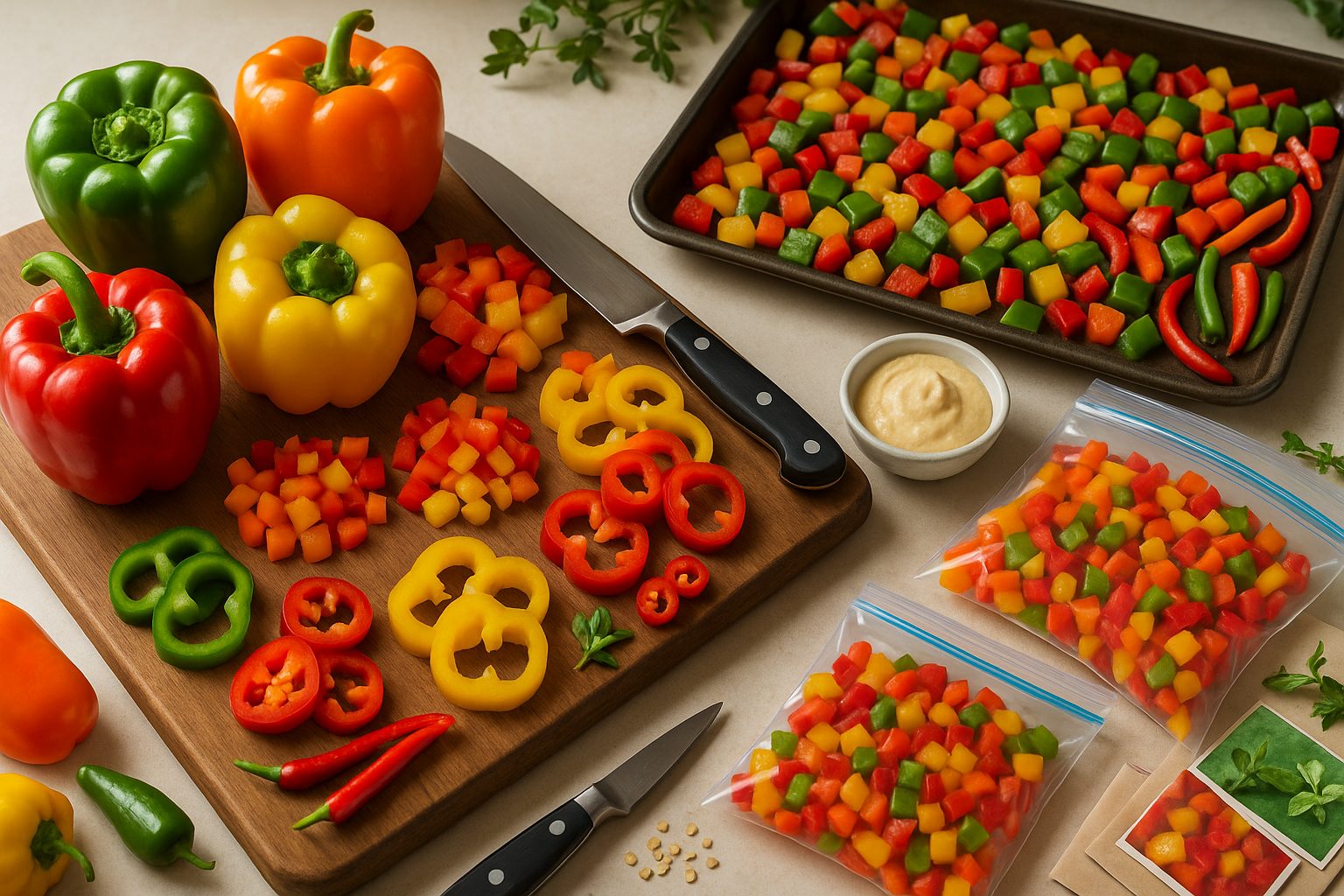
How to Prepare Peppers for Freezing
If you want to make meal prep a breeze and reduce food waste, learning how to freeze bell peppers can be a true game changer. Whether you’re handling bell or hot peppers, proper preparation is the key to enjoying crisp, flavorful veggies months down the line. Start by picking the freshest peppers—look for ones that feel firm, with glossy, unwrinkled skin and vivid color. Avoid peppers with soft spots or blemishes, as these won’t withstand freezing and may compromise the taste and shelf life of your stash.
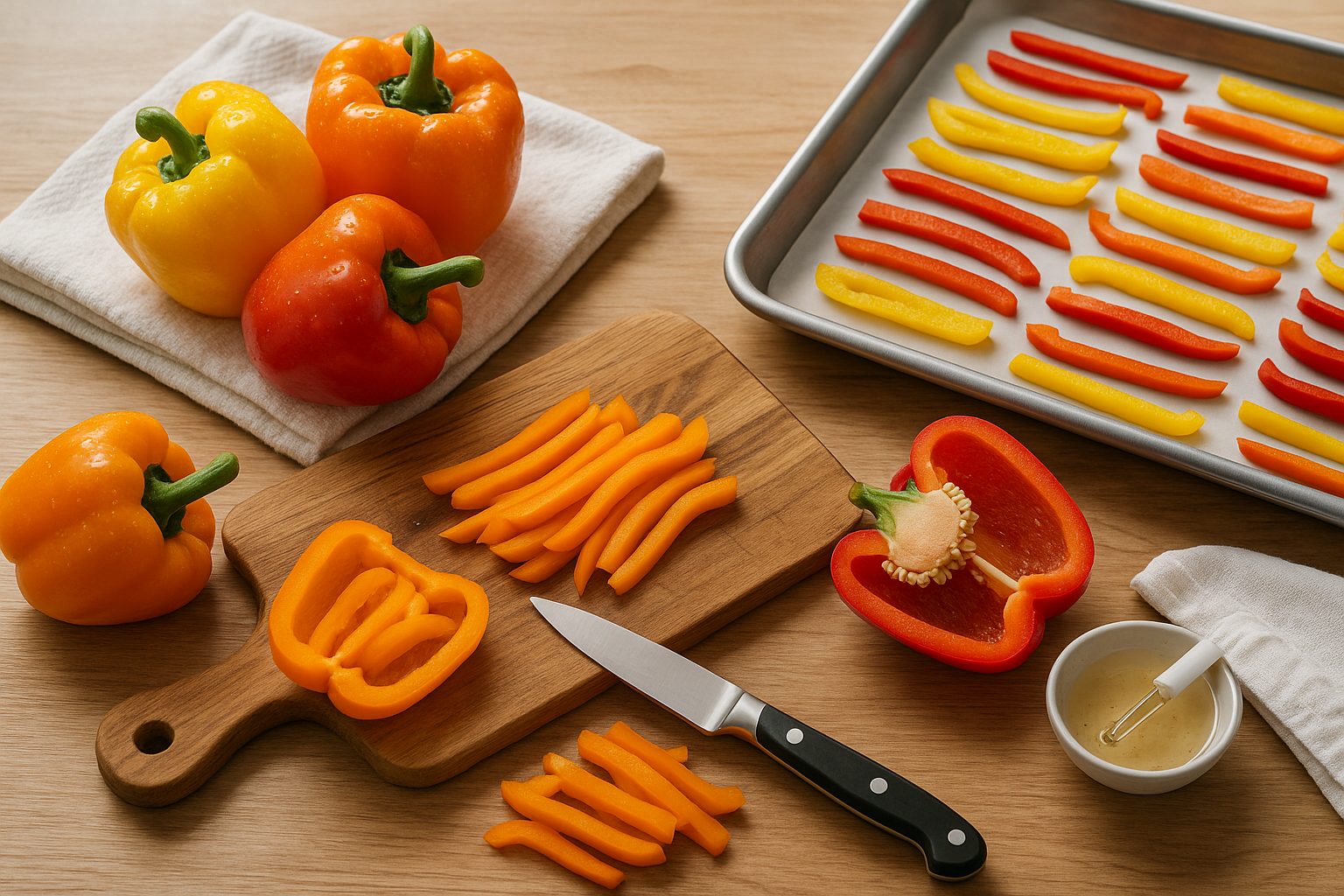
Before freezing bell peppers or hot peppers, rinse them thoroughly under cold running water to wash away dirt and any pesticide residue. Then, pat them dry with a clean towel. For best results, slice off the stems, cut the peppers in half, and remove the seeds and membranes (especially important for hot peppers, as this helps control the heat level). Decide how you’ll want to use the peppers later—diced for omelets or strips for stir-fries—and chop accordingly.
Laying the pepper pieces in a single layer on a baking sheet to pre-freeze for an hour prevents them from sticking together in storage.
Wondering if blanching is necessary? Good news: for bell peppers, it’s not a must. Unlike many other vegetables, you can freeze bell peppers raw without sacrificing flavor or texture, which saves time. For hot peppers, the method is the same—just be sure to wear gloves when handling, and avoid touching your eyes. Blanching is typically only recommended if you plan to freeze peppers for over a year, as it helps retain color and nutrients.
By following these steps, you’ll have ready-to-use peppers on hand—no more last-minute grocery runs or food waste!
Step-by-Step Guide to Freezing Peppers
Freezing peppers is a fantastic way to preserve their vibrant flavor and crispness for use year-round. Start by washing your peppers thoroughly and patting them completely dry, as excess moisture can lead to freezer burn.
Decide whether to freeze your peppers whole, sliced, or diced based on how you plan to use them later: whole peppers are best for stuffing recipes, while sliced or diced peppers work great for soups, stir-fries, and casseroles.
To prepare, slice off the stems, remove seeds and membranes, then cut as needed. For the best texture, try flash freezing—this means arranging the pepper pieces in a single layer on a baking sheet, ensuring they don’t touch, and placing the tray in the freezer for about an hour. This quick-freeze method prevents the pepper pieces from sticking together, making it easy to grab just what you need for your next meal.
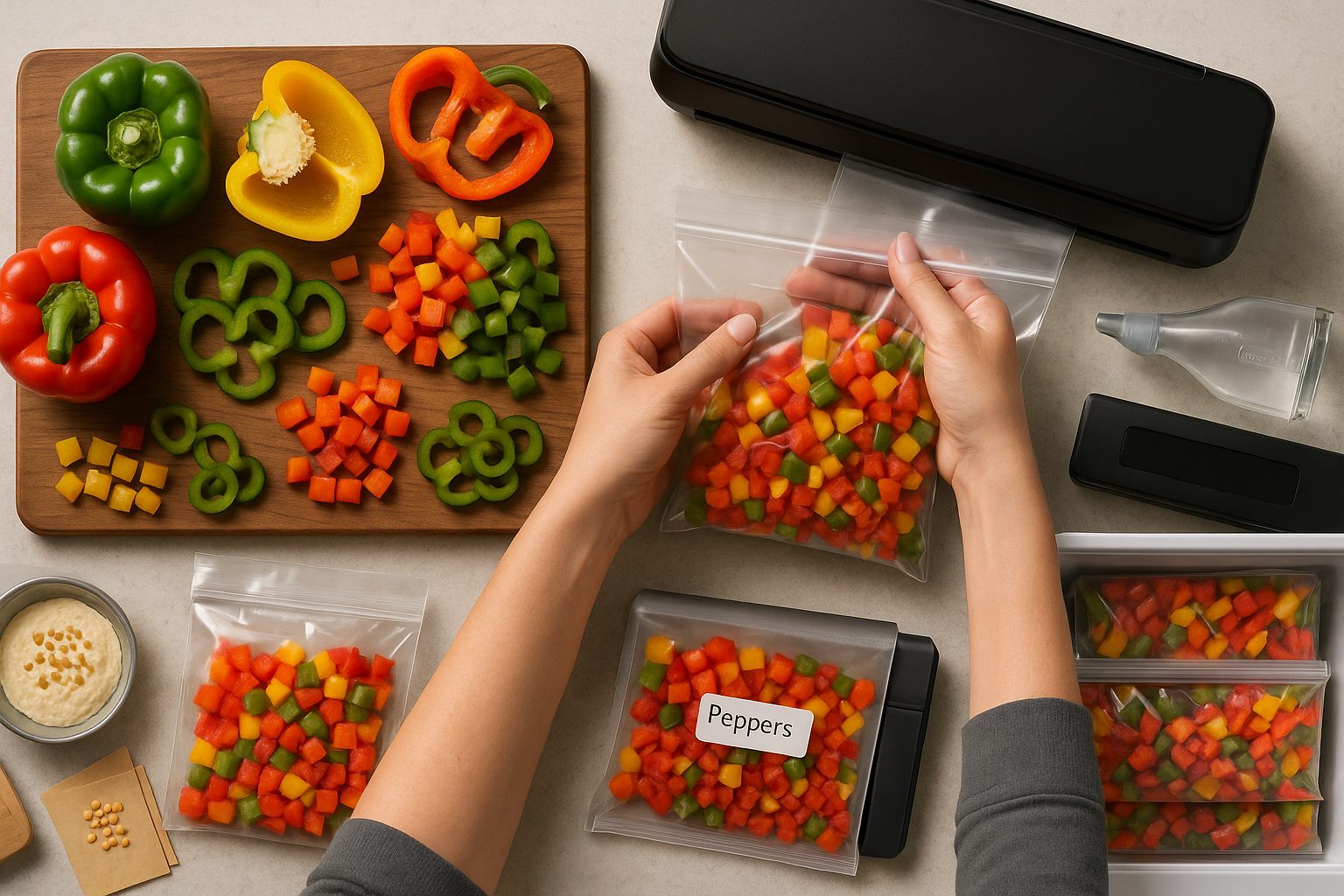
Once frozen, transfer the pieces to a labeled, airtight freezer bag, squeezing out as much air as possible before sealing.
If you choose to freeze whole peppers, follow the same washing and seeding steps, and consider blanching them in boiling water for a couple of minutes. This can help preserve both texture and color, especially if you plan to use them for stuffing.
Label your bags with the date and pepper variety so you can rotate your freezer stock and always know what’s on hand. By following these practical steps, you’ll have garden-fresh peppers ready for any dish, all without the hassle of chopping on busy weeknights.
Best Ways to Package and Store Frozen Peppers
When it comes to packaging and storing frozen peppers, choosing the right containers is key to preserving freshness and taste. Opt for sturdy, freezer-safe bags or airtight plastic containers to prevent moisture buildup and freezer burn.
Freezer bags are especially useful because you can press out excess air—just fill the bag, lay it flat, and gently press down before sealing. For the best results, use a straw to suck out any remaining air, or invest in a vacuum sealer if you freeze produce regularly.
Be sure to label each bag or container with the date and type of pepper using a permanent marker. This way, you can use the oldest peppers first and keep track of what’s inside.
When placing peppers in the freezer, lay bags flat so they freeze quickly and stack neatly, saving precious space. Avoid overfilling your freezer—air needs to circulate for optimal freezing.
Consider setting aside a designated section for your peppers, grouping bags by variety or preparation (such as diced or sliced) so you can easily grab what you need for recipes. These small organizational steps will keep your frozen peppers flavorful, easy to find, and ready to use anytime.
How Long Can Peppers Stay Frozen?
Frozen peppers can last up to 10 to 12 months in the freezer if stored properly in airtight containers or heavy-duty freezer bags, keeping them at a constant 0°F (-18°C). For the best results, try to use them within the first 6 to 8 months, as this is when they retain the most flavor, color, and firm texture.
Over time, frozen peppers may develop freezer burn, which appears as whitish, dry spots or a frosty coating on the surface. Freezer-burned peppers are still safe to eat but will likely taste bland and feel limp once cooked. You might also notice a dull color or a change in aroma, which are signs of quality loss.
To minimize deterioration, label your peppers with the freezing date and rotate your freezer stock, using older packages first. Whenever you use frozen peppers in recipes—such as stir-fries, soups, or casseroles—add them straight from the freezer to avoid sogginess.
Keeping an eye on storage time not only helps you enjoy peppers at their best but also reduces food waste by ensuring you use up what you freeze before quality starts to drop.
Using and Thawing Frozen Peppers
Thawing frozen peppers is simple, and the method you choose depends on how you plan to use them. For cooked dishes like stir-fries, fajitas, or soups, you can toss frozen peppers directly into the pan or pot without thawing. The heat will quickly defrost them, and skipping the thawing step actually helps maintain some of their texture.
On the other hand, if you want your peppers to be less watery for recipes like omelets, pizzas, or salads, it’s better to thaw them first. To do this, spread the frozen peppers on a plate or paper towel and let them sit at room temperature for about 30 minutes, or thaw them in the refrigerator for a few hours. Then, gently blot with a paper towel to remove excess moisture.
Frozen peppers work well in casseroles, stir-fries, pasta sauces, and breakfast scrambles, where their soft texture blends in beautifully. For crunchier applications, such as fresh salsa or as a raw topping, thawed or frozen peppers may release too much water and lack crispness, so stick to fresh peppers for those dishes.
With these easy techniques, you can make the most of your frozen pepper stash and add color and flavor to your meals year-round.
Common Questions About Freezing Peppers
Freezing peppers is a convenient way to preserve their flavor and add a pop of color to your meals year-round. Many people wonder if you need to blanch peppers before freezing; the good news is that it’s not necessary for most home cooks. Simply wash, dry, and chop your peppers, then spread them on a baking sheet to freeze individually before transferring to a zip-top bag.
You can also freeze roasted peppers—just peel off the skin, let them cool, and store in airtight containers. Stuffed peppers, on the other hand, freeze best when cooked first, as raw stuffing can get soggy.
Keep in mind that while frozen peppers are perfect for cooked dishes like stir-fries or casseroles, their texture will be a bit softer than fresh due to water loss during freezing. The flavor remains quite good, but crunch lovers might notice the difference in raw dishes like salads.
For more details on the best methods, check reliable sources such as your local cooperative extension service or trusted sites like the National Center for Home Food Preservation or Ball Canning. They offer step-by-step guides and troubleshooting tips to ensure your peppers stay delicious all year long.