Introduction
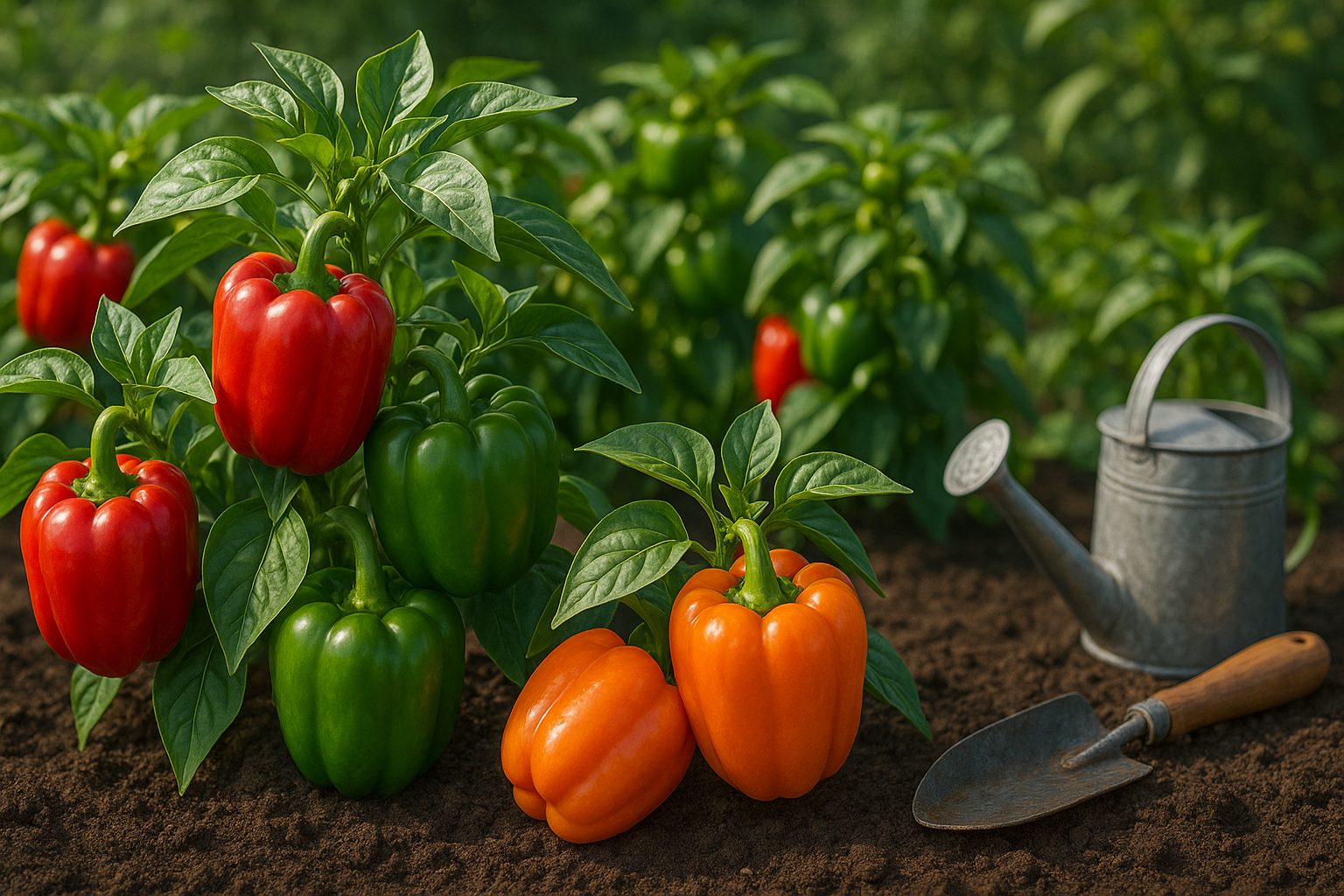
When searching for fast-growing bell peppers, you’re looking for varieties that reach maturity in the shortest time—sometimes as quickly as 60 days from transplanting, compared to the average 80 or more days for traditional bell peppers. These fast-growing peppers not only sprout and flourish quickly but also produce crisp, sweet fruit in record time, making them ideal for gardeners eager for results or those working with a short growing season.
Choosing early-maturing peppers means more opportunities for multiple harvests and less risk of losing your crop to unexpected cold snaps, pests, or diseases. For anyone in northern climates or with a limited summer window, these speedy varieties can be the difference between a lush pepper haul and a disappointingly bare garden bed.
In this article, we’ll explore what makes a bell pepper truly “fast-growing” and why certain types stand out for their quick development. You’ll discover our top picks for the fastest-growing bell pepper varieties, complete with real-world recommendations backed by gardeners across the U.S. Plus, we’ll share essential tips for getting your peppers off to a speedy start—think soil preparation, optimal planting techniques, and proven tricks to maximize your yields all season long. Whether you’re a seasoned grower or a first-time gardener, you’ll leave with actionable insights to enjoy bell peppers sooner than ever.
Popular Fast-Growing Pepper Varieties
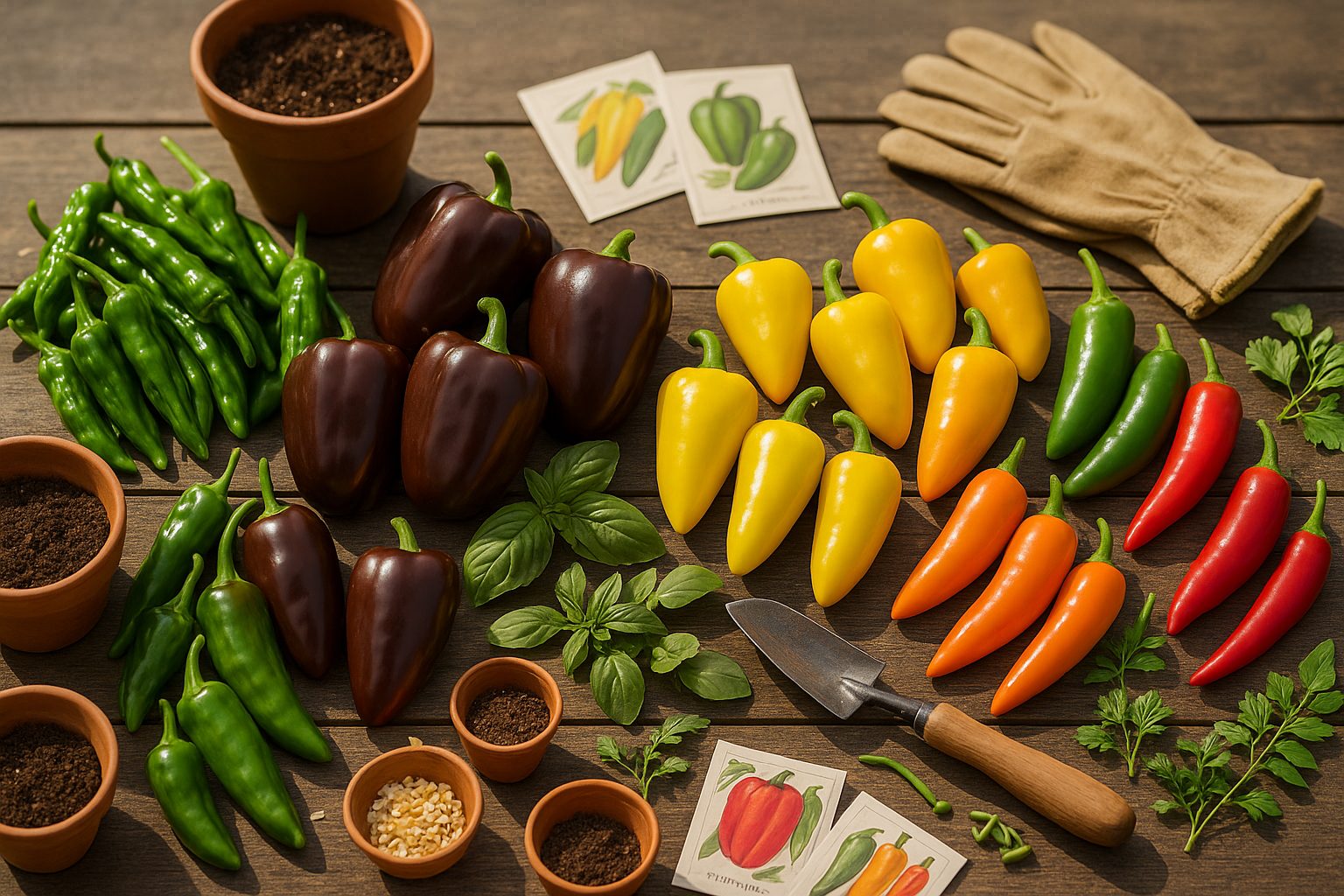
If you’re eager to enjoy homegrown peppers without a long wait, several fast-growing varieties deliver flavor and heat in under 75 days.
Shishito peppers, a favorite for grilling, mature in about 60 days and boast a mild, slightly smoky flavor. Nearly all are sweet, though occasionally you’ll bite into a mild surprise. These peppers grow well in containers and thrive in both warm and cooler climates.
Sweet Chocolate Bell peppers, ready in just 58-70 days, offer a rich, sweet taste with no heat. Their compact size makes them perfect for patio pots.
For those craving a citrusy kick, Lemon Spice Jalapeños mature in 65 days, packing medium heat and a bright yellow color. They excel in hot climates and do well in containers.
Orange Jalapeños, with their eye-catching color and zesty flavor, ripen in about 70 days and deliver a familiar medium heat—great for small gardens and sunny balconies.
If you’re after more fire, Hot Portugal peppers mature in 65-75 days. They feature thin walls and a spicy, robust flavor profile (scoring 5,000-30,000 Scoville units) and prefer full sun in warm climates.
Santaka is an early, hot Japanese chili with up to 40,000 Scoville units. It matures in 70 days and grows compact enough for pots, making it ideal for urban gardeners.
Mild Hatch Green Chile peppers, famed for New Mexican cuisine and ready in about 70 days, offer a mild, earthy taste perfect for roasting. They thrive in hot, dry regions.
By choosing varieties tailored to your garden’s conditions—whether you have a balcony, backyard, or windowsill—you can enjoy a steady harvest of unique, flavorful peppers all season long.
Choosing the Right Variety for Your Garden
Selecting the right pepper variety for your garden starts with considering your local climate, available space, and how you plan to use your harvest.
If you live in a cooler region, look for early-maturing varieties like ‘Ace’ sweet peppers or ‘Jalafuego’ hot peppers, which are more likely to produce fruit before the first frost. Gardeners in warmer climates have more options, including slow-maturing types that thrive in long, hot summers.
Space is another factor—compact or dwarf varieties work well in containers or small gardens, while sprawling types need more room. Think about your kitchen needs, too: thick-walled sweet bell peppers are ideal for fresh eating and stuffing, while thinner-walled, spicy varieties like ‘Serrano’ or ‘Anaheim’ are great for salsas and pickling.
Hot peppers typically prefer even warmer, sunnier spots and need good drainage, while sweet peppers can tolerate a bit less heat but still like plenty of sun.
Always read seed packets or online descriptions for information on disease resistance, days to maturity, and regional adaptability—these details can help you avoid common disappointments and ensure a rewarding harvest tailored to your garden’s unique conditions.
Best Practices for Fast Pepper Growth
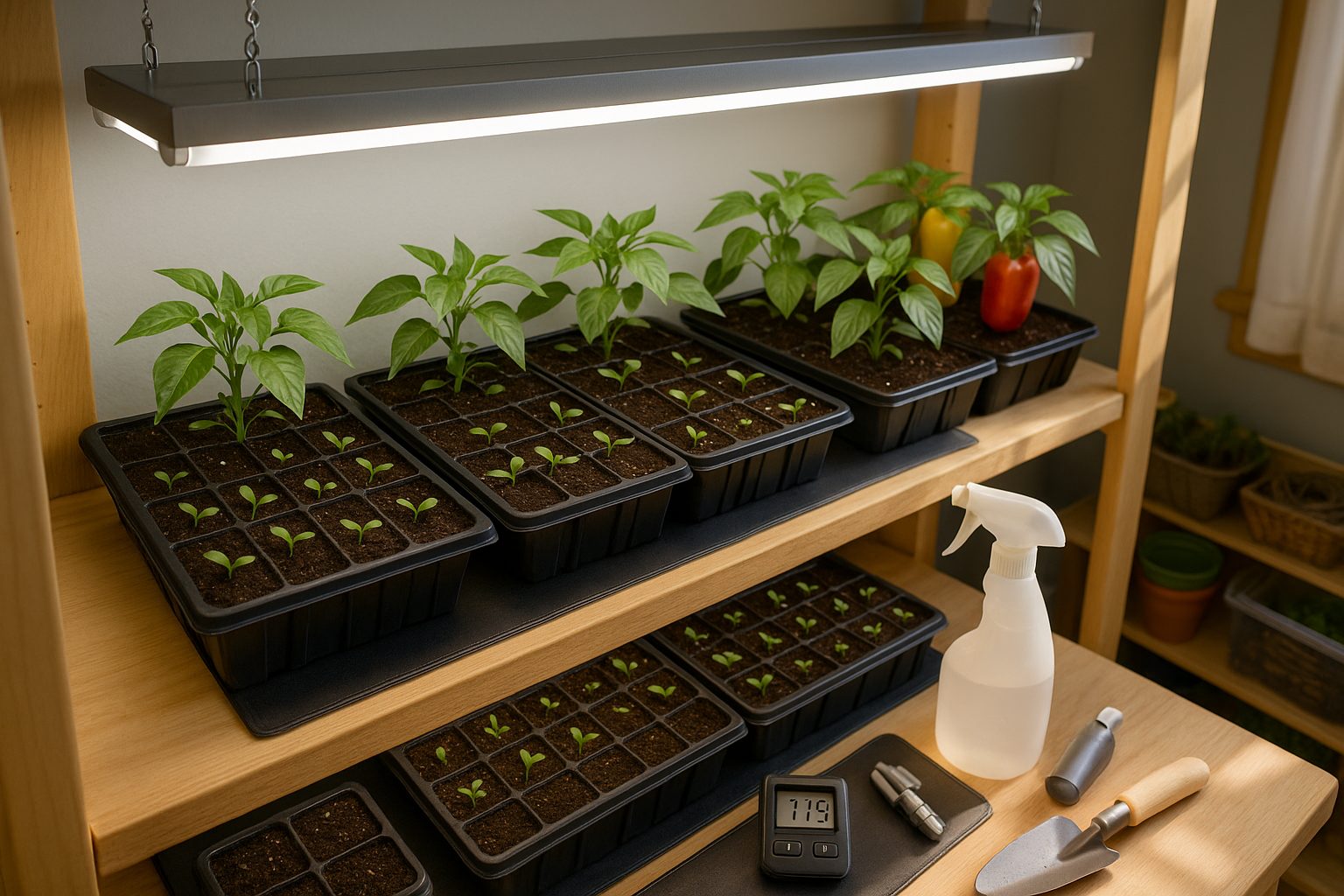
Getting your peppers off to a speedy start begins with starting seeds indoors about 8-10 weeks before your last expected frost date. Use a seed-starting mix and keep the trays in a warm spot—peppers thrive when soil temperatures are steady around 80°F (27°C). A heating mat can make a big difference for germination speed.
Once seedlings have sprouted, keep them in a sunny window or under grow lights for 14-16 hours daily to ensure strong, healthy growth. Peppers prefer well-draining, fertile soil with a slightly acidic to neutral pH (6.0-7.0), so amend your garden beds with compost or aged manure before transplanting.
Wait until outdoor soil temperatures have warmed to at least 65°F (18°C) before moving your plants outside. Space pepper plants about 18-24 inches apart to give them room for good airflow, which helps prevent disease and encourages faster growth.
Consistent moisture is key: water deeply when the top inch of soil dries out, but avoid soggy soil that can stunt roots. Feeding peppers with a balanced fertilizer rich in phosphorus—either at planting or as a diluted liquid feed every 2-3 weeks—will boost root and flower development.
Early in the season, protect young transplants from sudden cold snaps with row covers or cloches. Providing at least 6-8 hours of direct sunlight daily is essential for fast, vigorous growth.
With these strategies, you’ll give your peppers the best chance to mature quickly and produce a generous harvest.
Common Problems and How to Prevent Them
Growing healthy plants often means tackling a few common problems before they start. Poor germination can stem from old seeds or inconsistent moisture; to avoid this, always use fresh seeds and keep your soil evenly damp (but not soggy) until seedlings emerge.
Pests like aphids and flea beetles can quickly damage young plants, so try using floating row covers as a physical barrier and encourage natural predators like ladybugs in your garden.
Diseases such as blossom end rot—often showing up as dark, sunken spots at the base of fruit—typically result from uneven watering or calcium deficiency. To prevent this, maintain regular soil moisture and consider adding crushed eggshells or garden lime to boost calcium levels.
Crop rotation is another powerful strategy: by planting different families of vegetables in new spots each year, you minimize the buildup of soil-borne pests and diseases.
If you notice symptoms like yellowing leaves, wilting, or stunted growth, check for drainage issues, root pests, or signs of nutrient imbalance.
Catching and addressing problems early keeps your garden thriving, while preventive habits set up your next season for even greater success.
Harvesting and Using Fast-Growing Peppers
To get the best flavor and texture from your fast-growing peppers, watch for signs of peak ripeness: the peppers should be firm, glossy, and have a deep, consistent color—whether red, yellow, orange, or green, depending on the variety.
Harvest in the morning when the peppers are cool, using sharp garden scissors or pruners to snip each pepper with a short stem attached. This gentle method reduces stress and damage to the plant, allowing it to keep producing more fruit.
Once harvested, these peppers are wonderfully versatile in the kitchen. Try slicing them raw for salads and snacks, tossing them on the grill for a smoky char, or making quick refrigerator pickles with vinegar, garlic, and spices. These easy preparations let you enjoy the intense, garden-fresh flavor of your peppers and stretch your harvest over several meals.
Conclusion & Quick Tips for Success
Growing fast-maturing peppers brings the joy of quicker harvests and a steady supply of fresh, flavorful produce—perfect for gardeners eager to see results. The key to success is giving your peppers plenty of sunlight; at least 6-8 hours a day helps them thrive and ripen rapidly. Consistent watering and feeding also speed up growth. Don’t be afraid to experiment with different varieties to find what grows best in your area.
For more ideas or help with troubleshooting, explore our other blog posts or drop your questions in the comments—we love hearing from fellow pepper enthusiasts!