Introduction
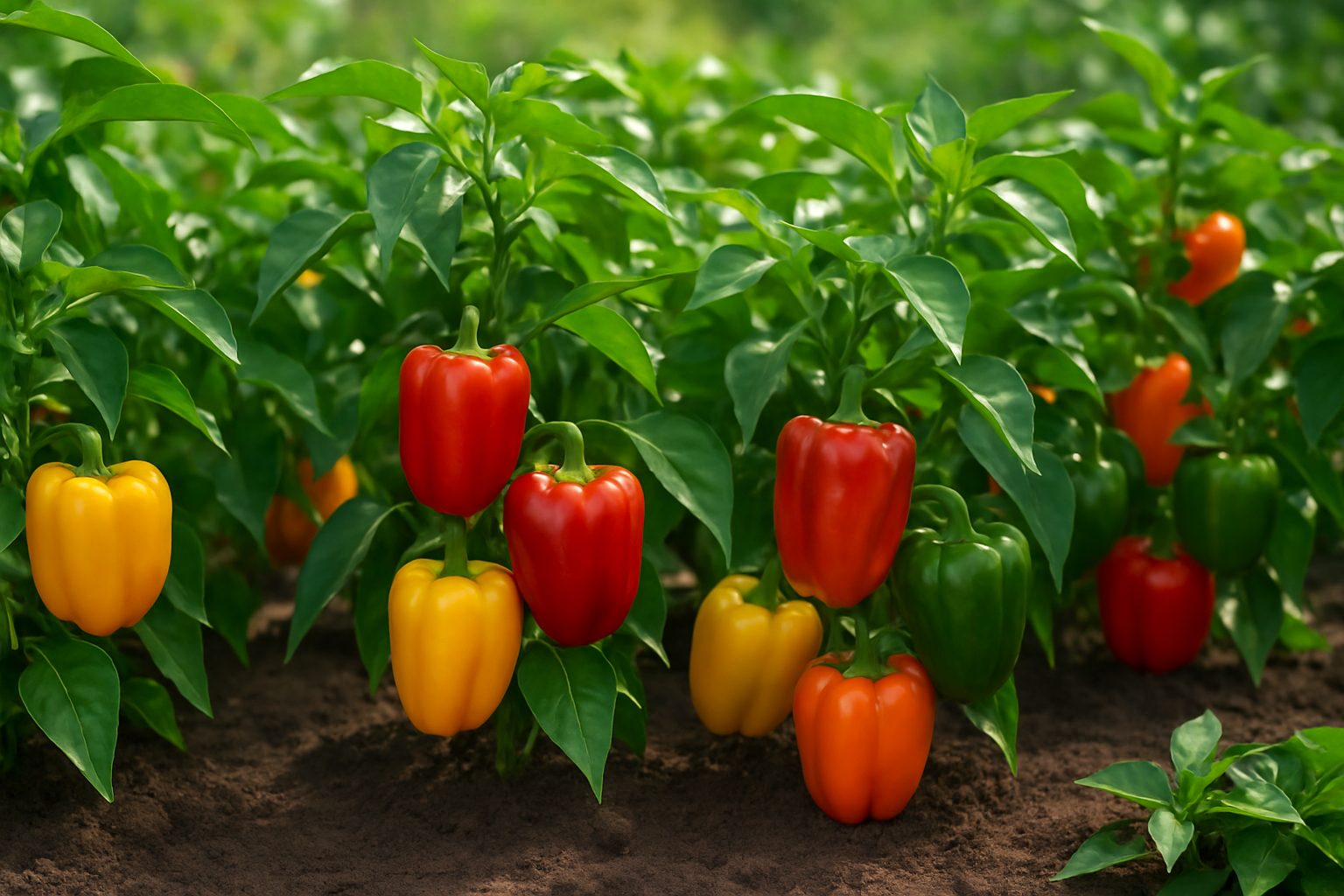
Harvesting a basket full of crisp, vibrant bell peppers is one of the most satisfying rewards for any home gardener. Understanding bell pepper yield per plant is key to setting realistic expectations and getting the most from your gardening efforts. Whether you favor the sweetness of colorful bell peppers for salads and stir-fries or the fiery kick of hot varieties for salsas and sauces, peppers offer remarkable versatility in both the kitchen and the garden.
With an incredible range of varieties to choose from, each type brings its own unique growth habits and flavor profiles. In this article, we’ll break down the essential growth stages of peppers—so you know exactly what to watch for as your plants develop. You’ll discover proven tips to maximize the yield from every plant, from selecting the right variety and improving soil health to mastering watering and pruning techniques.
Plus, we’ll uncover practical solutions to the most common problems gardeners face, such as blossom drop, pest damage, and irregular fruit setting. Whether you’re a first-timer or looking to boost your harvest this season, we’ll help you achieve your best bell pepper yield per plant, one step at a time.
Choosing the Right Pepper Varieties
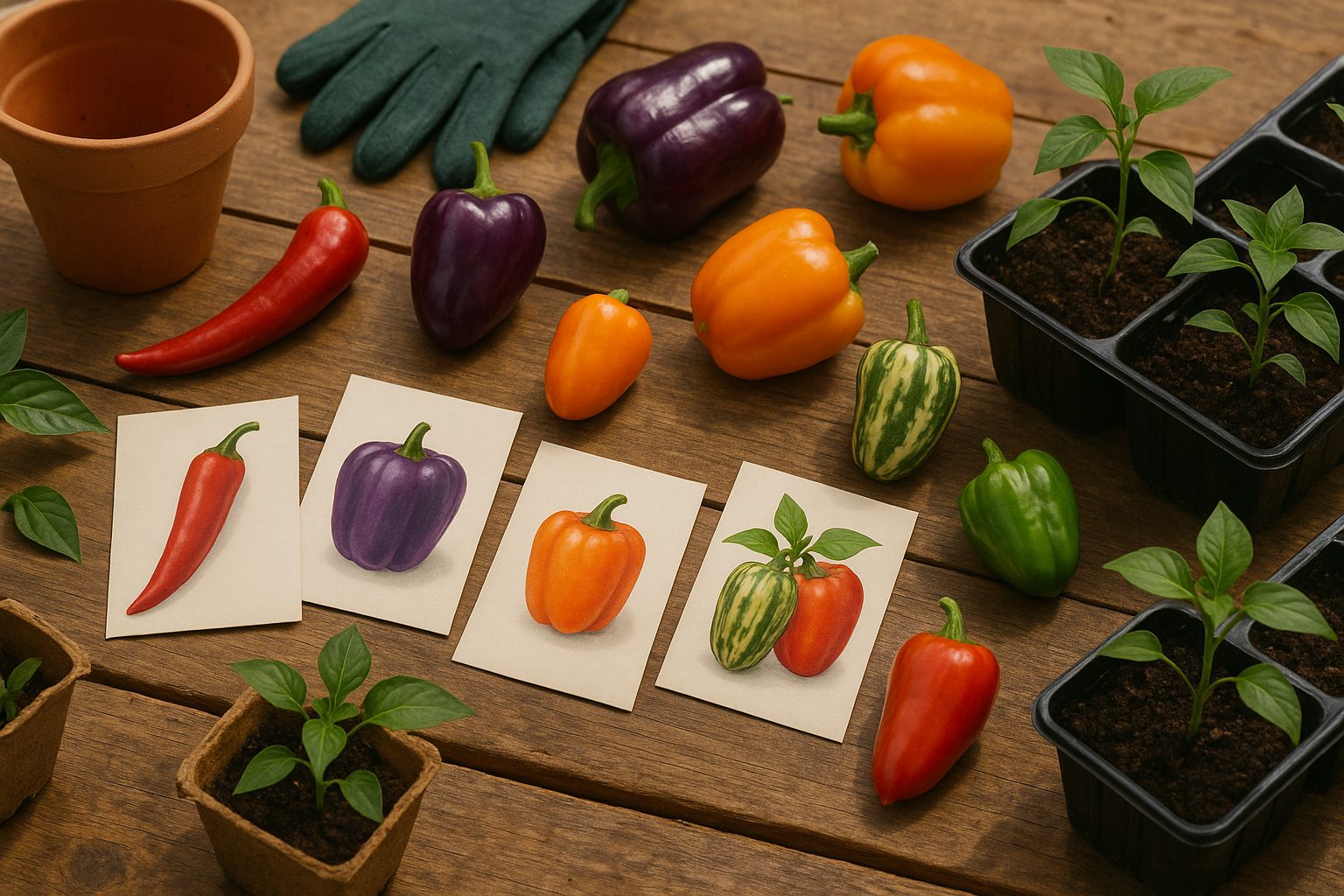
When it comes to choosing pepper varieties for your garden, it helps to first understand the basic differences: sweet peppers, like bell peppers, are mild and perfect for salads, roasting, or stuffing, while hot peppers—think jalapeños or habaneros—add varying degrees of heat to salsas, sauces, and spicy dishes. Your choice should reflect both your palate and your garden’s conditions.
For example, hot peppers generally need a longer, warmer growing season; if you have a short or cool summer, opt for early-maturing sweet pepper varieties, or try growing peppers in containers that can be moved to sunny spots. Climate matters a lot—some varieties, like California Wonder or Lunchbox sweet peppers, thrive in cooler regions, while Cayenne or Serrano hot peppers do better in consistently warm climates.
Garden space also plays a role: dwarf or compact varieties fit smaller gardens or patios, while larger plants need more room to thrive.
When choosing seeds or seedlings, pay close attention to the plant tags and seed packets. Look for notes about “days to maturity”—shorter times are better for cooler climates—and check any references to disease resistance or required sun exposure.
If you’re new to peppers, start with just a couple of varieties: maybe a classic bell pepper and a milder hot pepper like Banana or Poblano. This way, you get a feel for what grows well in your garden and what flavors you enjoy most. Always factor in your cooking habits too, growing what you’ll actually use in your favorite meals.
The Stages of Pepper Plant Growth
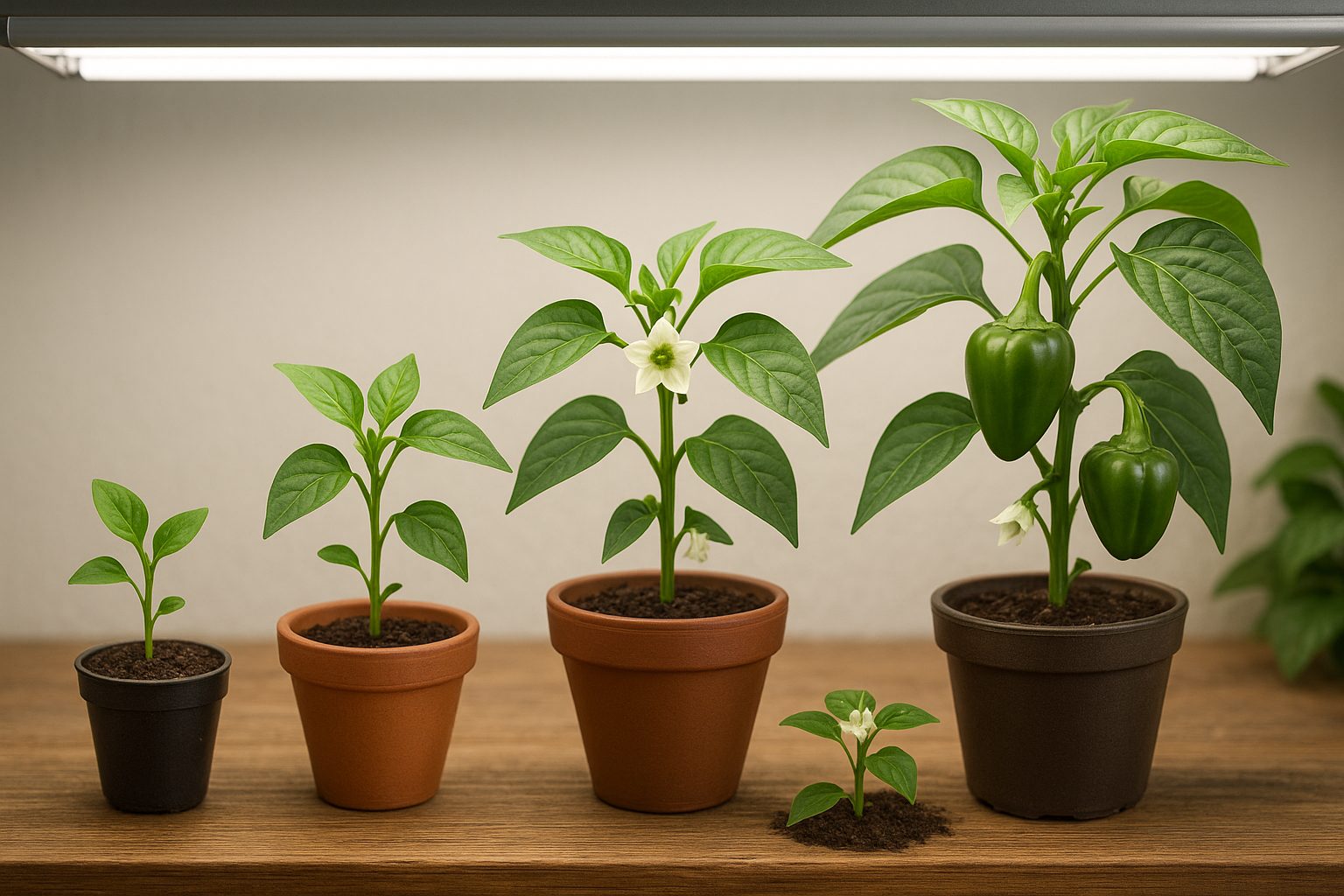
Pepper plants progress through several distinct growth stages, each with its own appearance and care needs. The journey starts with the seedling stage: tiny green sprouts emerge from the soil, appearing delicate with just two small “cotyledon” leaves.
During this stage, keep the soil consistently moist but not soggy, and provide plenty of bright, indirect light—placing seedlings near a south-facing window or under grow lights works well.
As they move into early growth, pepper plants develop true leaves and grow sturdier stems. Now, gradually shift watering to allow the surface of the soil to dry out between waterings, while ensuring the plants still receive 12-16 hours of light daily. Begin feeding with a gentle, balanced liquid fertilizer once true leaves appear.
During the maturation stage, plants get bushier, forming more leaves and thicker stems; at this point, space plants so air can circulate and consider staking taller varieties for support. Pepper plants need more nutrients now, so switch to a fertilizer higher in phosphorus and potassium, and ensure at least 6 hours of direct sunlight each day.
The flowering stage soon follows, marked by small white or yellow blossoms—be careful not to over-fertilize with nitrogen at this time, as it can limit blooms. Keep the soil evenly moist and gently tap or shake plants to help pollinate flowers if they’re indoors.
After successful pollination, the fruiting stage begins: peppers start as green pods and grow in size. Consistent watering becomes crucial now, but avoid waterlogging, as it can lead to root issues.
Finally, in the ripening stage, peppers change color to red, yellow, or orange depending on the variety. Reduce watering slightly as fruits mature, and harvest them when they reach peak color for maximum flavor.
Throughout all stages, watch for pests like aphids and adjust care as your peppers grow for a healthy, productive plant.
Boosting Pepper Yield: Tips and Best Practices
Maximizing your pepper yield starts with getting the basics right, which means paying attention to how you plant, prune, and support your pepper plants. Give each plant enough space—typically 18 to 24 inches apart—so they get plenty of sunlight and airflow. This helps prevent diseases and promotes strong growth.
Pruning lower leaves and any weak shoots encourages the plant to direct energy toward producing more fruit. Additionally, removing small, early flowers can help the plant focus on growing stronger before fruit sets. Staking or caging your plants, especially for larger varieties, keeps heavy branches upright and prevents breakage as the peppers mature.
Consistent watering is crucial; aim for moist but not soggy soil, watering deeply about once or twice a week depending on the weather. Overwatering can cause root issues and blossom drop, while underwatering stresses your plants. Applying a layer of mulch helps retain moisture and reduces these fluctuations.
Feed peppers with a balanced fertilizer every few weeks, but avoid too much nitrogen, which encourages foliage growth at the expense of fruit. To increase pollination—especially if you notice small, misshapen peppers—consider gently shaking the plants or using a soft paintbrush to move pollen between flowers. Planting pollinator-friendly flowers nearby also attracts bees.
Lastly, to reduce fruit drop, avoid heat or drought stress, and try shielding your plants with shade cloth during extreme heat waves. With these strategies, you’ll set your pepper garden up for a bountiful, healthy harvest.
Troubleshooting Common Pepper Growing Problems
Growing healthy peppers can be challenging, but recognizing common problems early on can make all the difference.
Poor fruit set is a frequent issue, often caused by extreme temperatures—peppers thrive between 70–85°F. Try providing shade during heat waves or using row covers to retain warmth if nights are cold.
Inconsistent watering is another culprit; peppers need even soil moisture. Water deeply whenever the top inch of soil feels dry, and mulch to help retain moisture.
Pest invasions can rapidly damage plants—aphids, spider mites, and pepper maggots are usual suspects. Check leaves and stems regularly for tiny insects or sticky residue, and wash them away with a strong spray of water or use insecticidal soap. For a natural boost, introduce ladybugs or lacewings to help keep aphid populations under control.
Fungal and bacterial diseases, like blossom end rot or bacterial spot, also plague pepper plants. Ensure your garden has good airflow by spacing plants appropriately, prune any dense foliage, and avoid overhead watering to keep leaves dry. If you notice dark spots, remove and dispose of affected leaves promptly. Rotate your crops each year and err on the side of clean, sanitized tools to prevent lingering diseases.
Whether you’re a beginner or seasoned gardener, paying attention to temperature swings, sticking to a steady watering schedule, and practicing diligent pest and disease prevention will help your pepper plants flourish all season long.
Harvesting and Storing Peppers
Knowing when to harvest peppers is key to getting the best flavor and yield. Peppers are typically ready to pick when they reach their mature color—this could be green, red, yellow, orange, or even purple, depending on the variety.
Visually, ripe peppers will look glossy and vibrant, and they’ll feel firm to the touch, not soft or wrinkled. Another good sign is that they easily detach from the plant with a gentle tug, though using pruning shears or scissors is often the safest way to avoid tearing the branches or stems.
Always cut peppers with a small portion of the stem attached, which helps prolong their shelf life and prevents plant damage. Hold the plant steady with one hand while you snip with the other to avoid snapping delicate stems, especially on smaller pepper varieties.
After harvesting, proper storage is essential to retain freshness and flavor.
Short-Term Storage
For short-term storage, keep peppers unwashed in a breathable produce bag or a paper towel-lined container in the refrigerator’s crisper drawer. They’ll often last up to two weeks this way.
Long-Term Storage
If you have a bumper crop, consider freezing extra peppers. Simply wash, slice, and remove seeds before placing them on a tray to freeze individually. Once frozen, transfer them to freezer bags.
For longer-lasting flavor, you can also dry or pickle your peppers, which not only preserves them but adds a fun twist to your pantry staples.
Frequently Asked Questions About Growing Peppers
When it comes to growing peppers, a few questions pop up time and again. First, “Why aren’t my pepper plants producing fruit?” Most often, it’s due to high temperatures or poor pollination—try planting in a spot with morning sun and shelter from harsh afternoon rays, and gently shake the flowers to help pollinate.
Another common question is, “How often should I water my pepper plants?” Peppers love consistently moist soil but hate soggy roots. Water deeply once or twice a week, depending on the weather, and always let the top inch of soil dry out before the next watering.
Gardeners also ask, “What’s the best way to fertilize peppers?” Use a balanced fertilizer when planting, then switch to a low-nitrogen blend once you see flowers, as too much nitrogen can hamper fruit development.
Pests are a concern, too—aphids and spider mites are common culprits; spraying leaves with a gentle soap-and-water mix can help control them.
Lastly, “When are peppers ready to harvest?” Look for full size and rich color according to the variety—don’t be afraid to give a gentle tug; if the pepper comes off easily, it’s ready.
Taking these steps can help you grow healthy, productive pepper plants.
Conclusion
Growing peppers at home is both rewarding and surprisingly simple when you start with the basics: choose healthy seeds, provide plenty of sunlight, and keep the soil moist but not soggy. Don’t be afraid to experiment with different varieties and techniques—sometimes the best results come from trial and error.
Every garden is unique, so embrace mistakes as part of the learning process. If you’re curious, have questions, or want to share your own pepper-growing successes (or funny mishaps), let us know in the comments. We’d love to hear your stories and help each other thrive.