Introduction
Are your bell peppers sporting drooping leaves? If so, you might be wrestling with bell pepper watering problems—a common headache for gardeners everywhere. Drooping foliage can send a wave of panic through any grower, as it often hints that something isn’t quite right with your peppers’ growing environment. The tricky part is that drooping leaves can signal both overwatering and underwatering, and knowing the difference is essential if you want healthy, productive plants.
The good news? Most causes behind these wilting leaves are surprisingly simple to fix! In this article, we’ll break down the signs of too much versus too little water, help you figure out exactly what’s causing your bell pepper watering problems, and share practical techniques to bring your plants back to vibrant health. You’ll also discover real-world troubleshooting tips, from checking soil moisture with your finger to adjusting your watering routines based on the weather.
Whether you’re a first-time gardener or a seasoned grower hoping to avoid another season of droopy plants, keep reading for advice you can put into action right away—for a harvest of happy, upright peppers.
Common Causes of Drooping Leaves on Pepper Plants
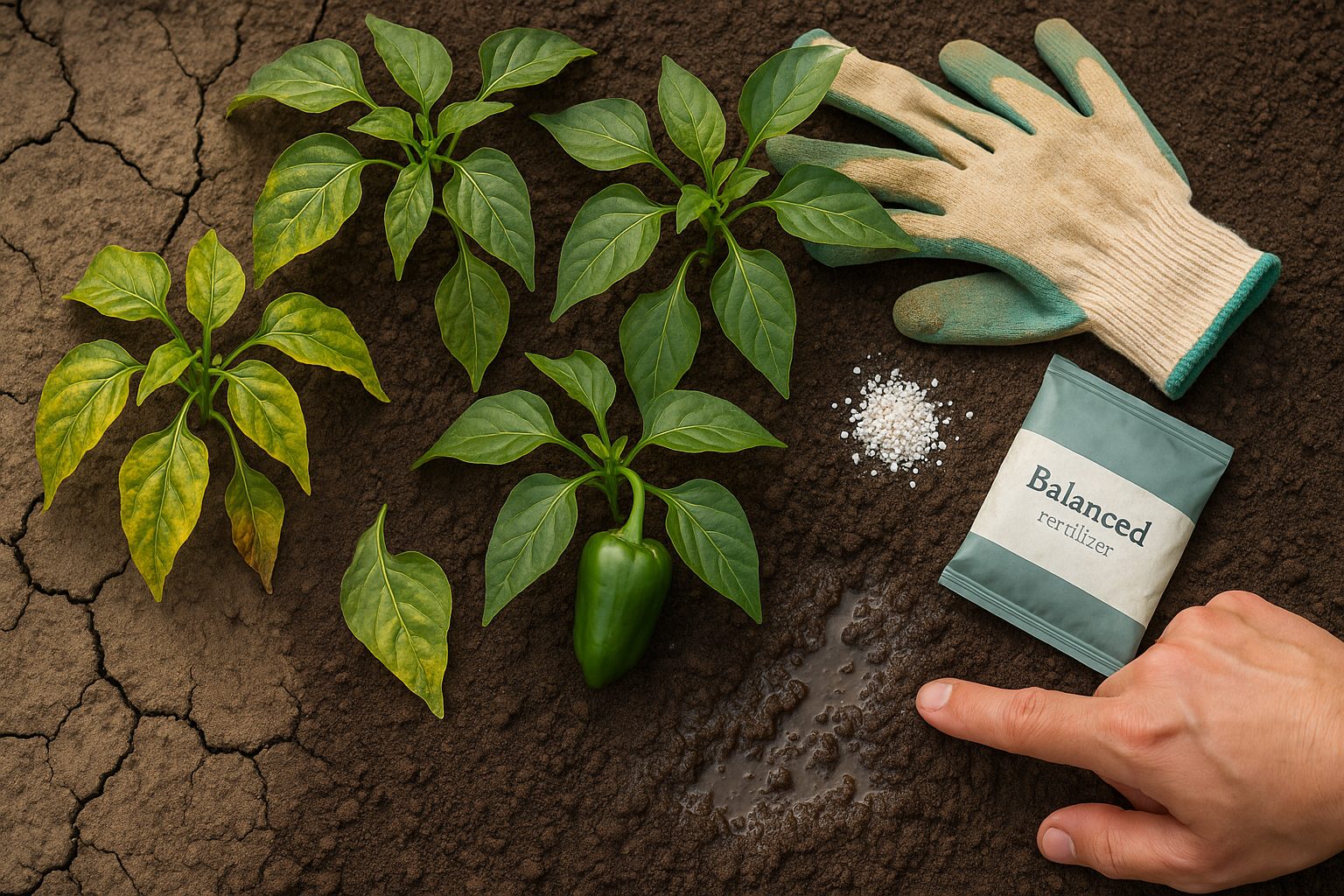
Drooping leaves on pepper plants can be an early warning sign that your plant needs attention, and catching the problem quickly often makes all the difference. One of the most common causes is improper watering—both overwatering and underwatering can stress peppers, causing leaves to wilt or sag.
Make sure the soil is moist but not soggy; check by sticking a finger about an inch deep into the soil to see if it needs water. Nutrient deficiencies, especially in nitrogen or potassium, can also cause drooping or weak leaves, so consider using a balanced fertilizer if you suspect a lack.
Light is another critical factor: pepper plants thrive in bright, direct sunlight, and insufficient light may cause leaves to become limp or pale. Temperature stress is also a culprit; peppers prefer warmth and can react poorly if exposed to chilling temperatures or sudden heatwaves. Protect them with row covers or by moving pots indoors if extreme conditions threaten.
Don’t overlook pests like aphids or spider mites, or diseases such as bacterial wilt and root rot, as these can all cause leaves to lose their vigor. Look for sticky residue, webs, spots, or mushy stems as clues.
Because so many conditions can trigger drooping, the most effective solution starts with careful observation. Check your plant’s environment, examine the leaves and stems closely, and review your care routine. By identifying and correcting the specific issue quickly, you give your pepper plant the best chance to recover and keep producing healthy, vibrant leaves.
Watering Woes: Overwatering, Underwatering, and Solutions
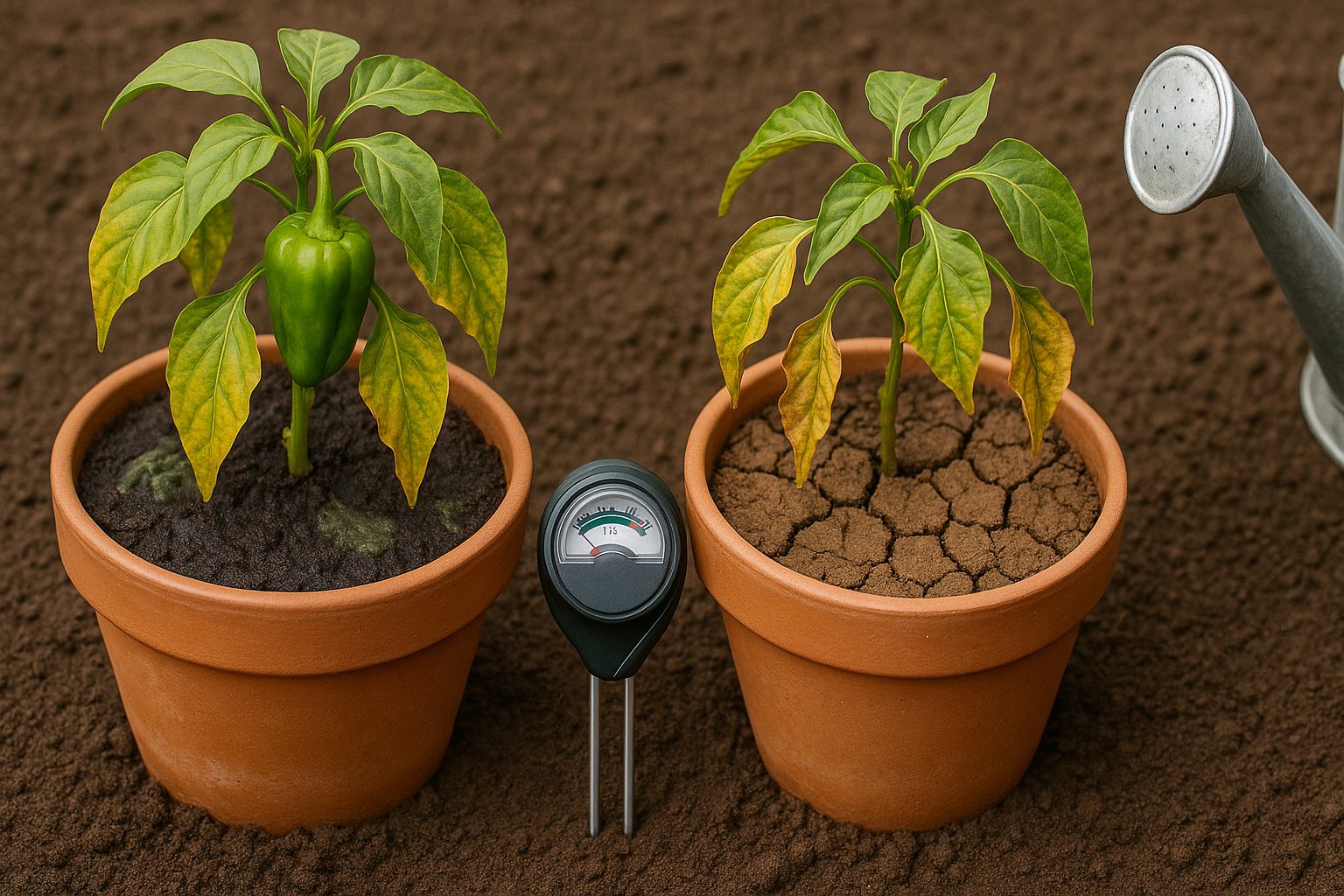
Drooping leaves on pepper plants are a clear sign that something is off with your watering routine, but figuring out whether it’s too much or too little water can be tricky. Overwatering often causes leaves to turn yellow, feel limp, and drop prematurely because roots suffocate in soggy soil, making it hard for them to absorb oxygen. You might even notice a musty smell or mold forming on the soil’s surface.
In contrast, underwatering typically results in crispy, dry leaves that curl inward and look dull or faded. Stunted growth and wilting during the hottest parts of the day are also common signs.
Watering Tips for Pepper Plants
When watering pepper plants in containers, always make sure the pots have drainage holes and let the top inch of soil dry out between waterings—just stick your finger in to check. For garden beds, aim to water deeply so the roots grow downward, but avoid soggy spots by watching for pooling water or muddy soil.
Establishing an effective watering schedule means paying attention not only to the soil but also the weather. In hot, dry summer months, your peppers may need watering every other day, while cooler or rainy periods might only require once or twice a week.
Best Practices for Timing
- Water early in the morning to help plants absorb moisture before the midday heat and to avoid inviting disease overnight.
- Adjust your routine if rain is forecasted or during heatwaves—plants in clay soils retain moisture longer, whereas sandy soils dry out quickly.
- Using a moisture meter can take the guesswork out of watering, but observation is your best tool: wilted leaves when soil is wet means cut back, while wilted leaves with dry soil signal it’s time for a thorough soak.
With practice, you’ll learn to read your plants, and they’ll reward you with lush growth and healthy fruit.
Light, Temperature, and Placement
Pepper plants thrive with plenty of sunlight—ideally 6 to 8 hours of direct light each day. Sufficient light is crucial for strong growth, flowering, and fruit production, so it’s best to place your plants in the sunniest spot available.
Outdoors, select a location that gets morning sun and some afternoon shade to protect peppers from scorching midday heat, especially during heatwaves. Indoors, choose a south-facing window or supplement with grow lights if natural light is limited.
Temperature plays a big role too: peppers prefer warm days between 70–85°F (21–29°C) and slightly cooler nights. They struggle if nighttime temperatures dip below 55°F (13°C) or if daytime temperatures consistently soar above 90°F (32°C).
For the healthiest plants, avoid drafty windows, areas near heat sources, or spots where cold air can settle. If you notice leaves curling or flowers dropping, try simple fixes like moving containers closer to a light source, relocating outdoor pots to a less exposed area, or hanging shade cloth to protect from harsh afternoon sun.
These quick tweaks help ensure your pepper plants stay happy, healthy, and productive throughout the season.
Soil, Nutrients, and Fertilization
Pepper plants are sensitive to their soil environment, and several common soil issues can quickly lead to droopy leaves or stunted growth. Poor drainage, often found in heavy clay soils or compacted garden beds, traps excess moisture around the roots and deprives them of oxygen, causing wilting and increasing vulnerability to root rot.
Compaction, usually the result of frequent foot traffic or working wet soil, compresses the air spaces essential for root development, making it difficult for plants to access water and nutrients. Nutrient deficiencies—especially in nitrogen, potassium, or magnesium—are another common cause of drooping or pale leaves, sometimes leading to yellowing, leaf curl, or poor fruit set.
However, over-fertilizing can be just as harmful. Using too much fertilizer, particularly high-nitrogen products, may burn roots, contribute to salt buildup, or encourage lush leafy growth at the expense of flowers and fruit, leaving the plant more susceptible to drooping and disease.
To give your pepper plants the best foundation, start by improving drainage with organic amendments like compost or aged manure, or add coarse sand if the soil is especially dense. Avoid working with or walking on waterlogged soil to reduce compaction, and consider raised beds to enhance drainage.
For nutrients, use a balanced slow-release fertilizer formulated for vegetables—applying lightly at planting and supplementing as needed based on plant appearance or soil test results. Rotate crops yearly and mulch with organic matter to maintain healthy microorganism activity and steady moisture levels.
If you notice specific leaf symptoms such as yellowing, browning, or drooping, use an at-home soil test kit to identify deficiencies and adjust with targeted amendments like blood meal for nitrogen or Epsom salts for magnesium. Simple, consistent care goes a long way toward healthier, droop-free pepper plants.
Pest and Disease Stress
Pest and disease stress is a common cause of drooping in plants, often appearing before an infestation becomes obvious. Common pests like aphids, spider mites, and whiteflies tend to cluster beneath leaves or at stem joints, sucking sap and causing parts of the plant to wilt or droop.
On the disease side, fungal infections such as powdery mildew or root rot can also lead to limp, discolored, or spotted foliage. Early warning signs for both pests and diseases include yellowing leaves, sticky residue (honeydew), webbing, black spots, or a white powdery coating on leaves. You might also notice holes or bite marks where pests have fed.
To treat pest infestations organically:
- Start by rinsing leaves with a strong spray of water to dislodge pests.
- Apply insecticidal soap or neem oil, both widely available and safe for most houseplants.
For fungal diseases:
- Remove affected leaves promptly.
- Ensure good airflow by thinning dense foliage.
- Treat with a natural fungicide like diluted baking soda spray.
Chemical treatments from your local garden center can also be effective—just follow label directions closely and apply in a well-ventilated space.
For beginners, always isolate the affected plant to prevent the spread, and regularly check nearby plants for similar signs. Early detection and gentle but prompt intervention are key to restoring healthy, perky foliage.
Pepper Plant Recovery: Ongoing Care and Prevention
To help your stressed or drooping pepper plants bounce back, start by giving them a little TLC: trim away yellowing or wilted leaves and any small, non-productive stems to redirect energy to healthy growth. If you’ve recently transplanted them, make sure the new spot offers good drainage and partial shade for a few days—peppers can get sun shock if moved too suddenly.
Stick to a watering schedule that keeps the soil consistently moist but not soggy; peppers tend to droop from both over- and underwatering. Check the soil with your finger—if it’s dry an inch down, it’s time to water. Feed them with a balanced fertilizer every couple of weeks to support recovery.
Throughout the growing season, keep an eye on changes in weather:
- In hot spells, water a bit more and mulch the soil to keep roots cool.
- During cooler snaps, consider row covers to prevent stress.
Regularly check for pests or fungal spots, catching issues early so your plants don’t lose momentum. By pruning after harvest, gently transplanting, and watching the cues your peppers give—such as leaf curl, droop, or color changes—you can adjust your routine to keep plants thriving and avoid future problems.
Conclusion
Most cases of leaf drooping can be reversed with prompt attention and the right care, so don’t get discouraged if you notice your plants looking a bit sad! Keeping an eye on your plant’s daily condition helps you catch issues early, whether it’s watering less, moving to a brighter spot, or adjusting humidity. Being observant and open to changing your routine ensures your plants stay healthy and vibrant. If you’re ever unsure or want to share your own leaf drooping story, leave a comment below—connecting with other plant lovers is a great way to learn and get support.