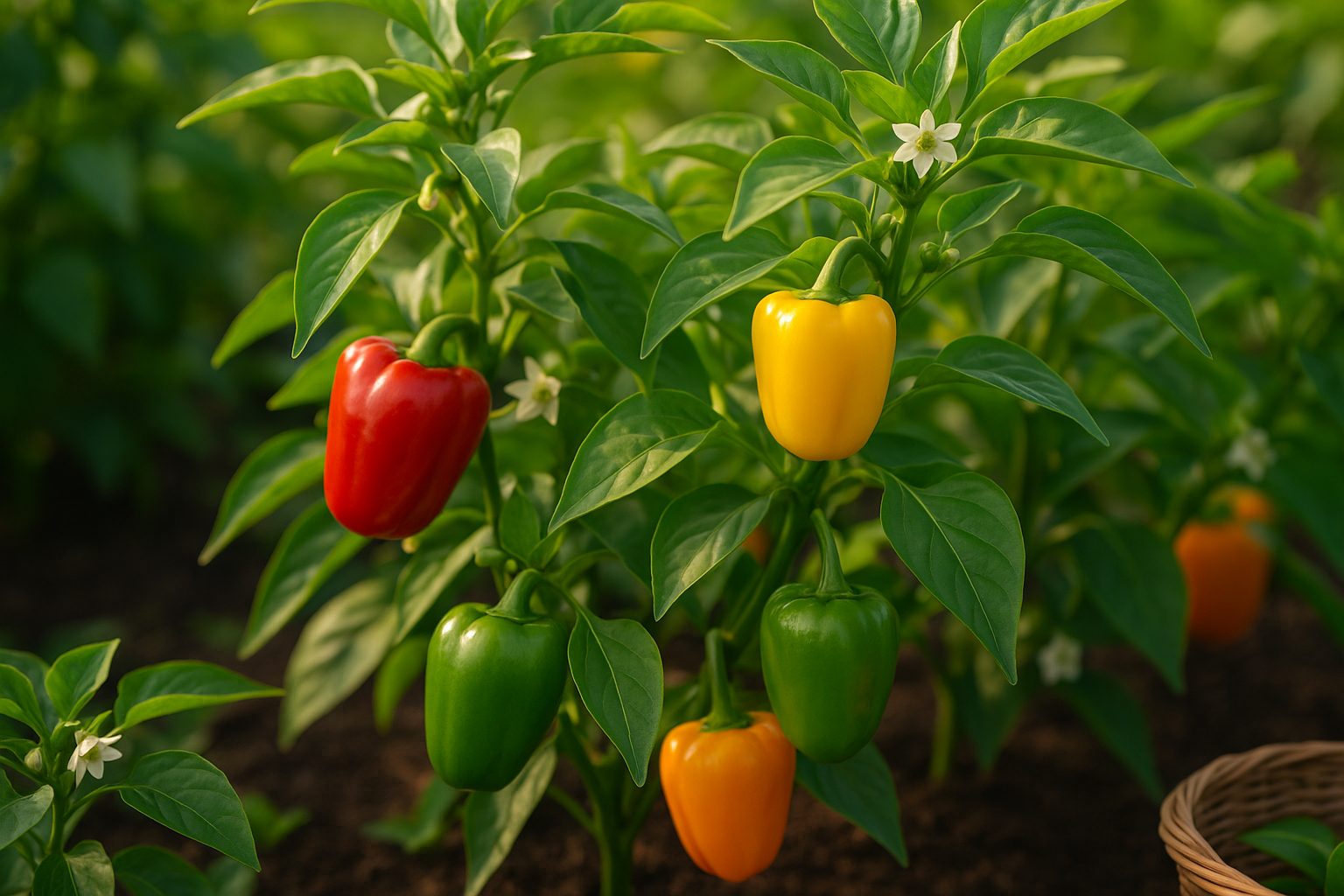
Why Do Pepper Flowers Fall Off?
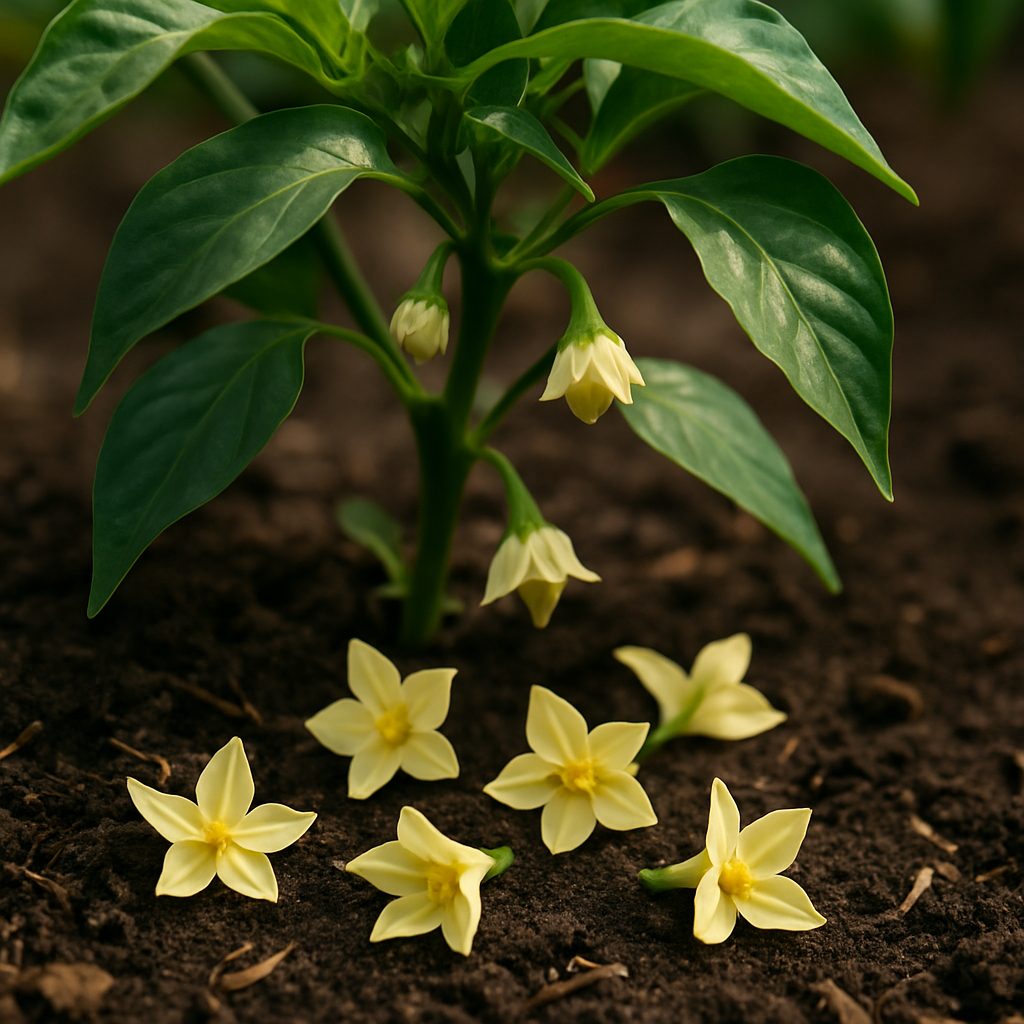
If you’ve noticed bell pepper flowers dropping from your plants before they have a chance to form fruit, you’re not alone. Blossom drop, as gardeners call it, is a common but frustrating issue where flowers fall off prematurely, leaving you without those crisp, colorful peppers you’re hoping for.
So why do pepper flowers fall off before they set fruit? There are a few key culprits to watch out for.
Environmental Stress
Environmental stress is one of the top reasons—anything from dramatic swings in temperature to dry soil or excessively wet conditions can cause flowers to abort. Bell peppers are especially sensitive to heat; daytime temperatures above 85°F or nights cooler than 60°F can signal the plant to drop flowers instead of investing energy in fruit.
Incomplete Pollination
Incomplete pollination is another cause; while peppers are self-pollinating, lack of airflow or a sparse bee population can make flower fertilization unreliable.
Plant Maturity
Finally, plant maturity plays a role: young plants sometimes drop initial blossoms as they’re still building up enough strength to support fruit.
Though it’s normal to lose some flowers, this stage is crucial—every successful bloom is a potential pepper.
By understanding blossom drop and giving your peppers consistent care—regular watering, stable temperatures, and a touch of shaking or bee encouragement—you’ll increase your chances of those flowers transforming into tasty vegetables for your next meal.
Environmental Factors Affecting Flower Drop
Temperature, humidity, and light play crucial roles in whether pepper plants hold onto their flowers or drop them too soon. Ideally, pepper plants thrive when daytime temperatures hover between 21°C and 29°C (70°F to 85°F) and nights stay above 13°C (55°F), with humidity around 50-70%.
When temperatures soar above 32°C (90°F) or dip below 13°C (55°F), flowers are likely to fall off before setting fruit. Sudden temperature swings can also shock plants and cause rapid flower loss. Similarly, humidity that’s too low leads to dry, stressed plants, hampering pollination, while excess humidity encourages fungal problems and can inhibit pollen transfer.
Adequate sunlight—at least six hours of direct light daily—is essential because peppers use this energy for growth and flower development. In shaded or overly cloudy environments, plants may flower weakly or not at all.
Common mistakes gardeners make include placing pepper plants in drafty or poorly ventilated spots, over-watering (which raises humidity and can chill roots), or growing them in areas that receive midday scorch or evening chills.
Using mulch to regulate soil temperature, watering early in the day, and choosing a sheltered, sunny growing location can go a long way toward preventing unnecessary flower drop. Observing local weather forecasts and creating microclimates with shade cloth or row covers during stressful periods can make a marked difference in flower retention and, ultimately, your pepper harvest.
Watering, Soil, and Nutrition
Finding the right balance with watering is crucial for healthy pepper plants, especially to prevent flower drop. Overwatering can suffocate roots, leading to root rot and poor nutrient uptake, which causes flowers to yellow and fall off—sometimes overnight. On the other hand, underwatering stresses plants, causing them to shed flowers to conserve energy. To avoid both, water deeply when the top inch of soil feels dry, and use mulch to retain moisture.
Good soil is just as important; peppers need loose, well-draining soil with plenty of organic matter. Sandy loam mixed with compost helps maintain both drainage and aeration, preventing soggy roots and allowing oxygen in. If your soil is heavy clay, amend it with coarse sand or perlite to improve its structure.
Nutrient-wise, peppers thrive when they receive steady levels of nitrogen for leaf growth, potassium for fruit development, and calcium to prevent blossom end rot—a common issue where fruits develop brown, sunken spots due to low calcium or inconsistent watering. Deficiencies show up as yellowing leaves (nitrogen), weak flowering and fruiting (potassium), or deformed fruits (calcium).
A balanced fertilizer—like 5-10-10—applied at planting, along with a calcium supplement or bone meal mixed into the soil, can help prevent problems. Always avoid over-fertilizing, as too much nitrogen can lead to bushy plants with fewer fruits.
Your best bet is to observe your pepper plants weekly; healthy, deep green leaves and sturdy stems almost always signal the right mix of water, soil, and nutrients.
Pollination Problems and Their Solutions
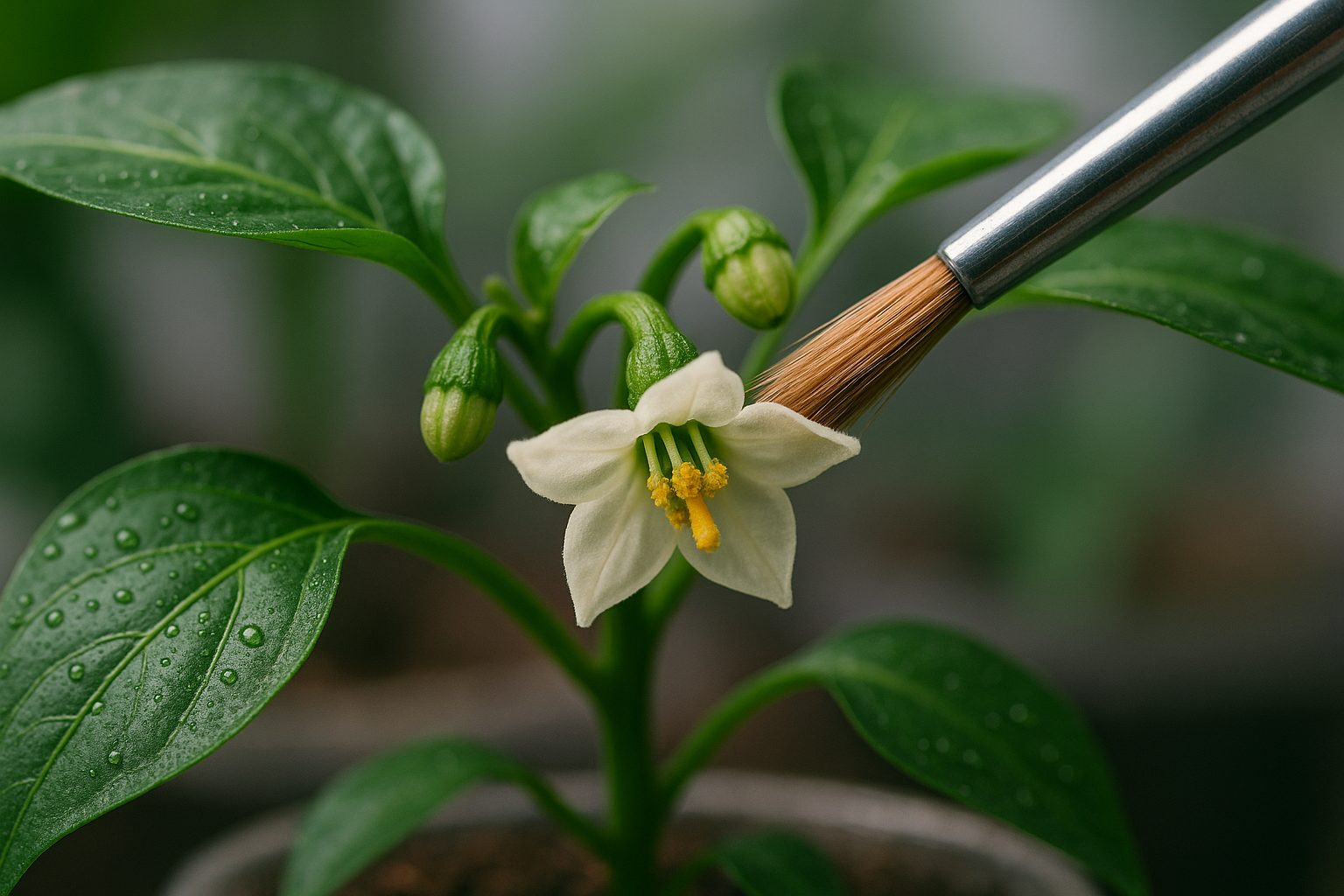
Pepper plants primarily rely on self-pollination, meaning their flowers contain both male and female parts, allowing pollen to transfer within the same bloom. However, wind and insects like bees can still help by shaking or jostling the flowers, encouraging pollen movement.
Signs that peppers are suffering from poor pollination include excessive flower drop, plants producing lots of blossoms but few fruits, or misshapen or underdeveloped peppers.
Indoor growers are especially vulnerable to these issues since wind and insects are often missing in controlled environments. To improve pollination indoors, try these methods:
- Lightly shake the stems or tap the pots daily when plants are blooming—this mimics wind action.
- Use a soft paintbrush or cotton swab to gently brush inside each flower, transferring pollen manually.
- Keep humidity levels around 40-60%, as too much or too little moisture can hinder pollen viability.
- Maintain good air circulation with a small fan, but avoid placing plants in direct airflow to prevent drying out.
By staying alert to these signs and using hands-on pollination methods, you’ll boost fruit set and enjoy a more successful pepper harvest, even in spaces where nature’s pollinators can’t reach.
Care Tips for Happy, Blossoming Peppers
To keep your pepper plants healthy and productive, consistency is key. Check your plants daily and water them at the base whenever the top inch of soil feels dry. Peppers thrive on steady moisture but dislike soggy roots, so aim for deep, less frequent watering rather than light sprinkles.
Feed your peppers every two to three weeks with a balanced, slow-release fertilizer or compost tea to encourage robust flowering and fruit development. During the fruiting stage, look for options higher in potassium.
Pruning is also valuable: pinch off the first few flowers early on and remove lower, yellowing leaves or suckers each week to improve airflow and help the plant focus its energy.
Staking or caging pepper plants provides needed support as fruits mature and prevents brittle stems from snapping, especially in wind or rain.
Regularly scan leaves, stems, and undersides for signs of pests like aphids or spider mites, treating gently with insecticidal soap or neem if needed.
Mulching the soil with straw or leaf litter helps lock in moisture, regulate root temperature, and suppress weeds.
Finally, consider companion plants such as basil, marigolds, or onions around your peppers. These not only repel pests naturally but also foster a healthier growing environment.
By integrating these habits daily and weekly, you’ll set your peppers up for a happy, flourishing season.
Troubleshooting and Recovery
Flower drop can be discouraging, but it’s important to remember that a little loss is normal as plants naturally shed extra blooms they can’t support. However, if you notice many flowers falling off, check for common issues like inconsistent watering, temperature swings, or nutritional deficits.
Too much or too little water often stresses roots, so aim for a steady schedule and check soil moisture with your finger—slightly damp is ideal. Extreme heat or sudden chills shock plants, so if a cold snap is coming, move potted plants indoors or cover garden ones with light fabric.
Poor nutrition is another trigger, especially low phosphorus, so add a balanced fertilizer formulated for blooming plants. Watch for pest problems by inspecting leaves and stems, and treat with gentle insecticidal soaps if needed.
If plants have lost many flowers, prune away dead or damaged foliage to redirect energy, feed with a diluted bloom booster, and remove spent blooms to encourage new buds. Give plants a little time and monitor their recovery—healthy habits usually bring fresh blossoms.
Remember, with a few adjustments and patience, most plants will bounce back and reward your care with another flush of flowers and potential fruit.
When and How to Expect Fruit
After your pepper plants bloom, it’s natural to wonder when you’ll see actual peppers forming. Generally, it takes about 1 to 2 weeks after flower pollination for tiny fruit to start developing. From there, depending on the pepper variety and growing conditions, it can take another 35 to 55 days for the peppers to reach full size and ripeness.
For example, bell peppers often mature about 70–90 days after transplanting, while faster-growing varieties like jalapeños may be ready in 60–75 days. Once the flowers drop off and tiny green pods appear in their place, you know a healthy fruit set is underway.
These young peppers should look firm, plump, and steadily increase in size each week. If the tiny fruit shrivels, stays small, or turns yellow and falls off, it may signal stress or pollination issues.
To help ensure a good harvest, keep your plants well-watered without overdoing it, feed them regularly with a balanced fertilizer, and watch for pests or disease. Patience is key—don’t rush to pick the first fruits. Give them time to grow, and your ongoing care will be rewarded with a vibrant, flavorful pepper crop.