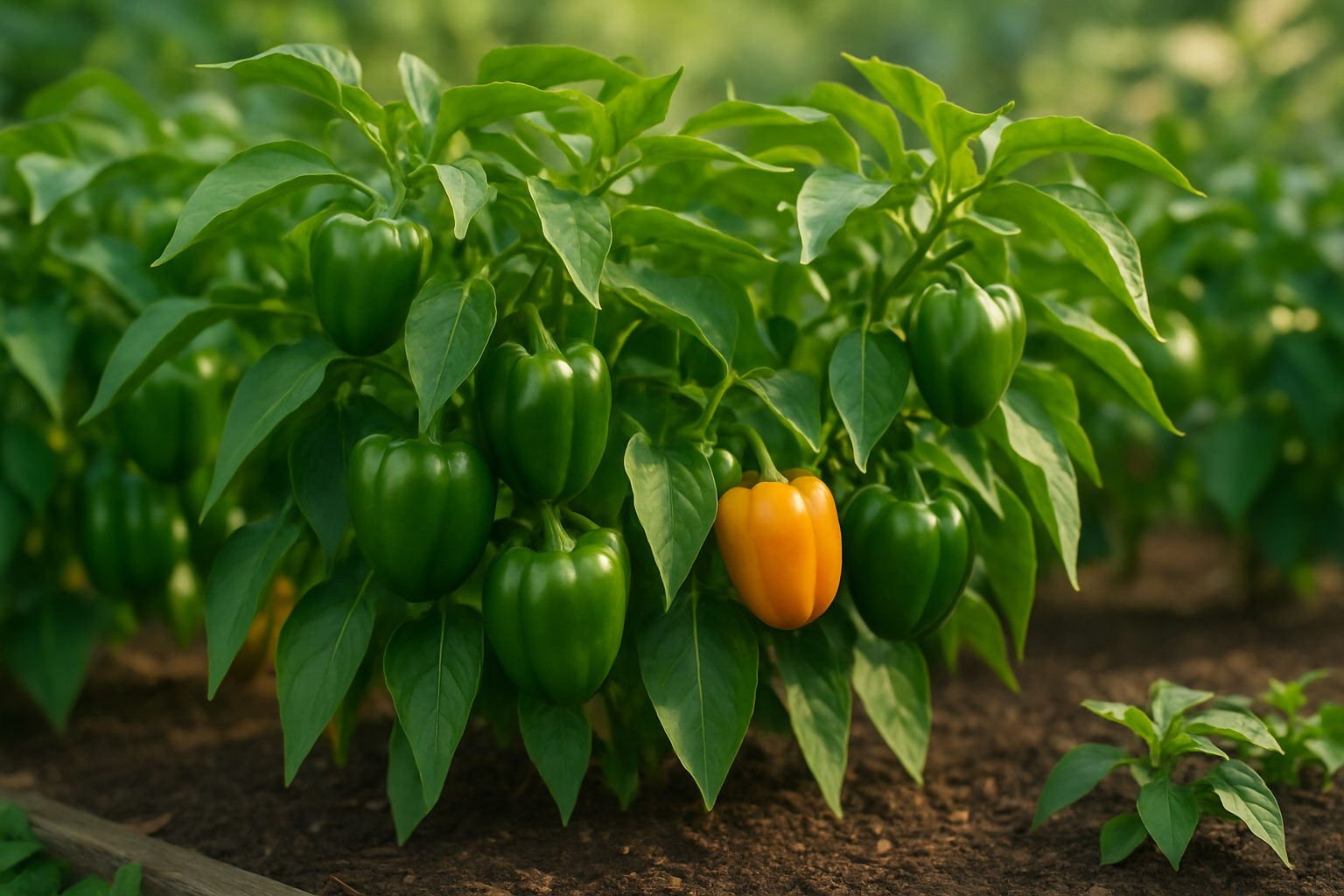
Understanding Why Pepper Flowers Fall Off
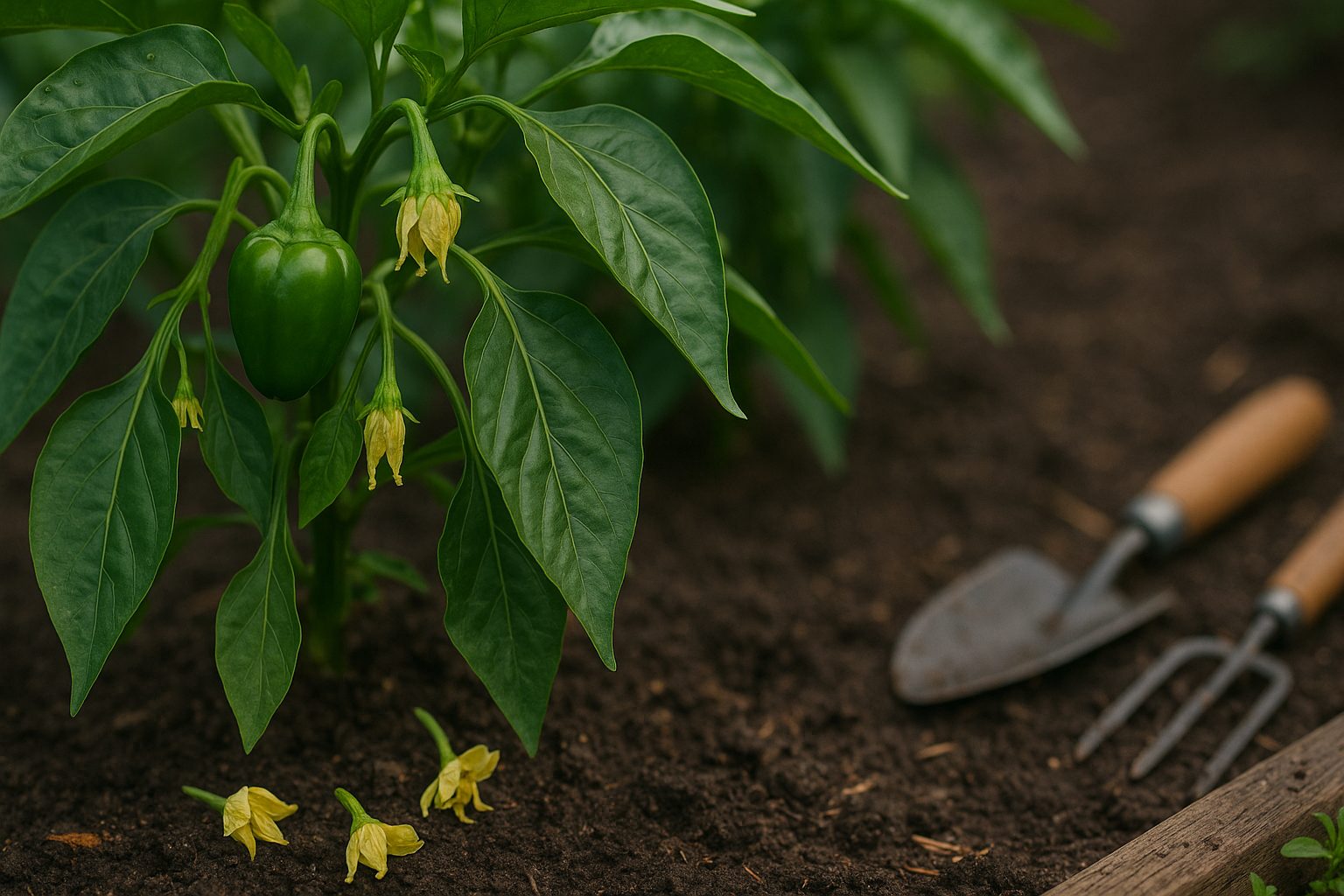
If you’ve ever watched your thriving bell pepper plants suddenly experience bell pepper flower drop—where buds fall off before fruit has a chance to develop—you’re not alone. Gardeners everywhere find this frustrating, especially after investing weeks nurturing their plants.
Unfortunately, bell pepper flower drop can turn a promising crop into disappointment, but understanding why it happens is the first step to stopping it. The main culprits are usually plant stress, unfavorable environmental factors, and overall plant health.
Extreme temperatures, irregular watering, nutrient imbalances, and lack of pollination often play a role in causing flowers to fall off prematurely. Sometimes, even pests or disease can quietly sabotage your harvest before peppers ever set.
Imagine nurturing perfect green plants, only for a sudden heatwave or heavy rainfall to send blossoms tumbling to the ground. Or consider the impact of missing a weekly feed with balanced fertilizer—a minor slip that can throw the whole plant out of sync.
By identifying and addressing these factors, you can tip the odds back in your favor and encourage a healthier, more productive pepper patch.
In the next sections, we’ll dig into the root causes of bell pepper flower drop and offer practical prevention tips, so your peppers have the best chance to thrive and yield plenty of crisp, colorful fruit.
Common Environmental Causes of Flower Drop
Temperature extremes are a major environmental cause of flower drop in pepper plants. When temperatures rise above 32°C (90°F) or fall below 13°C (55°F), flowers often abort before setting fruit. Heat stress causes flowers to wilt and dry up, while cold snaps slow down pollen development, reducing the chances of fertilization.
Sudden weather changes, such as unexpected cold fronts or heatwaves, make the problem worse by shocking plants that have just started flowering. For example, a summer storm can bring intense wind and rain, stripping flowers from stems and damaging delicate reproductive parts.
Strong winds don’t just knock off blossoms; they also dry out the soil quickly, forcing plants into survival mode and triggering early flower drop. Heavy rain is another threat, as it physically dislodges sensitive blooms and promotes fungal growth if flowers stay wet for too long.
Poor airflow makes these issues even worse by trapping moisture around the flowers, increasing disease risk and hampering pollen transfer.
Practical Tips for Garden Growers
- Use shade cloth or row covers during unexpected heat or cold spells.
- Plant peppers in locations protected from strong winds, such as near fences or taller plants.
- Space plants regularly to ensure good airflow.
- Stake plants during stormy weather to minimize damage from environmental stress.
Watering Issues and Their Impact
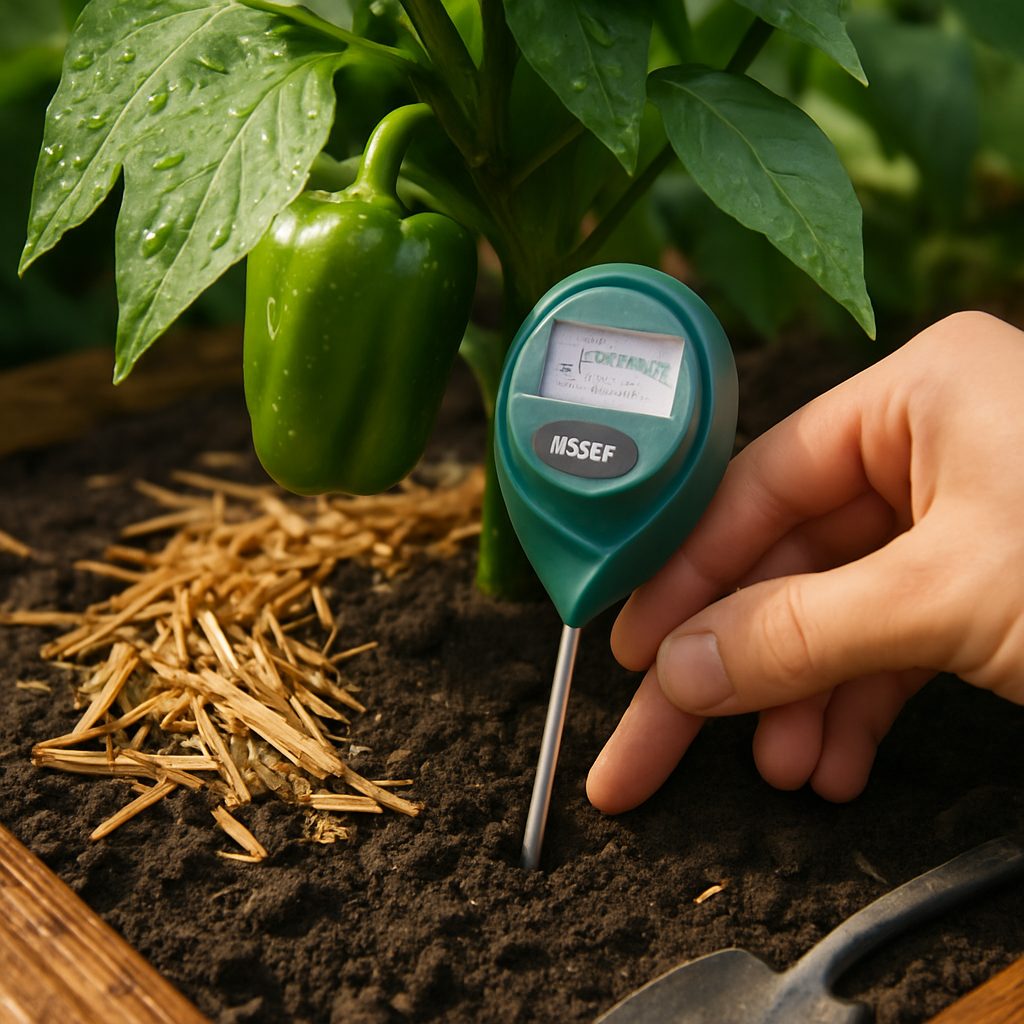
Both overwatering and underwatering can quickly stress your flowering plants, often causing premature flower drop. When you water too much, roots may suffocate due to a lack of oxygen, leading to drooping leaves, soft stems, and yellowing foliage—classic signs of waterlogged soil. On the other hand, not watering enough makes plants conserve resources, which usually shows up as wilting, crispy leaves, and shriveled flower buds. In both cases, the plant may shed flowers as a survival response.
To avoid these problems, always check the soil before watering by inserting your finger about an inch deep; if it feels moist, hold off, but if it’s dry, it’s time to water. Mulching around your plants with organic materials like shredded bark or straw can help the soil retain moisture and regulate temperature, buffering the roots against extremes.
Also, set a regular watering schedule tailored to your plant type and local climate—morning watering is best, as it lets leaves dry out during the day and reduces disease risk. Remember, consistency is key: wild swings between drought and soaking can be even more stressful than a little dryness. With these small changes, you can keep your flowers from dropping and help your garden thrive.
Light, Nutrients, and Fertilization
Plants thrive when they receive the right amount of light and nutrients, especially during their flowering phase. Consistent sunlight or high-quality grow lights are essential for strong growth—without enough light, plants become spindly, weak, and prone to dropping blossoms before they can mature into fruit.
Most flowering plants need at least six hours of bright, direct sunlight each day, so consider supplemental lighting if you’re growing indoors or in a shady area. Beyond light, balanced nutrition is crucial. Blossom drop is often a sign that your plant is missing key nutrients like nitrogen, potassium, or calcium.
For example, yellowing leaves or stunted growth may indicate a nitrogen deficiency, while weak stems and poor fruit set suggest low potassium. Calcium shortages often cause blossom end rot, where flowers fall before fruit develops.
To keep your plants nourished, use a balanced fertilizer that lists ratios of N-P-K (nitrogen, phosphorus, potassium) on the label, and consider products with added calcium if you know your soil is deficient. Always follow package directions carefully—over-fertilizing can “burn” roots and cause more harm than good.
Here are some practical tips for fertilizing your plants:
- Feed your plants every 3–4 weeks during the active growing season.
- Water thoroughly before and after applying fertilizer.
- Monitor for any signs of nutrient imbalance.
With the right combination of light, nutrients, and attentive care, your plants will have everything they need to keep their blossoms intact and set healthy fruit.
Plant Health: Pests, Diseases, and Roots
Maintaining plant health starts with vigilance against common pests and diseases, as well as care for what happens below the soil line. Pests like aphids and thrips are notorious for attacking leaves, sucking sap, and spreading diseases—look for tiny, moving dots or yellowed, misshapen foliage as telltale signs.
Fungal diseases such as powdery mildew and root rot can appear when plants are kept too damp or overcrowded, leading to white, powdery residue on leaves or blackened, mushy roots. Healthy roots are the hidden foundation of any thriving plant: they should be firm and pale, never mushy or dark.
To ensure optimal root health, choose pots with adequate drainage holes and use well-aerated, high-quality potting mixes to prevent water from pooling.
Make simple plant health checks part of your routine:
- Inspect leaves (top and bottom) weekly for bugs or discoloration.
- Poke your finger in the soil to check for moisture.
- Gently lift the pot to look for roots growing out of the drainage holes, which can indicate overcrowding.
For pest control, try rinsing small pests off leaves with a gentle spray of water, wiping leaves with a damp cloth, or using an insecticidal soap. Avoid overwatering by letting the top inch of soil dry out between waterings, and always remove dead or diseased parts promptly to limit the spread of problems.
By staying proactive, you’ll help your plants resist pests and diseases while building healthy, resilient roots.
Best Practices to Prevent Flower Drop
Preventing flower drop in pepper plants starts with consistent care. Water your plants deeply and regularly, aiming for evenly moist soil rather than allowing it to dry out or become waterlogged. Place peppers where they’ll receive at least six hours of sunlight each day, but avoid overly hot spots where intense afternoon sun can stress the blooms.
Mulching around the base works wonders: applying two to three inches of straw or wood chips will lock in moisture, keep soil temperatures stable, and reduce weeds that compete for resources. Keep a close eye on your plants as they grow, especially when buds appear. If you notice leaves curling or flowers falling, check for signs of pests, disease, or inconsistent watering.
Adjust your routine for the weather by providing shade cloth on especially hot days or watering more frequently during dry spells. Pruning helps by removing weak or crowded branches, improving airflow, and reducing the chances of disease. Staking supports stems overloaded with fruit, preventing stress caused by their own weight.
Daily Care Checklist
- Water in the morning
- Check leaves for bugs or damage
- Remove any spent flowers
Weekly Care Checklist
- Inspect for pests more thoroughly
- Refresh mulch if needed
- Trim excess growth
- Fertilize lightly if growth seems slow
By watching your peppers closely and responding to their needs, you can help ensure they keep blooming until harvest.
Extra Tips for Happy, Productive Pepper Plants
To get the most out of your pepper plants, consider pairing them with helpful companion plants like basil, which can improve flavor, or marigolds, which keep harmful pests at bay—a win-win for your garden’s health. Attracting beneficial insects is another secret weapon; planting flowers like alyssum or calendula nearby draws in pollinators and natural pest controllers like ladybugs.
If you’re growing peppers indoors, make sure they get plenty of bright light and consistent warmth; outdoors, provide full sun and shelter from strong winds. Timing is also key: watch for small flowers to appear, then gently shake the plant or brush the blooms to help with indoor pollination.
Fruit set takes a few weeks after flowering, but the harvest window varies—hot peppers like jalapeños often take 70 to 85 days, while sweet bell varieties might need up to 90 days. Check the color and firmness specific to each variety for the best picking times.
Don’t get discouraged if things don’t go perfectly at first—gardening is as much about learning as it is about the harvest. For deeper knowledge and support, tap into online gardening forums, local extension offices, or neighborhood garden clubs; they’re great places to swap tips, troubleshoot problems, and celebrate successes. With a little care and community, your peppers will thrive.