
Introduction
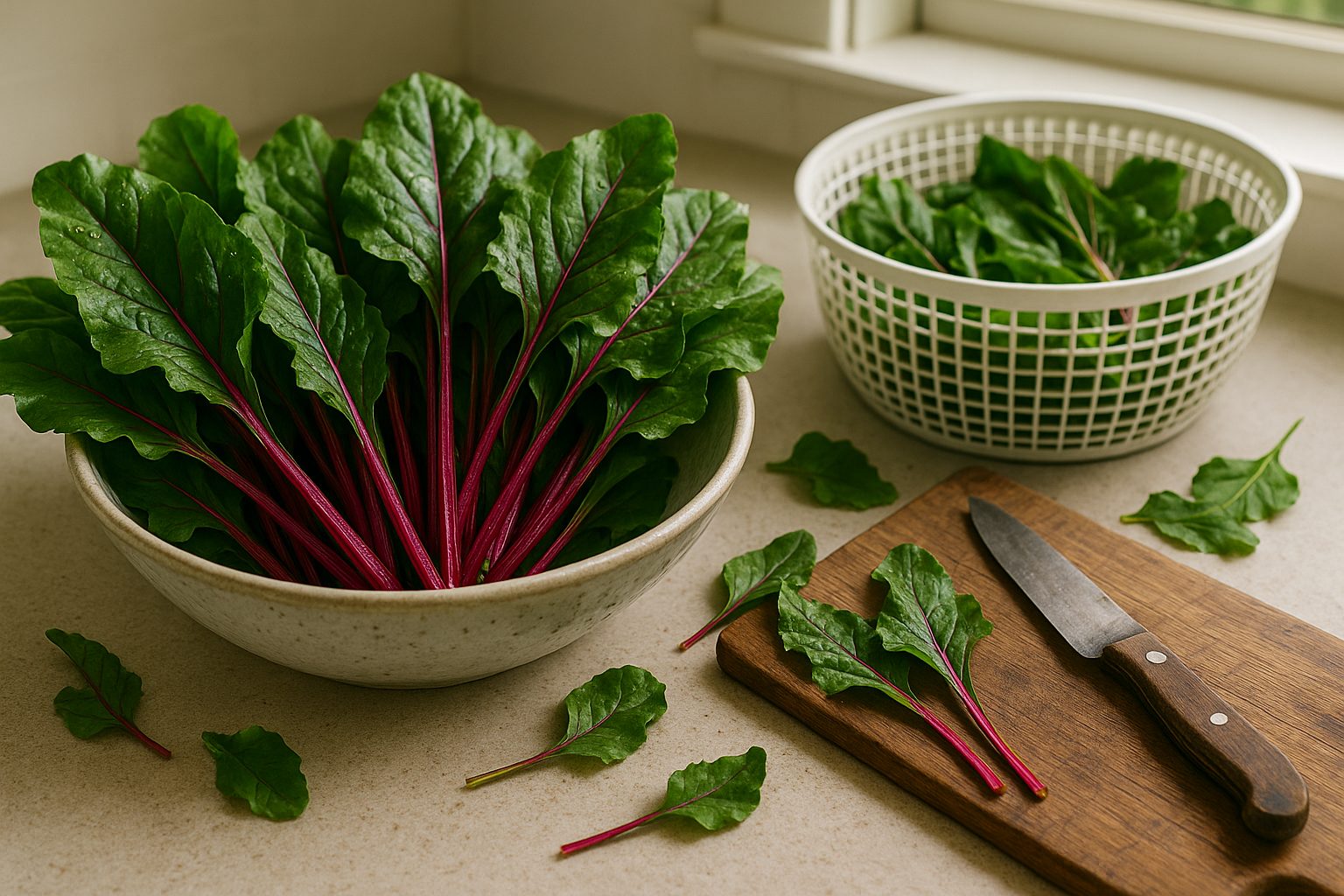
Wilting beet greens can be a frustrating sight, especially after you’ve invested time and effort into growing your own beets. Not only are beet greens edible, but they’re also packed with nutrients like vitamins A and K, making them a great addition to salads, sautés, and smoothies. However, many home gardeners notice their beet greens suddenly go limp and lifeless, causing concern and leaving them unsure of what to do. If you’ve ever wondered why the leaves of your beet plants are drooping or shriveling instead of thriving, you’re not alone. In this article, we’ll explore the common causes behind wilting beet greens, share practical tips to prevent the problem, and offer effective strategies to help your plants recover. Whether you’re dealing with inconsistent watering, soil issues, or pesky pests, you’ll find helpful advice to keep your beet greens vibrant and healthy all season long.
Common Reasons Beet Greens Wilt
Wilting beet greens can be frustrating for any gardener, especially since healthy greens are essential for both vibrant growth and kitchen use. It’s important to understand that wilting is a symptom, not a direct problem, which helps you troubleshoot more effectively.
Often, the most common cause is improper watering. Underwatering dries out the plant’s tissues, leaving beet greens limp and lifeless. On the other hand, overwatering can suffocate roots and promote root rot, preventing the plant from absorbing the moisture and nutrients it needs—also resulting in wilting.
Beyond watering, pests such as aphids, leaf miners, and flea beetles often target beet greens. These insects feed on sap and disrupt water flow within the leaves. Look for telltale signs like holes, sticky residue, or visible insects.
Disease can also be a factor. Fungal infections like downy mildew or bacterial leaf spot can weaken the plant’s structure, causing symptoms such as yellowing, spots, mold, and limpness.
Environmental conditions play a big role too. Hot, dry weather can cause rapid water loss through leaves, while extreme temperature changes or strong winds can stress the plants beyond their limits. Soil quality and location matter as well—compacted or poorly draining soil restricts root growth, and excessive shade can reduce plant vigor.
When you notice wilting beet greens, it’s a signal to investigate what might be stressing your plants. Regularly check soil moisture, inspect leaves for pests and diseases, and make sure your garden beds receive adequate sunlight and airflow. Taking these steps will help keep your beet greens perky and thriving.
Watering Issues: Finding the Right Balance
Wilting beet greens often indicate that your watering routine needs adjustment. If your beets aren’t receiving enough water, their greens will quickly droop and appear lifeless because the soil isn’t providing the moisture the roots need to keep the leaves firm and hydrated. Conversely, overwatering can cause just as much trouble: soggy soil suffocates roots, encourages harmful fungal growth, and ironically results in similar wilting symptoms as the roots struggle to absorb oxygen.
To find the right balance, check soil moisture before watering. Stick your finger about two inches into the soil—if it feels dry, it’s time to water; if it feels damp, you can wait another day. For more precise readings, consider using a simple soil moisture meter. Remember, beets prefer soil that’s consistently moist, not waterlogged or bone-dry.
Adjust your watering routine based on the weather: during hot, dry spells, your beets might need water every day or two, but after heavy rains or in cooler conditions, watering once a week may suffice. Mulching around your plants with straw or compost can help maintain steady soil moisture and reduce the frequency of watering.
By paying close attention to your plants and the weather, you can prevent wilting beet greens and keep your harvest healthy and vibrant.
Environmental Stressors: Heat, Sun, and Wind
Wilting beet greens are often caused by harsh environmental stressors, with heat, intense sunlight, and strong winds being the main offenders. Beet greens thrive in cool, mild temperatures—ideally between 55°F and 75°F—and can quickly become stressed when exposed to prolonged heat or scorching sun. Under these conditions, the plants lose water faster than their roots can absorb it, resulting in limp, droopy foliage. Strong winds make matters worse by speeding up moisture loss from the leaves and sometimes damaging these delicate greens. Unlike root growth, which happens underground, beet greens are directly exposed to whatever the weather brings, making them especially vulnerable during heatwaves or windy periods.
To keep beet greens happy and healthy, aim to grow them in locations that offer partial shade during the hottest part of the day, especially if you live in an area with scorching summers. If relocating your garden bed isn’t an option, consider installing shade cloth to filter sunlight and lower the temperature around your plants. Mulching is another effective strategy—a layer of organic mulch like straw or shredded leaves helps keep the soil cool and retains moisture, making it easier for beets to access water even during hot, dry spells. On particularly windy days, small windbreaks such as garden fencing or strategically placed taller plants can provide some shelter. By taking these simple steps, you can reduce environmental stress and keep your beet greens standing tall and vibrant all season long.
Pest and Disease Pressures

Wilting beet greens are often a sign that your plants are struggling with pests or diseases. Some of the most common pests include leaf miners, which tunnel through the leaves leaving winding, white or translucent trails that weaken and cause the greens to wilt. Aphids are another culprit to watch for—these tiny insects cluster on the undersides of leaves, sucking sap and leaving behind curled, sticky foliage. Flea beetles, small black insects that jump like fleas, create tiny round holes in the leaves, adding further stress to your greens.
When it comes to diseases, downy mildew usually starts as pale yellow spots on the upper leaf surface, with fuzzy gray or white growth underneath. This disease can quickly cause leaves to yellow, wilt, and collapse. Cercospora leaf spot, another fungal issue, produces circular spots with purple borders and tan centers, eventually leading to leaf drop and wilting.
To manage these problems organically, begin by regularly inspecting your beet plants for early signs of pests. Hand-pick larvae or use insecticidal soap to control aphids. Floating row covers can help keep many pests away, while encouraging beneficial insects like ladybugs or lacewings provides natural pest control. For fungal diseases such as downy mildew or leaf spot, space your plants properly and water at the base to avoid wetting the foliage, which helps reduce humidity and disease spread. Copper-based sprays may help control fungal diseases if applied early.
While conventional options include labeled synthetic insecticides or fungicides, always follow local guidelines and rotate treatments to prevent resistance. Ultimately, maintaining healthy, well-tended soil and plants is your best defense—vigorously growing beets can better withstand pest and disease challenges, keeping your greens lush and upright.
Soil Health and Nutrient Deficiencies
Healthy beet greens rely on rich, well-drained soil—without it, you may quickly notice wilting beet greens that signal distress below the surface. Soil that is too compacted or heavy with clay retains excess water, suffocating beet roots and depriving the greens of vital oxygen. On the other hand, sandy soils drain too quickly, leaving plants thirsty and washing away nutrients before beets can absorb them.
nutrient deficiencies are another common cause of wilting beet greens. Nitrogen is essential for lush, green foliage; without enough, beet tops become pale and wilted. Magnesium is just as important—a deficiency can cause leaves to yellow between veins as the plant struggles to photosynthesize efficiently.
To improve your soil, start with a simple soil test, available at garden centers or through extension services. This test reveals pH levels and key nutrient concentrations. If deficiencies are found, amend your soil with balanced organic compost, aged manure, or slow-release vegetable fertilizers. For a targeted boost, sprinkle blood meal for nitrogen or Epsom salt for magnesium directly onto the soil, following label instructions.
Keep your soil consistently loose and well-mulched to retain moisture without waterlogging, and rotate crops to prevent nutrient imbalance and disease buildup. By proactively caring for soil health, your beet greens will soon stand tall and vibrant.
How to Revive and Strengthen Your Beet Greens
If you notice wilting beet greens in your garden, don’t panic—there are several immediate steps you can take to help them recover. Start with a quick inspection: feel the soil about an inch below the surface. If it’s dry, give your beets a deep watering early in the morning, making sure moisture reaches the roots without leaving the soil soggy. Next, check your plants for any yellowed, damaged, or mushy leaves and trim these off with clean scissors. Removing weakened foliage directs more energy to healthy growth and reduces the risk of disease.
Be sure to inspect your beet greens for tiny pests like aphids, flea beetles, or leaf miners—look on the undersides of leaves and gently remove any you find by rinsing, hand-picking, or using insecticidal soap.
Building Long-Term Resilience
Long-term care begins with soil management and smart planting practices:
- Practice crop rotation each year, avoiding planting beets in the same spot consecutively to deter pest and disease buildup.
- Consider growing your beets in raised beds, which improve drainage and root aeration, helping prevent issues like root rot.
- Consistently add organic matter, such as compost, to maintain soil fertility and structure.
- Use mulch to conserve soil moisture and suppress weeds, reducing competition and stress on your plants.
- Stay observant by checking your plants several times a week for early signs of wilting beet greens or pest problems so you can act quickly.
By taking quick action and practicing solid gardening habits, you’ll keep your beet greens healthy and strong now and in future seasons.
Conclusion
Wilting beet greens often signal that something is off—whether it’s too little or too much water, insufficient nutrients, pest issues, or harsh temperatures. Catching these problems early and knowing how to respond—like adjusting your watering routine, using mulch to retain moisture, or enriching your soil with compost—can make a big difference in the health of your greens.
The key is to stay attentive and act quickly, so minor issues don’t turn into bigger ones. Remember, thriving beet greens are achievable with a bit of observation and timely care. Don’t hesitate to experiment with your gardening techniques—try different watering schedules or natural pest controls to see how your plants react. Keep learning about beet plant care, and you’ll gain the confidence to nurture a healthy, productive garden all season long.