Introduction
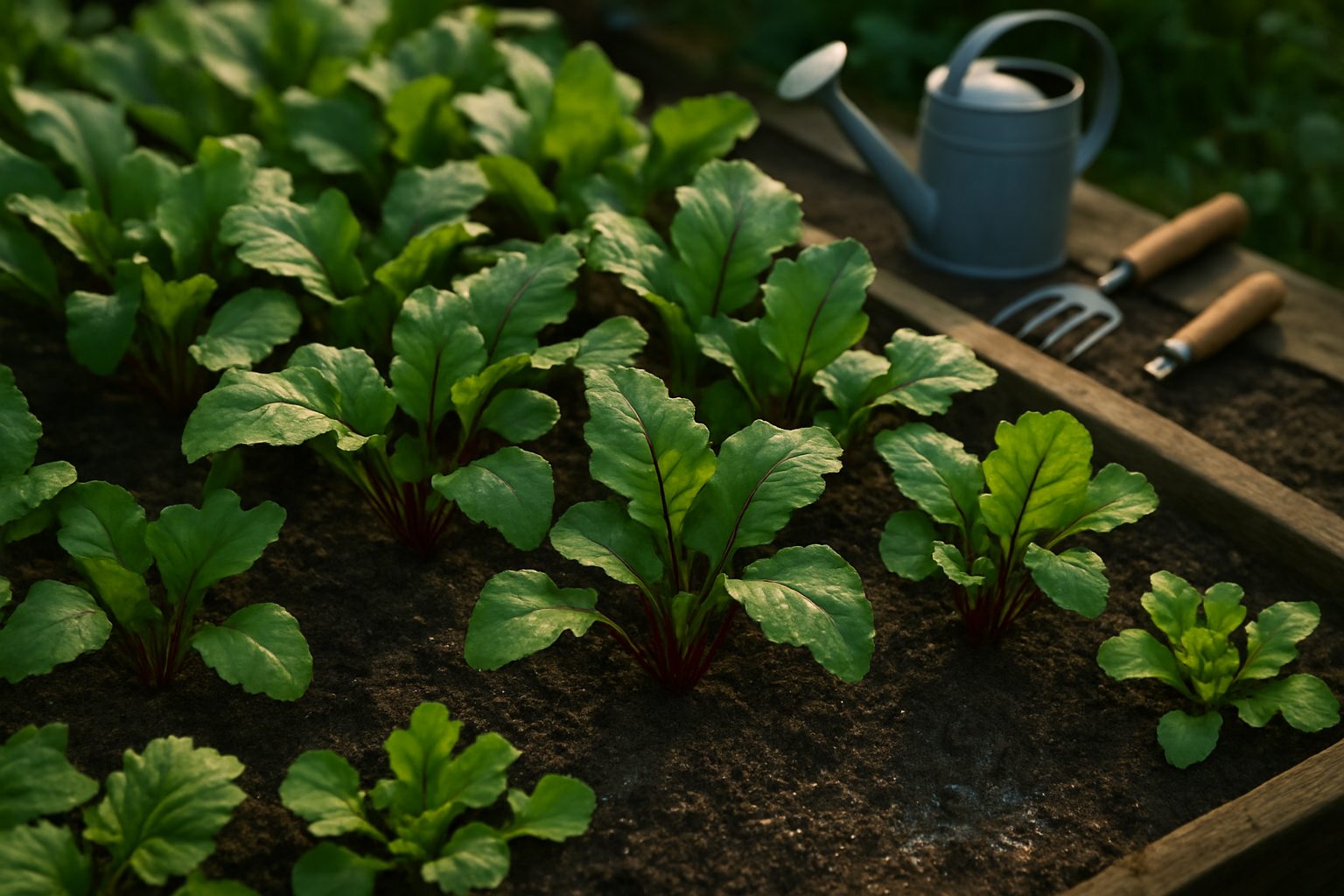
Watering beets correctly is essential if you want juicy, sweet roots and healthy, vibrant leaves. The right balance of moisture can make all the difference between a small, woody crop and a bountiful harvest of tender beets. Yet, knowing how often to water beets can feel tricky since their needs shift as they grow and as weather patterns change—young seedlings rely on consistently damp soil, while more established plants tolerate brief dry spells.
Rainy weeks, hot spells, and even your garden’s soil type all play a role in determining the perfect watering routine. By understanding when and how much to water, you can help your beet plants thrive from seedling to harvest.
In this post, we’ll break down the best watering strategies for every stage, so you can enjoy robust growth and delicious results every season. Follow these simple tips for the healthiest beets in your garden!
Understanding Beets’ Water Needs

Beets have distinct water needs depending on their growth stage, and understanding these differences can mean the difference between a lackluster harvest and a bounty of sweet, vibrant roots.
When beets are seedlings, they require consistently moist—but not soggy—soil to encourage even germination and root development. During this period, aim to water lightly every few days to keep the top inch of soil damp, especially if the weather is warm and dry.
As beets mature, their roots grow deeper, and they need about one inch of water per week, either from rainfall or supplemental watering. However, several factors can shift this requirement:
- Sandy soils drain quickly and may demand more frequent watering.
- Heavy clay soils retain moisture longer, which can reduce your watering schedule.
If you’re growing beets in containers, check moisture levels daily since pots dry out much faster than garden beds. Similarly, hot, windy, or particularly sunny conditions can increase the plants’ water needs.
To judge if your beets are getting enough water, look for steady, robust growth and crisp, upright leaves—a sign of healthy hydration. If leaves start to wilt or turn brown at the edges, or if roots grow tough and woody, your plants may be thirsty. Conversely, yellowing leaves, slow growth, and a soggy, fungus-prone bed signal overwatering.
A simple trick: stick your finger an inch into the soil—if it feels dry, it’s time to water. Careful attention to these cues and adjusting your routine accordingly will help your beets thrive, no matter where you’re growing them.
When and How Often to Water Beets
Watering beets at the right time and frequency is key for healthy roots and sweet, tender harvests. During the initial two weeks after planting, keep the soil consistently moist but not waterlogged—aim for light watering every 2–3 days, especially if the weather is dry.
As beets establish and grow, switch to deeper, less frequent watering: generally, one inch of water per week is ideal, whether from rain or irrigation. Hot, windy, or dry summer spells may require you to check soil moisture every couple of days—if the top inch dries out, it’s time to water.
In spring or cooler fall seasons, rainfall often supports most of your watering needs, but always adjust for droughts or heatwaves. The best time to water is in the early morning; this lets leaves dry before evening, reducing the risk of fungal disease.
Evening watering is fine in hot climates where evaporation is rapid, but avoid watering late in the day in cool or humid conditions.
For in-ground gardens, use a soaker hose or drip irrigation to deliver moisture straight to the roots, and mulch to conserve it. Raised beds dry out faster—check them more frequently, especially in sun-exposed, windy areas.
In containers, daily checks are a must, as pots lose water quickly; stick your finger into the soil, and water when the top inch is dry. No matter your setup, always water at the soil line—not over the leaves—to prevent disease and encourage deep root growth.
Keep an eye on your plants: drooping leaves, pale roots, or cracking signal watering issues, so adjust as needed for weather and soil type to keep your beets thriving all season long.
Best Watering Techniques for Beets
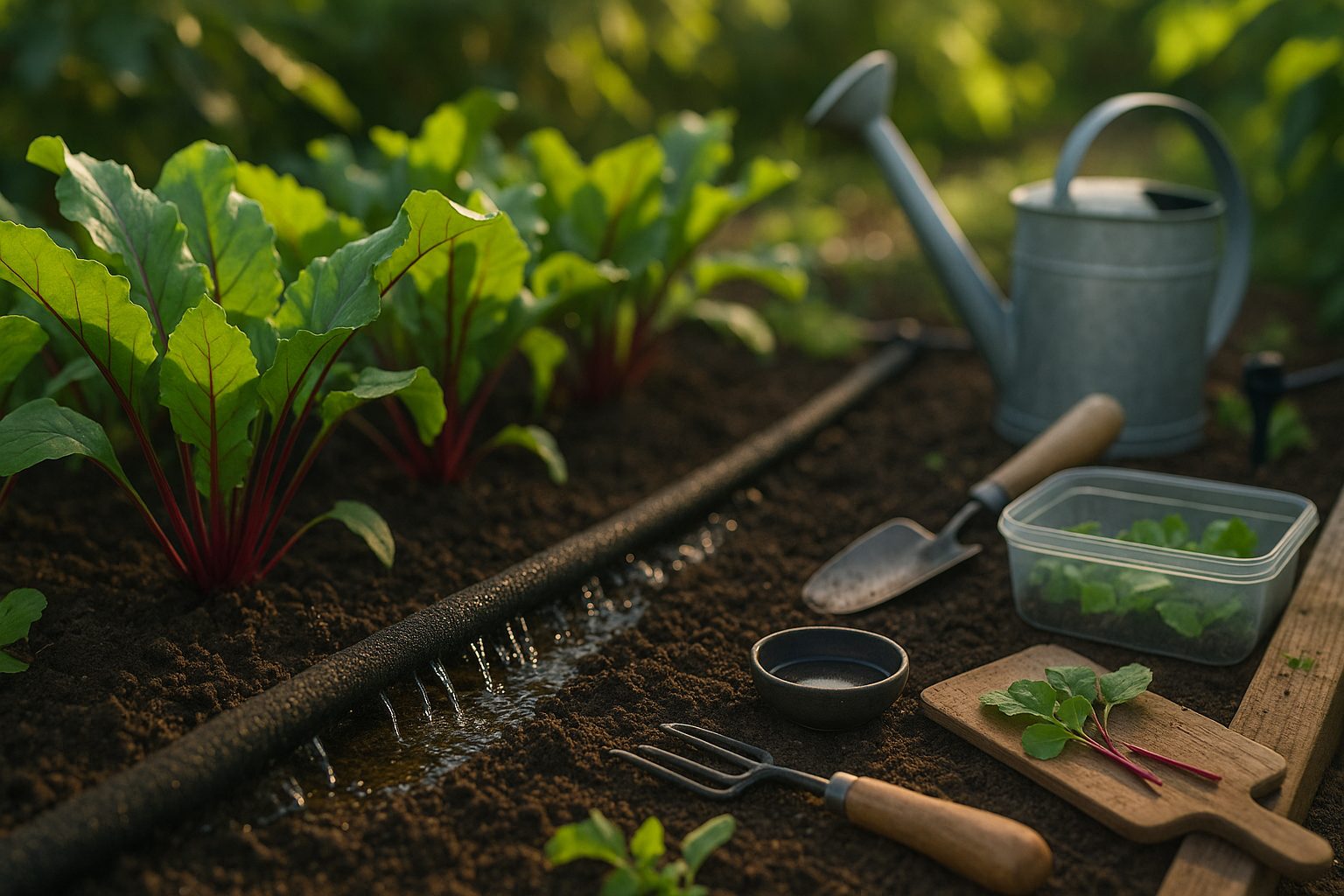
When it comes to watering beets, choosing the right method can make a big difference in how your crop grows. Deep watering is key—rather than giving your beets a quick daily sprinkle, aim to moisten the soil to a depth of at least six inches, encouraging strong, healthy root development.
Soaker hoses are a great option for this, as they deliver water slowly and directly to the base of the plants, minimizing runoff and ensuring moisture reaches the root zone where it’s needed most. Drip irrigation systems work similarly well, providing steady, targeted hydration without splashing water onto the leaves.
If you prefer hand watering, use a watering can with a long spout or a hose with a gentle stream, taking care to direct water at the soil around the plants rather than dousing the foliage. Wet leaves can invite fungal diseases, so always keep water focused on the ground, not the greenery.
One common mistake is shallow watering, which encourages weak, surface-level roots and leaves plants vulnerable to drought. Another pitfall is watering during the hottest part of the day, which leads to faster evaporation and less effective hydration. Instead, water early in the morning or in the evening when temperatures are cooler, allowing moisture to soak in.
Monitor your soil regularly—if it’s dry an inch below the surface, it’s time to water. By concentrating your efforts on deep, even watering near the root zone and keeping beet leaves dry, you’ll help ensure robust growth and a healthier, more productive crop.
Soil and Moisture Management
Well-draining soil is essential for beets because their roots need both moisture and oxygen to develop properly. Excess water creates soggy conditions that can lead to root rot and disease, while overly dry soil causes beets to become woody and stunted.
To strike the right balance, start by preparing your garden bed with soil that’s loose, fertile, and free of large clumps or stones. Incorporating organic matter like compost or well-rotted manure improves both drainage and moisture retention, creating a sponge-like soil structure that holds enough water for the beet roots without trapping excess moisture.
mulching the soil with straw or shredded leaves helps further regulate moisture levels, reducing evaporation and keeping temperatures more stable. To check if your soil has the right amount of moisture, press your finger about two inches into the ground near your beets; if it feels lightly damp (but not soggy), you’re in the right range.
For a more precise reading, inexpensive soil moisture meters are available at garden centers—aim for levels that keep the soil moist but never waterlogged. To maintain this balance, water deeply but less frequently, allowing the top inch of soil to dry out between waterings. Early morning is the best time to irrigate, reducing the risk of fungal disease.
Pay special attention during hot spells or after heavy rains—adding more mulch during these times can help buffer sudden moisture swings. With consistent attention and a few soil amendments, your beets will thrive in well-draining, consistently moist soil.
Signs of Overwatering and Underwatering
Being able to recognize the difference between overwatering and underwatering is crucial for keeping your plants healthy.
Signs of Overwatering
Overwatered plants often show yellowing leaves that may feel soft, constant wilting even though the soil seems wet, and in severe cases, a musty smell or mushy, brown roots—classic symptoms of root rot.
Signs of Underwatering
Underwatered plants also wilt, but their leaves often become dry, crisp, or curl at the edges. You may also notice stunted growth or hardened, shriveled roots.
Troubleshooting Tips
- Gently check the soil moisture about an inch below the surface. If it feels soggy, cut back on watering and ensure your pot has drainage holes.
- If root rot is present, trim away mushy roots and repot the plant in fresh soil.
- For underwatered plants, slowly reintroduce water, allowing the soil to absorb moisture evenly. Avoid flooding the soil all at once, as this can shock the roots.
Recovery and Prevention
To help your plant recover, adjust your watering schedule based on the plant’s needs, the season, and its environment. Most houseplants prefer their soil to dry slightly between waterings.
Improving drainage by using pots with holes, a well-aerated soil mix, and placing gravel at the bottom can prevent water from accumulating and allow roots to breathe.
Lastly, always observe your plant after making changes. Every plant has its own recovery pace and water preferences.
Smart Tips for Success and Common Questions
Watering beets might seem straightforward, but doing it right makes all the difference in growing sweet, healthy roots. Always water deeply instead of giving frequent, shallow sprinkles—this helps beet roots grow strong and reach the moisture they need. Aim to keep the soil evenly moist, especially during germination and young growth stages, but avoid soaking the soil to the point of sogginess, as this can cause roots to rot. Never let the soil completely dry out, as inconsistent watering can lead to cracked or tough beets.
Seasonal and Extreme Weather Tips
- Spring: Water lightly but consistently to encourage even germination.
- Summer/Hot Spells: Increase watering frequency, checking soil moisture often to prevent plants from wilting.
- Fall: Cut back slightly as the weather cools and growth slows.
- Drought: Use mulch to retain moisture and water early morning or evening to reduce evaporation.
- Heavy Rain: Pause extra watering and check that your beds drain well to avoid waterlogged roots.
Common Watering Questions
For seedlings, the top priority is keeping the soil surface moist without drowning tiny roots—watering with a gentle spray helps avoid overflow. Mature plants need less frequent but deeper watering to encourage roots to grow further down. Mulching around beets is highly recommended; organic mulch keeps soil moisture steady, suppresses weeds, and moderates extreme temperature swings. After a heavy rain, skip watering for a day or two and check the soil about two inches down. Only water again when the topsoil feels dry.
Know Your Garden’s Needs
Most importantly, get to know your garden’s unique needs. No guide can replace the benefits of regularly checking the soil and paying attention to weather trends. If you notice droopy leaves or dry, cracked ground, it’s time to adjust your approach. With a little observation and adaptability, you’ll soon discover the perfect watering rhythm to nurture a successful beet harvest.
Conclusion
Attentive and consistent watering truly makes a difference when growing healthy, flavorful beets. By keeping an eye on soil moisture and paying attention to weather conditions, you’ll help your beets thrive throughout the season.
Don’t be afraid to experiment with different routines—what works in one garden might need tweaking in another. Track how your plants respond and adjust your schedule as needed for bigger, sweeter harvests.
We’d love to hear from you! Share your own watering tips and success stories in the comments below, so our gardening community can learn and grow together.