Introduction
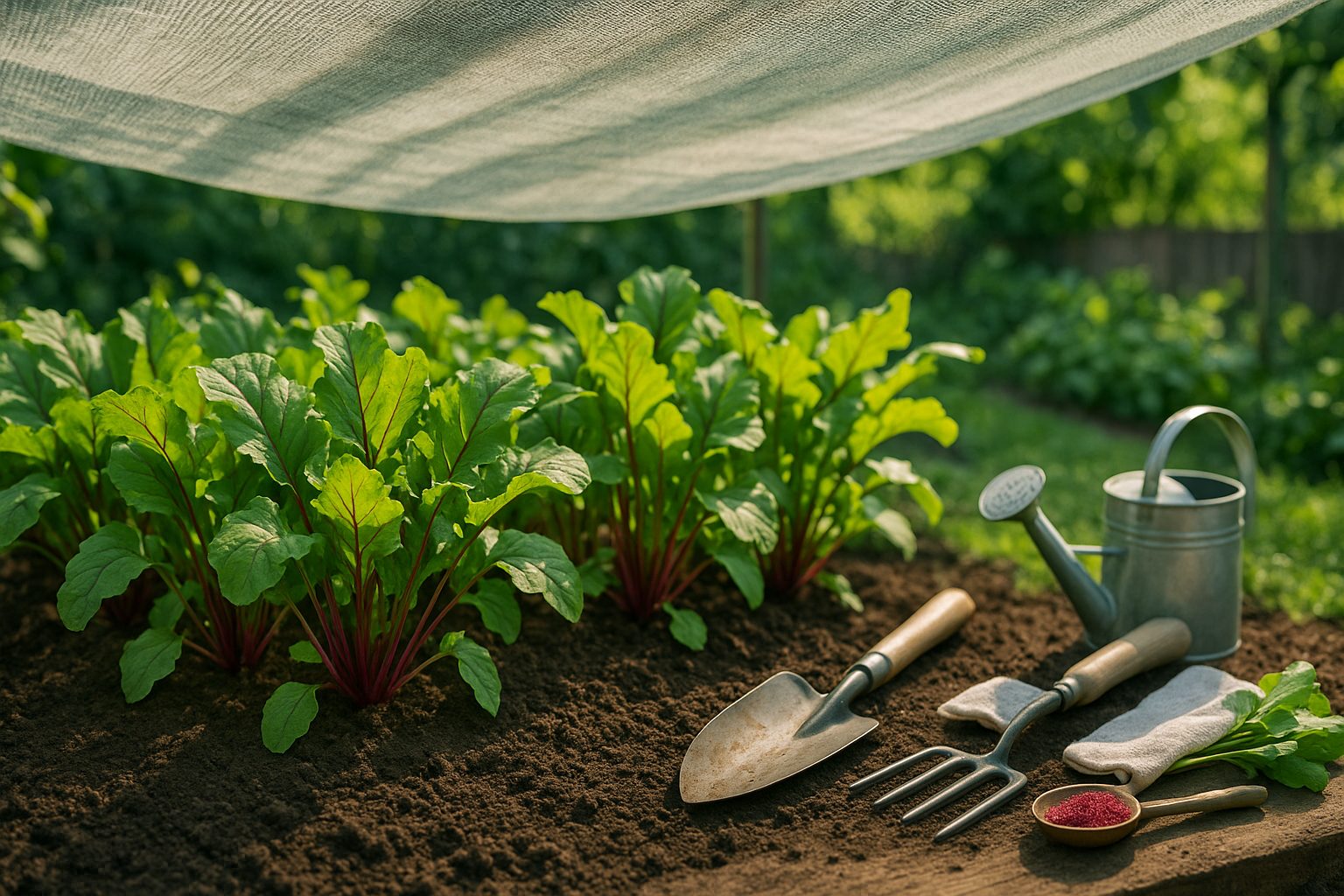
If you’ve ever wondered whether using shade cloth for beets could help you grow sweeter, healthier roots, you’re not alone. Shade cloth has become a secret weapon for gardeners, offering protection from harsh sunlight while helping sensitive crops like beets thrive even during heat waves.
But choosing the right shade cloth leads to one of the most common debates among home growers: black or white? Each option has its own benefits and drawbacks—black shade cloth tends to block more light and keeps roots cooler, while white shade cloth reflects sunlight, reducing heat stress without depriving beets of vital rays.
In this article, we’ll guide you through understanding what shade cloth is and how it can directly benefit your beet crop. We’ll compare the pros and cons of black versus white shade cloth, help you choose the right one for your particular garden, and share real-world tips for installing and managing shade cloth effectively. Whether you’re saving your beets from scorching midsummer temperatures or simply want to improve your harvest, you’ll find practical, actionable advice here to get the most out of your beet patch.
How Shade Cloth Works
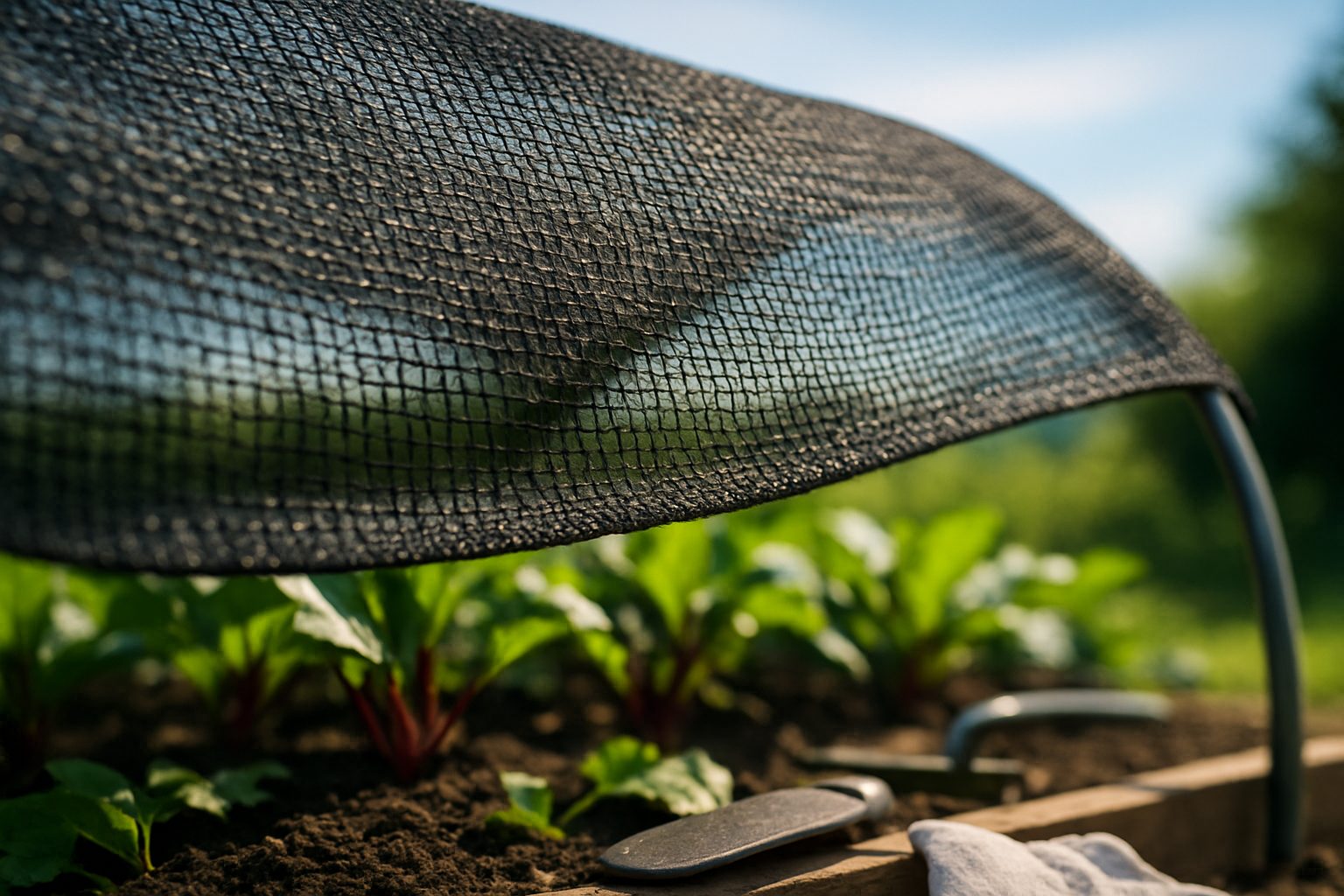
Shade cloth is a versatile tool that plays a crucial role in protecting plants and people from intense sunlight. Widely used in gardens, greenhouses, and patios, shade cloth acts as a barrier that filters and diffuses harsh sunlight, creating cooler, more stable environments underneath.
Its primary function is to reduce the amount of direct sunlight reaching plants or seating areas, helping to prevent heat stress, wilting, and sunburn. Most modern shade cloths are made from tightly woven polyethylene—a lightweight but durable plastic known for its resistance to weather and wear. Many products are treated with UV-blocking additives, which extend their lifespan and offer better protection against harmful ultraviolet rays that can damage both plants and outdoor furniture.
Choosing the Right Shade Percentage
Gardeners often select different densities or “shade percentages” depending on plant needs:
- A 30% cloth is perfect for vegetable gardens, letting in enough light for growth while softening summer heat.
- A 70% cloth might be preferred for greenhouses or patios where more cooling is necessary.
Installation and Practical Tips
Installing shade cloth is straightforward; it can be draped over frames, stretched along fences, or attached to pergolas. Here’s a real-world tip: use lighter colors for cooler microclimates, as they reflect more sunlight and won’t heat up as quickly as darker cloths.
Whether you want to nurture delicate seedlings, create a comfortable outdoor dining space, or protect a flourishing tomato patch, shade cloth offers a flexible, effective solution to common sun-related challenges.
Black vs. White Shade Cloth: Key Differences
When choosing between black and white shade cloth for your garden or greenhouse, understanding their distinct properties can make a big difference in your plants’ health and productivity.
Black shade cloth absorbs more light, which means it also holds onto more heat. This can create a warmer environment under the cloth, which is helpful in cooler climates or during shoulder seasons when you want to extend your growing period. The downside is that too much heat can stress sun-sensitive plants or those in already hot regions. Black cloths also tend to block more visible light, making them perfect for shade-loving plants like ferns or hostas that thrive with reduced direct sunlight.
In contrast, white shade cloth reflects sunlight instead of absorbing it, resulting in a noticeably cooler space beneath. This feature makes white cloth an excellent option for protecting tender crops from intense summer sun, especially in hot or arid climates, without overly dimming the light plants need for photosynthesis. White fabric helps prevent sunburn and heat stress on fruits or leafy greens, helping them stay crisp and healthy.
When it comes to durability, both colors typically use UV-resistant polyethylene material, but black shade cloths often outlast their white counterparts. The pigments in black cloth are better at withstanding sun exposure and resisting degradation. So, if you’re looking for a longer-lasting solution, black may be a better bet—especially if your area sees a lot of sunshine.
Ultimately, your choice should depend on both your local climate and your plants’ specific needs:
- Opt for black to warm up cooler gardens or shelter shade-loving varieties.
- Choose white to cool down sun-beaten beds or protect sensitive crops from scorching temperatures.
Consider practical factors, too, like how long you need the shade cloth to last and how much light reduction your plants can tolerate for healthy growth.
Choosing the Right Shade Percentage
Shade percentage refers to the amount of sunlight blocked by shade cloth, typically ranging from 30% to 90%. Getting this percentage right is crucial because different plants have unique light needs, and the wrong amount of shade can stress or damage them.
For leafy vegetables like lettuce or spinach, a shade cloth of 30% to 50% often works best, shielding them from harsh midday sun while still allowing enough light for healthy growth. Fruiting plants like tomatoes and peppers generally thrive with a 30% to 40% shade cloth, which reduces the risk of sunscald without limiting photosynthesis too much. Flowering plants or shade-loving herbs might need up to 60% shade, especially in very hot climates.
Using too high a shade percentage can prevent crops from getting enough light, leading to leggy growth, weak plants, and lower yields. On the other hand, insufficient shading exposes sensitive plants to heat stress, wilting, or leaf burn, especially during summer heatwaves.
As a real-world example, tomato growers in southern states often switch to 40% shade cloth during July and August to prevent fruit cracking and sunburn, while in cooler regions, they might use 20% or none at all.
For best results, match the shade percentage to the specific requirements of your crops, consider your local climate, and observe your plants’ response. Yellowing, stretching, or stunted growth usually means you need to adjust your coverage.
Practical Applications: Where and How to Use Shade Cloth
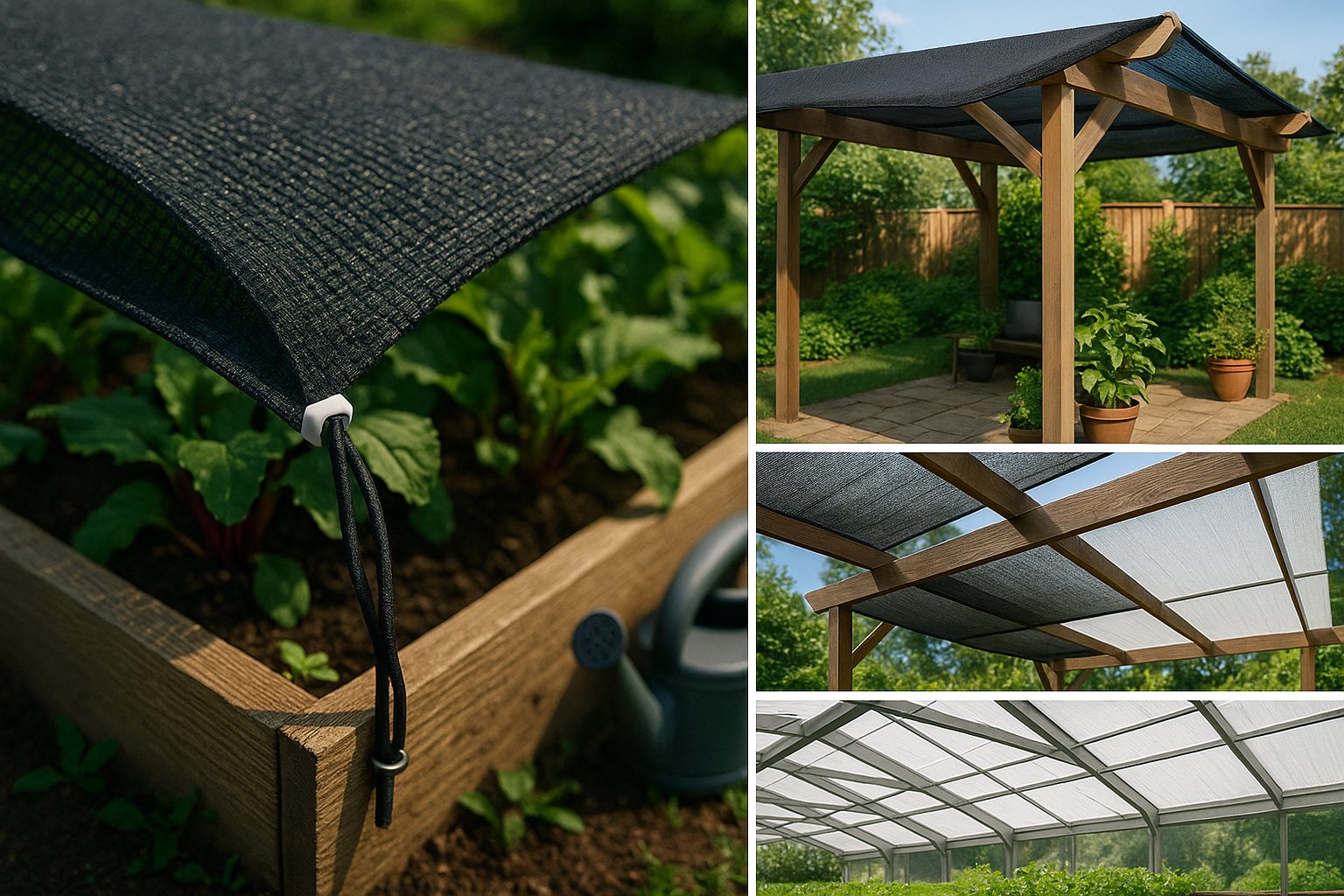
Shade cloth is a versatile tool for protecting plants and spaces from harsh sunlight, making it a popular choice in home gardens, greenhouses, and patios alike.
In home gardens, gardeners often drape shade cloth over vegetable beds to shield delicate crops like lettuce or spinach from scorching midday rays, especially during summer heatwaves. Greenhouse owners use shade cloth to regulate temperature and light exposure, positioning it above or inside the structure to prevent overheating without compromising plant growth. On patios, shade cloth can serve as an affordable alternative to permanent awnings, creating comfortable zones for relaxing or entertaining by blocking intense sun while still allowing airflow.
When installing shade cloth, keep these tips in mind:
- Select the appropriate shading percentage for your needs—30-50% for most vegetables, and up to 70% for tender ornamentals or patio areas.
- Secure the cloth with UV-resistant clips, bungee cords, or ropes, ensuring there’s enough tension to prevent sagging but not so tight that it rips during windy weather.
- Avoid common mistakes like laying the cloth directly on plants, which can trap heat and moisture and cause damage.
- Remember to anchor the edges properly to prevent the material from flapping or tearing.
Timing is also crucial:
- Put up shade cloth at the start of hot seasons or during sudden heat spikes.
- Adjust or remove it in cooler months to let in maximum sunlight for healthy growth.
- Always check the weather and your plants’ specific needs—sometimes a temporary covering during a particularly hot week is better than keeping it up all season.
By tailoring your use of shade cloth, you can create healthier plants, extend your growing season, and make outdoor living spaces more enjoyable year-round.
Aluminum and Other Alternatives
Aluminum netting and other shading materials, like reflective shade cloths or high-density polyethylene (HDPE) mesh, are becoming popular alternatives to traditional black and white shade cloth. Aluminum netting is especially valued for its ability to reflect a large portion of sunlight, significantly reducing heat and UV exposure under the canopy—this is a game-changer for growers in extremely hot or sunny climates.
Unlike standard black shade cloth, which mainly absorbs heat, aluminum shade options help keep temperatures much cooler. This benefits heat-sensitive plants and reduces irrigation needs. White shade cloths are typically chosen to diffuse light, balancing sun protection without creating deep shade, but they don’t reflect heat as effectively as metallic options.
One downside of aluminum netting is that it can be more expensive upfront. Additionally, its reflective surface might not suit every crop, especially those that require some solar warming. HDPE mesh offers durability and resistance to UV degradation but may not regulate temperature as actively as aluminum.
These alternative shades are ideal for sensitive crops such as lettuce, orchids, or ferns, or when growing in regions prone to intense summer heat waves. They’re also useful in commercial greenhouses where climate control is critical for maximizing yield and quality. For small gardens, traditional shade cloths might still be the most affordable and flexible option, but exploring different materials can make a big difference in plant health and productivity in tougher environments.
FAQs on Shade Cloth for Gardens
Shade cloth is a popular tool for gardening, but many growers have questions about how to use it effectively.
Can you grow tomatoes under shade cloth? Absolutely—tomatoes can benefit from 30-50% shade, especially in hot climates where intense sun causes fruit to split or plants to wilt. Shade cloth creates a cooler environment, reducing heat stress and helping maintain soil moisture, which in turn lessens the risk of tomato splitting. Still, it’s important to ensure your plants receive enough sunlight; too much shade can impact fruiting, so observe how your tomatoes respond and adjust as needed.
What about black shade fabric—is it too hot? Black shade cloth absorbs heat, so in cooler regions this can actually be beneficial. However, in very hot areas, opt for lighter-colored cloths (like white or green) to reflect sunlight and further reduce temperatures underneath.
Each plant variety and local climate is unique; for example:
- Cucumbers and lettuce thrive under higher shade percentages.
- Peppers and eggplants may prefer a bit more sun.
Make small experiments in your own garden to find the perfect balance—try different percentages and placements, and keep an eye on your plants’ health. Local extension offices or garden centers can offer advice tailored to your specific area.
Ultimately, a bit of trial and error, paired with expert guidance, helps you harness shade cloth for a more productive, resilient garden.
Conclusion
Choosing the right shade cloth for your garden comes down to a few key factors: color, shade percentage, and material. The color of your shade cloth—usually black, green, or white—directly affects light filtration and heat retention. For example, white cloth reflects more sunlight and keeps plants cooler, while black absorbs heat but can provide more uniform shade.
Shade percentage, ranging from 30% to 90%, determines how much sunlight your plants receive, so it’s crucial to match this to each plant’s light requirements. Vegetables often thrive under 30–50% shade, while delicate ornamentals may need up to 70%.
Material matters for durability and weather resistance: knitted polyethylene is popular for its flexibility and resilience, while woven fabrics offer extra strength.
Ultimately, your garden’s layout, the local climate, and the specific needs of your plants should guide your choice. Don’t hesitate to experiment by trying different shade cloths and monitoring your plants’ health and growth—sometimes a little trial and error is the best way to find the perfect fit for your unique environment.