Introduction
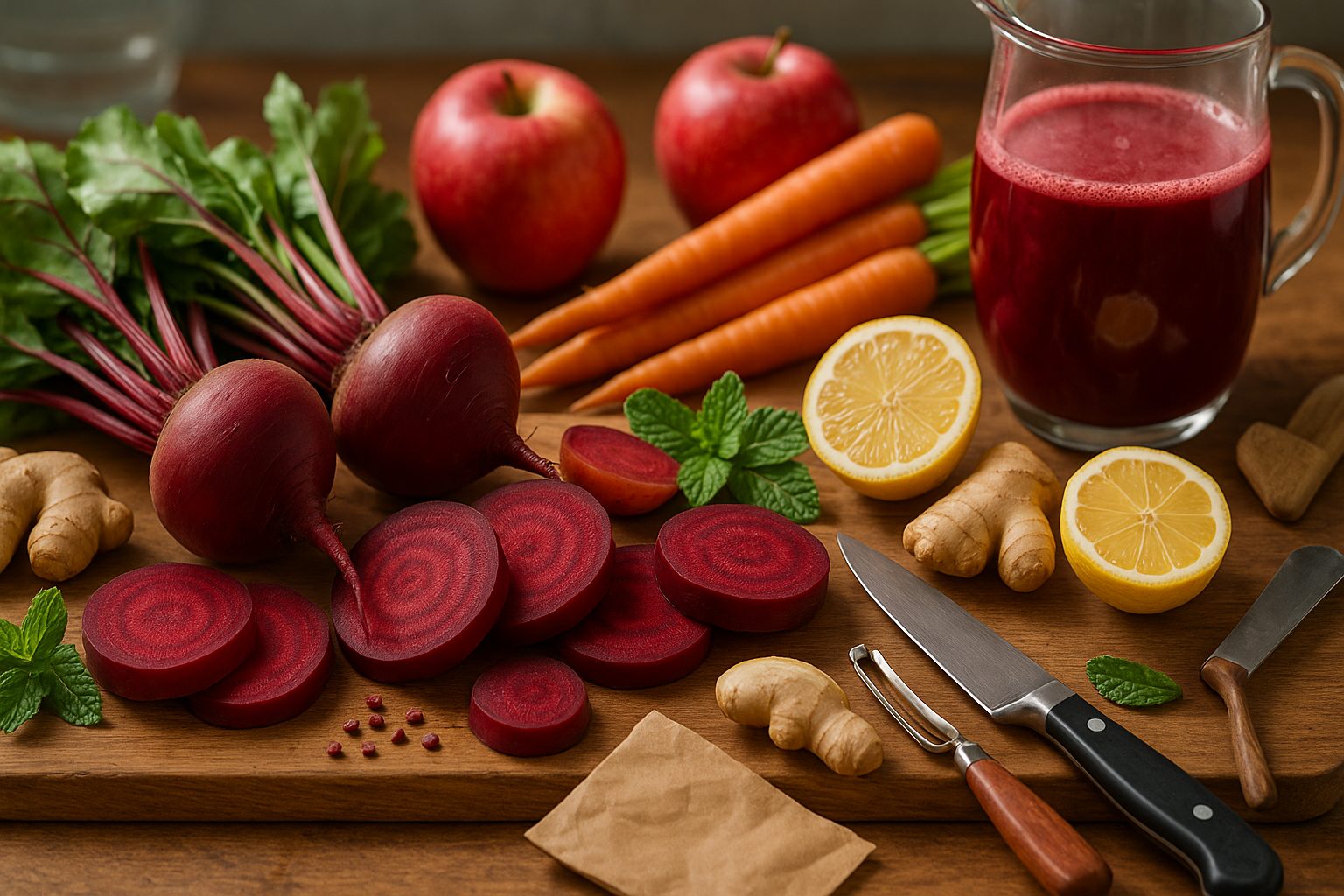
Juicing beets has quickly become a favorite trend among health-conscious eaters, and for good reason—this vibrant root packs a powerful nutritional punch. Whether you’re drawn in by beet juice’s naturally sweet, earthy flavor, its eye-catching deep red hue, or its impressive list of health benefits (think more energy, better digestion, and boosted immunity), there’s a lot to love about adding fresh beets to your juice routine. But not all beets are created equal, and getting the flavor just right can take a little know-how.
In this post, we’ll cover everything you need to get started: the best types of beets for juicing, a simple step-by-step recipe, key benefits you should know, and smart tips to get the most out of every glass. Plus, we’ll answer the most common FAQs so you can juice with confidence and enjoy every vibrant sip.
Why Drink Beetroot Juice?
Beetroot juice has gained a strong following among health enthusiasts thanks to its impressive nutritional profile and wide range of proven benefits. Packed with essential vitamins like vitamin C, B6, and folate, along with minerals such as potassium, magnesium, and iron, beetroot juice is a true nutrient powerhouse. It’s also rich in dietary nitrates and powerful antioxidants called betalains, which give beets their deep red color and help fight oxidative stress.
One of the most well-researched benefits of beetroot juice is its ability to naturally lower blood pressure. Studies show that regular consumption helps relax blood vessels, improving blood flow and reducing the risk of hypertension. Athletes and fitness lovers often drink beetroot juice as a natural stamina booster—its nitrates enhance oxygen use in the body, meaning you might run longer or cycle farther.
Heart health is another plus, as the drink supports healthy cholesterol levels and blood vessel function. Beetroot juice can also aid the liver’s natural detoxification processes by boosting enzymes that help eliminate toxins, making it popular in detox diets. Some research even points to a possible role in lowering cancer risk, thanks to its high antioxidant content and ability to reduce inflammation.
Many people add beetroot juice to their routine for an energy lift without relying on caffeine or for support with workouts, detoxes, or simply to increase their daily intake of vegetables. If you’re new to beetroot juice, try blending it with apple or carrot juice for a milder flavor, and consider starting with small amounts, as its powerful effects can surprise first-timers.
Whether you’re hoping to improve heart health, support your liver, or just feel more energized, beetroot juice is a simple way to give your body a nutrient boost every day.
Ingredients & Equipment You’ll Need
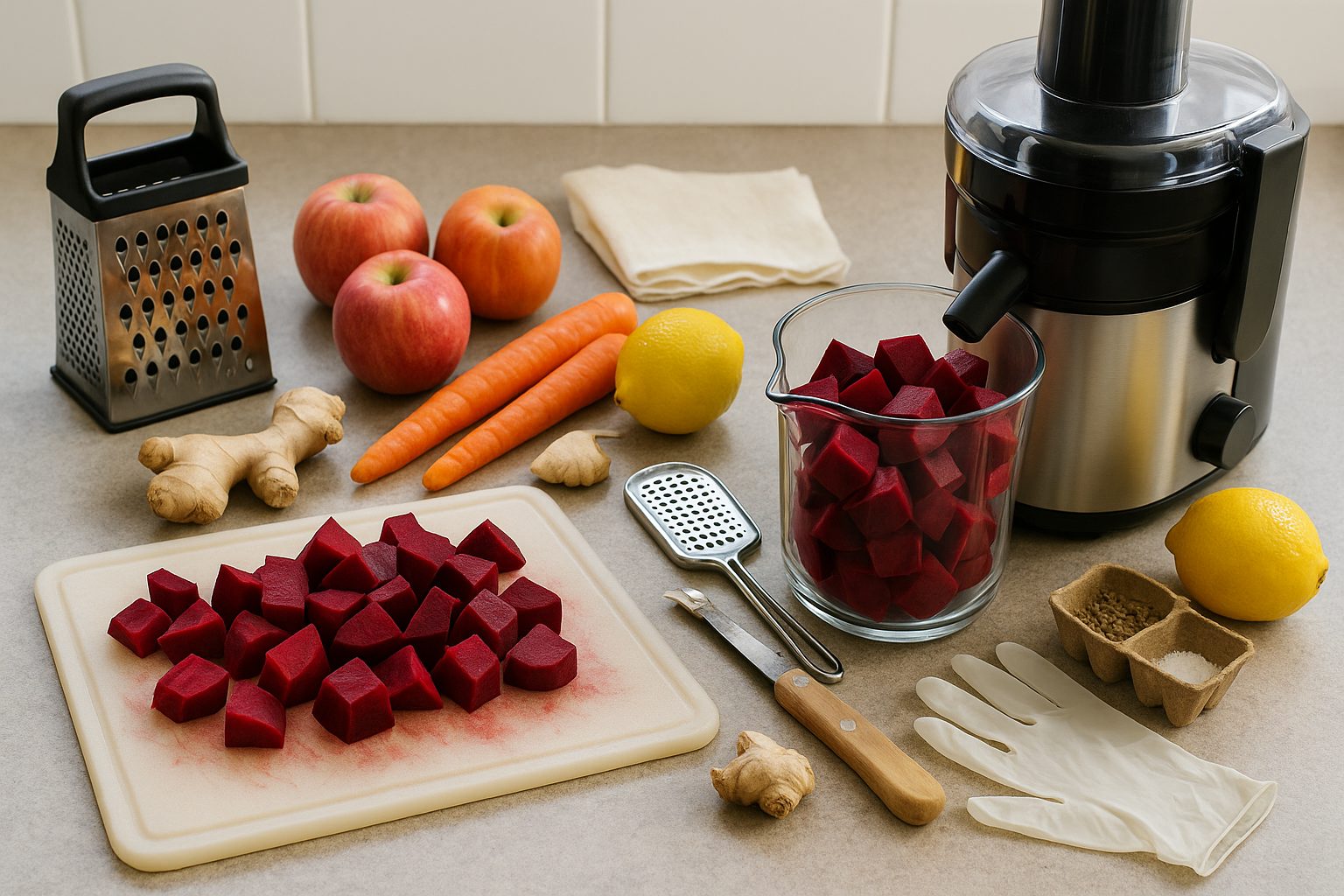
To make fresh beet juice at home, start with the main ingredient: raw beets. Be sure to scrub, peel, and cut them into chunks. For added flavor and nutrition, common additions include a knob of fresh ginger for a spicy kick, crisp apples for sweetness, carrots for earthiness, and a squeeze of lemon to brighten the flavor.
If you want to change things up or cater to dietary needs, there are plenty of substitutions to try. Swap apple for orange to make the juice tangier, use pear for a milder taste, or leave out the ginger if you prefer a gentler drink. You can even add cucumber or celery for a lighter, more refreshing profile.
Equipment Options
A juicer is ideal because it quickly separates the juice from the pulp, making the process easy and efficient. If you don’t have a juicer, a blender works well too—just blend the ingredients until smooth, then strain the mixture through a fine sieve or cheesecloth to remove the pulp.
For small batches, a hand grater and cheesecloth will also do the trick: simply grate the beets and other ingredients, wrap them in the cheesecloth, and squeeze out the juice by hand.
Whichever method you choose, make sure you have a sharp knife and cutting board ready. Wearing gloves is also a good idea if you want to avoid stained hands from the beets’ vibrant color. These simple tools and flexible ingredients make fresh beet juice easy to prepare, even in the most basic kitchens.
How to Make Beetroot Juice at Home
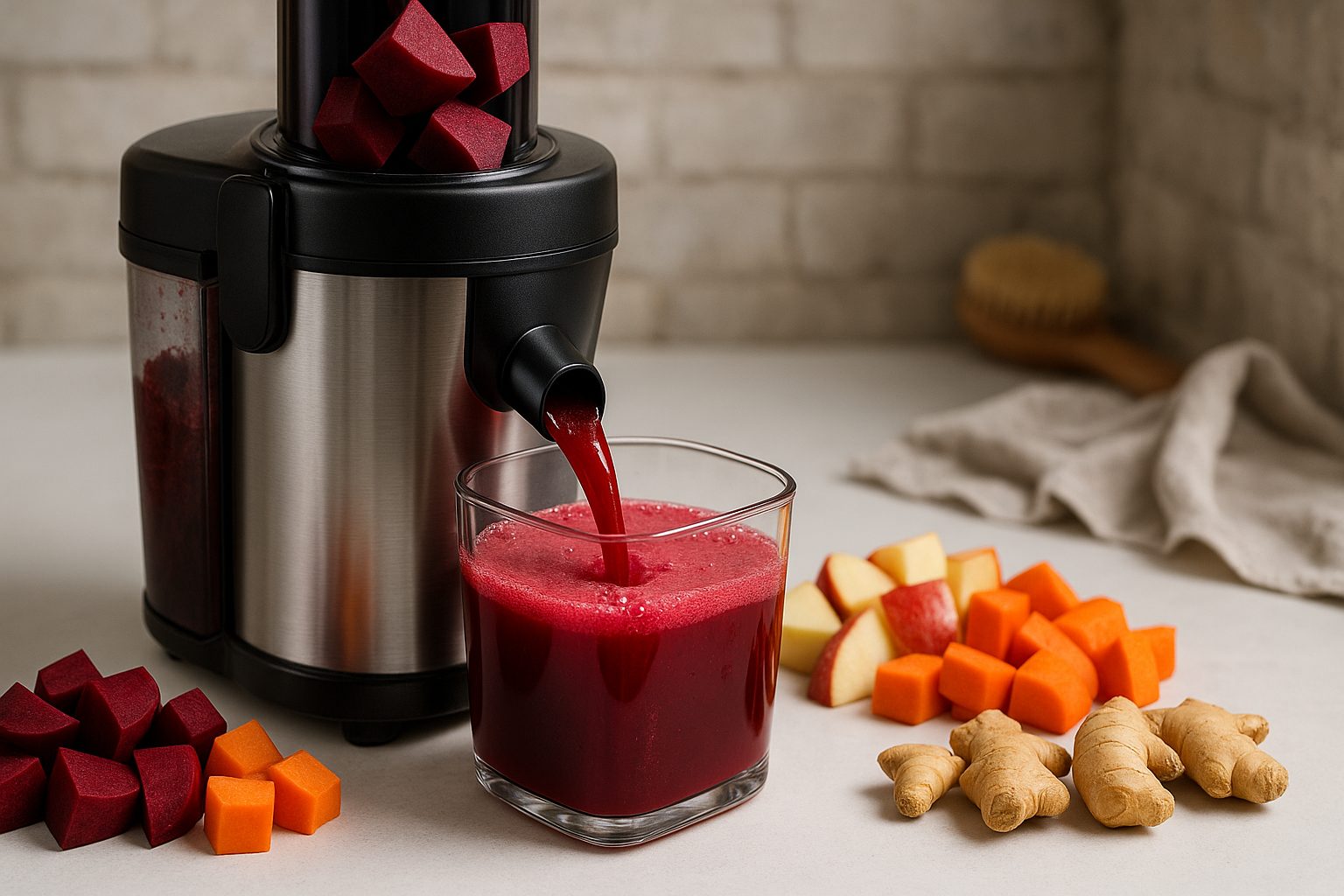
Making beetroot juice at home is easy and only takes a few steps, no matter what kitchen gear you have. Start by thoroughly washing the beetroots under running water to remove dirt; you can use a vegetable brush for stubborn spots. Peel the beets with a vegetable peeler (wear gloves or use a plastic cutting board to avoid stains on your hands and countertops) and chop them into small pieces for easier processing.
For the juicer method, simply feed the beet chunks into your juicer and collect the vibrant red juice. You can add a small knob of peeled ginger, an apple, or a carrot for extra flavor and health benefits.
If you’re using a blender, combine chopped beets with a splash of water (or orange juice for sweetness), blend until smooth, and strain through a fine mesh sieve or cheesecloth to remove the pulp.
Extra Nutrition and Flavor Tips
- Try adding a handful of spinach, celery, or pineapple for a nutritious twist.
- Add a squeeze of lemon and a pinch of black pepper to help with nutrient absorption.
- For an energy boost, blend in a teaspoon of chia seeds or flaxseed.
Remember to clean your appliances right after juicing, as beet stains can be tough to remove if they sit.
Health Considerations
While beetroot juice is packed with vitamins and antioxidants, raw beets are high in oxalates, which can be an issue for individuals with a history of kidney stones. If in doubt, consult your doctor before making it a regular habit, and start with small servings to see how your body reacts.
With these steps and tips, you’ll be able to enjoy fresh beet juice that’s both tasty and nourishing right from your own kitchen.
Tips for the Best Tasting Beetroot Juice
Getting the best-tasting beetroot juice is all about balance—beets have a naturally earthy flavor that can be intense on their own, so blending them with sweet or sour fruits and fresh herbs creates a more enjoyable, refreshing drink.
A great starting ratio is two medium-sized beets to one medium apple and half a lemon; this mix keeps the beet’s health benefits front and center while the apple’s sweetness and the lemon’s acidity cut through the earthiness. For a smoother sip, add half a cucumber or a small carrot—both help thin out the juice and mellow strong flavors.
Don’t be afraid to throw in some flavor enhancers:
- A thumb-sized piece of ginger brings gentle spice.
- A handful of fresh mint leaves adds a cool freshness.
- A splash of orange or pineapple juice can lift the whole drink.
If you want to prep ahead, juice in small batches and store it in an airtight glass jar in the fridge for up to 48 hours. To keep it extra fresh, add a little lemon juice before sealing, which helps preserve color and taste.
For longer storage, freeze beetroot juice in ice cube trays, then thaw as needed—just know that freshly thawed juice should be stirred well and consumed right away.
Finally, always wash and peel your beets before juicing to avoid muddy flavors, and experiment a bit with your ratios based on your taste preferences; some people enjoy a more mellow juice with more fruit, while others like the robust beet flavor to shine.
Beetroot Juice Nutrition Facts & Serving Suggestions
Beetroot juice is a powerhouse beverage, packing essential nutrients into every vibrant glass. A typical 8-ounce serving contains about 100 calories, with most of the energy coming from natural sugars—roughly 22 grams per cup. It’s loaded with folate (meeting nearly 30% of your daily requirement), manganese, and a good dose of potassium—about 370 mg per serving, or 8% of your recommended daily value.
The juice also delivers modest amounts of vitamin C and iron, and it’s renowned for being rich in dietary nitrates, which have been linked to improved blood flow and endurance. However, take note if you’re watching your sugar intake; beetroot’s natural sugars give it a sweet taste, making it flavorful but potentially concerning for those managing blood sugar. The potassium content is another key point—great for most people to help keep blood pressure in check, but worth monitoring if you have kidney issues and need to limit potassium.
Serving Suggestions
Beetroot juice is incredibly versatile:
- Pour a chilled glass alongside breakfast for a nutrient-packed morning boost.
- Use it post-workout to help muscles recover with its anti-inflammatory compounds.
- Stir it into smoothies for an earthy twist.
- Try it as a small detox shot if you’re seeking a quick nutrient hit without a big commitment.
For a simple upgrade, mix beetroot juice with a splash of lemon or ginger to balance out the sweetness and add extra flavor benefits. Whether you’re chasing more energy, better stamina, or just a refreshing health kick, beetroot juice fits easily into your daily routine.
Frequently Asked Questions About Beetroot Juice
Beetroot juice often raises plenty of questions for newcomers, starting with how much you can safely drink each day. Generally, a glass (about 250 ml) is a common daily dose for most adults, but it’s best to start with half and see how your body responds—some people experience digestive issues like bloating or mild upset stomach, especially at first.
If you’re on blood pressure medication, consult your doctor, as beetroot juice’s blood pressure-lowering effects can amplify those drugs.
Storage Tips
Always refrigerate fresh beetroot juice in an airtight glass container and use it within two to three days for the best quality. Freezing is an option but may alter the texture.
Improving Flavor and Texture
Beetroot’s earthy flavor can be intense. Try blending it with apples, carrots, oranges, ginger, or mint for a sweeter, more refreshing taste—overripe fruits are particularly good at masking bitterness.
If your juice turns out gritty or separates quickly, run it through a fine mesh strainer after juicing, or stir well before drinking. For a smoother texture, use a high-powered blender or juicer, and peel the beets beforehand.
Sometimes, beet juice appears overly bitter. This can come from older beets or too much skin, so choose fresh, firm ones and use lemon or lime to brighten the flavor.
Additional Advice
- Shelf life is typically short due to the lack of preservatives, so don’t plan on keeping homemade juice for more than a few days.
- Always wash beets thoroughly to avoid dirt or pesticide residue in your drink.
- Beet juice can cause temporary red or pink urine and stools—don’t be alarmed, it’s harmless.
- Frequent drinkers should be mindful if they’ve had kidney stones, as beets are high in oxalates.
In short, a little experimentation with flavors and storage can help you make the most of beetroot juice while avoiding common pitfalls.
Conclusion
Making beetroot juice at home is both simple and rewarding, allowing you to enjoy a nutritious boost free from added sugars or preservatives. Beyond its vibrant color and naturally sweet, earthy flavor, beet juice can support heart health, improve energy, and provide a rich dose of essential vitamins and minerals.
Don’t be afraid to get creative—try mixing in apples, oranges, carrots, or even a hint of ginger to suit your taste and enhance the benefits. Enjoy experimenting until you find your perfect blend, and notice how refreshing and revitalizing homemade juice can be.
We’d love to hear about your favorite combinations, unique tips, or any questions you have, so feel free to share your experiences in the comments below. Your input might just inspire fellow readers to start their own beetroot juice journey!