Introduction
When it comes to commercial beet growing, many home gardeners are discovering that beets are more than just an attractive addition to the dinner plate—they’re a hardy, versatile root vegetable perfect for small-scale market sales and Community Supported Agriculture (CSA) shares. Both the ruby-red roots and their leafy greens are packed with flavor and nutrients, making them a two-for-one crop that appeals to health-conscious customers and foodies alike.
Thanks to their relatively short growing season, beets can be sown and harvested multiple times throughout the spring, summer, and even into fall, providing a steady supply for your kitchen and local market stands. In this blog post, you’ll find practical advice on selecting the right beet varieties for your region, maximizing yields in limited garden space, and mastering harvest and storage techniques to ensure the freshest produce.
We’ll also explore tips on soil preparation, pest management, and promoting robust growth from seed to market. Whether you’re looking to supplement your household income or simply get the most out of your garden plot, learning the ins and outs of commercial beet growing can transform a humble root into a profitable and rewarding crop.
Choosing the Right Beet Varieties
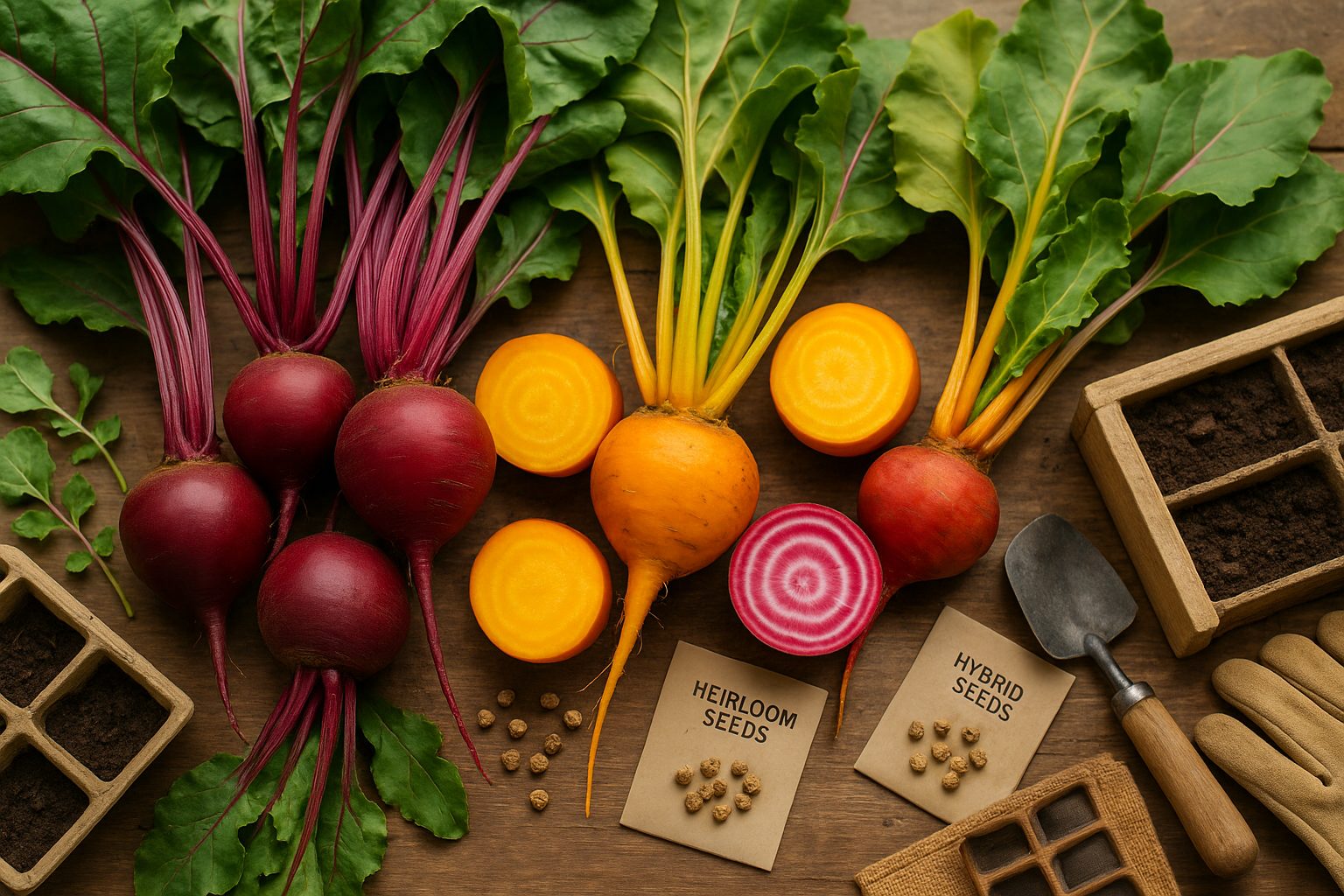
When it comes to picking beet varieties for your garden, three of the most popular options are classic red beets, golden beets, and Chioggia beets. Red beets are what most people picture: deep purple-red roots with an earthy, sweet flavor perfect for roasting, juicing, or pickling. Golden beets, with their sunny yellow flesh, are a bit milder and less earthy, making them a great choice for salads since they don’t bleed color like reds. If you’re looking for something that’s both tasty and visually striking, Chioggia beets—sometimes called candy cane or bull’s eye beets—have stunning pink and white concentric rings inside and a subtle, delicate flavor.
When selecting which type to grow, consider your garden’s size and your climate. Some varieties, like ‘Detroit Dark Red,’ are compact and do well in smaller beds or containers, while others like Chioggia need a bit more space to develop their unique shape. Golden beets often handle warmer climates better, while red beets tend to be more cold-tolerant—always check the seed packet for days to maturity and any climate notes.
Personal taste preference is also key: if you love sweeter beets, try ‘Touchstone Gold’ for golden beets, or if you want something less “earthy,” Chioggia is a fun pick. Another decision is whether to choose heirloom or hybrid seeds. Heirloom varieties are valued for their rich flavor and history, and they let you save seeds for next year. Hybrid seeds may offer better resistance to disease or uniform growth, but you can’t save and replant those seeds with consistent results.
For beginners, experimenting with a mix of types—say, a packet of each—can help you discover your favorites and learn what grows best in your garden.
Preparing Soil and Garden Beds
Beets thrive best in soil that’s loose, well-drained, and slightly acidic to neutral, ideally with a pH between 6.0 and 7.0. Before planting, take time to clear your garden bed of stones, roots, and other debris—these can hinder the growth of those sweet, round roots you’re after.
Use a garden fork or shovel to loosen the soil at least 12 inches deep, breaking up any clumps so beet roots can expand easily. Next, enrich the area with well-rotted compost or aged manure, which boosts fertility and moisture retention; simply spread a two-inch layer across the bed and mix it in thoroughly.
If your soil is too acidic (below 6.0), sprinkle in some garden lime following package directions; for alkaline soil, composted pine needles can help nudge the pH downward. A simple soil test kit from the garden center can guide your adjustments.
When choosing your bed’s location, look for a sunny spot with at least six hours of direct light daily and avoid low-lying areas where water tends to collect—beets hate having “wet feet.”
For planting, aim for spacing seeds about one inch apart in rows spaced 12–18 inches to allow for root development and easy access for weeding. As seedlings emerge, thin them to about three inches apart so each beet has enough room to round out nicely.
Consider using raised beds if your native soil is heavy clay or prone to waterlogging, since beets do best when their roots aren’t sitting in soggy ground. A little early attention to soil conditions and layout pays off all season long, ensuring your beet crop grows big, sweet, and tender.
Sowing and Planting Techniques
Timing your beet sowing is crucial for a successful crop, as these vibrant root veggies grow best in cool temperatures. In most temperate regions, sow beet seeds directly outdoors from early spring—about 2-4 weeks before your last expected frost—until early summer for continuous harvests. In areas with mild winters, you can also sow beets in late summer or early fall for a bounty before the first hard freeze.
If you have a short growing season or want an early jump, try starting beets indoors about 4-6 weeks before your last frost. Use biodegradable pots to minimize transplant shock since beets dislike root disturbance.
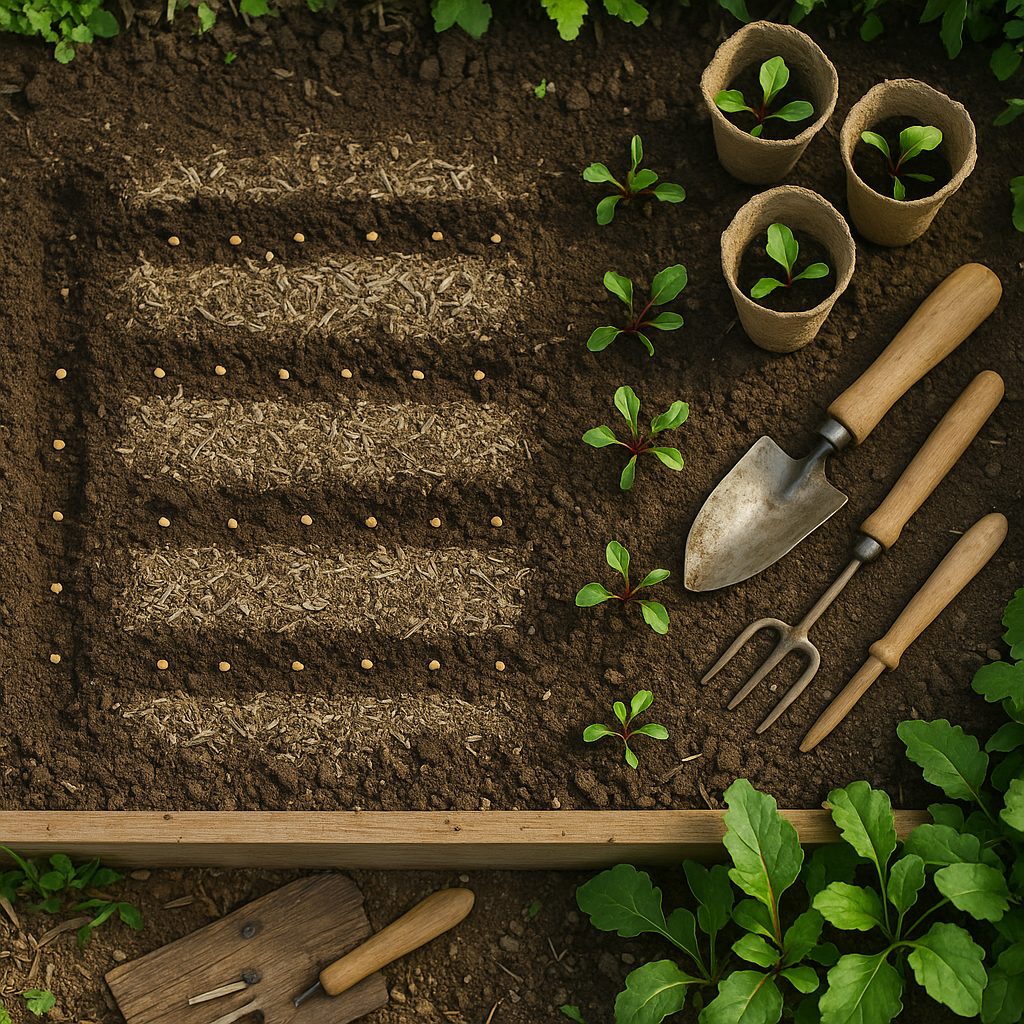
For direct sowing, plant seeds ½ inch deep and 1 to 2 inches apart in rows spaced 12 to 18 inches apart. Beet seeds are actually seed clusters, so expect multiple seedlings from each “seed.” Once true leaves appear, thin them gently so plants stand 3 to 4 inches apart, ensuring room for roots to develop.
Keeping the soil consistently moist but not soggy, especially during germination—which usually takes 7-14 days—makes a big difference for even sprouting. In hotter climates, cover the bed lightly with garden fleece or shade cloth to prevent the soil from drying out too quickly.
For best success, choose well-tilled, loose soil and avoid sowing seeds in tightly packed or rocky ground, which can hinder root development.
As a practical tip, use the thinned seedlings in salads—they’re nutritious and tasty, so nothing goes to waste. Smart planning and close attention to these details will help you harvest uniform, sweet beets all season long.
Caring for Growing Beets
Consistent watering is crucial for healthy beet growth, but it’s a balancing act—beets like moist, well-drained soil, yet their roots can rot if they sit in waterlogged conditions. Aim to keep the soil evenly moist by watering whenever the top inch feels dry, especially during hot stretches. A good tip is to water deeply once or twice a week rather than giving shallow sprinkles every day; this encourages roots to grow deeper.
Mulching around your beet plants with straw, shredded leaves, or untreated grass clippings helps retain moisture, suppress weeds, and keep soil temperatures stable. It also reduces how often you’ll need to water, but be sure to leave a little space right around the stems to avoid rot.
When it comes to feeding beets, opt for a balanced, organic fertilizer (such as 10-10-10) once the seedlings are a few inches tall. Avoid high-nitrogen formulas, which can produce lush tops at the expense of the roots.
Watch for common beet pests like leaf miners and flea beetles. Floating row covers work wonders as a preventive barrier, and hand-picking damaged leaves will keep infestations in check. If you spot aphids, a gentle spray of water or a homemade insecticidal soap can help.
Fungal diseases such as Cercospora leaf spot occasionally show up—prune away affected leaves promptly and provide good air circulation by thinning crowded seedlings. Regularly rotating crops in your garden will also cut down on disease problems.
With a little attentive care, your beets will thrive from seedling to harvest, yielding sweet, vibrant roots and tender greens.
Harvesting and Storing Beets
Knowing when to harvest your beets is key to enjoying sweet, tender roots and fresh greens. Typically, most beet varieties are ready 50-70 days after sowing, but you should also pay attention to the size: beets are at their best when roots reach about 1.5 to 3 inches in diameter, roughly the size of a golf or tennis ball. If beets grow too large, they may become woody or lose flavor.
To check readiness, gently brush away a bit of soil to reveal the top of the beet and assess its size. When it’s time to harvest, use a garden fork or your hands to loosen soil around each beet—pulling too hard can snap the tops or bruise the root. Grip the greens close to the root and pull straight up, or wiggle slightly if needed.
For storage, twist or cut off the beet greens about an inch above the root (leaving the stems helps prevent bleeding). Store the roots unwashed in a breathable bag or box in the refrigerator or a cool, dark cellar—roots can keep for several weeks this way. Keep them away from apples and pears, which release ethylene gas and can cause the beets to spoil faster.
The greens are highly perishable, so use them within a couple of days; store them unwashed in a separate plastic bag with a damp paper towel in the crisper drawer. By harvesting carefully and storing beets the right way, you’ll have a steady supply of garden-fresh flavor long after your harvest.
Troubleshooting Common Beet Problems
Growing beets can be rewarding, but a few common problems might pop up along the way.
Leaf spot, often caused by fungi, shows up as brown or black spots on foliage. Prevent it by watering at the soil level, spacing plants for airflow, and promptly removing affected leaves.
Root deformity usually results from compacted soil or rocks. Before planting, loosen your garden bed and remove debris to let roots expand freely.
If your beets bolt (send up flower stalks suddenly), it’s likely due to high temperatures or planting too early. Try sowing beets in early spring or late summer, and look for bolt-resistant varieties.
Poor germination often stems from dry soil or old seeds, so keep soil consistently moist and use fresh seed for best results.
When problems arise, don’t get discouraged—each issue is an opportunity to learn. Keep notes about what worked and what didn’t, so your next beet crop can be even better!