Why Grow Beets?
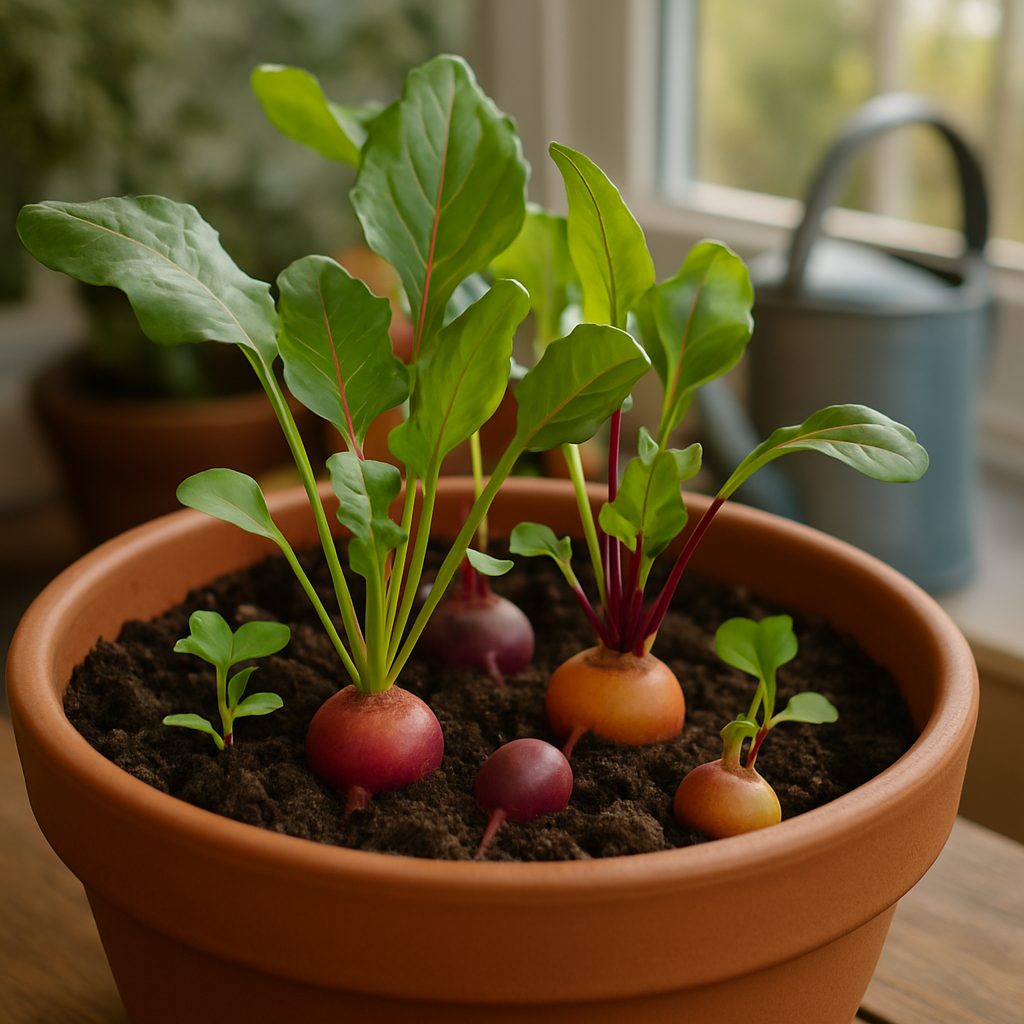
Curious about the best beets for containers and small spaces? Learning how to grow beets in containers opens up a convenient—and nutritious—world of gardening, perfect for anyone with limited outdoor space or just a sunny patio. Beets aren’t just beautifully vibrant root vegetables; they’re a nutritional powerhouse. The roots provide iron, fiber, folate, and antioxidants, supporting everything from heart health to athletic performance. Meanwhile, beet greens are rich in vitamins A, C, and K, as well as calcium and magnesium, making them a super-food leafy addition for salads, sautés, or smoothies.
What makes beets even more appealing is their culinary flexibility. Roast the roots for sweet, caramelized sides, pickle them for a tangy crunch, blend them into soups like borscht, or add their earthy sweetness to salads. Beet greens shouldn’t be overlooked—treat them like spinach or Swiss chard for a flavorful, nutrient-dense boost to stir-fries, quiches, or pesto. Their whole-plant usability means minimal food waste and maximum taste exploration in your kitchen.
One of the biggest draws to growing beets in containers is their suitability for virtually any gardener. Whether you’ve got a backyard plot, community allotment, or just a balcony, beets thrive in raised beds and pots with as little as 8–10 inches of soil depth. Their compact growth habit, paired with a relatively short growing season—often ready to harvest in just 50–70 days—means you can enjoy several harvests throughout the year. Beets are hardy in various climates, tolerating both spring and fall plantings, which makes them accessible whether you garden in a temperate or cooler region.
People choose to grow beets at home for several compelling reasons. Homegrown beets tend to be sweeter, more tender, and far fresher than store-bought varieties. Cost savings is another motivator, as a packet of seeds can yield pounds of produce for a fraction of supermarket prices. For organic gardeners, container cultivation allows complete control over soil, fertilizers, and pest management, ensuring a chemical-free harvest. Ultimately, growing beets in containers isn’t just practical—it’s a tasty investment in your health and culinary creativity, all from the comfort of your home or apartment.
Choosing the Best Beet Varieties
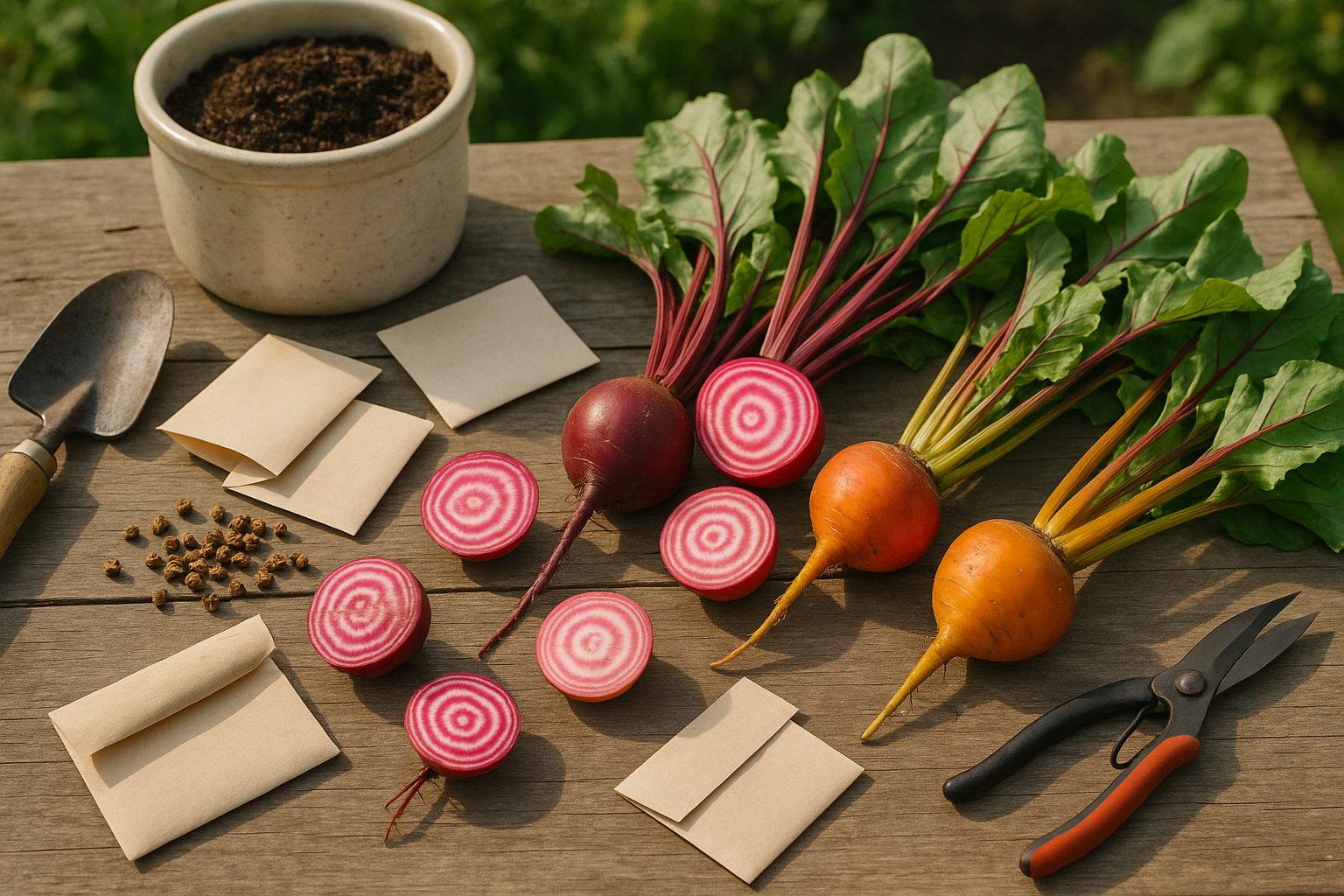
When it comes to growing beets, your options extend far beyond the classic red variety most people imagine. Popular red beets like Detroit Dark Red are appreciated for their deep color, earthy sweetness, and smooth texture, making them perfect for roasting, salads, and borscht.
Golden beets, such as Touchstone Gold, offer a milder, less earthy flavor with a gorgeous sunny hue, ideal for fresh salads or visually appealing side dishes—they also don’t stain hands or cutting boards as much.
Striped beets, like the eye-catching Chioggia with its pink-and-white rings, bring a mild, candy-sweet flavor and playful presentation, perfect for slicing raw into salads or pickling.
If you’re short on space, mini beets, including Babybeat and Little Ball, mature quickly and fit beautifully in containers or tight garden rows, all while retaining the sweet flavor of their larger counterparts.
Consider Your Regional Climate
In cooler areas, most beet varieties thrive, while in hotter climates, choose heat-tolerant cultivars and sow in spring or fall. If you only have room for container gardening, mini or round varieties are a fantastic choice, staying compact and producing tender roots even in small spaces.
Recommendations for Beginners
For beginners, go for tried-and-true options like Detroit Dark Red or Boltardy, both renowned for their reliability and resistance to bolting. Mix in a golden or striped option, such as Touchstone Gold or Chioggia, for variety and visual interest.
By matching beet varieties to your climate, garden space, and cooking style, you’ll grow a harvest that’s as beautiful as it is delicious.
Getting Started: Location, Containers, and Soil Preparation
Beets love sunlight, so choose a spot that gets at least six hours of direct sun each day for the best growth—too much shade can result in small roots and leafy tops. If your yard has limited light, containers are a great option because they can be moved to catch the sun, making them perfect for decks or balconies.
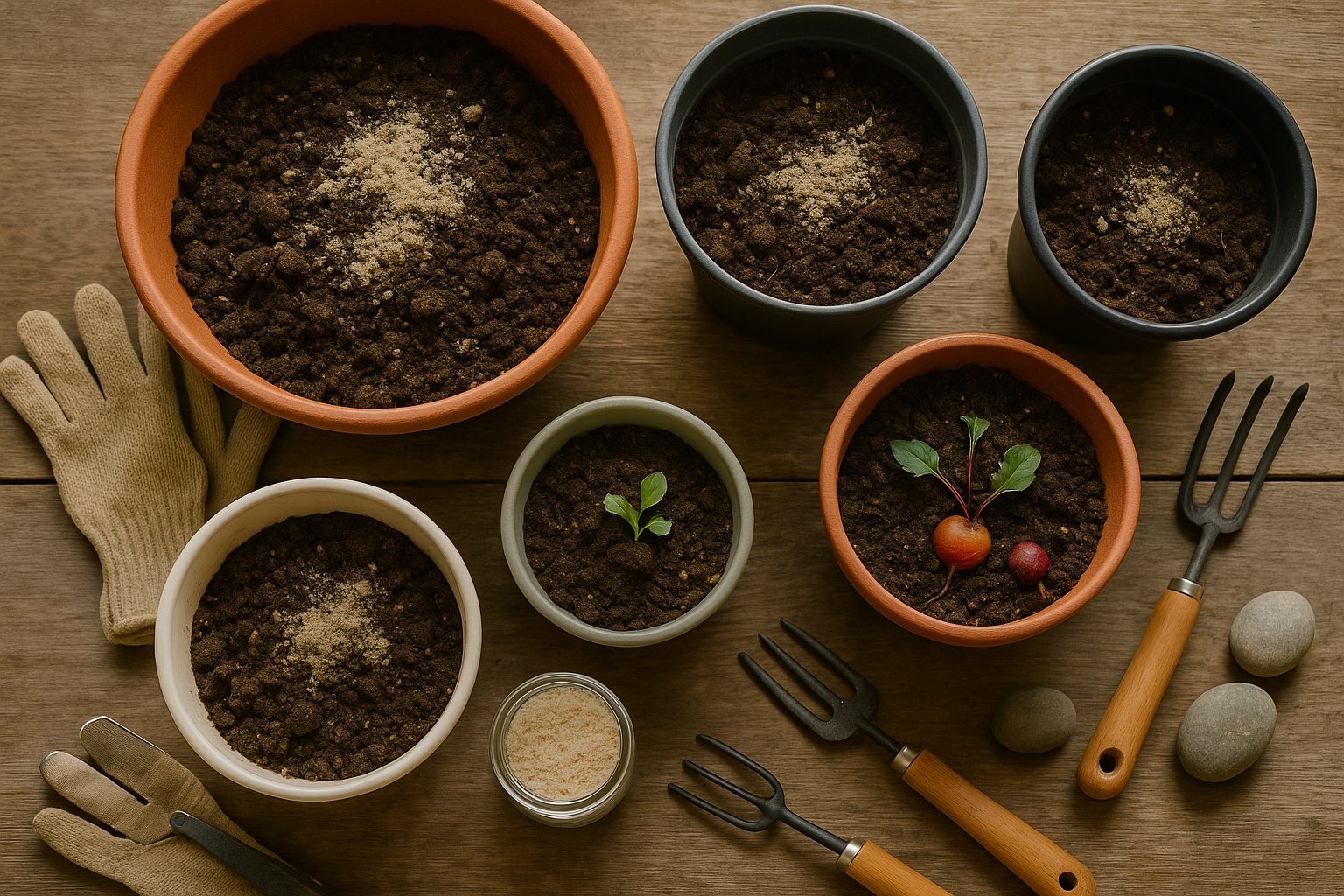
Raised beds and rows work well too, especially if your native soil is heavy or compacted, since beets need loose, well-draining ground. For container growing, pick pots at least 8 to 10 inches deep to allow proper root development. Food-safe plastic, ceramic, or sturdy clay pots are all good options—just make sure the container has drainage holes to prevent waterlogged roots.
No matter which method you choose, soil preparation is key. Beets prefer a soil pH between 6.0 and 7.5 and thrive in crumbly, sandy-loam textures that resist clumping. Break up any large clods and mix in plenty of compost or aged manure to boost nutrients. If your soil feels sticky, add a little coarse sand to improve drainage.
A handful of natural amendments like bone meal or wood ash can also help, as they enrich the soil with essential minerals such as phosphorus and potassium. Before sowing seeds, rake the bed smooth and remove any stones—this will let your beets send roots straight down without obstruction.
Taking the time to create rich, loose, and well-aerated soil will reward you with rounder, tastier beets at harvest.
Planting and Sowing Techniques
When planting beets, timing is everything—beet seeds germinate best when soil temperatures are between 50°F and 85°F (10°C–29°C). Aim to sow them outdoors about 2–4 weeks before your region’s last expected spring frost. In cooler climates, early spring is ideal, while gardeners in mild-winter zones can plant in late summer or early fall for a fall harvest.
Direct sowing is the most common method because beets develop their roots best when undisturbed. However, transplanting seedlings—started indoors 3–4 weeks before the last frost—can work in regions with shorter growing seasons or highly compacted soil. Just be gentle to avoid damaging young roots.
To sow directly, loosen the soil and remove stones, then plant seeds ½ inch deep, spacing them 1 to 2 inches apart in rows at least 12 inches apart. Since beet “seeds” are actually clusters, thin the seedlings to 3–4 inches apart when they reach 2 inches tall, pulling out the weakest ones to give each root space to develop.
For better germination, especially in cool or heavy soils, soak seeds in warm water for 12–24 hours before planting—this softens the tough seed covering and speeds sprouting. Some gardeners gently rub seeds with sandpaper (a process called scarifying) to break down the outer coat, but soaking alone often does the trick.
With careful attention to timing, spacing, and a bit of pre-planting prep, you’ll set your beets up for strong, healthy growth.
Caring for Growing Beets: Water, Fertilizer, and Common Issues
Proper watering is crucial for healthy beet root development, as beets thrive best when their soil is consistently moist but never soggy. Aim to water deeply once or twice a week, depending on rainfall, so the moisture reaches the root zone—about an inch a week is a good guideline. Mulching with straw or shredded leaves can help retain moisture and prevent evaporation, especially during hot spells. Signs of over-watering include yellowing leaves, wilting despite wet soil, and potential root rot, while under-watered beets may develop smaller, woody roots and have dull, drooping foliage. For best results, check the soil two inches below the surface; if it feels dry, it’s time to water.
Feeding your beets right is equally important: a balanced approach encourages both lush tops and robust roots. Start with a rich, compost-enriched soil at planting, then supplement with additional fertilizer around four weeks after seedlings emerge. Use a low-nitrogen, high-phosphorus option, as too much nitrogen leads to leafy growth at the expense of root development. Organic options like compost tea, bone meal, or well-rotted manure gently nourish your crop and improve soil structure, while synthetic fertilizers (such as a 5-10-10 blend) offer fast-acting nutrients but may not improve long-term soil health. Whichever you choose, avoid direct fertilizer contact with the roots, as this can cause burn—mix it gently into the topsoil instead.
Common Pests and Diseases
Beets face several common threats from pests and diseases that can undermine your harvest:
- Leaf miners: These pests tunnel through the leaves, leaving behind telltale squiggly trails and blotches. Pick off affected leaves quickly or cover young plants with row covers to prevent infestation.
- Aphids: They cluster on the undersides of leaves, causing wilting and yellowing. A strong water spray or an application of insecticidal soap usually controls them.
- Fungal leaf spots: Marked by brown or purple speckles, these thrive in damp or overcrowded conditions. Space beets properly and water at the base of the plants to limit splashing.
Crop rotation and clearing spent foliage also help disrupt pest and disease cycles.
Improving Beet Root Growth
If your beet roots aren’t sizing up, it could be due to poor soil, irregular watering, or overcrowding. Thin seedlings early, leaving three to four inches between plants so each beet has room to expand, and check that soil is loose rather than compacted. Pale or poorly colored roots may signal a potassium deficiency or excessive shade—try side-dressing with wood ash or potash and ensure your beets get at least six hours of sun.
Managing plant stress comes down to consistent care: shield your crop from temperature extremes with floating row covers, watch for early pest symptoms, and avoid high-nitrogen fertilizers that favor leaves over roots. By tuning in to your plants’ signals and adjusting your routine, you can grow sweet, vibrantly colored beets all season long.
Harvesting, Storing, and Using Beets
Knowing when to harvest beets is key to enjoying their sweetness and tender texture. For the roots, check the shoulders peeking out of the soil—most beet varieties are ready when roots reach 1.5 to 3 inches across, usually about 50 to 70 days after sowing. Their greens can be snipped earlier, when leaves are young and tender, ideally around four to six inches long.
To avoid damaging the beet’s taproot, lightly loosen the surrounding soil with a hand fork or garden trowel and gently pull the beets from the base of the stems, giving them a gentle twist if needed. For a steady supply, try staggered harvesting: pick just a few of the biggest roots from crowded rows, allowing the rest to plump up in the coming weeks.
Once picked, trim the greens about an inch above the root to prevent moisture loss, but don’t toss them—the greens are edible and delicious.
Storing Beets
Store beet roots unwashed in a perforated bag or container in the refrigerator for two to three weeks, or pack them in damp sand in a cool, dark root cellar for months. If you have a glut, beets freeze well when sliced and blanched, or preserve their earthy sweetness by pickling with vinegar and spices.
Using Beets in the Kitchen
Try roasting chunks of beets to caramelize their natural sugars, adding slices to salads for color and crunch, or blending cooked beets into hummus for a bright twist. Sauté or steam the beet greens like spinach, toss them into soups, or wilt them into omelets for a nutritious boost that ensures nothing from your harvest goes to waste.