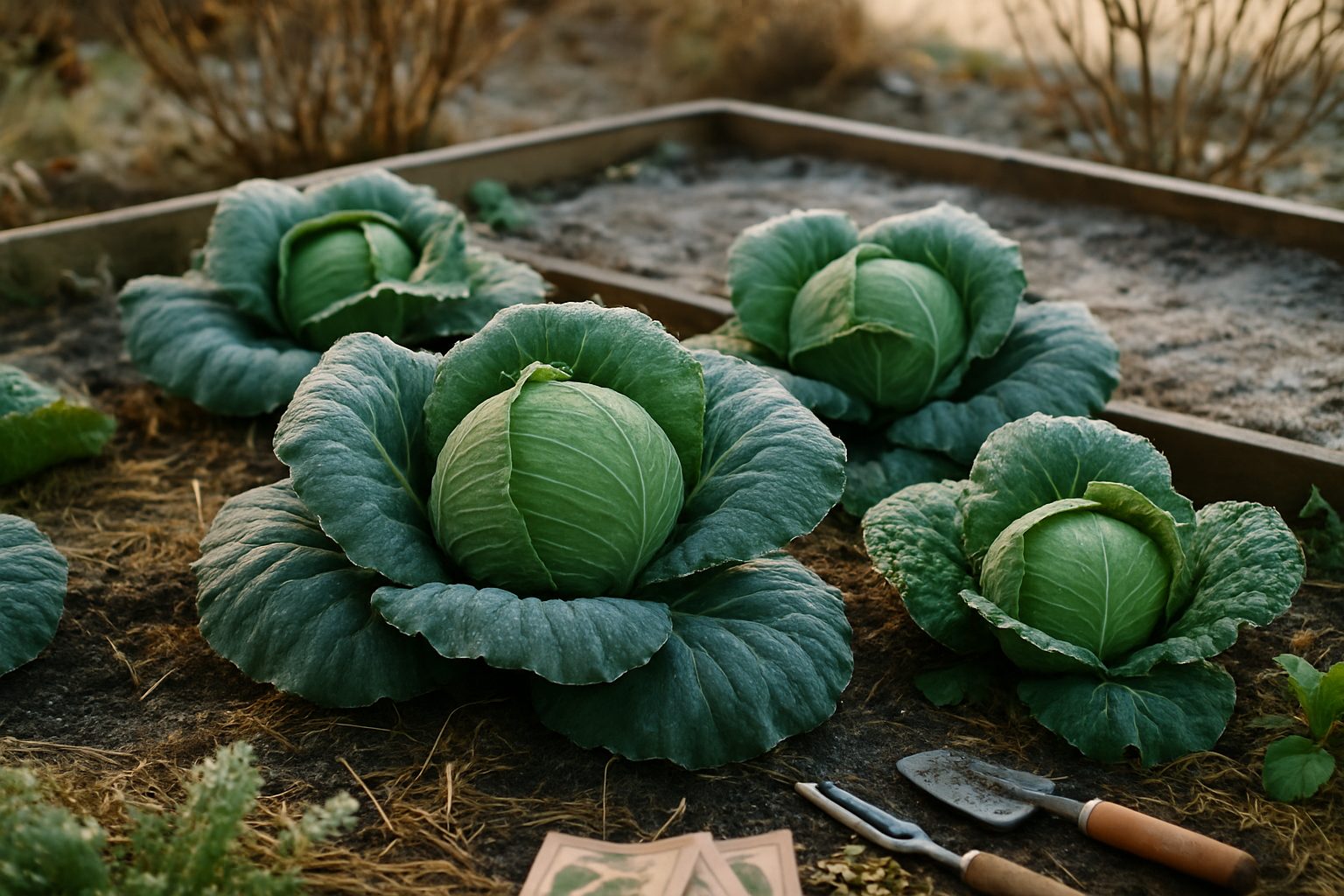
Introduction to Winter Cabbage
Cold weather cabbage is a hardy variety specifically bred to thrive when temperatures plummet and frost settles over gardens. Unlike summer or spring cabbages, winter cabbage develops tougher leaves and a denser head, enabling it to withstand chilly winds and even light snow. This resilience makes it perfect for gardeners eager to extend their harvest well past the usual growing season.
In regions where the warmth of summer quickly gives way to cold, winter cabbage can be sown in late summer or early fall, slowly maturing as nights grow colder. The value of growing cold weather cabbage is clear: when most other vegetables stop producing and grocery prices climb, you can still enjoy crisp, nutrient-rich greens right from your own backyard.
Winter cabbage delivers a fresh supply of vitamins C and K, both essential during months when colds and flu are common. In the kitchen, it’s a versatile star—shred it into hearty soups, braise it as a side, or savor it fresh and crunchy in a winter slaw. By choosing winter cabbage, you ensure your meals stay vibrant and your garden productive, even when everything else seems to be sleeping under a blanket of frost.
Choosing the Right Winter Cabbage & Varieties
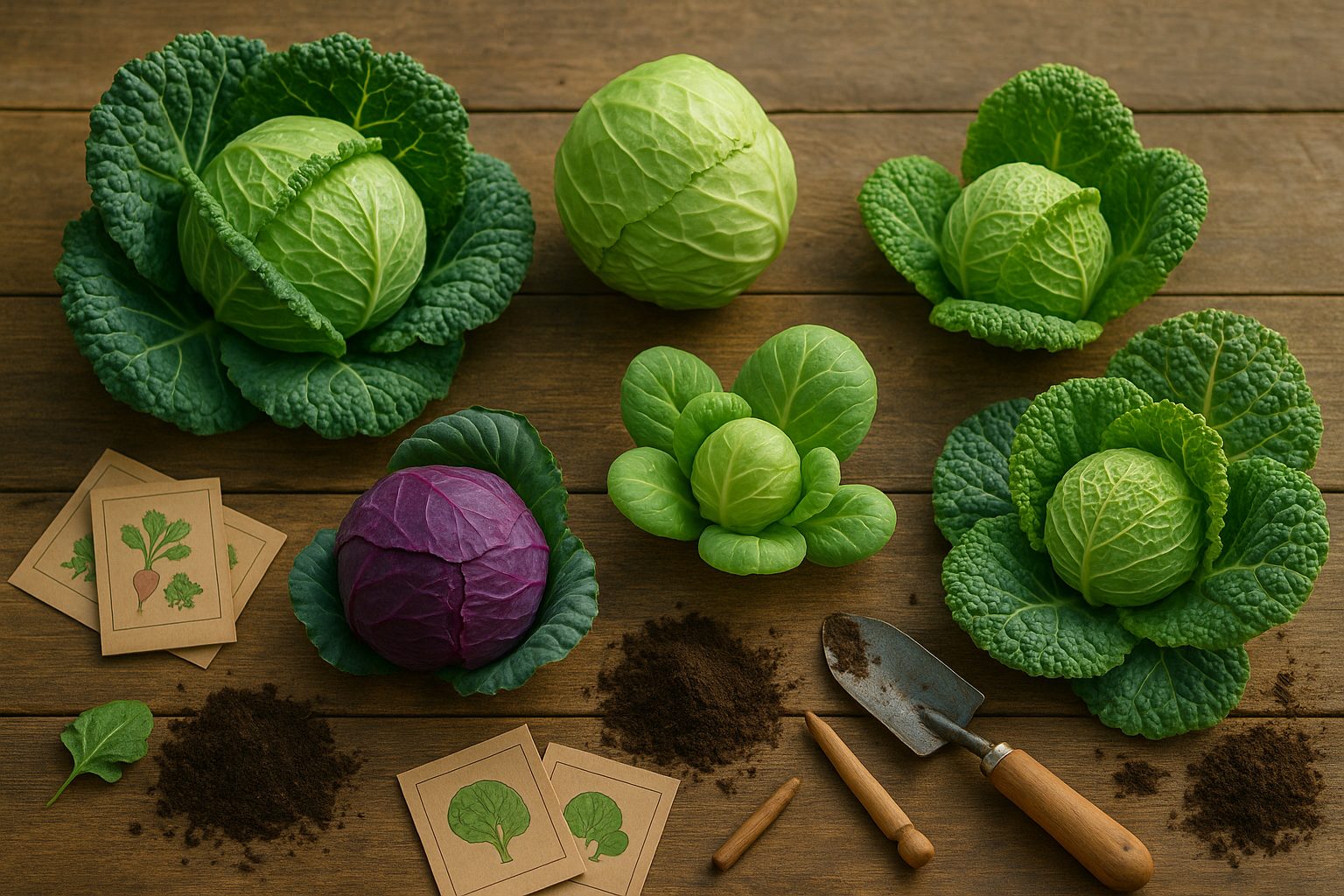
When selecting winter cabbage seeds, focus on key traits like cold hardiness, maturity period, and disease resistance to ensure a successful harvest. Cold-hardy varieties, such as January King and Winter Wonderland, can withstand frost and even snow, making them ideal for harsh northern climates.
If you’re gardening in milder regions, Tundra and Savoy Ace are reliable options, offering tender leaves and tolerance to fluctuating temperatures. The maturity period is another crucial factor—early maturing cabbages like Caraflex mature in about 70 days, perfect for quick turnarounds in compact spaces, while longer-season types like Deadon provide dense heads well into late winter.
For small gardens or container growing, dwarf varieties such as Mini Green or Pixie take up less space without sacrificing yield. Disease resistance matters too; look for seeds that specify resistance to common issues like clubroot or downy mildew, especially if you’ve had problems in previous seasons.
To choose the right type, match the variety’s needs to your local climate and garden size:
- Colder zones should prioritize maximum cold hardiness.
- Gardeners with limited space will benefit from compact or early-maturing selections.
Don’t hesitate to ask local garden centers for advice or consult regional gardening forums to learn which types thrive best in your area. This tailored approach ensures you’ll enjoy crisp, sweet cabbages even when temperatures dip.
Preparing and Planting for Winter Success
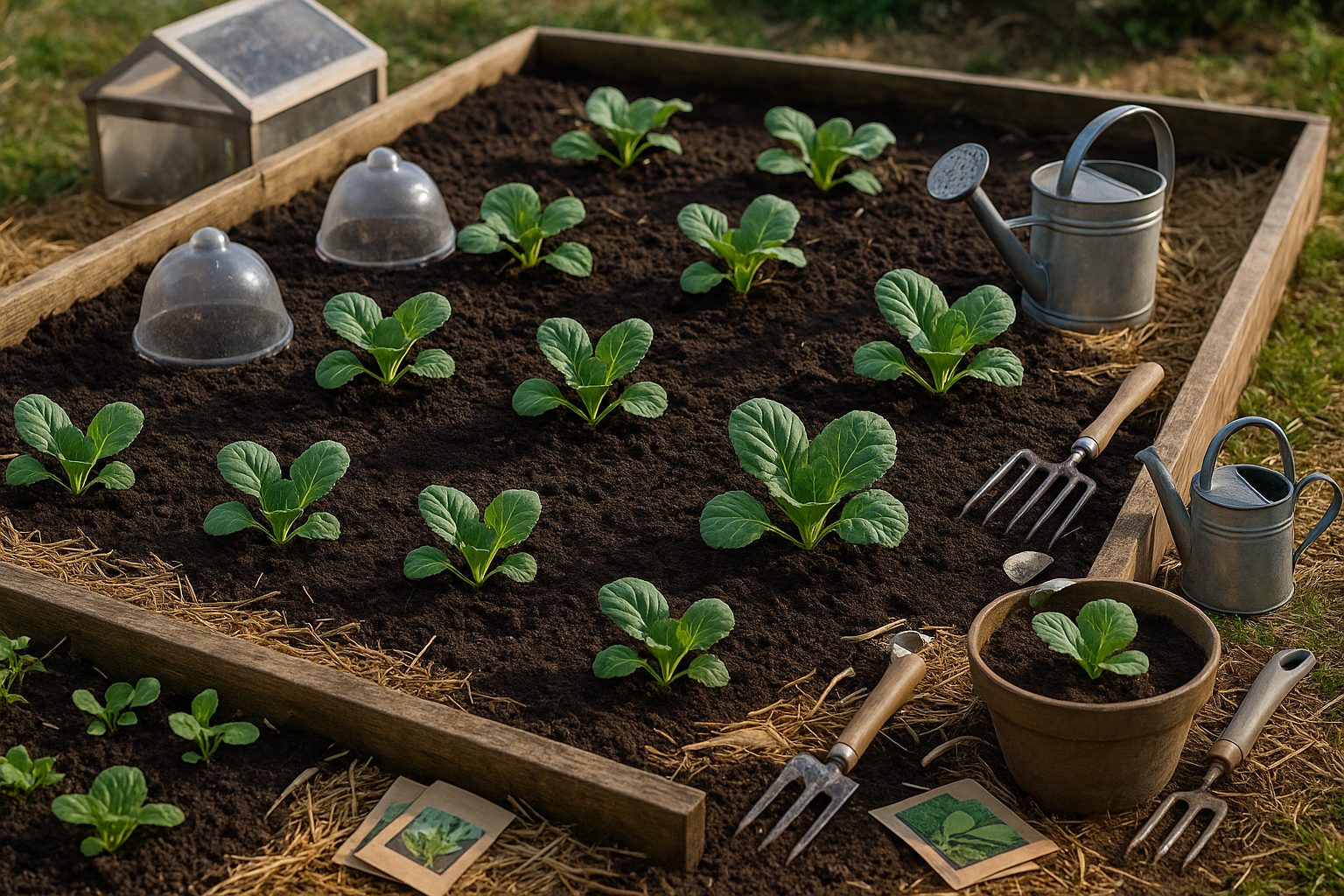
Getting your cabbage patch ready for winter starts with smart soil preparation, as healthy soil is the backbone of a successful cold-weather harvest. Aim for a fertile, well-draining plot; mixing in compost or aged manure a few weeks before planting boosts organic matter and nutrients, while working in some sand or fine gravel helps prevent waterlogging, which is a common issue in heavy winter soils.
Cabbage thrives best at a soil pH between 6.5 and 6.8, so consider using a simple soil test kit and adding garden lime if your soil is too acidic. For winter crops, sow seeds or transplant seedlings outdoors about 10 to 12 weeks before your first expected frost—early to mid-fall is ideal for most regions.
Sow seeds directly at a depth of ¼ to ½ inch, or plant sturdy seedlings slightly deeper than they were in their pots. Space each plant 12 to 18 inches apart to ensure good airflow and allow heads to fully develop. Sow seeds in rows 18 to 24 inches apart for easier access and maintenance.
If you want a steady winter supply, try succession planting by sowing small batches every two weeks over a month. To protect your young plants from sudden cold snaps or hungry pests, lay down a 2- to 3-inch layer of straw or leaf mulch to regulate soil temperature and retain moisture.
In harsher climates, use cloches, cold frames, or even upturned clear plastic bottles over seedlings at night for added insulation—just remember to remove covers during the day to prevent overheating. By nurturing your soil, timing your planting, and shielding seedlings from the elements, you set the foundation for robust, sweet winter cabbages that can thrive even as temperatures fall.
Caring for Winter Cabbage
Winter cabbage is surprisingly hardy, but it still thrives best with a little extra care as temperatures drop. When it comes to watering, less is more—cabbage needs much less water in winter since growth slows and soil tends to stay damper. Check the soil regularly and water only when the top inch feels dry; soggy roots are a common problem in colder months and can lead to rot.
Fertilizing is still important, though—once every four to six weeks with a balanced fertilizer will keep your plants healthy without causing a spurt of tender, cold-sensitive growth.
Winter pests like aphids and slugs can still pose a threat; routinely inspect leaves, remove pests by hand or use an organic insecticidal soap, and try placing crushed eggshells or diatomaceous earth around plants to deter invaders.
Don’t forget regular weeding, which helps reduce competition for nutrients—hand-pull weeds after watering or rainfall, when the soil is soft and removal is easiest.
To protect your winter cabbage against freezing temperatures, mulch the base of your plants with a thick layer of straw, leaves, or shredded bark. For especially harsh climates, row covers or garden fleece can provide an extra buffer from frost while still letting light and moisture through.
With these simple strategies, your cabbages can stay strong and vibrant all winter long.
Harvesting and Storing Your Crop
Knowing when to harvest your winter cabbage is key to ensuring the best flavor and storage life. Look for heads that feel firm and solid when squeezed; if they still have some give, give them a little more time to mature. Most varieties are ready to pick when the heads reach their mature size—usually six to eight inches across—or around 75 to 120 days after transplanting.
To harvest, use a sharp knife to cut each head away from the base, leaving a few outer leaves attached to help protect the head. Try not to tear or yank the plant, as this can damage the roots and encourage rot or pests in any remaining stems.
Once harvested, shake off any excess dirt but resist washing the cabbage until you’re ready to use it, since moisture can prompt spoilage.
Storage Tips
For storage, keep the heads in a cool, humid spot—ideally, a root cellar kept between 32°F and 40°F with high humidity. Alternatively, a crisper drawer in your fridge or an insulated garage can work in a pinch.
Wrap individual heads in newspaper or perforated plastic to reduce water loss, and check them regularly for soft spots or decay. When properly stored, winter cabbage can last for three to four months or even longer, making it a staple for hearty winter meals.
Remember to use any damaged or bruised heads first, as they won’t keep as long as unblemished ones.
“`html
Common Problems & Solutions
Winter cabbage growers often face a range of challenges, but with a few practical strategies, you can keep your crop healthy and productive.
Frost Injury
Frost injury is common, especially during prolonged cold snaps. While cabbage is hardy, young plants can still be damaged. Use row covers or mulch to add extra insulation on especially cold nights.
Pests
Pests like aphids and cabbage loopers thrive even in winter. Check leaves weekly and handpick visible insects or spray plants with a diluted solution of neem oil to deter infestations.
Fungal Diseases
Fungal diseases such as downy mildew or black rot may still occur in wet winters. Water early in the day to allow foliage to dry, and space plants well for good airflow.
Premature Bolting
Premature bolting, when cabbage sends up flower stalks early, is often triggered by sudden warm spells or transplant shock. To minimize this risk, plant only cold-tolerant cabbage varieties and transplant seedlings on cool, overcast days. If you see signs of bolting, harvest affected plants promptly, as they’ll stop forming heads.
Troubleshooting Winter-Specific Issues
Careful monitoring is key. Remove yellowing or damaged leaves to limit disease spread, rotate crops every season to break pest cycles, and keep your garden tidy by clearing away plant debris that might harbor pests or spores.
By staying attentive and making a few simple adjustments, you can overcome most winter cabbage setbacks and enjoy healthy, robust heads at harvest time.
“`
Conclusion: Winter Cabbage in Your Garden Plan
Adding winter cabbage to your garden plan is a smart way to keep your beds productive during the coldest months. Not only does cabbage thrive in chilly weather, but it also improves your soil health by breaking disease cycles when rotated with other vegetables.
Growing winter cabbage provides you with fresh, nutritious greens when most other crops are out of season, saving you trips to the grocery store and boosting self-sufficiency. Remember, timing is key—start your transplants in late summer, and choose hardy varieties suited for your climate. Mulching helps insulate roots and preserve moisture through frosts.
One great lesson from growing cabbage is the importance of crop rotation: avoid planting it immediately after other brassicas, and instead pair it with root crops like carrots and parsnips or leafy greens such as kale and spinach. These cold-hardy companions not only maximize your harvests but also restore vital nutrients to your garden beds.
Embracing winter cabbage and its resilient allies ensures a continuous, varied supply of homegrown produce, making your gardening routine more sustainable and rewarding all year long.