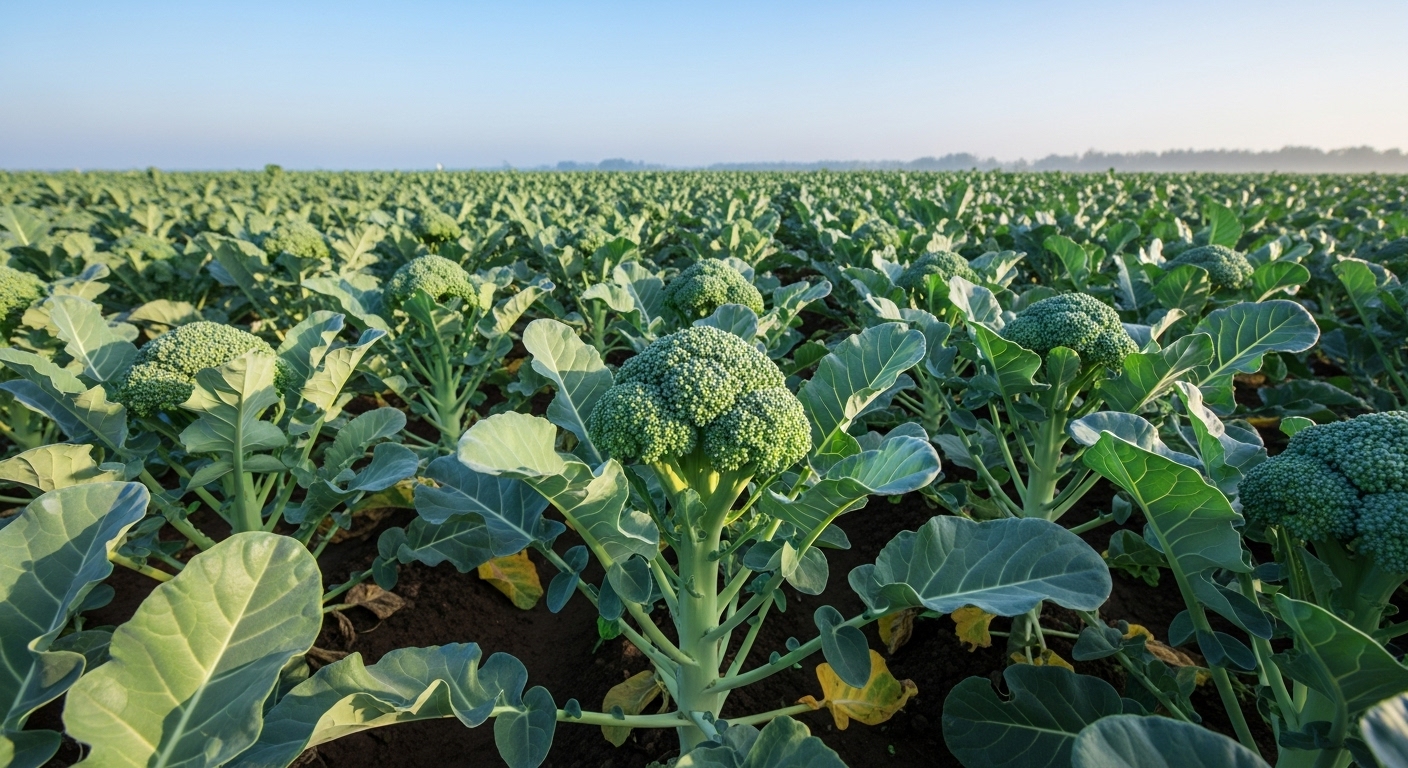
Introduction to Broccoli Diseases
broccoli diseases can quickly turn a thriving garden or profitable field into a source of frustration for growers of all scales. As one of the world’s most nutritious and widely loved vegetables, broccoli holds an important place in both home gardens and large-scale agriculture. Its crisp florets and rich vitamin content make it a staple in kitchens and a valuable commercial crop. But just like any plant, broccoli isn’t immune to setbacks—diseases can strike at any stage, threatening yields, quality, and even your hard-earned gardening efforts.
For home gardeners, encountering strange spots on leaves or wilting plants can be confusing and discouraging. For commercial producers, outbreaks of broccoli diseases can mean costly losses, rejected shipments, and damage to reputation. From fungal leaf spots that spread in humid weather to soil-borne pathogens that linger season after season, understanding the risks is the first step in staying ahead of these challenges. Even gardeners with years of experience can find themselves surprised by how quickly a disease can take hold and spread if unnoticed.
In this post, you’ll learn how to identify the most common broccoli diseases and the signs you should never ignore, whether you grow a few heads or harvest by the acre. We’ll break down simple prevention techniques—like crop rotation or choosing the right varieties—and management strategies tailored to both beginners and seasoned growers. Real-world tips, such as improving air circulation or using organic treatments, will help you take practical action. By the end, you’ll be better prepared to protect your broccoli plants, ensuring healthier harvests and more dependable results, season after season. Let’s dig into the essential knowledge that will keep your broccoli strong and productive, no matter what threats appear.
How to Identify Common Broccoli Diseases
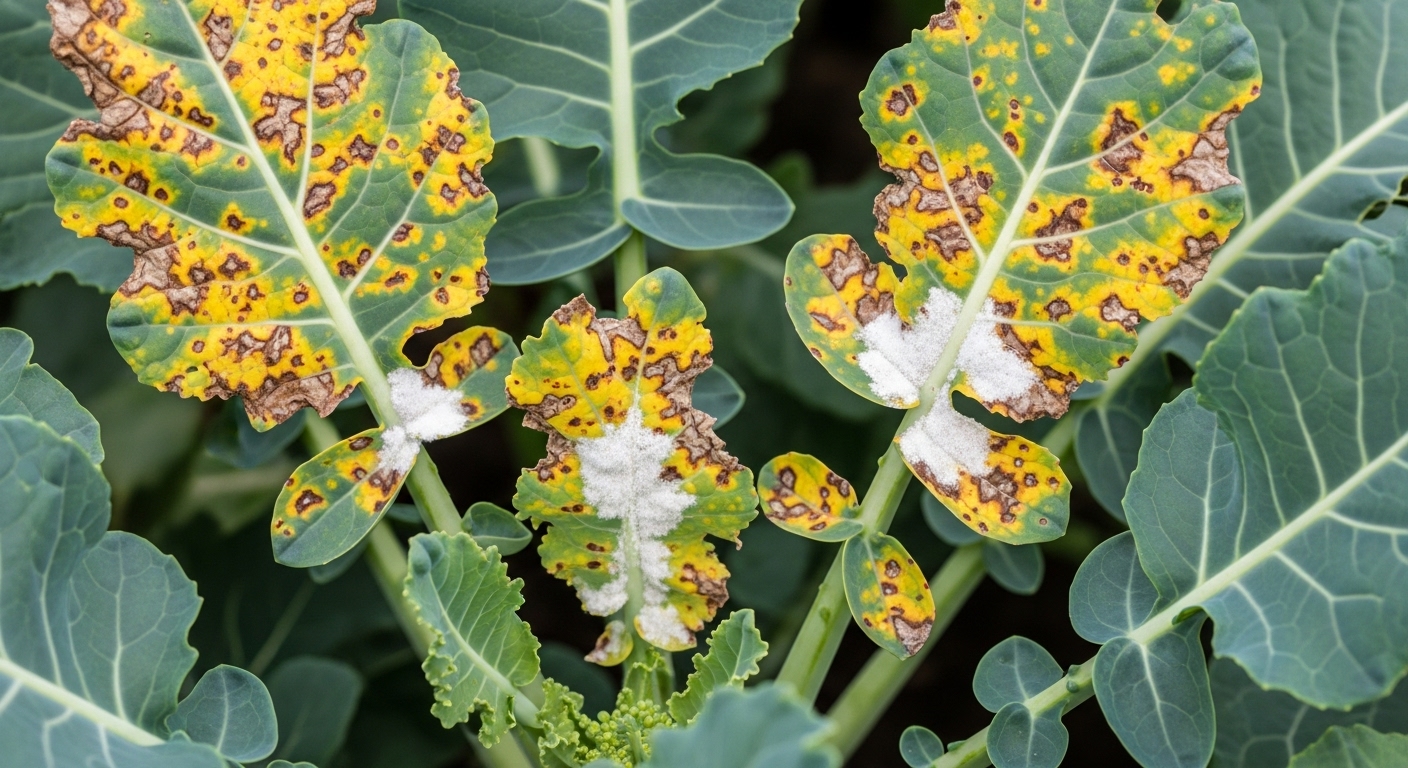
Spotting early signs of disease in your broccoli patch can save you a lot of trouble down the line. One of the first things to look for is unusual leaf spots—yellow, brown, or black spots may appear on the leaves, often surrounded by a yellow halo. These are telltale symptoms of fungal infections like downy mildew or bacterial issues like black rot.
If you notice the leaves turning limp or wilting even though the soil is moist, that’s another red flag, often caused by root diseases like clubroot (fungal) or bacterial soft rot. Keep an eye out for stem discoloration, such as dark streaks or mushy patches at the base of the plant, which can signal serious underlying infections.
Fungal diseases usually show up as powdery or fuzzy growths on the underside of leaves and thrive in damp, humid weather. Bacterial diseases, on the other hand, often cause water-soaked or greasy lesions that quickly spread during wet conditions.
Viral infections are a bit trickier to spot—they often lead to distorted growth, mottled or mosaic leaf coloring, and stunted plants rather than obvious spots or rot.
A simple but effective tip is to regularly inspect your plants in the morning when symptoms are most visible and remove any suspicious leaves immediately. Early detection means you can intervene with targeted treatments like fungicides, improved air flow, or crop rotation before the disease spreads. This not only protects your current crop but also helps prevent issues for future plantings.
Remember, keeping your tools and hands clean while working among your broccoli plants can also limit the spread of pathogens. By learning to recognize these warning signs and acting quickly, you give your broccoli the best chance to thrive all season long.
Major Fungal Diseases of Broccoli
Growing healthy broccoli can be challenging due to several major fungal diseases, each with unique symptoms and management needs.
Alternaria Leaf Spot
Alternaria leaf spot typically appears as small brown or black spots with concentric rings on older leaves and stems. It spreads through infected seed, debris, and splashing rain, thriving in humid, warm weather. To manage Alternaria, use disease-free seeds and rotate broccoli with non-cruciferous crops.
Downy Mildew
Downy mildew shows as yellow patches on upper leaves and white, downy growth underneath. It favors cool, moist environments and spreads via windborne spores. Prompt removal of infected leaves and good air circulation help reduce risk.
Black Rot
Black rot, often thought of as bacterial but sometimes exacerbated by fungi, is recognized by V-shaped yellow lesions starting at leaf edges and progressing inward. It is mainly spread by contaminated water, debris, and handling. Use resistant varieties and avoid overhead watering to control its spread.
Clubroot
Clubroot causes stunted growth and swollen, distorted roots, preferring acidic, poorly-drained soils. It easily moves through water or soil on tools. Liming the soil to raise pH above 7.2 can help suppress clubroot.
Fusarium Yellows
Fusarium yellows causes gradual yellowing and wilting, sometimes with browning seen in the water-conducting tissue inside the stem. It spreads through soil and plant debris in warm, dry weather. Planting resistant varieties and practicing long crop rotations are key defenses.
Powdery Mildew
Powdery mildew produces white, powdery spots on both leaf surfaces and thrives during dry, warm periods but heavy dew. It transmits via air currents. Applying fungicides early and increasing plant spacing to allow airflow can keep outbreaks in check.
Monitoring your broccoli regularly and combining cultural, genetic, and chemical controls means you’ll stand a much better chance of heading off these common fungal foes before they impact your harvest.
Soil- and Waterborne Diseases
Seedlings are especially vulnerable to soil- and waterborne diseases, with damping-off and wirestem being among the most common threats in gardens and nurseries. Damping-off is caused by fungi like Pythium and Rhizoctonia, which attack young seedlings at or below the soil line, causing them to wilt, collapse, and die rapidly.
Wirestem, often caused by the same pathogens, results in dark, constricted stems that become thin and “wire-like,” making seedlings prone to bending over and failing to thrive.
Both diseases thrive in wet or poorly drained soils where excess moisture remains around roots, creating the perfect breeding ground for pathogens.
Factors That Increase Risk
- Overwatering
- Overcrowding seedlings
- Using dirty trays
- Planting seeds in garden beds with poor airflow
How to Protect Your Seedlings
It’s essential to start with clean, sterile soil mixes—these are widely available at garden centers and kill most harmful organisms. If you’re reusing containers, scrub them with hot soapy water or a diluted bleach solution to eliminate lingering spores.
Water seedlings only when the soil surface feels dry to the touch instead of following a strict schedule. This helps avoid soggy conditions where diseases thrive. Good drainage is key, so ensure pots and trays have holes and don’t let excess water sit in saucers beneath them.
Giving seedlings enough space to breathe can also make a big difference—avoid sowing them too thickly, as crowded conditions can foster disease spread. Lastly, consider using a small fan to boost airflow in indoor growing areas, which helps keep foliage dry and discourages fungal infections.
With these practical steps, you can significantly reduce the risk of damping-off, wirestem, and other seedling diseases, leading to healthier, more vigorous young plants.
Viral Diseases Affecting Broccoli
Viral diseases such as Mosaic virus can be particularly troublesome for broccoli growers, as these pathogens often present symptoms distinct from those caused by fungi or bacteria. Unlike fungal or bacterial infections, which may cause wilting, rot, or visible mold, viral infections typically result in mottled or yellowed leaves, stunted growth, and distorted leaf shapes.
One telltale sign of Mosaic virus is a patchy or “mosaic-like” pattern on the leaves, which can severely limit the plant’s ability to photosynthesize and produce healthy heads. Viruses generally spread through insect vectors like aphids, thrips, or leafhoppers rather than through water or soil; these pests feed on infected plants and then carry the virus to healthy ones as they move through the garden.
Managing Viral Diseases in Broccoli
To minimize the risk, focus on robust pest management:
- Regularly inspect your broccoli for insect activity.
- Use row covers or insecticidal soaps as needed.
- Remove and destroy any infected plants promptly, as there’s currently no cure for viral diseases in broccoli.
- Practice crop rotation and weed control, since many viruses can also survive on common weeds nearby.
By staying vigilant and prioritizing prevention, you can significantly reduce the impact of viral diseases and keep your broccoli crop healthy.
Integrated Disease Management Strategies
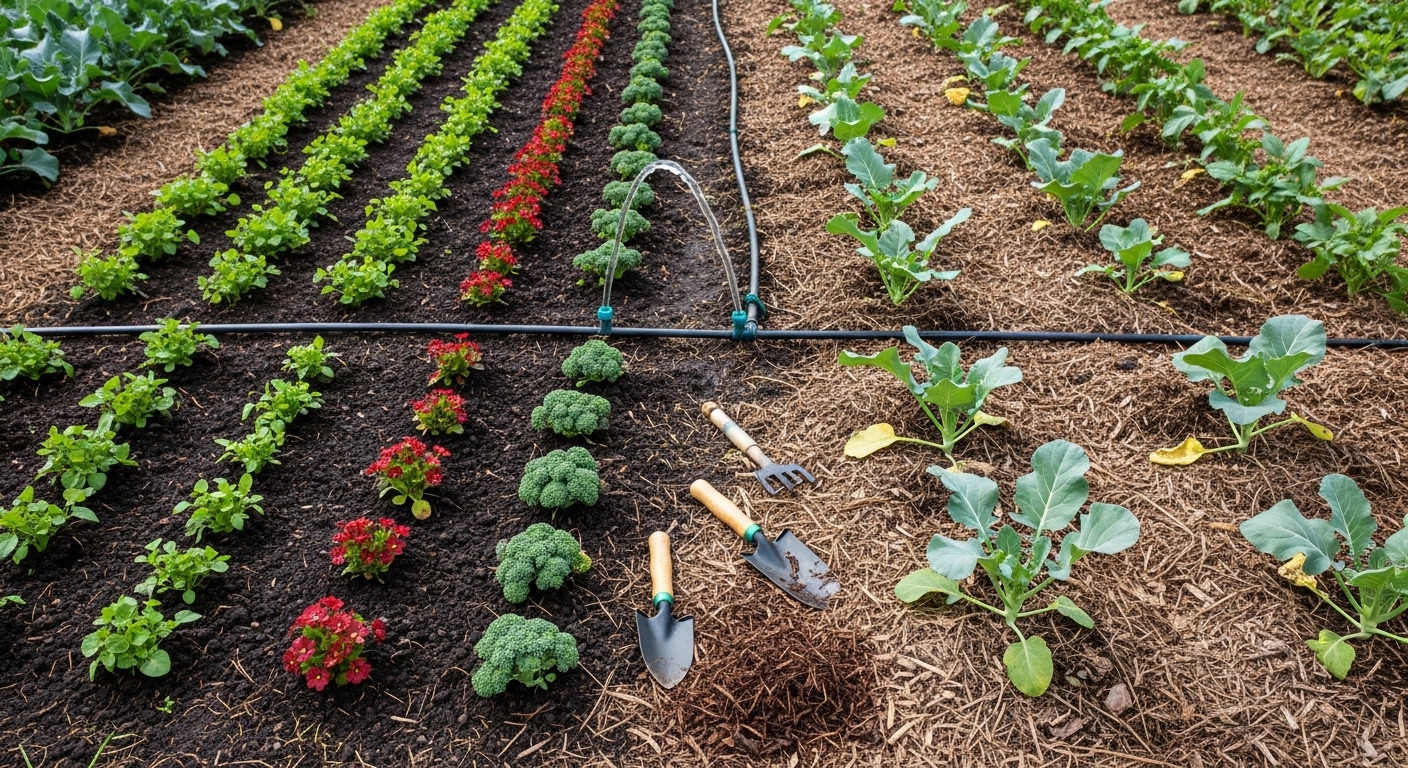
Integrated disease management (IDM) combines a variety of complementary tactics to protect crops, combat plant diseases, and reduce reliance on chemical pesticides. A simple but effective starting point is crop rotation—avoiding planting the same crop in one spot season after season helps break disease cycles and starve out specialized pathogens.
Keeping fields clean through good sanitation practices, like removing plant debris and weeds that can harbor disease, is another essential step. Choosing disease-resistant crop varieties whenever possible provides built-in protection and reduces the need for later interventions.
Water management also plays a major role; techniques like drip irrigation or watering early in the morning help prevent prolonged leaf wetness, making it harder for many pathogens to thrive. Regular scouting is vital—walk your fields often to catch early signs of disease and promptly remove infected plants before problems spread.
When control measures are necessary, consider starting with organic options such as neem oil, compost teas, or copper-based sprays, always rotating products to delay resistance. Chemical fungicides may still have a place but should be used sparingly and only as part of an integrated plan focused on long-term prevention.
The real strength of IDM lies in combining these approaches. For example, rotating crops, using resistant varieties, maintaining good field hygiene, practicing judicious irrigation, and applying targeted treatments as needed. By blending cultural, biological, and chemical methods, you can keep disease pressure low, sustain healthy crops, and protect both your yields and the environment over the long run.
Conclusion: Keeping Broccoli Crops Healthy
Keeping your broccoli crops healthy relies on constant vigilance and a proactive mindset toward disease prevention. Monitoring your garden regularly allows you to spot early warning signs—like yellowing leaves or spots—before problems escalate. Using proven techniques such as crop rotation, spacing plants for proper airflow, and promptly removing plant debris can help stop diseases before they start.
Incorporate organic mulch to keep moisture levels balanced and deter fungal issues; companion planting with herbs like dill or chamomile can also naturally boost your plants’ resilience. Remember, there’s no one-size-fits-all solution—combining several methods gives your broccoli the best chance against pests and disease.
Don’t be discouraged by occasional setbacks; every season is an opportunity to improve and learn. By staying attentive and trying different preventative measures, you set yourself up for bountiful and healthy broccoli harvests. Celebrate each head you grow—it’s a sign of your commitment and the rewarding results of your efforts.
With patience, care, and a multifaceted approach, you can look forward to plentiful, delicious broccoli straight from your own garden.