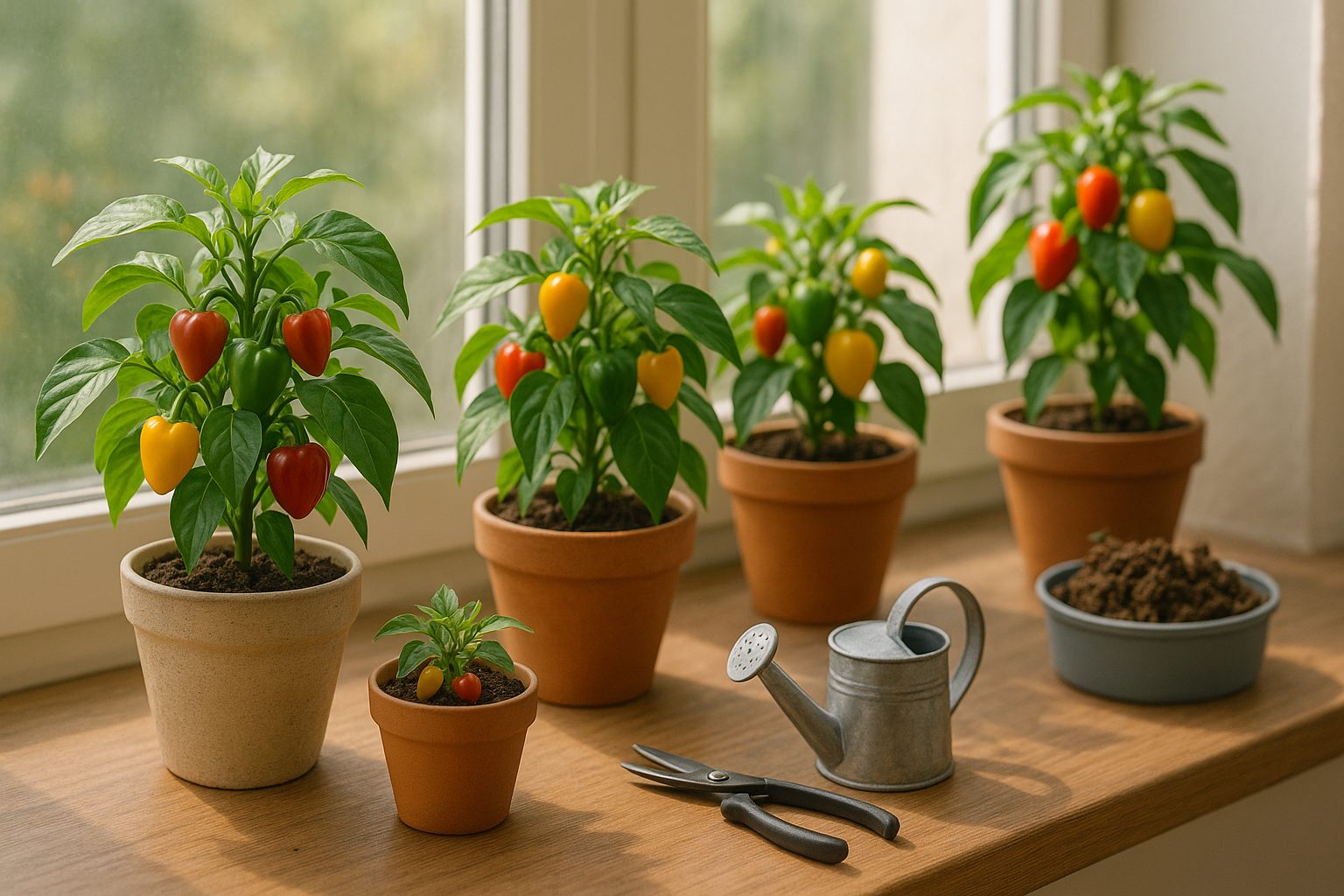
Choosing the Right Pepper Varieties and Containers
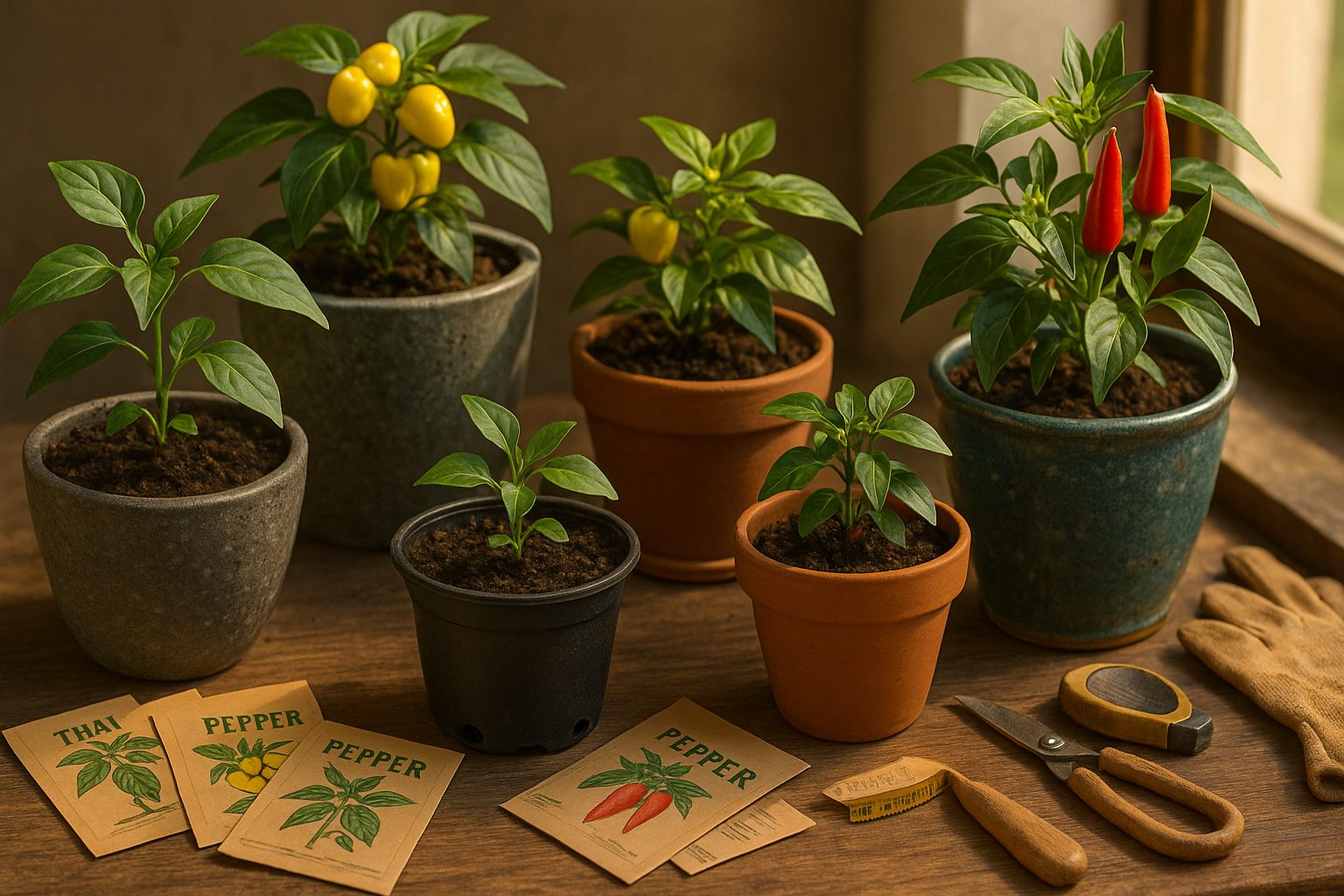
If you’ve ever wondered about growing bell peppers indoors, you’re not alone—more and more garden enthusiasts are turning kitchen counters and sunny windowsills into mini pepper patches. The secret to thriving indoor peppers? Start by choosing compact and dwarf varieties.
Smaller plants like mini bell and Thai chili not only fit easily on windowsills or shelves, but they also require less space to mature and are quicker to fruit. These varieties are naturally adapted to confined spaces and tend to produce generously even in smaller containers, making them ideal for an indoor setup.
When selecting peppers for your indoor garden, look for names like ‘Mini Bell’, ‘Sweet Chocolate’, or ‘Thai Chili’. These varieties are bred for manageable size and abundant harvests. Dwarf varieties such as ‘Jingle Bells’ or ‘Baby Belle’ are also favorites because they pack all the flavor and color of their larger cousins into a compact plant that won’t take over your living space.
Container choice is just as important. Pick pots that are at least 8-10 inches deep and wide—large enough for root room but easy to move around. Ceramic or thick plastic planters hold moisture well, but whatever you choose, make sure it has drainage holes; peppers hate soggy roots.
Place your containers where your plants will receive at least 6-8 hours of sunlight daily—south-facing windows work best, or supplement with a grow light in low-light homes. Rotate your pots every few days to ensure even sunlight, and you’ll encourage strong, healthy pepper plants perfect for indoor harvesting.
Ideal Soil, Light, and Temperature Conditions
Pepper plants thrive when provided with the right soil, light, and temperature—the foundation for healthy growth and bountiful harvests. Start with a potting mix that’s light, fluffy, and well-draining; avoid dense garden soils that trap water and cause root rot. Look for a mix containing ingredients like peat moss or coco coir for moisture retention, plus perlite or vermiculite to keep things airy. Adding compost or a slow-release organic fertilizer gives pepper plants the nutrients they need for strong blooms and fruit.
When it comes to light, these sun-lovers require at least six to eight hours of bright light each day. Place pots near a south- or west-facing window to capture the most sun, rotating them occasionally for even growth. If good sunlight is scarce, supplement with an LED grow light positioned a few inches above the plants—this keeps peppers happy indoors, especially during winter or cloudy spells.
Temperature is just as important: peppers prefer warmth, ideally between 70–85°F (21–29°C) by day and not dipping below 60°F (16°C) at night. A consistent indoor environment helps them avoid stress and drop fewer flowers.
Indoor air can be dry, which isn’t ideal since peppers like moderate humidity. To boost humidity, try placing a shallow tray of water near your plants, misting the leaves regularly, or grouping pots together to create a microclimate. These small tweaks go a long way in keeping your pepper plants lush and productive, no matter the season.
Planting, Watering, and Fertilizing Techniques
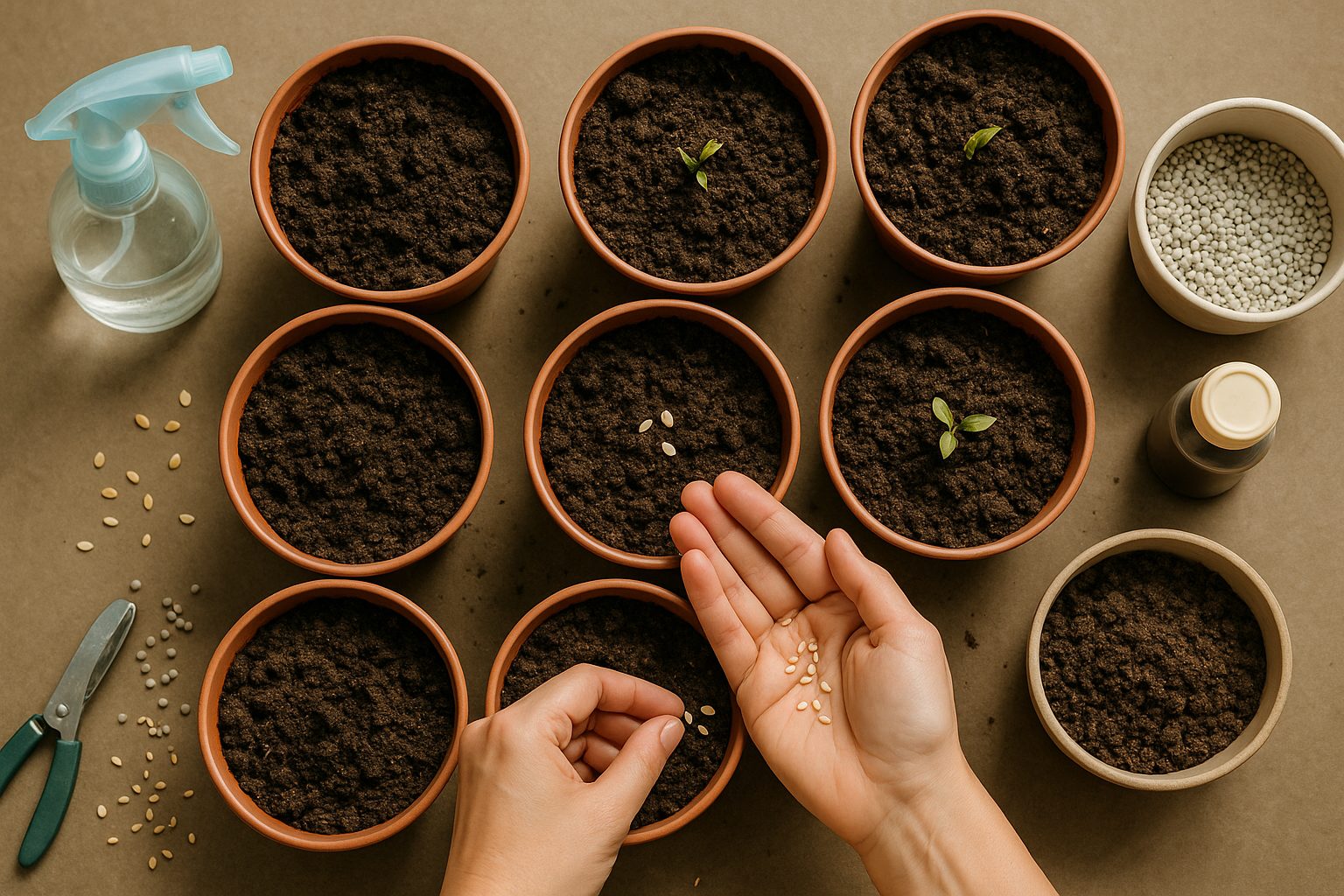
When starting your indoor pepper garden, you can either sow seeds directly or use transplants, each with its own benefits. Seed starting allows for more variety and control—just be sure to plant seeds in a seed-starting mix about eight weeks before your last frost date, keep them warm (70-80°F), and provide plenty of light to prevent leggy growth.
If you prefer quicker results or are new to growing peppers, purchasing healthy transplants from a nursery might be easier. Look for compact, robust seedlings with dark green leaves, and avoid any with yellow spots or spindly stems.
Once established, peppers need consistent but careful watering. Let the top inch of soil dry out before watering again to help prevent soggy soil and root rot. Consider using a tray beneath pots to catch excess water, but remember to empty it after watering to avoid waterlogged roots.
When it comes to feeding, indoor peppers thrive with a balanced liquid fertilizer—for example, a 10-10-10 formula—applied at half-strength every two weeks from transplanting through fruit production. Watch for pale leaves or poor growth, which can signal nutrient deficiency. If this happens, supplement with a diluted solution of fish emulsion or compost tea.
Remember that too much fertilizer can burn young roots, so always follow label instructions and err on the side of caution. With these steps, your indoor peppers will have a solid foundation for healthy growth and high yields.
Care, Pruning, and Pollination
Keeping indoor pepper plants healthy means staying vigilant against pests and diseases, which can thrive in the stable indoor environment. Watch your plants closely for signs of trouble such as yellowing leaves, sticky residue, or tiny bugs like spider mites, aphids, and whiteflies. If pests appear, gently wash the leaves with soapy water or use insecticidal soap, and isolate affected plants to prevent spreading.
For diseases like powdery mildew, increase air circulation and avoid overhead watering. Regular cleaning of pots and tools is essential to minimize risks.
Pruning is another key part of indoor pepper plant care—snip off crowded inner stems and any yellowing or damaged leaves to encourage airflow and reduce pest hiding spots. When your plant is about six inches tall, pinch off the growing tip just above a set of leaves to promote bushier, more productive growth. You can also stake taller varieties or gently tie branches to support them as they grow.
Because indoor conditions lack natural pollinators, hand-pollinating is crucial for fruit set. Use a small paintbrush or cotton swab to transfer pollen from flower to flower, gently brushing inside each bloom every couple of days while flowers are open. A gentle shake of the plant can also help disperse pollen if you’re short on time.
Regularly practicing these care, pruning, and pollination strategies will keep your indoor pepper plants robust and loaded with tasty peppers.
Troubleshooting and Overwintering
Indoor pepper growers often encounter issues like yellowing leaves, blossom drop, and sluggish growth, but these can usually be fixed with careful attention to your plant’s environment.
Yellow leaves often signal overwatering, poor drainage, or a nutrient deficiency—consider letting the soil dry slightly between waterings, ensuring your pot has good drainage, and using a balanced fertilizer.
Blossom drop can occur when temperatures fluctuate or humidity is too low; try moving your plant away from drafts and misting the leaves or setting a tray of water nearby to boost humidity.
Slow growth is typically linked to insufficient light, so place your peppers under bright, direct sunlight or supplement with a full-spectrum grow light for 12-16 hours a day.
To solve common issues indoors, maintain daytime temperatures around 70-80°F and nighttime temperatures above 60°F; peppers dislike being too cold or too dry. If your space tends to be dry in winter, a small humidifier can make a big difference.
For overwintering—keeping mature pepper plants alive year-round—move pots indoors before the first frost, prune back about one-third of the foliage to reduce stress, check for pests, and gradually adjust your plant to indoor conditions.
With proper care, peppers can keep producing indoors, letting you enjoy fresh harvests even in the depths of winter.
Harvesting and Storage Tips
Harvesting indoor peppers at the right time can make all the difference in both flavor and overall plant productivity. For maximum taste, wait until peppers develop their mature color—whether that’s vibrant red, sunny yellow, or glossy green—before picking.
Gently twist and pull or use clean scissors to avoid damaging the plant or nearby stems, which helps keep the plant healthy and encourages more fruit to grow. When handling hot peppers indoors, always wear gloves and avoid touching your face, especially your eyes; capsaicin oils can linger on your skin and cause irritation.
After harvest, proper storage is key to preserving both the taste and shelf life of your peppers. If you plan to use them within a week, simply keep peppers in a paper bag inside your refrigerator’s vegetable drawer. For longer storage, consider freezing chopped peppers in airtight containers, or air-drying whole peppers on a mesh rack in a well-ventilated area.
Avoid using sealed plastic bags for fresh storage as they trap moisture and can lead to spoilage. Whichever storage method you choose, be sure to label your peppers by type and date, so you can enjoy your indoor harvest to the fullest all year long.
Frequently Asked Questions About Growing Peppers Indoors
One common question is, “How much light do indoor peppers need?” Peppers thrive with at least 12–16 hours of bright, direct light, so using a full-spectrum grow light placed 6–12 inches above the plants is often essential, especially in winter.
Another worry is, “Why are my pepper leaves turning yellow?” This usually happens due to overwatering or poor drainage—let the top inch of soil dry out before watering, and always use a pot with drainage holes.
Beginners also ask, “How can I pollinate my indoor pepper plants?” Since there’s little wind or insects indoors, gently shaking the plant or using a small paintbrush to transfer pollen from flower to flower usually gets the job done.
Lastly, if peppers aren’t setting fruit, try increasing humidity slightly or check that temperatures stay between 65–80°F—indoor environments can get too dry or cold.
With these quick fixes, most indoor pepper problems resolve quickly, leaving you with healthy plants and a tasty harvest.