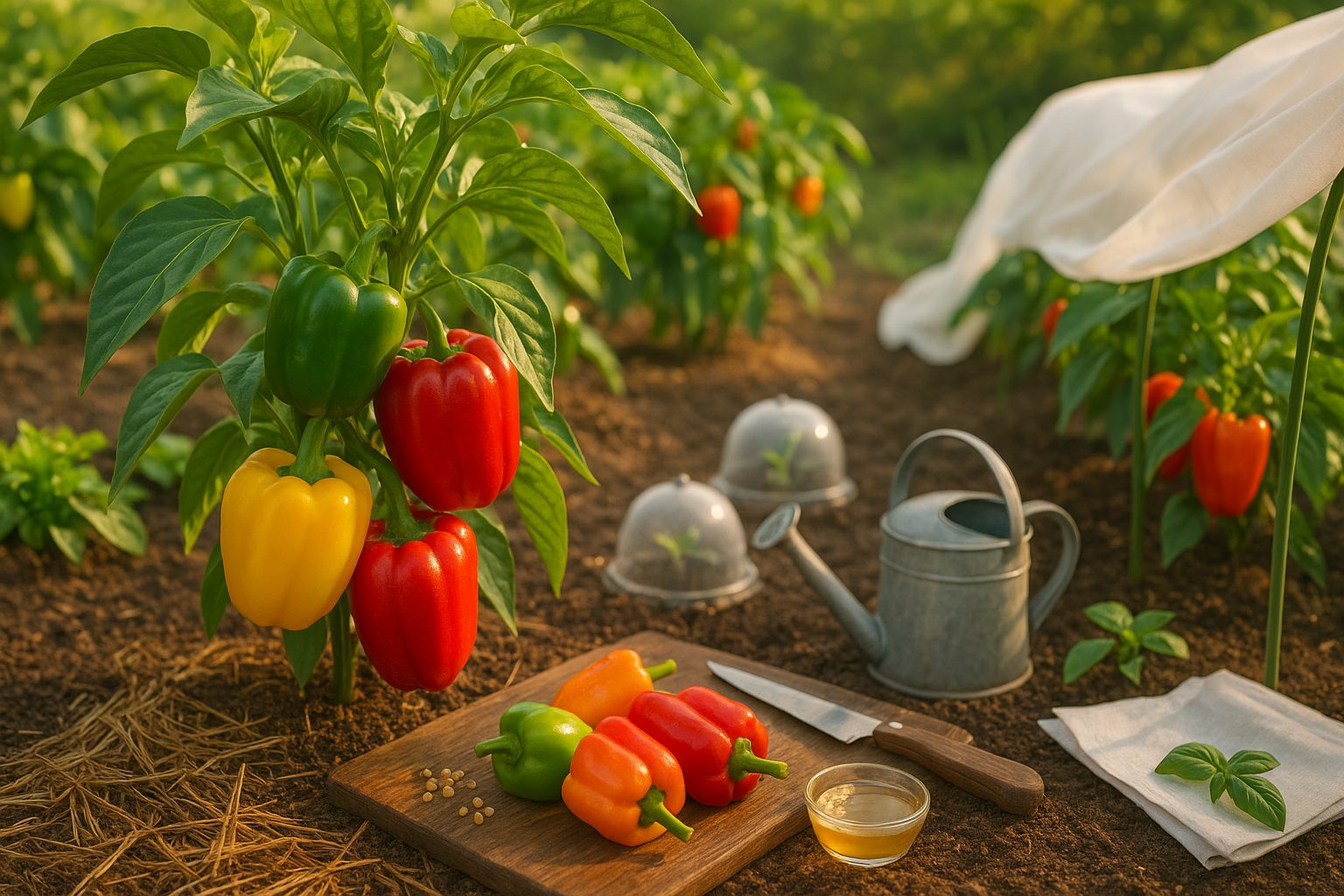
Understanding Ideal Temperatures for Growing Peppers
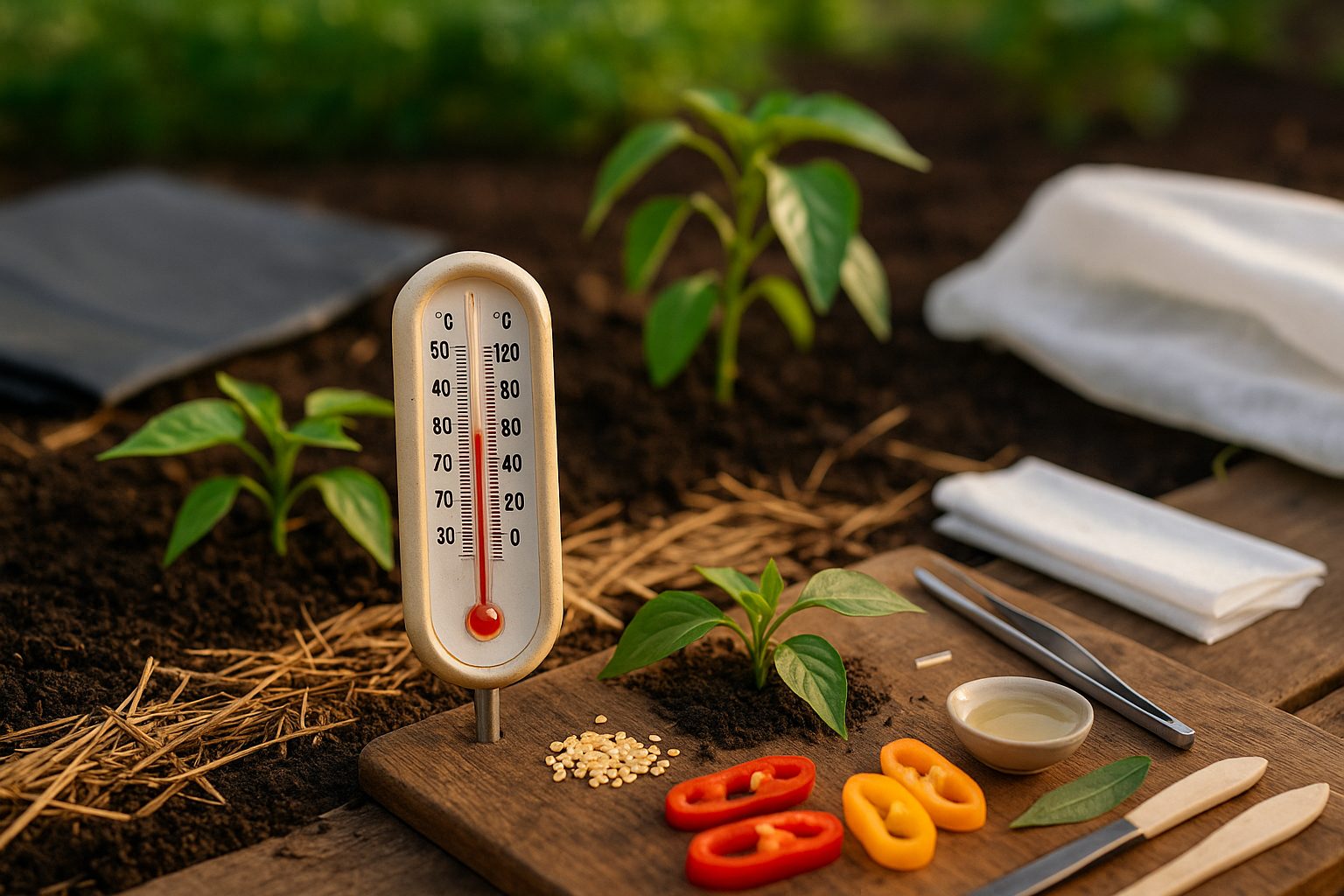
If you’ve ever tried growing bell peppers in cold weather, you know just how tricky it can be to keep these vibrant veggies thriving despite unpredictable temperatures. Bell peppers prefer a warmer environment, especially during key growth stages. For successful germination, they need soil temperatures between 70°F and 85°F; colder soil, even just below 65°F, can slow or halt sprouting.
As bell peppers move into vegetative growth, daytime air temperatures between 70°F and 80°F are ideal, while night temperatures should not dip below 55°F. They’re especially sensitive to cold snaps—chilly nights can stunt growth, cause leaf curling, and reduce overall vigor.
Temperature Needs During Fruiting
When it comes to fruiting, bell peppers demand consistency: optimal daytime temperatures hover between 75°F and 85°F, with nights staying above 60°F. Prolonged cool spells, even just a few degrees below this range, can result in poor fruit set or misshapen peppers.
Unlike hot peppers, which generally tolerate and even thrive in slightly warmer conditions (with some varieties coping with nights down to 50°F), bell peppers are less forgiving of the cold. There are “cool weather” pepper cultivars bred for hardiness, but even these still need protection—think row covers, plastic mulch, or planting near heat-absorbing walls—to fruit reliably in colder areas.
Dealing with High Temperatures
On the flip side, temperatures consistently above 90°F can also stress pepper plants of all types, leading to blossom drop and sunscalded fruit.
Practical Tips for Growing Peppers in Cold Weather
- If your nights are chilly, try starting seeds indoors and transplanting once the weather stabilizes.
- Use protective structures in the garden to shield plants from cold snaps.
- Keep an eye on local forecasts and adapt your care accordingly.
By following these strategies, you can give your bell peppers the best chance at a bountiful, healthy harvest—even in cold weather.
Signs Your Pepper Plants Are Experiencing Temperature Stress
Temperature stress in pepper plants can sneak up quickly, showing signs like curled or wilted leaves, dropped blossoms, and slowed or stalled growth. If your pepper plants are dealing with heat stress, you’ll often notice leaves curling inward, developing scorched edges, or turning pale, especially during prolonged hot spells above 90°F (32°C). Blossoms may drop before fruit sets—a classic sign that the plant is too hot to support reproduction.
In contrast, cold stress usually shows as drooping leaves that may darken or appear water-soaked. Growth will noticeably slow or stop if nighttime temperatures dip below 55°F (13°C). Light frost can turn leaves or stems black and mushy almost overnight.
If you spot these symptoms, act fast:
- For heat stress: Provide temporary shade using garden fabric or an old sheet during peak sun hours, and water your plants in the early morning to help roots access moisture without increasing humidity around the foliage. Mulching can also help retain soil moisture and stabilize temperatures.
- For cold snaps: Protect your peppers with row covers, plastic tunnels, or even overturned buckets overnight. Move potted peppers indoors or into a sheltered spot if possible.
Catching and addressing temperature stress early can mean the difference between a slow season and a successful, pepper-filled harvest.
Environmental Factors That Impact Pepper Plant Temperatures
Environmental factors play a major role in how pepper plants manage their temperatures and, ultimately, their growth and fruit production. Sunlight is one of the most important elements—while peppers require plenty of it, excessive direct midday rays can cause leaves and soil to overheat, leading to wilting or stress. Providing afternoon shade with nearby taller plants or shade cloth can protect peppers during heatwaves.
Wind also influences temperature by increasing evaporation from both the soil and plant leaves, which can cool plants but also lead to moisture loss and an increased need for watering. Strategic hedges or windbreaks can help shield peppers from harsh gusts without blocking sunlight.
Humidity matters, too; low humidity accelerates water loss, while high humidity may curb heat stress but create disease risks. Ensuring good air circulation around plants is crucial—especially in greenhouses.
Soil conditions have a substantial effect as well: dark, dense soils can trap heat, raising root temperatures, while organic mulch can moderate these swings by insulating roots from extreme heat and keeping moisture stable.
Microclimates—small zones in your garden or greenhouse with different temperature, light, or wind conditions—offer both challenges and opportunities. For instance, a bed next to a south-facing wall may warm up faster in spring, giving peppers a head start, while a low spot might hold cold air and stunt growth.
When choosing a site to plant peppers, look for areas with morning sun and afternoon shade, protection from strong winds, well-draining yet moisture-retentive soil, and opportunities to use mulch or row covers to buffer sudden temperature swings. With a little observation and smart site selection, you can create a stable environment that keeps pepper plants thriving, even when the weather is unpredictable.
Practical Strategies to Control and Optimize Temperatures
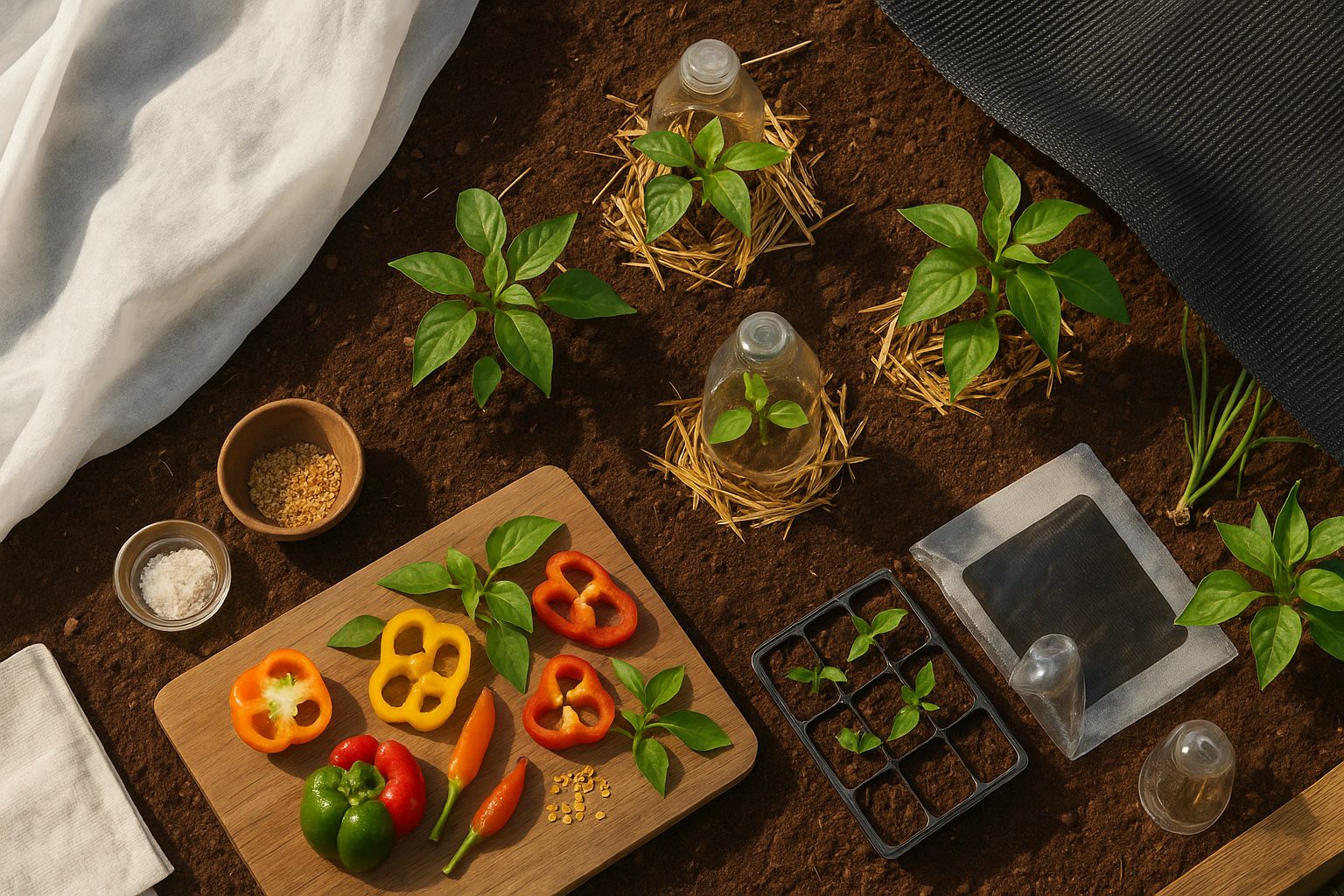
Protecting your pepper plants from sudden cold snaps starts with covering them; lightweight fabric row covers work well to trap warmth while still letting in light and air. Secure these over your beds on chilly nights and remove them when temperatures rise.
Individual plants can also benefit from cloches—simply upturned plastic bottles, milk jugs, or commercially available domes—that create a miniature greenhouse right over the seedling.
For gardeners in regions with short or unpredictable springs, starting pepper seeds indoors is a smart move. Sowing seeds under grow lights six to eight weeks before your last frost date ensures you’ll transplant robust seedlings outdoors only when consistent warmth arrives.
On the flip side, peppers suffer when days are excessively hot. To shield them from heat stress, consider using shade cloths on the hottest afternoons, which filter harsh sunlight and help keep plants cooler.
Applying a thick layer of organic mulch, like straw or shredded leaves, around the base of plants conserves soil moisture and evens out temperature swings. Smart plant spacing also matters; allow enough room for air to circulate, which helps dissipate excess heat and prevents foliage from overheating.
If you’re looking for even more control, growing peppers in containers is highly effective. Pots can be shifted to shadier spots during extreme heat or moved indoors if a surprise frost threatens, giving you complete flexibility to adapt to weather changes.
By staying proactive with these strategies—row covers for frosty nights, mulch and shade for scorching days, and containers for maximum adaptability—you can shield your pepper plants from temperature extremes and set them up for a season of steady, healthy growth.
Pepper Care Tips for All Seasons
Caring for pepper plants year-round means paying close attention to the season and your local climate. In early spring, when cool temperatures linger, hold off on transplanting peppers outdoors until nighttime lows consistently stay above 55°F — peppers hate the cold! If a late frost threatens, cover young plants with fabric or cloches overnight.
As summer heat builds, water deeply but less often, letting the soil dry just a bit between waterings to prevent root rot; mulch can help retain moisture and keep roots cool. Fertilize with a balanced or slightly phosphorus-heavy blend at the beginning of the season to encourage strong roots and flowering, but reduce feeding during extreme heat to avoid stressing the plants.
In very hot climates, provide shade cloth or temporary screens during heatwaves to shield peppers from sun scorch. Prune for airflow by removing lower leaves or non-productive stems—this helps combat humidity-related disease and improves ripening.
As autumn arrives, trim back any new growth that won’t have time to mature, and harvest fruits before nighttime temperatures dip below 50°F to prevent chill damage. In cooler regions, growing peppers in containers lets you shift plants indoors or to sheltered spots if an unseasonable cold snap arrives.
By adjusting your watering, feeding, and pruning routines with each season’s demands, you’ll help your pepper plants thrive and keep producing delicious fruit, no matter what the weather brings.
Troubleshooting Common Pepper Growing Problems
Temperature swings can cause a host of problems for pepper plants, with blossom drop, poor fruit set, and sunscald topping the list. When daytime temperatures climb above 90°F (32°C) or nighttime temperatures fall below 60°F (16°C), pepper flowers often fail to pollinate and drop before fruits can form—meaning fewer peppers for your harvest.
To avoid this, try planting peppers after the last frost when temperatures are consistently warm. If a heatwave is in the forecast, use shade cloth or row covers during the hottest parts of the day, and mulch around plants to keep roots cool.
Sunscald, which appears as pale, soft spots on pepper skins, happens when fruits are suddenly exposed to intense sunlight, often after heavy pruning. Leave some foliage intact or use lightweight garden fabric to shield developing peppers.
Temperature stress can also make plants more vulnerable to pests like spider mites and diseases such as bacterial leaf spot or blossom end rot. To minimize problems:
- Water regularly to keep soil evenly moist and avoid wetting leaves, which discourages pathogens.
- Consider planting pest-repellent herbs like basil nearby.
- Check leaves weekly for early signs of pests or disease.
By staying consistent with care and providing protection during extreme weather, you can boost your plants’ resilience and enjoy healthier, more productive pepper crops all season long.