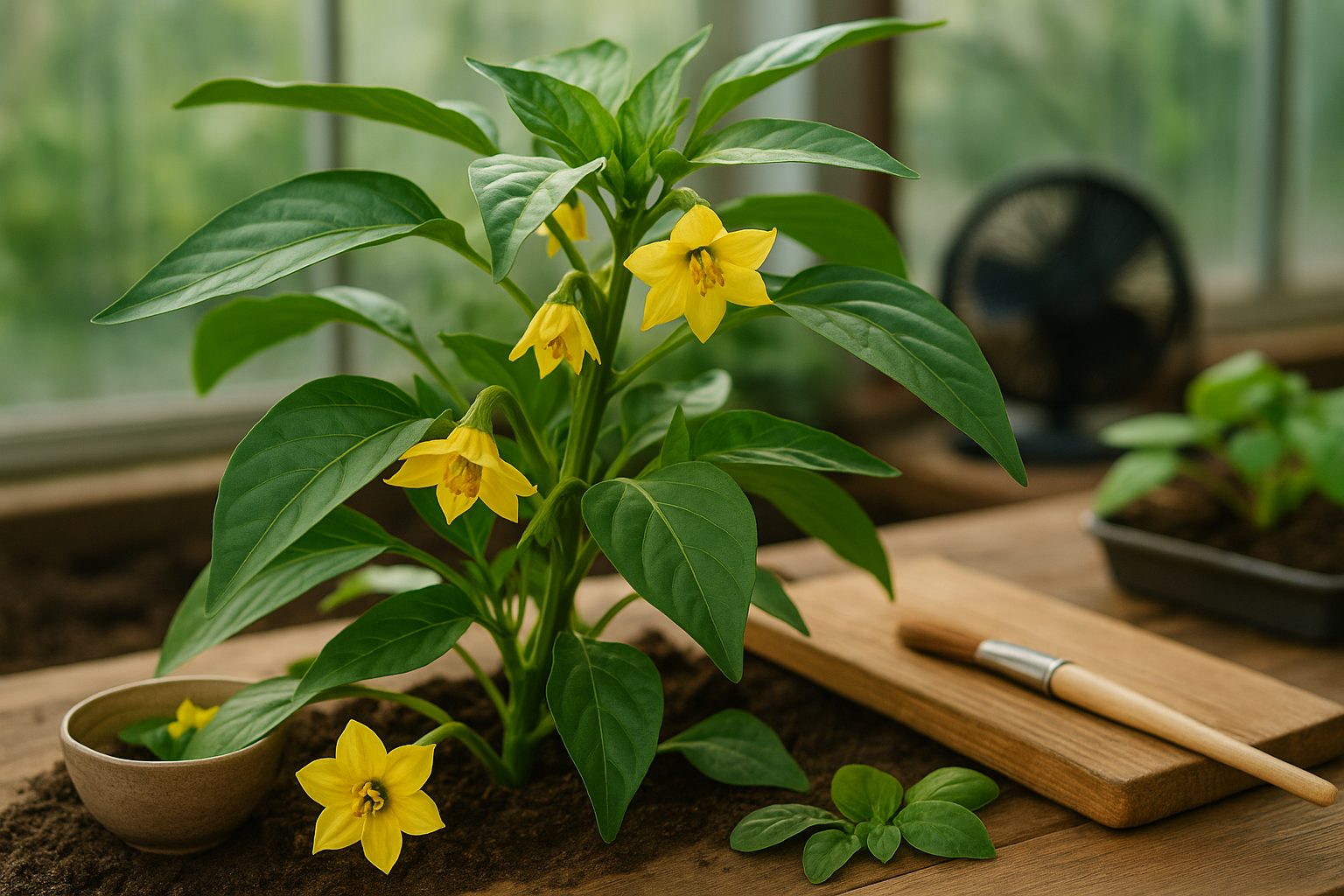
Understanding Pepper Plant Pollination
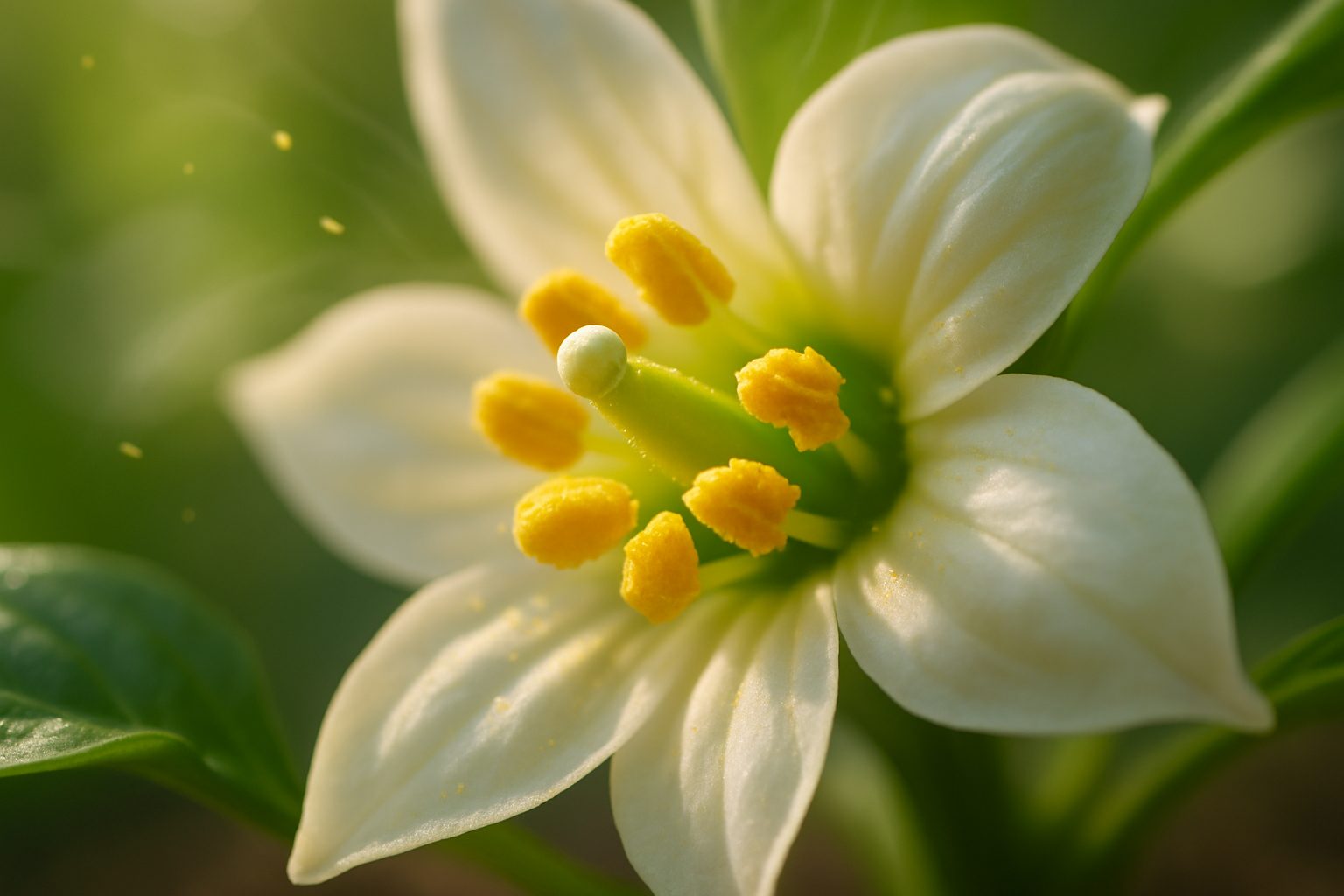
To maximize fruit set in your garden, learning how to pollinate bell peppers manually can make a surprising difference—especially if you’re growing peppers indoors, in greenhouses, or in areas with limited pollinator activity. bell pepper plants, like most fruiting vegetables, rely on successful pollination to produce those crisp, juicy peppers we love.
At their core, pepper blossoms are “perfect flowers,” meaning each flower carries both male (stamens) and female (pistil) reproductive parts. Under natural outdoor conditions, gentle movement from the wind or the legs of buzzing bees and insects shakes pollen from the stamens onto the pistil. Once pollen lands correctly, fertilization occurs, triggering the flower to transform into a developing pepper.
However, even with such self-sufficiency built into their flowers, bell peppers can occasionally suffer from poor fruit set. Temperature extremes, excessively high humidity, or a lack of pollinators—common in sealed greenhouses or homes—can all interfere with pollen transfer. For instance, mature greenhouses might be perfectly climate-controlled but may lack that vital “breeze” or insect traffic.
In these scenarios, hand-pollination offers a practical workaround. By gently shaking the stem, using a small artist’s brush, or tapping the flowers to mimic the wind or an insect’s touch, gardeners can help ensure that pollen finds its target. This DIY technique not only boosts yields but also serves as an essential aid for those passionate about homegrown peppers regardless of their growing setup.
If your plants are flowering but failing to set fruit, taking matters into your own hands might be the missing link for a bumper crop.
Natural vs. Hand Pollination: Key Differences
Natural pollination relies on nature’s agents—like wind, bees, butterflies, or other insects—to transfer pollen from one flower to another, kickstarting fruit and seed production. It’s low-maintenance and eco-friendly, but it does come with limitations. Poor weather, such as heavy rain or frost, can suppress pollinator activity, while pesticides or habitat loss can reduce insect numbers altogether.
Additionally, plants grown indoors or in greenhouses often miss out on natural pollinator visits. In these cases, hand pollination becomes a practical backup. This method involves using tools like a small paintbrush, cotton swab, or even your fingertip to manually transfer pollen between blossoms.
You might need to step in if you notice lots of blossoms but little fruit set, malformed or undersized fruits, or a visible lack of pollinators hovering around your plants during flowering. For example, tomato and squash growers on urban balconies or in greenhouses often find that a little manual intervention leads to much better yields.
If your garden blooms are thriving but not producing, take a closer look—your plants may just need a helping hand.
Step-by-Step Guide: Hand Pollinating Peppers
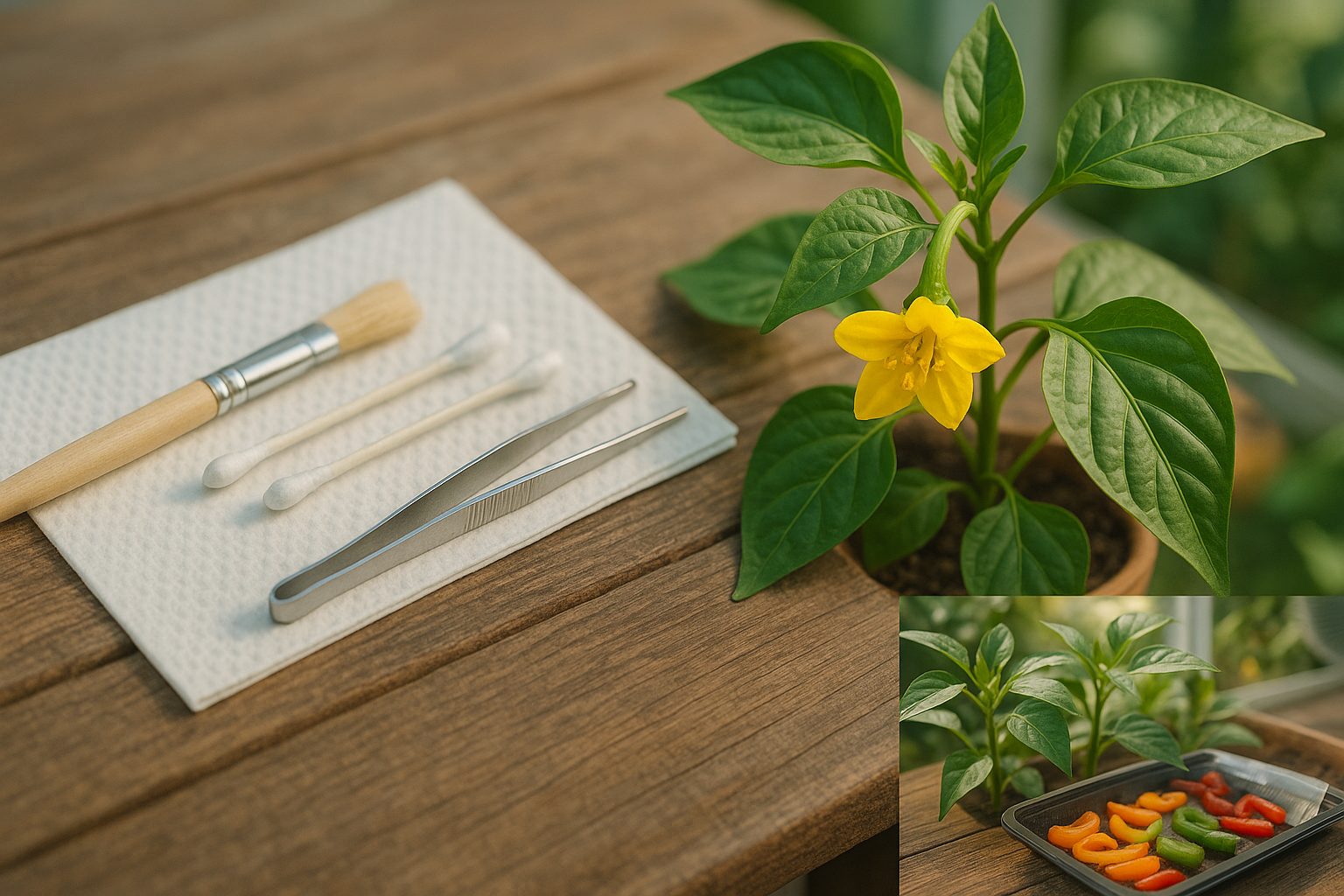
Hand pollinating peppers is simple with the right tools. All you need is a small, soft paintbrush or a cotton swab, clean tweezers (optional), and paper towels to wipe your tools between plants to prevent the spread of disease.
Begin by identifying flowers that are open and have bright yellow pollen visible—these are mature and ready for pollination, usually in the morning when pollen is most viable. Gently swirl your brush or swab inside the flower, touching the stamens (where the pollen is) and then touch the center stigma of either the same flower (for self-pollination) or a different flower if you want cross-pollination. Repeat this for each flower you want to pollinate.
For soil-grown peppers, be careful not to jostle the plants too much, as this can disturb the flowers. For hydroponic systems, check that high humidity isn’t causing pollen to clump and consider using a small fan to improve airflow.
Always clean your tools thoroughly after each session—wipe them with a paper towel and, if needed, disinfect with rubbing alcohol to keep your plants healthy. Store your pollination tools in a dry, labeled container so they’re easy to find and stay sanitary for next time.
With just a few minutes of gentle attention, you’ll boost your pepper yields in both soil and hydroponic setups.
Preventing Issues: Flower Drop and Poor Fruit Set
One of the most frustrating challenges for gardeners is seeing flowers fall off their plants or noticing tiny fruits fail to develop—both classic signs of inadequate pollination. Flower drop usually occurs when pollen can’t reach the stigma, often due to low humidity, temperatures outside the ideal range, or overly wet or dry soil.
To improve fruit set, start by keeping your plants consistently watered, aiming for moist but not soggy soil—especially during the flowering stage. Try to maintain daytime temperatures between 65-80°F and avoid exposing plants to sudden cold drafts or extreme heat.
If humidity is low, consider misting your plants gently or placing a shallow tray of water nearby to raise moisture in the air. Indoors, simply tapping or gently shaking branches can help release pollen, while outdoors, encouraging pollinators like bees with flowering companion plants also boosts success.
Remember to avoid using strong chemicals or pesticides during bloom, as they can harm pollinators and delicate flowers. By monitoring the growing environment and handling flowers carefully, you can encourage better pollination and fuller harvests.
Creating a Pollinator-Friendly Garden
One of the easiest ways to attract natural pollinators like bees, butterflies, and hummingbirds is by practicing companion planting—grouping a variety of flowering plants that bloom at different times, so there’s a steady supply of nectar and pollen throughout the growing season.
Native plants are often the most effective choices since local pollinators are already adapted to them. You can also boost pollinator activity by creating simple habitats, such as leaving a patch of bare soil for ground-nesting bees or placing a shallow dish of water with pebbles for butterflies to land on.
Environmental factors play a big role in pollination success—good airflow helps carry pollen between plants, but strong, unbroken winds can make pollinators less active or even damage delicate flowers. To balance this, consider planting taller windbreaks, such as shrubs or sunflowers, along the garden’s edge and spacing your plants so that pollinators can easily move between blossoms.
Finally, avoid using chemical pesticides, as even trace amounts can be harmful or fatal to beneficial pollinators. If pests become a problem, try organic options like neem oil, hand-picking, or introducing helpful insects such as ladybugs.
By making these changes, your garden will become a welcoming hub for pollinators—and your plants are likely to thrive as a result.
Hand Pollination FAQs for Pepper Growers
Hand pollination can be a game-changer for pepper growers, especially if you have limited pollinators or are growing indoors. A common question is how often you should hand pollinate—ideally, do it every few days when flowers are open and your plant is at its peak blooming stage.
Use a soft paintbrush or cotton swab to gently brush the inside of each blossom and transfer pollen. Try to pollinate during the late morning when flowers are most receptive.
Hand pollination works well for most pepper varieties, including bell, chili, and sweet peppers. However, hot varieties with small or closed flowers may require more patience and gentle handling.
One mistake to avoid is using excessive force, which can damage delicate flowers and reduce fruit set. Another myth is that peppers need to cross-pollinate to bear fruit—most types are actually self-fertile. Hand pollination simply boosts your chances of a good harvest.
If you’re not seeing results, double-check that flowers are mature and pollen is visible (look for a powdery substance). Also, avoid overwatering, which can cause blossoms to drop.
For more guidance, check out resources from your local cooperative extension or communities like The Pepper Geek or gardening subreddits. Experienced growers often share step-by-step videos and troubleshooting tips tailored to your specific variety.