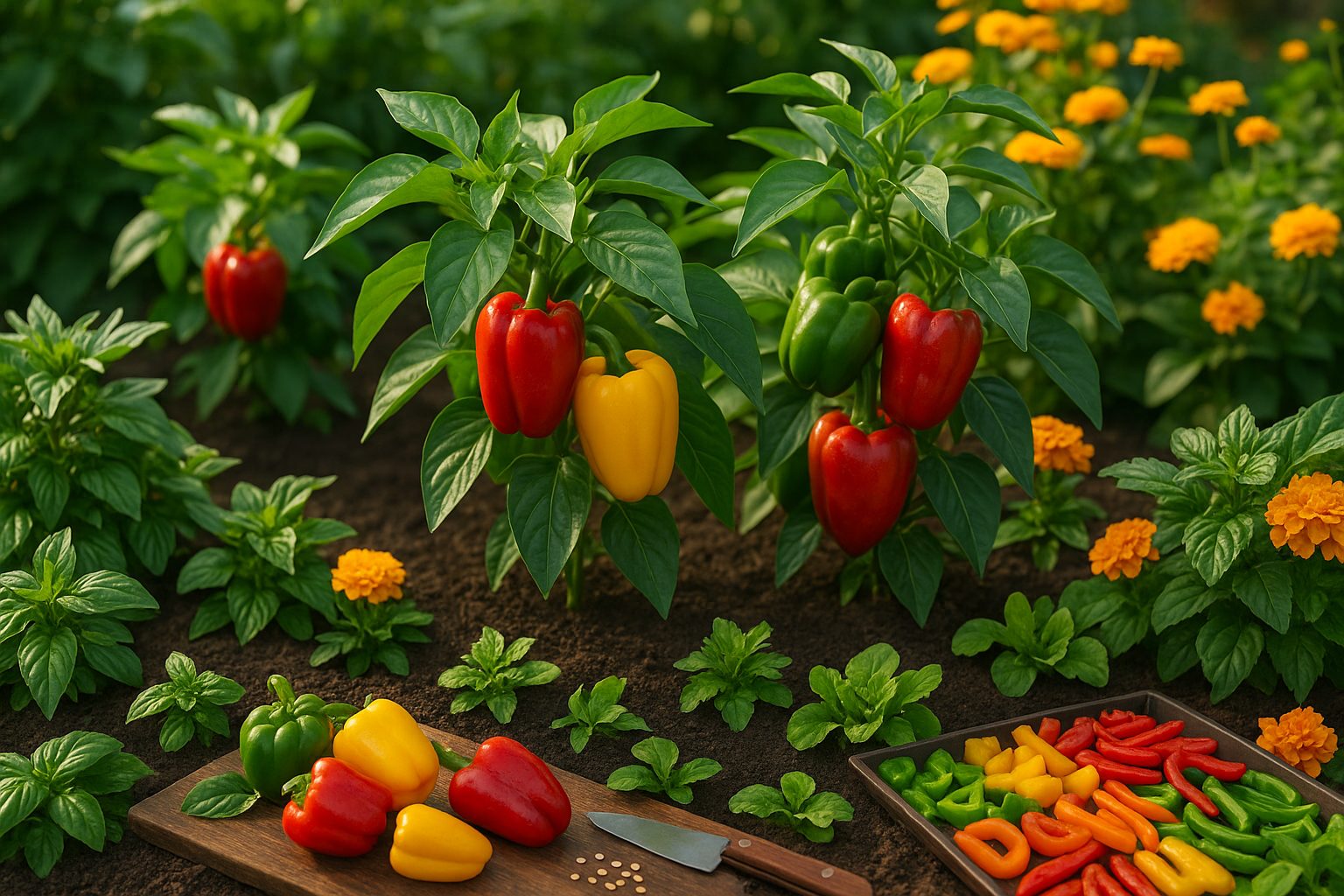
What Is Companion Planting and Why Does It Matter for Peppers?
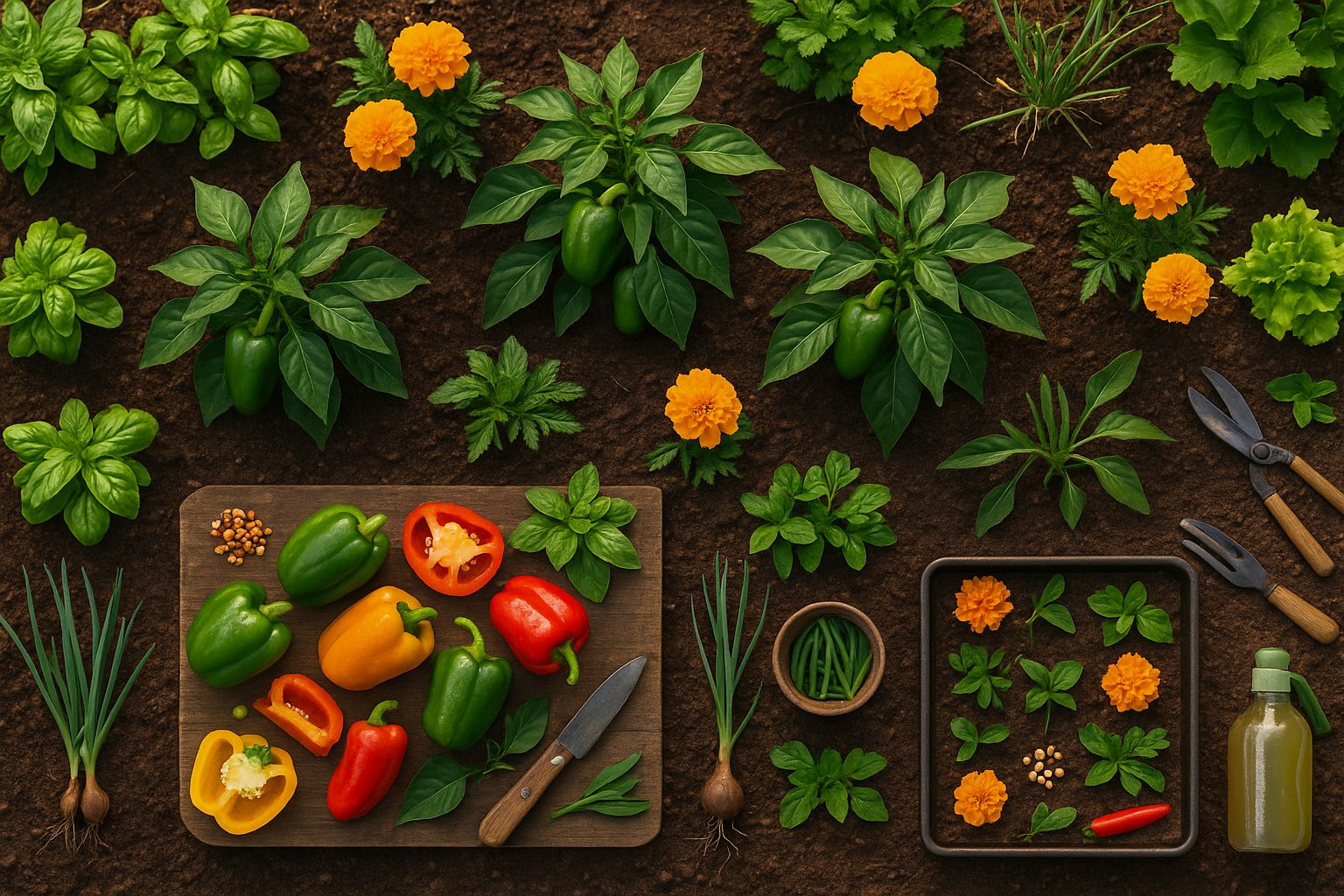
If you want vibrant, healthy peppers this season, knowing which bell pepper companion plants to add to your garden can make a world of difference. Companion planting—the simple act of pairing certain plants together so they help each other thrive—has been practiced by gardeners for generations. It’s not just about saving space; it’s about creating natural partnerships that boost growth, deter troublesome insects, and even improve the flavor of your crops.
So, what is companion planting, exactly? At its core, it means intentionally growing plants side-by-side because they provide each other with benefits you can’t get when growing a single crop on its own. Some plants, for instance, repel pests that might otherwise devastate their neighbors. Others have deep roots that bring up nutrients from the soil, making them more available to shallow-rooted friends. For people growing bell peppers, these natural alliances are especially important.
Peppers are famously sensitive when it comes to pests like aphids and spider mites and often compete for key nutrients like nitrogen and potassium. By choosing the right bell pepper companion plants—for example, basil to repel insects or beans to fix nitrogen in the soil—you can help create a more resilient mini-ecosystem in your garden. This strategy cuts down on the need for chemical pesticides and synthetic fertilizers, leading to bigger harvests and healthier plants. Even tucking a marigold or two near your peppers can keep unwanted bugs at bay and brighten up your veggie patch while you’re at it. For peppers, companion planting isn’t just helpful—it’s a game changer.
Understanding What Peppers Need to Thrive
Peppers are sun-loving plants that crave at least six to eight hours of direct sunlight each day, so choose a bright, open spot in your garden. They thrive best in well-drained, fertile soil that’s rich in organic matter—a little compost or aged manure goes a long way.
Consistency is key when it comes to watering; peppers dislike both soggy roots and parched spells, so aim for soil that’s moist but never waterlogged. Proper spacing, usually about 18 to 24 inches apart, encourages airflow and reduces disease risk.
Companion planting can make a real difference for your peppers’ health and productivity. For example, basil not only deters pests like aphids and spider mites but also improves flavor and encourages healthy growth. Marigolds are fantastic for repelling nematodes and beetles, while their roots help stabilize the soil. Even leafy greens like lettuce can act as living mulch, keeping the soil cool and moist, which peppers enjoy.
One of the biggest challenges when growing peppers is fending off pests such as aphids, cutworms, and beetles, as well as dealing with nutrient-hogging weeds. Thoughtful companion planting addresses both issues—plants like onions and chives repel harmful insects, while thick-growing herbs help smother weeds and minimize competition for nutrients.
By giving peppers the right environment and supportive plant partners, you’ll set them up for a vibrant and trouble-free growing season.
Top Companion Plants to Grow with Peppers
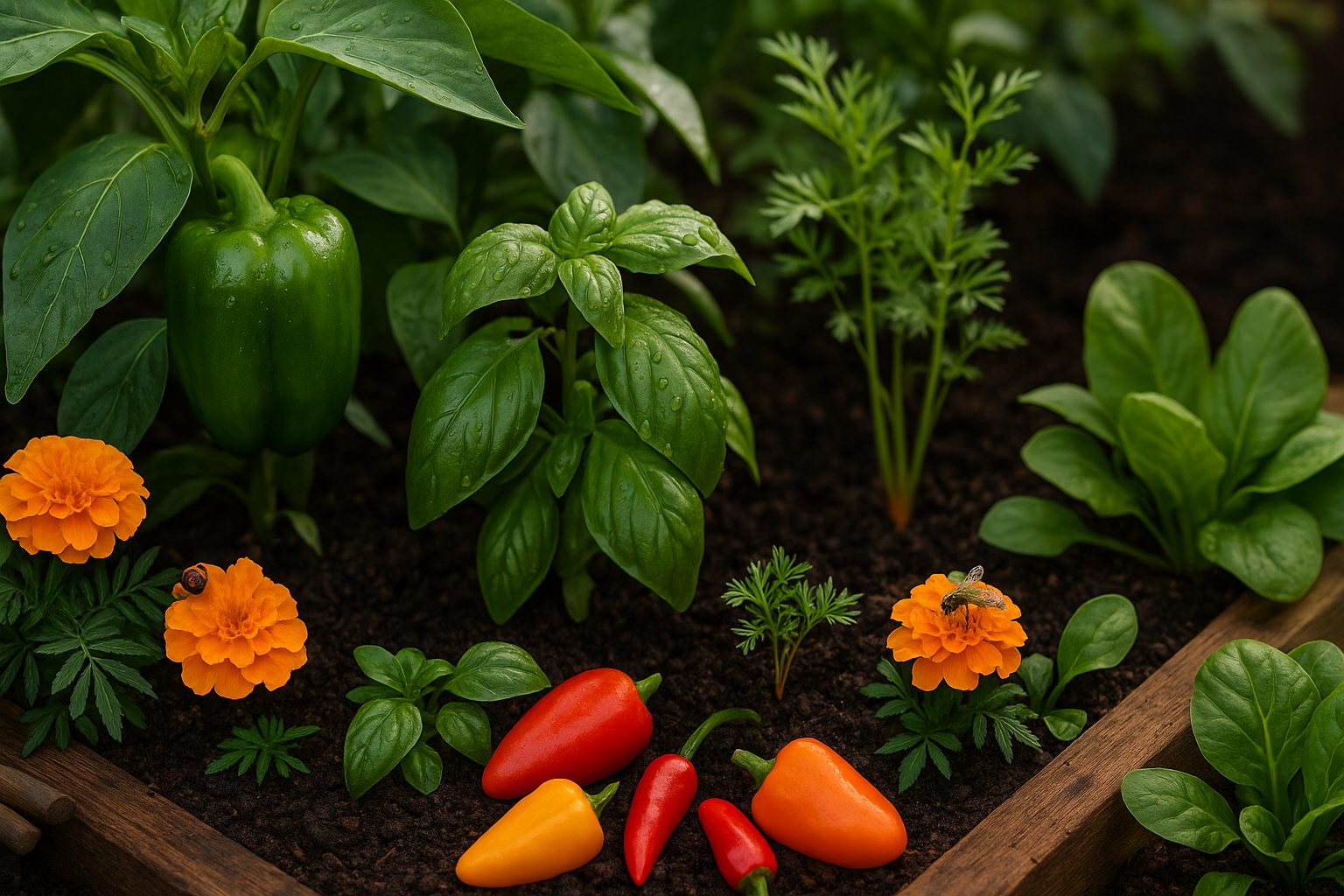
When planning a thriving pepper patch, pairing peppers with the right companion plants can make a huge difference by boosting growth, deterring pests, and using garden space efficiently.
Basil is a classic choice—planting basil close to your peppers can improve their flavor and help repel pests like aphids, spider mites, and mosquitoes.
Carrots are another smart pairing; they grow underground, so they won’t compete with peppers for above-ground space and help loosen the soil, making it easier for pepper roots to spread.
Marigolds don’t just add cheerful color—they also act as a natural pest repellent, driving away nematodes, whiteflies, and aphids that might otherwise attack your peppers.
Onions are perfect for tucking alongside peppers, as their strong scent confuses many harmful insects and they take up minimal space, allowing you to grow more in tight beds or containers.
Spinach works well planted at the base of pepper plants; its low, spreading habit helps shade the soil, conserve moisture, and reduce weeds, plus both can be harvested continuously throughout the season.
Nasturtiums are a gardener’s secret weapon—they’re beautiful, edible, and draw aphids away from more vulnerable plants like peppers (acting as a “trap crop”), as well as attracting beneficial pollinators.
Lastly, cilantro’s delicate leaves and shallow roots mean it won’t compete much with peppers, while its blossoms bring in parasitic wasps and other helpful insects that prey on pepper pests.
Beginner-Friendly Combinations
Try planting a row of peppers with basil and marigolds at the ends, or pepper plants grouped with carrots and spinach between them. Alternatively, circle your peppers with nasturtiums and onions for visual appeal and all-around pest protection.
With these reliable companions, you’ll enjoy healthier pepper plants, fewer pests, and a more productive garden—even in small spaces.
Herbs for Natural Pest Control in Your Pepper Patch
If you’re struggling with aphids, spider mites, or thrips invading your pepper patch, strategically planting pest-repellent herbs can make a noticeable difference—no chemicals required.
Basil is a star companion for peppers, deterring aphids and spider mites with its aromatic oils. Plant basil in clusters just beside or between your pepper plants to create a protective border and make harvesting easier.
Cilantro, well-known for repelling spider mites and attracting beneficial insects like hoverflies, thrives when tucked in along the north or east side of pepper rows. This placement avoids overshadowing and ensures each plant gets the sun it needs.
Chives offer double duty: their strong scent confuses aphids and deters Japanese beetles, while their shallow roots won’t compete with deeper-rooted peppers. Space chives along the perimeter or in clusters around pepper beds to create a natural pest barrier.
For best results, stagger your herbs among the peppers rather than planting them all in a single patch. Interplanting makes the entire area less attractive to pests and can disrupt their life cycles.
As an added bonus, these herbs draw pollinators and predatory insects like lacewings and ladybugs, boosting your garden’s resilience and productivity.
Don’t forget regular harvesting of herbs to keep them bushy and thriving—they’ll keep producing their protective compounds while providing plenty of fresh flavor for the kitchen.
This low-maintenance, natural approach not only shields peppers but can raise overall garden yields by fostering a diverse, healthy ecosystem right in your backyard.
Flowers and Leafy Greens: Adding Color and Utility
Brightening up your pepper patch with flowers like marigolds and nasturtiums, alongside leafy greens such as spinach, offers more than just a pop of color—these plants are also garden workhorses. Marigolds are famous for their ability to deter nematodes and aphids, thanks to their strong scent, while nasturtiums act as a “trap crop” by luring away pests like aphids and whiteflies from your peppers.
Spinach, though less showy, helps shade the soil, suppress weeds, and provides a lush, edible ground cover. Together, these companions appeal to beneficial insects: marigolds attract ladybugs and lacewings that hunt pests; nasturtiums draw in pollinators like bees and hoverflies.
To get the most out of this plant team, try interplanting them in alternating rows or clusters. Line borders of pepper beds with low-growing spinach and marigolds, and fill the spaces between pepper plants with nasturtiums to create a living mulch. This layout encourages cross-pollination, makes harvests easier, and naturally reduces pest outbreaks.
Plus, you’ll enjoy a continuous supply of salad greens, bright edible flowers for garnishes, and healthier, more productive pepper plants.
What Not to Plant with Peppers: Plants to Avoid
When planning your garden, it’s important to know that not all plants make friendly neighbors for peppers. Certain beans, including bush and pole varieties, can compete with peppers for nutrients and space, which slows growth and reduces yields. Likewise, brassicas—like cabbage, broccoli, and cauliflower—are best kept far from pepper beds. These plants not only have different soil nutrient needs but may also attract pests and spread diseases like bacterial spot and fungal wilts, which can devastate your pepper crop.
Another troublemaker is fennel, which releases compounds into the soil that can stunt the growth of nearby veggies, including peppers. Corn should also be avoided, as its tall stalks can cast too much shade—peppers thrive in full sun.
For a healthier garden, group your peppers with compatible companions like basil, carrots, and onions, or place incompatible species across the yard or in separate raised beds. Doing so not only minimizes competition and disease risks but also makes it easier to manage each plant’s unique watering and fertilizer requirements for a more productive, harmonious garden space.
Quick Tips for Companion Planting Success with Peppers
Getting great results from companion planting with peppers starts with a little planning. Picture your garden ahead of time and choose companions known to thrive with peppers, like basil, onions, or marigolds—these help deter pests and encourage healthy growth.
Give each plant enough space to breathe; peppers need about 18-24 inches between plants, and their companions shouldn’t crowd them. Rotate locations each year if you can, avoiding planting peppers or their relatives (like tomatoes, eggplant, or potatoes) in the same spot to prevent soil-borne diseases.
Set aside ten minutes a week to walk through your garden and check for pests—look under leaves for aphids or signs of wilting, and catch issues early before they spread. Don’t be afraid to pull out a struggling companion and swap in something more suitable.
Lastly, keep a simple notebook or use a garden app to record which plant combinations worked best, when you planted, and any problems you noticed. Over time, these notes become your secret weapon, helping you fine-tune your pepper patch for bigger, healthier harvests every season.