Introduction
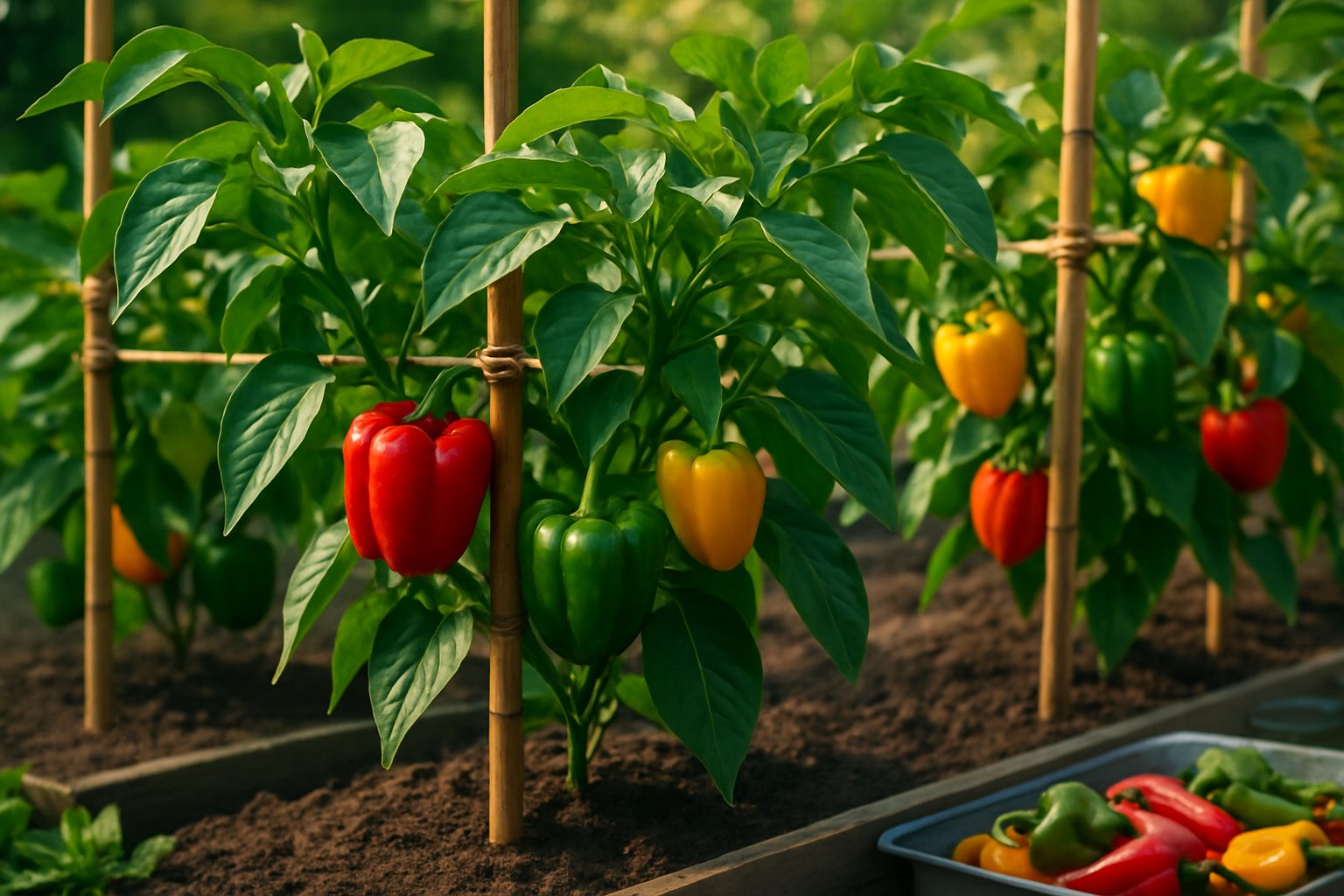
A bell pepper trellis is a simple yet effective garden structure designed to support your bell pepper plants as they grow. While trellises are often used for climbing vegetables like peas or beans, bell peppers also benefit greatly from this added support. Without a sturdy bell pepper trellis, your pepper plants may struggle—heavy fruit can cause stems to bend or break, and sprawling branches that touch the ground can lead to fruit rot, increased pest exposure, or smaller, misshapen peppers.
Using a bell pepper trellis keeps both the plant and fruit off the soil, improves air circulation, and makes watering and harvesting much easier. In this article, you’ll learn why and when a bell pepper trellis is especially helpful, what materials you’ll need, and how to build one step by step. We’ll also share practical tips for customizing your trellis, keeping your bell peppers healthy, and avoiding common pitfalls gardeners face. Whether you’re growing just a few peppers in pots or managing a backyard garden bed, a well-built trellis can make all the difference in your bell pepper harvest.
Choosing the Right Trellis Design
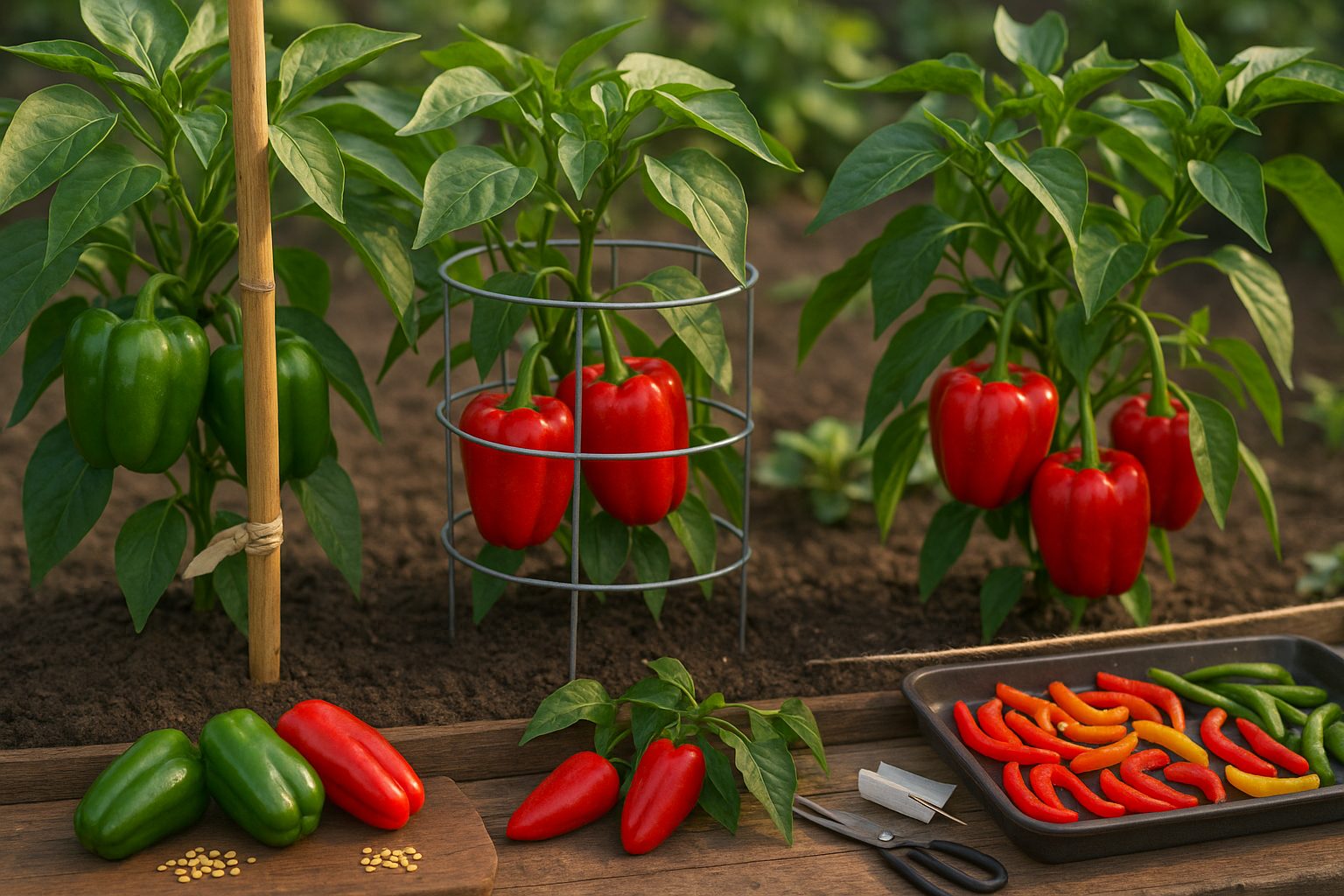
When selecting a bell pepper trellis style, it’s important to consider your garden’s size, budget, and the specific needs of your plants. The stake-and-twine method is simple and cost-effective: anchor sturdy stakes at each end of your row and run horizontal twine around plants as they grow. This setup works well in traditional in-ground rows and raised beds, providing gentle support that prevents stems from snapping under heavy fruit. While affordable, this method might need occasional adjustments after storms or windy days since the twine can loosen.
Cages, often made from wire or heavy-duty plastic, are popular for small gardens or container-grown peppers. They surround individual plants, supporting growth from all sides and helping minimize sprawling. Although cages cost more upfront—especially when buying many—they can be reused year after year. Their biggest downside is their bulkiness, which can make it difficult to fit many bell pepper plants close together in tight spaces.
For gardeners with more space or those aiming to grow tall, robust peppers, an A-frame trellis is a great option. This design, made of two angled frames joined at the top, provides plenty of vertical space and air circulation—excellent for disease prevention. A-frames require sturdy materials like wood or metal and work best in larger raised beds or backyard plots.
When choosing materials for your bell pepper trellis, wooden stakes or frames are durable but may weather over time; metal and PVC options typically last longer but can be more expensive. For a budget-friendly yet sturdy trellis, consider repurposing old fencing, bamboo, or scrap lumber—just ensure the materials are clean and free from harmful chemicals.
Ultimately, match your bell pepper trellis style to your available space, gardening goals, and budget to ensure your peppers are properly supported throughout the season.
Gathering Materials and Tools for a Bell Pepper Trellis
To build a sturdy bell pepper trellis, you’ll need a few basic materials. Wooden stakes or metal rods work best as the main supports, providing a reliable structure for your peppers to climb. Heavy-duty garden twine or galvanized wire can be strung between the stakes to create horizontal rungs.
If you’re looking to save money or reduce waste, consider repurposing old curtain rods, bamboo poles, or sturdy branches from your yard as alternatives to store-bought stakes. Unused clothesline, shoelaces, or fabric strips can substitute for twine in a pinch.
As for tools, keep a hammer or mallet handy for driving stakes into the ground. Also, have a pair of garden gloves, wire cutters, a hand saw, and a measuring tape ready to make assembly quick and safe. Always wear gloves when handling metal or wood to prevent splinters and scrapes, and use safety goggles when cutting or hammering.
By combining essential items with clever household substitutes, you can assemble a bell pepper trellis that’s both effective and budget-friendly.
Step-by-Step Assembly Guide for Your Bell Pepper Trellis
Start by choosing the perfect spot for your bell pepper trellis—look for an area that receives at least 6–8 hours of direct sunlight and provides enough space for air to circulate around mature plants. If you’re growing peppers in containers, place them in similarly bright locations, ensuring there’s enough room to install supports. Clear out any weeds and loosen the soil around your planting site, mixing in compost if needed to improve drainage, especially if your soil is heavy or compacted.
For in-ground peppers, measure a row and mark support locations about every 18–24 inches so each pepper stem has its own support point. If using containers, place a support at the edge of the pot, allowing room for the plant to grow upward without obstruction.
For supports, garden stakes made of wood, bamboo, or sturdy plastic work well—choose stakes at least 4 feet tall to accommodate the height bell peppers can reach. Drive each stake 8–12 inches into the soil (or as deep as your container allows), making sure they’re stable and upright. In row planting, you can also place a stake at either end of the bed.
Next, attach sturdy garden twine, jute, or soft coated wire across the stakes at two or three horizontal levels—approximately 12, 24, and 36 inches above ground, depending on your plants’ expected growth. Secure each line tightly to prevent sagging, which could cause plants to flop during wind or heavy fruiting. Alternatively, for a single-plant container, use a wire cage or a loop of netting around the stake, creating a supportive “net” for branches to rest on.
For added stability—especially in weaker or sandy soils—bury the ends of your crossbars or insert side stakes at a slight outward angle to brace against the pull of heavy plants. If your soil is loose or tends to shift after rain, pack it firmly around each support and check regularly for leaning stakes. For challenging conditions like shallow or stony beds, consider container gardening with weighted pots or anchor your bell pepper trellis frame to a fence for extra support.
Regularly inspect your bell pepper trellis throughout the growing season, tightening lines and repositioning ties as needed to ensure the structure remains strong while your peppers thrive.
Installing and Positioning Your Bell Pepper Trellis
When setting up a bell pepper trellis, it’s best to install the support structure at the time of planting. Early placement encourages pepper plants to grow upright naturally and minimizes the risk of disturbing their roots later on. If you add the trellis after the plants are already established, be extra cautious—use a hand trowel to gently position the trellis posts and tie the stems loosely to avoid stressing the plants.
For optimal sunlight exposure and airflow, position your trellis running north to south. This orientation allows each plant to receive even light throughout the day and promotes good air circulation around the foliage, helping to prevent diseases like powdery mildew.
Anchoring your trellis securely is especially important if you live in a windy area or grow tall, heavy fruiting pepper varieties. Sink stakes or posts at least 12 inches deep and tamp the soil firmly around them. For added support, consider using metal stakes.
If you are installing a row trellis or individual cages, leave 18 to 24 inches of space between each pepper plant to prevent excessive leaf overlap. This spacing reduces competition for sunlight and helps foliage dry quickly after rain or watering. It also makes it easier to reach in and harvest peppers without damaging the plants or fruit.
When growing peppers in containers, opt for a compact trellis that fits snugly inside the pot without crowding the plant. Remember, a well-positioned and sturdy bell pepper trellis not only encourages healthy growth but also makes tending and harvesting your crop simpler and more enjoyable.
Training Bell Peppers to Climb
Training bell peppers to climb a bell pepper trellis not only supports healthy plants but can also boost your harvest by exposing more leaves to sunlight and improving air circulation. Begin tying your pepper plants when they reach about 6–8 inches tall or have several sets of true leaves. Use soft, stretchy materials like garden Velcro, fabric strips, or biodegradable twine—never wire or fishing line, as these can cut into the delicate stems.
Loop ties loosely around the stem and trellis, leaving enough slack for growth and movement to prevent bruising or restricting the plant. As your bell peppers grow, check them at least once a week. Reposition ties higher up the stem and remove or adjust old ties if they become tight. Gently guide new growth toward the trellis, training side stems upwards whenever possible.
Routine pruning helps direct energy into fruit production: pinch off any side shoots below the first flower cluster and remove yellowed or crowded leaves to boost airflow and reduce disease risk. When your plants start setting large peppers, the branches can get weighed down, especially on newer stems. Install a second, horizontal support—like soft netting or another row of string—about halfway up the trellis to cradle heavy branches.
For sudden growth spurts, be quick to add or adjust ties and prune excessive foliage. Inspect after rain or windstorms, as plants can slip out of position or become tangled. With steady care, your bell pepper trellis will keep plants upright, reduce breakage, and make harvests a breeze.
Ongoing Care and Troubleshooting for Your Bell Pepper Trellis
Maintaining your bell pepper trellis throughout the growing season is essential for healthy, productive plants. Make it a habit to check the trellis weekly, especially after storms or strong winds. Look for any sagging or loose connections in the supports, and tighten zip ties or knots as needed.
Regularly inspect for rust if you’re using metal, or signs of rot in wooden stakes, and replace any weak parts promptly to prevent sudden collapse. Watch for signs of trellis failure, such as the frame leaning, supports pulling from the ground, or netting sagging under the weight of the plants.
Plant distress might appear as bent or broken stems, yellowing leaves where fruit is trapped or crowded, and branches slipping out of support. If you notice aphids, spider mites, or fungal spots clustered around the trellis material, take extra care—pests often hide in shaded, close spaces, and diseases can spread on wet wood or fabric.
Try hosing pests away, applying organic sprays, and trimming affected leaves. If your bell pepper trellis material seems to harbor recurring problems, disinfect it with a mild bleach solution at the end of the season or switch to new materials the following year. Regular maintenance ensures your bell pepper trellis supports your crop rather than harms it.
Conclusion & Quick Tips Recap
Using a well-constructed bell pepper trellis can make a huge difference in your garden. It supports your plants to grow upright, improves air circulation, and helps prevent diseases and damage caused by heavy fruit. Be sure to choose sturdy materials that fit your garden’s needs, install the trellis early to avoid disturbing roots, and space the supports to give your pepper plants plenty of room to thrive.
As your plants grow, tie the stems gently with soft ties and check regularly to make adjustments as needed. Don’t hesitate to personalize your bell pepper trellis with recycled materials or creative touches that suit your style and space—after all, every garden is unique! If you have questions, want tailored advice, or would like to share photos of your bell pepper trellis, I’d love to hear from you in the comments. Growing peppers is rewarding, and a good trellis is key to a healthy, bountiful harvest.