Introduction
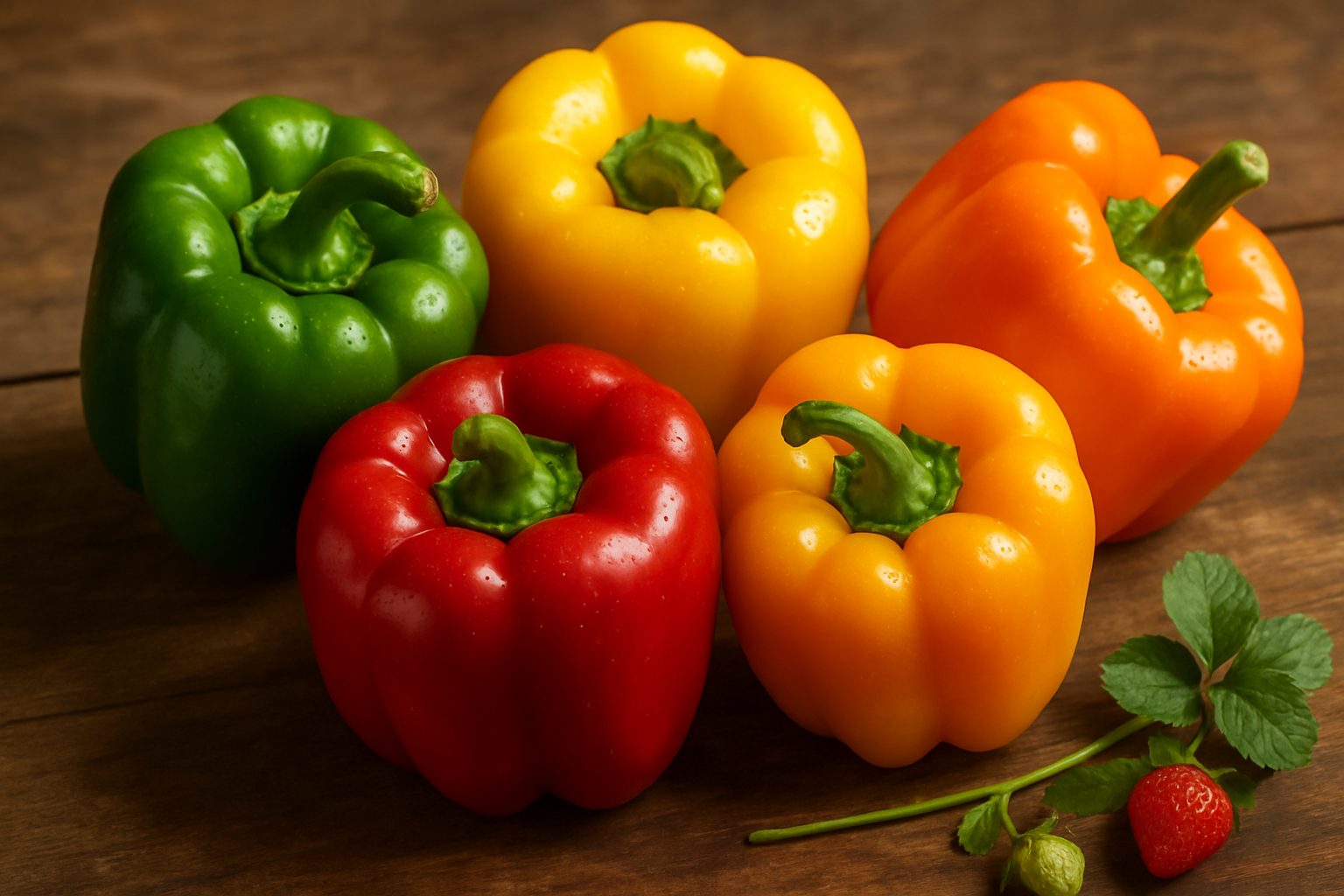
Bell peppers are a staple in home gardens and kitchens worldwide, loved for their crunch, vibrant colors, and versatility in countless dishes. Among the colorful trio—green, red, and yellow—there’s often curiosity about their growing habits and differences. Many gardeners wonder about green vs red bell peppers: Are they different types, or do they actually grow differently? Surprisingly, the answer involves both plant biology and a bit of gardening know-how.
In this article, we’ll break down the real growing differences between these bell pepper varieties. You’ll discover why a single pepper plant can produce multiple colors, how ripening affects flavor and nutrition, and what to expect when harvesting green, red, or yellow peppers. Plus, we’ll share tried-and-true tips for maximizing both yield and taste in your backyard pepper patch.
Whether you’re a seasoned grower or new to gardening, this guide will help you understand these colorful crops and choose what’s best for your plate and garden.
Understanding the Basic Differences Between Green vs Red Bell Peppers
Despite their differences, all bell peppers—green, yellow, and red—come from the same species, Capsicum annuum. The variations in color, flavor, and nutrition mainly depend on the ripeness at harvest, although some special varieties may skip certain color stages. Typically, bell peppers start out green on the plant. If allowed to ripen further, they transition from green to yellow, and finally to red.
This progression affects not only their appearance but also their taste and nutritional value. Green bell peppers, picked early, are firmer with a grassy, slightly bitter flavor. As they ripen to yellow and then red, they become sweeter and juicier, with red peppers offering the mildest, sweetest taste.
Besides the visual change, the ripening process boosts nutrient levels—especially vitamin C and beta-carotene. For instance, red bell peppers can have up to twice the vitamin C and many times more beta-carotene than green ones.
Home gardeners often debate whether to pick peppers early or let them mature. If you want a crunchier texture and stronger vegetal flavor, green peppers are your pick. But if sweetness and a vitamin boost are what you’re after, it’s worth waiting until they turn red. This ripening time also explains why red bell peppers typically cost more at the store—they just take longer to mature.
So, when comparing green vs red bell peppers, it all comes down to ripeness, flavor, and nutrition: the longer the pepper stays on the plant, the sweeter and more nutritious it becomes.
Seed Selection and Varieties
When considering green vs red bell peppers—and even yellow—it’s important to know that many bell pepper varieties change color as they ripen. Typically, green bell peppers are simply immature fruits; if left on the plant, they often progress through yellow, orange, and finally red as they reach full maturity. However, some cultivars are bred specifically for a certain color, so not all green peppers will turn red or yellow if allowed to ripen.
When choosing seeds, start by deciding which color pepper you want for your recipes or garden. If you prefer green peppers, look for varieties like ‘California Wonder’ or ‘Emerald Giant,’ which are usually harvested unripe for their grassy, slightly bitter flavor and crisp texture. For red bell peppers, consider options such as ‘Red Knight’ or ‘King Arthur,’ bred to ripen into rich, sweet red fruits. Yellow bell pepper fans can select cultivars like ‘Golden Bell’ or ‘Sweet Banana’ (though the latter is actually a yellow wax pepper, not a true bell variety).
Seed catalogs will also indicate whether a variety is hybrid (bred for uniformity, disease resistance, and faster growth) or heirloom (open-pollinated and prized for flavor or unique traits passed down through generations). Heirloom varieties like ‘Quadrato d’Asti Rosso’ or ‘Yolo Wonder’ bring classic garden charm and flavor but may require more care.
For best results, always check the variety’s final ripening color and choose seeds suited to your region’s growing conditions.
Growing Conditions and Care Requirements
All bell peppers—whether you’re aiming for green, yellow, or red—require similar basic growing conditions. They thrive in warm weather, so wait until soil temperatures consistently reach at least 70°F (21°C) before planting outdoors. Well-draining, loamy soil enriched with plenty of organic matter is ideal, with a slightly acidic to neutral pH between 6.2 and 7.0. Peppers need full sun, meaning at least six hours of direct sunlight daily, though closer to eight hours is best for robust growth and good fruit development. Water deeply and consistently, aiming for about 1 to 1.5 inches per week, keeping the soil evenly moist but never soggy—mulching helps retain moisture and control weeds. These basics apply whether you plan to harvest green, yellow, or red peppers, but harvest timing and care nuances vary by color maturity.
If you harvest peppers at their earliest mature stage, when they’re still green, you can expect to pick them about 60 to 70 days after transplanting. Yellow and especially red bell peppers require more patience and extra care, needing several more weeks on the plant to fully change color and sweeten up—often 80 days or more. This extended maturity means red and yellow peppers benefit from a consistent watering schedule and more vigilant pest monitoring since the fruit remains on the plant longer. Fertilize all bell peppers with a balanced fertilizer at planting and side-dress with additional phosphorus and potassium as buds form—avoid excess nitrogen, which promotes lush leaves but sparse fruit. Staking or caging is helpful for all peppers, especially those grown to full color, since mature fruits get heavy and weigh down branches, risking breakage.
A common myth is that colored bell peppers need different soil or fertilizers, but this isn’t true: all start green and develop their color with age. The main challenge is that red and yellow peppers, due to their longer growing season, are more vulnerable to weather changes, pests, and blossom end rot, so consistent, careful care is crucial. Whether growing green, yellow, or red, focus on healthy plants with steady water, proper feeding, good light, and strong support; the differences come down mainly to timing and patience, not core requirements.
Ripening Process and Harvest Timing
When comparing green vs red bell peppers, the ripening process and harvest timing are key factors in their differences. Green bell peppers represent the first stage of the pepper’s development. After planting, most bell pepper plants begin to set fruit about 60-70 days later. Green peppers are typically harvested as soon as they reach a good size, firm texture, and a rich, glossy green color—usually just a few weeks after the fruit appears. At this stage, their flavor is crisp, slightly bitter, and less sweet than their more mature counterparts.
If you leave green bell peppers on the vine, they start to change color. First, they shift to yellow, and then, with more time, to orange or bright red, depending on the specific cultivar. The transition from green to yellow often takes another week or two, while reaching full red ripeness can take an additional 2-3 weeks. This means red bell peppers stay on the plant much longer—often 80-100 days from planting to harvest.
Allowing peppers to ripen on the vine changes not only their color but also their flavor and nutritional value. As peppers move from green to red, sugars accumulate, making them sweeter, milder, and richer in vitamins A and C. If you’re aiming for yellow or red peppers, patience is essential. Expect slow and sometimes uneven color changes before the fruit fully ripens. However, waiting longer means a slightly smaller overall yield since mature fruits occupy the plant longer. For gardeners with shorter growing seasons, harvesting at the green stage can maximize production, while those in warmer, longer climates can allow peppers to fully mature for the sweetest, ripest flavor.
Common Challenges and Troubleshooting
Growing bell peppers—whether green, red, or yellow—comes with its fair share of challenges, but knowing what to watch for can make a big difference. All bell peppers are susceptible to common pests like aphids, spider mites, and caterpillars, which can weaken plants and damage the fruit. Aphid infestations can be especially troublesome as peppers ripen, so keep a close eye on your plants during the later stages, particularly when waiting for green fruit to turn red or yellow.
Diseases such as bacterial spot and powdery mildew affect all bell pepper colors, but wet conditions can make red and yellow bell peppers—since they stay on the vine longer due to extended ripening—more prone to rot or fungal problems. Uneven ripening, where peppers develop blotchy patches instead of fully turning red or yellow, often results from inconsistent watering, sudden temperature changes, or insufficient nutrients.
Overcrowding can reduce airflow, increasing disease pressure and hindering proper color development. To minimize these challenges, use organic mulch to stabilize soil moisture and help deter pests. Practice good spacing and prune lower leaves to improve air circulation. Rotate your crops annually to reduce disease build-up, and inspect leaves and fruit weekly for signs of trouble.
When dealing with uneven ripening, patience is key; bell peppers need time and steady conditions to fully develop their color, so avoid rushing the harvest. If pests persist, try neem oil or insecticidal soap, and promptly remove any diseased fruit to prevent the spread. With attentive care, you’ll enjoy vibrant peppers in every hue.
Maximizing Color and Flavor
To grow bell peppers with vibrant colors and robust flavor, start with strong cultivation practices focused on maximizing sunlight, airflow, and nutrient access. Space your pepper plants at least 18 inches apart to ensure each one gets ample sunlight and good air circulation—two essential factors for proper ripening.
Regular pruning, especially removing lower leaves and any shoots crowding the center, helps channel the plant’s energy into producing fruit. When it comes to watering, aim for consistency: peppers thrive in soil that’s evenly moist but never soggy. Inconsistent watering—letting the soil dry out and then saturating it—can cause uneven ripening and dull flavor, whether you’re growing green vs red bell peppers.
Supporting even ripening also means being patient: green bell peppers are simply unripe versions of red or yellow ones. If you want fully red or yellow peppers, leave them on the plant longer, but be ready to protect them from pests or too much sun, which can scorch the fruit as it matures. Mulching helps retain moisture and regulate soil temperature, boosting both color intensity and taste development.
After harvesting, avoid refrigerating peppers immediately if you want them to finish ripening—keeping them at room temperature with good ventilation can allow green peppers to change color, though full flavor won’t develop after picking. For storage, rinse, dry, and keep peppers in the fridge’s crisper drawer to maintain freshness and vibrancy. For longer preservation, consider freezing chopped peppers or roasting and storing them in olive oil to lock in their sweet, complex flavors.
Conclusion
In summary, green vs red bell peppers—and even yellow ones—all come from the same plant species, but their differences in taste, color, and nutrition come down to how long they’re left to ripen. Green bell peppers are harvested earliest, offering a crisp texture and mildly bitter flavor. Yellow peppers are picked a bit later, developing a sweeter taste and vibrant color. Red bell peppers are fully ripened, packed with natural sugars and vitamins, but they take the longest to mature.
Understanding these growth stages can help you plan your harvest for a steady supply of each pepper variety, creating a colorful and diverse garden—and plenty of delicious meals. Don’t hesitate to try growing all three to see which peppers thrive best in your conditions. If you have more questions or want recipes using your harvest, check out our other articles or leave a comment below!