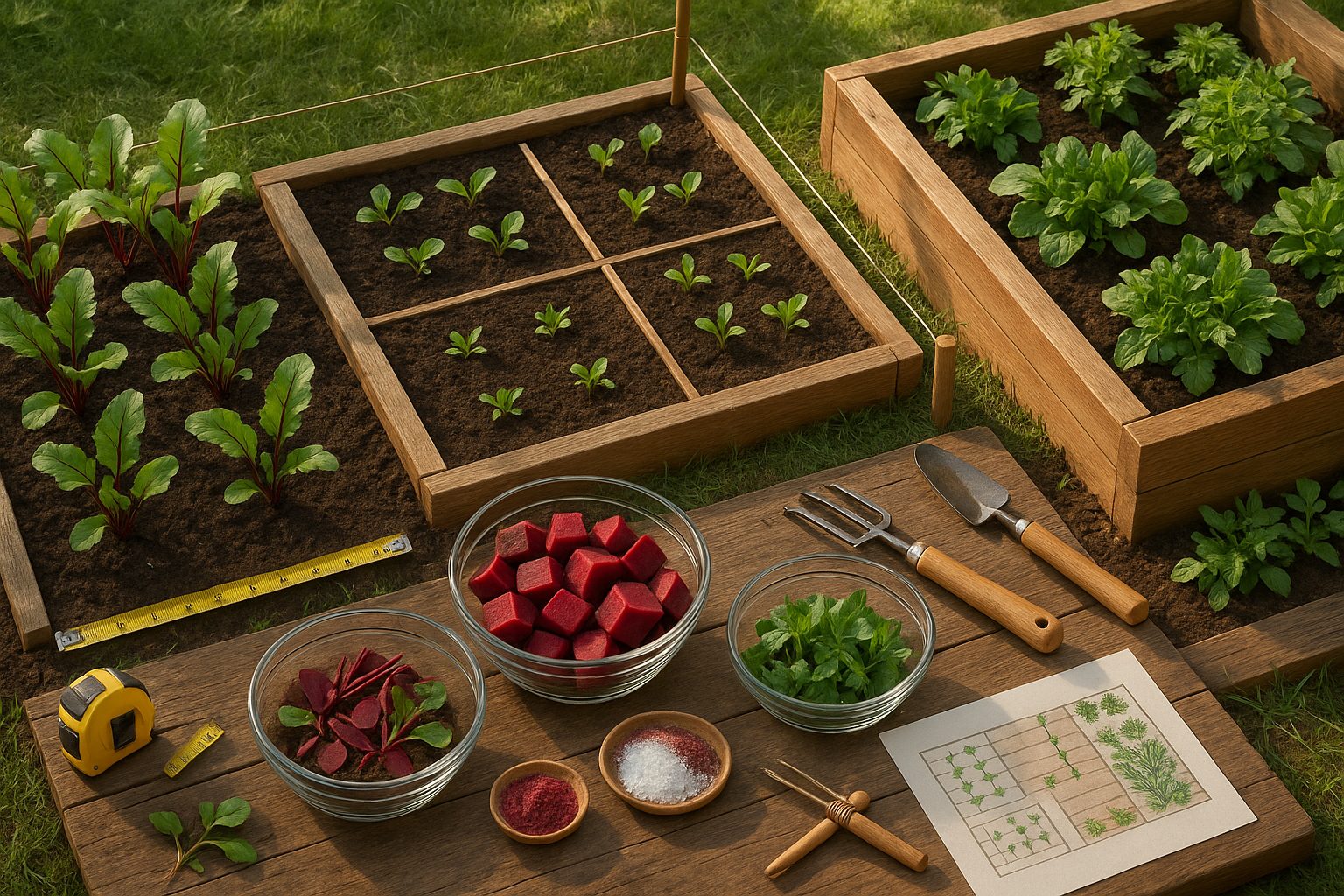
Evaluate and Measure Your Garden Space
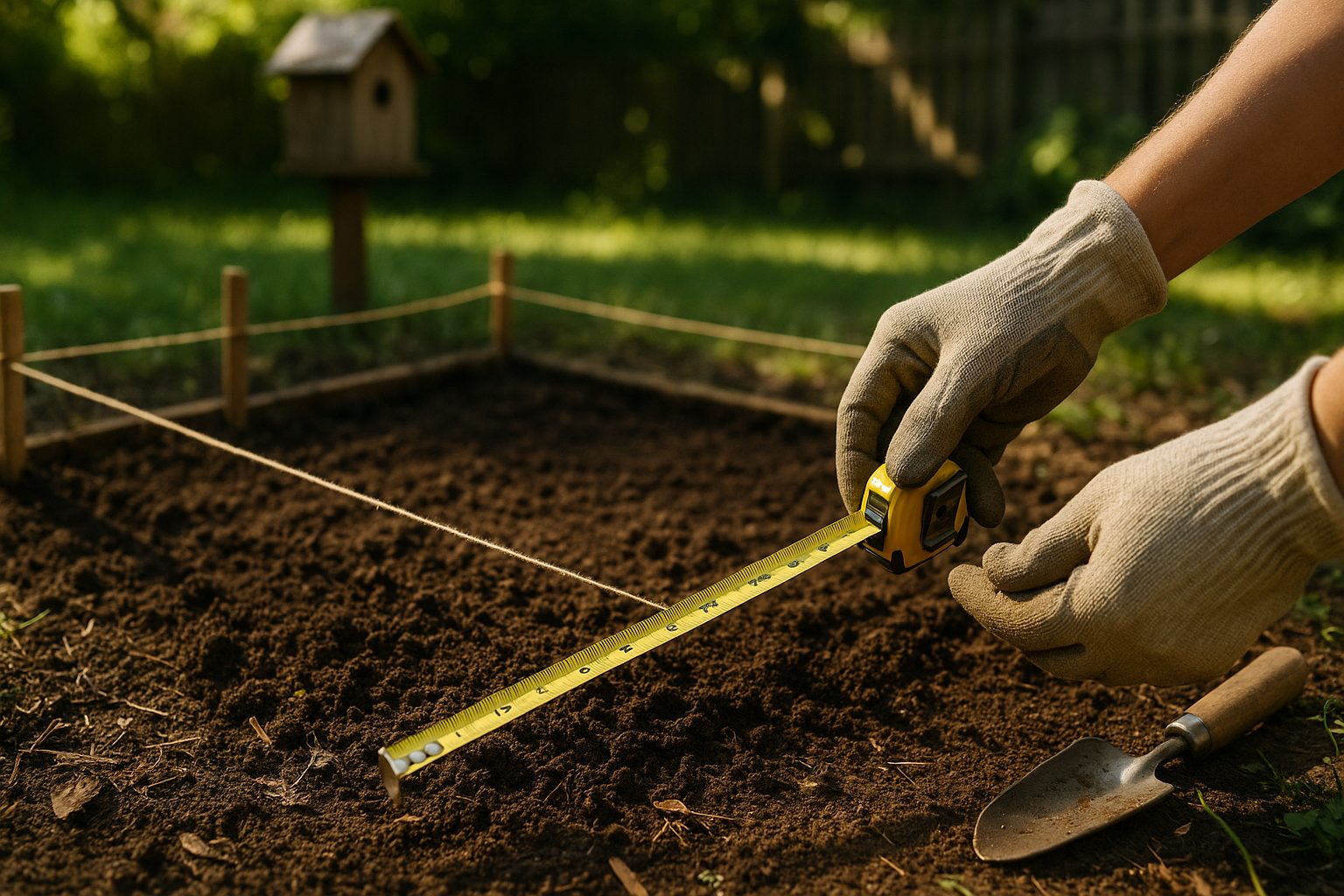
Planning your beet garden layout is the first essential step to growing a successful and healthy crop. Choosing the best possible garden location isn’t just about finding an empty patch of soil—it’s about maximizing beet growth by considering several crucial factors.
Sunlight tops the list, as beets crave at least six hours of direct sun per day. Take a moment to observe your space throughout the day; is there an area that consistently gets enough light? Drainage is just as vital—a soggy, waterlogged site can cause beet roots to rot. If you’re working with a sloped yard, look for a slightly elevated spot where water doesn’t tend to pool after rain.
Wind plays a subtle but important role in your beet garden layout. Beets enjoy a little airflow to deter diseases, but strong, persistent winds can dry out your soil or damage leaves. Think about natural barriers, fences, or positioning your beds near structures for light wind protection. Accessibility matters, too—you’ll want your garden easy to reach for watering, weeding, and harvesting. If you have a patio or only smaller spaces, raised beds or containers are great alternatives that provide control over soil quality and drainage.
Evaluating your available gardening spaces starts by considering all possible options. Whether you have a sprawling backyard or a small balcony, beets can adapt. For smaller yards, look for unused corners that get sunlight. On patios, use trough planters or custom-built raised beds. No matter the size, precision matters in planning; take a tape measure and get exact dimensions of your chosen area. Mark boundaries with stakes and string, or use chalk on paved surfaces.
Draw a rough map on paper or use a simple garden planning app, noting key features like sun exposure and proximity to water. By measuring and mapping before you dig, you set the foundation for an efficient, productive beet garden layout tailored to your space—making every inch count and every beet better.
Understand Different Vegetable Garden Layout Styles
Choosing the right vegetable garden layout can make a big difference in your harvest and how much you enjoy the process. Traditional rows are classic and easy to set up, working best for large gardens with plenty of space. They make it easier to walk between plants and use tools but can waste ground and water.
Block or wide-row gardening, where crops are planted in rectangular groups instead of single lines, maximizes planting space and is great for smaller plots. However, it can make it harder to access the middle plants unless paths are planned.
Raised beds are a favorite for both beginners and those with poor native soil. Wooden frames are filled with quality soil, offering good drainage and extending the growing season. On the downside, they require an initial investment of time and materials.
Square-foot gardening divides beds into manageable sections, encouraging crop rotation and dense planting, which cuts down on weeds. This style is perfect for tiny spaces and urban yards, though it may restrict how many large crops you can grow.
Vertical gardening, using trellises or wall-mounted pockets, is ideal for the smallest patios or balconies and makes harvesting a breeze. However, it only works for vining or shallow-rooted veggies.
As a tip, assess your available space, sunlight, and soil quality before choosing. If you have limited ground but good vertical space, try a mix of raised beds and vertical elements. For challenging soils or physical limitations, raised beds keep things accessible and controllable. If you’re new to gardening, start small—perhaps with square-foot gardening—and expand as you learn what works for your lifestyle and environment.
Designing Your Garden Plan
Creating a thoughtful garden plan is the first step to a thriving outdoor space, and you don’t need fancy tools to get started—a simple sheet of paper or graph notebook works just as well as digital garden planning apps like Plan-A-Garden or Garden Planner. Begin by sketching your garden’s shape and dimensions, marking permanent features like fences or trees.
Next, plot your pathways by considering both accessibility and ease of maintenance; wide, straight paths make it easy to push a wheelbarrow or carry tools, while stepping stones or mulch paths can reduce mud and weeds. Aim to position your beds so you can reach every section without stepping on delicate soil—most gardeners find beds no wider than four feet are easiest to manage.
As you choose crops, pay attention to sunlight: reserve the sunniest spots for high-energy plants like tomatoes, peppers, and squash, placing shade-tolerant options like lettuce or spinach where sunlight is dappled or less intense. Group thirsty plants together closer to your water source, and keep taller crops to the north or east side so they don’t block sunlight from shorter neighbors.
If you’re using a digital tool, take advantage of built-in plant libraries and drag-and-drop options to rearrange until your layout feels right. Most importantly, keep your plan flexible; swap plant placements from year to year to encourage healthy soil and try out new arrangements as you gain experience.
With a little forethought and a sketch—digital or hand-drawn—you can set yourself up for a season of successful, enjoyable gardening.
Choose and Arrange Your Plants for Success
Choosing the right plants is the foundation of a successful vegetable garden. Start by selecting varieties that thrive in your region’s climate—this often means checking your USDA hardiness zone and looking for local gardening advice.
For beginners or those with limited space, consider what fits your goals: annuals like tomatoes and beans offer quick rewards, while perennials such as asparagus and rhubarb provide produce year after year. Some crops, like lettuce and peas, prefer cool weather, making them perfect for early spring or fall planting, while others—like peppers and squash—need the heat of summer.
When it comes to arranging your garden, pay close attention to the recommended spacing on seed packets or plant tags. Crowded plants compete for sunlight and nutrients, which can stunt growth and invite disease.
A simple way to maximize harvest and keep your beds productive is to try succession planting: as soon as an early crop (like radishes) is harvested, replant the space with a new crop. Interplanting is another smart strategy, where you mix fast-growing crops in the same space as slower-growing ones—for instance, sowing carrots and radishes together since radishes mature much sooner. companion planting can also boost success by pairing plants that help each other out, such as planting basil near tomatoes to improve flavor and deter pests.
By carefully choosing varieties suited to your climate and gardening style, providing enough room for each plant, and mixing crops in clever ways, you’ll enjoy a more bountiful and resilient garden all season long.
Maximize Space and Yields with Smart Strategies
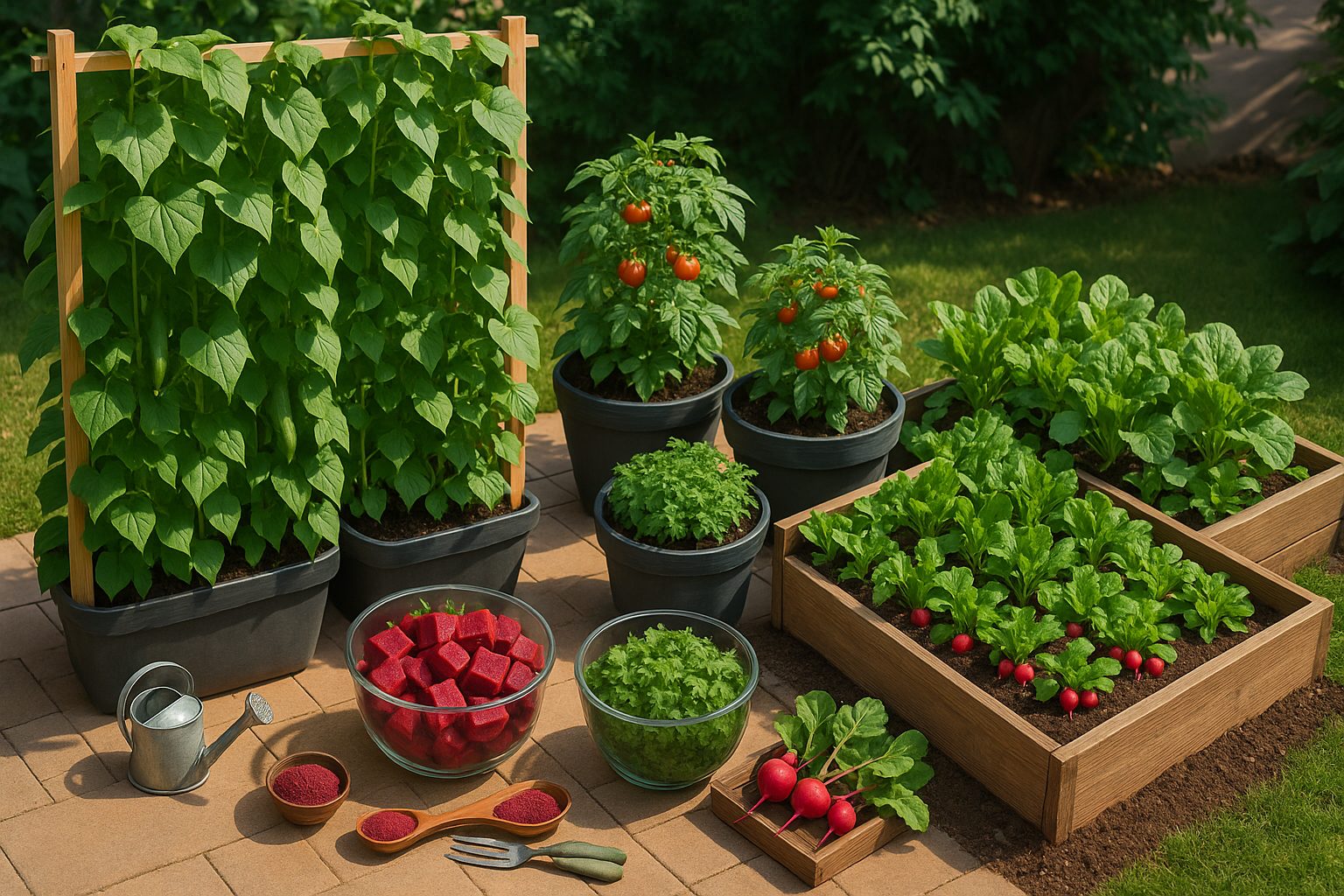
Making the most of your garden space starts with a few smart strategies that even beginners can master. Vertical gardening is a game-changer — think of growing cucumbers, pole beans, or even strawberries up trellises, fences, or stacked planters instead of letting them sprawl out. This not only saves precious ground space but also improves air circulation, reducing disease.
For those with a patio or only a balcony, container gardening opens up new possibilities. Choose compact or dwarf varieties of tomatoes, peppers, or herbs like basil and thyme for pots and window boxes.
Dense planting methods, like the square-foot gardening technique, allow you to grow more by spacing crops closer together. This shades out weeds and maximizes every inch without crowding roots.
Continuous harvests can be achieved by succession planting; for example, after your spring radishes or lettuce finish, replant the spot with bush beans or carrots for a second crop.
Companion planting pairs certain vegetables for mutual benefit — basil with tomatoes to fend off pests, carrots with onions to confuse flies, or beans with corn and squash in the classic Three Sisters method.
Don’t forget to rotate crops each season, moving plant families to different spots (even within containers) to maintain healthy soil and disrupt pest cycles.
With these creative approaches, you’ll be amazed at how much food and beauty you can pack into your growing space, no matter how small.
Tips and Tools for Easy Garden Planning
Planning your garden doesn’t have to feel overwhelming—there are plenty of tools and techniques to make the process simple and even fun. Helpful online tools like Garden Planner, Plan-A-Garden, or apps such as GrowVeg and From Seed to Spoon allow you to map out your beds, try different layouts, and keep track of what you’ve planted with just a few clicks.
Many apps even send reminders about sowing, watering, and harvesting times based on your local frost dates, which is a game-changer for staying organized. If you prefer the tactile approach, printable garden journals or a dedicated notebook can help you sketch plans, list plant varieties, and jot down observations.
Set aside a few minutes each week to review your schedule—use a shared calendar or a simple Excel sheet to log planting dates, bloom times, and harvest yields. Over time, these records become invaluable, helping you spot what worked and what didn’t.
Most importantly, don’t be afraid to tweak your plan as the season unfolds. Weather, pests, and plant performance can all throw surprises your way, so regularly updating your plan lets you adapt quickly and build an even better garden next year.