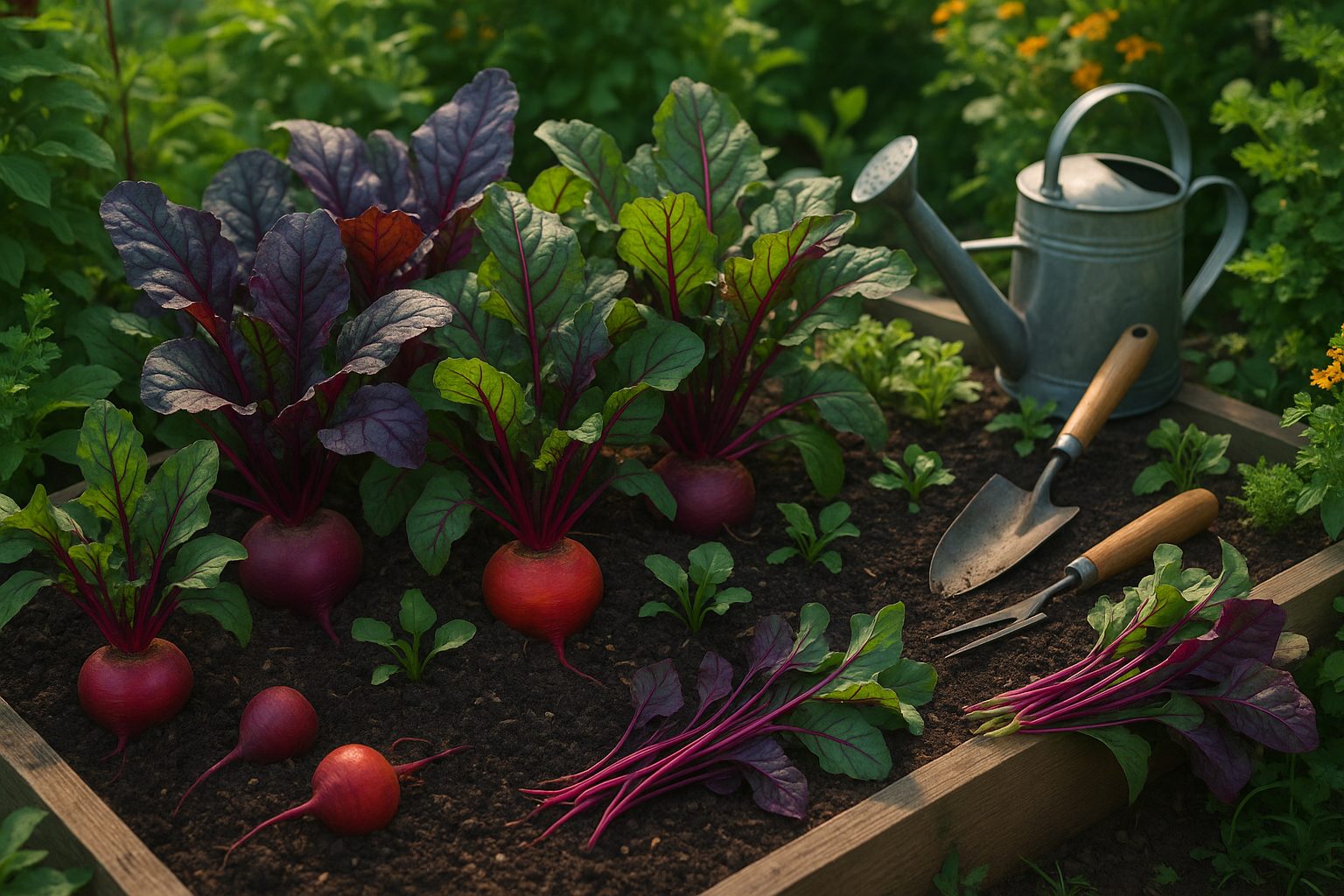
Introduction: The Appeal of Ornamental Beets in Edible Landscaping
Ornamental beets are quickly becoming a favorite among gardeners who want more than just a practical vegetable plot. Edible landscaping—where plants serve both aesthetic and culinary purposes—invites us to reimagine outdoor spaces as both beautiful and bountiful. Instead of limiting edibles to the backyard, more people are now integrating colorful, edible plants into their front yards, borders, or containers.
Decorative beet varieties, with their vibrant leaves and jewel-toned roots, are a perfect fit for this approach. They don’t just look stunning—their colorful stems and striking foliage rival traditional ornamentals—but they also provide delicious, healthy crops you can harvest throughout the season. Whether you need a centerpiece for an edible border or a splash of color in a mixed bed, ornamental beets offer a unique blend of beauty and function.
By planting these dual-purpose vegetables, you’re maximizing your garden’s potential while adding visual interest, attracting pollinators, and sparking conversation. It’s a win-win: your garden nourishes both the eye and the table.
Choosing Beet Varieties with Decorative Appeal
When selecting ornamental beets for edible landscaping, it’s helpful to consider both their striking appearance and palatable flavor. Among the most popular decorative cultivars, ‘Bull’s Blood’ stands out with its deep burgundy leaves and stems that deepen into richer shades throughout the season—making it an eye-catching accent in borders or containers. Its baby leaves are tender and sweet, perfect for salads.
‘Chioggia,’ also known as the candy cane beet, dazzles when sliced open, revealing concentric pink and white rings in the root. Above ground, its rounded, slightly wavy leaves have a glossy green hue with subtle red veins, adding a fresh pop of color to garden beds. Meanwhile, ‘Golden Detroit’ features golden-yellow roots paired with bright green foliage and vivid yellow stems. Its roots offer a mild, slightly earthy flavor, and the leaves are just as attractive as any annual ornamental.
When choosing ornamental beets, look for cultivars labeled as dual-purpose or those noted for both ornamental and culinary use—these are bred to provide not only spectacular looks but also tender leaves and sweet, flavorful roots. Mixing varieties in your beds lets you layer leaf colors and textures, creating eye-catching arrangements.
For the best results, consider your climate and culinary goals: some ornamental beets are better enjoyed raw in salads, while others shine when roasted or pickled. Whichever you choose, be sure to plant them where they’ll receive at least six hours of sun daily to ensure vibrant colors and robust flavors.
Planning and Designing with Ornamental Beets
Incorporating ornamental beets into your edible landscape is a wonderful way to blend beauty and function in your outdoor space. Start by considering their placement—ornamental beets look stunning in border plantings, where their bold foliage can define pathways or frame vegetable beds. The vibrant, jewel-toned leaves work great in mixed beds, especially when paired with plants like purple kale, chartreuse Swiss chard, or silvery sage.
For smaller spaces or patios, try planting ornamental beets in decorative containers alongside trailing herbs such as thyme or oregano for a lush, layered effect that also saves space. Think about color harmony and contrast: the red-veined or glossy green beet greens really stand out when surrounded by lighter greens or soft whites, like those from lettuce or alyssum. Adding the occasional splash of orange nasturtium or zinnias brings dynamic energy to the mix.
To maximize visual interest throughout the seasons, interplant early-maturing beets with spring annuals, and replace spent plants with late-summer varieties for a continual show of color. Choose beet cultivars with unique foliage—like ‘Bull’s Blood’ or ‘Golden Beet’—to boost their ornamental appeal. Stagger your planting dates for overlapping growth stages and a steady stream of fresh texture in the landscape.
Use the upright beet greens to draw the eye: cluster a few together in a drift through a bed, or line the front of an edible border, letting their shimmering leaves anchor the design. Don’t hesitate to let some beets mature and flower; their tall, airy blooms add vertical interest and attract pollinators. Remember, thoughtful spacing not only highlights the architectural shape of the leaves but also ensures healthy air circulation, promoting lush growth.
By treating ornamental beets as both a staple crop and a striking visual element, you’ll create a garden that’s beautiful, productive, and engaging all year round.
Growing Requirements and Care for Ornamental Beets
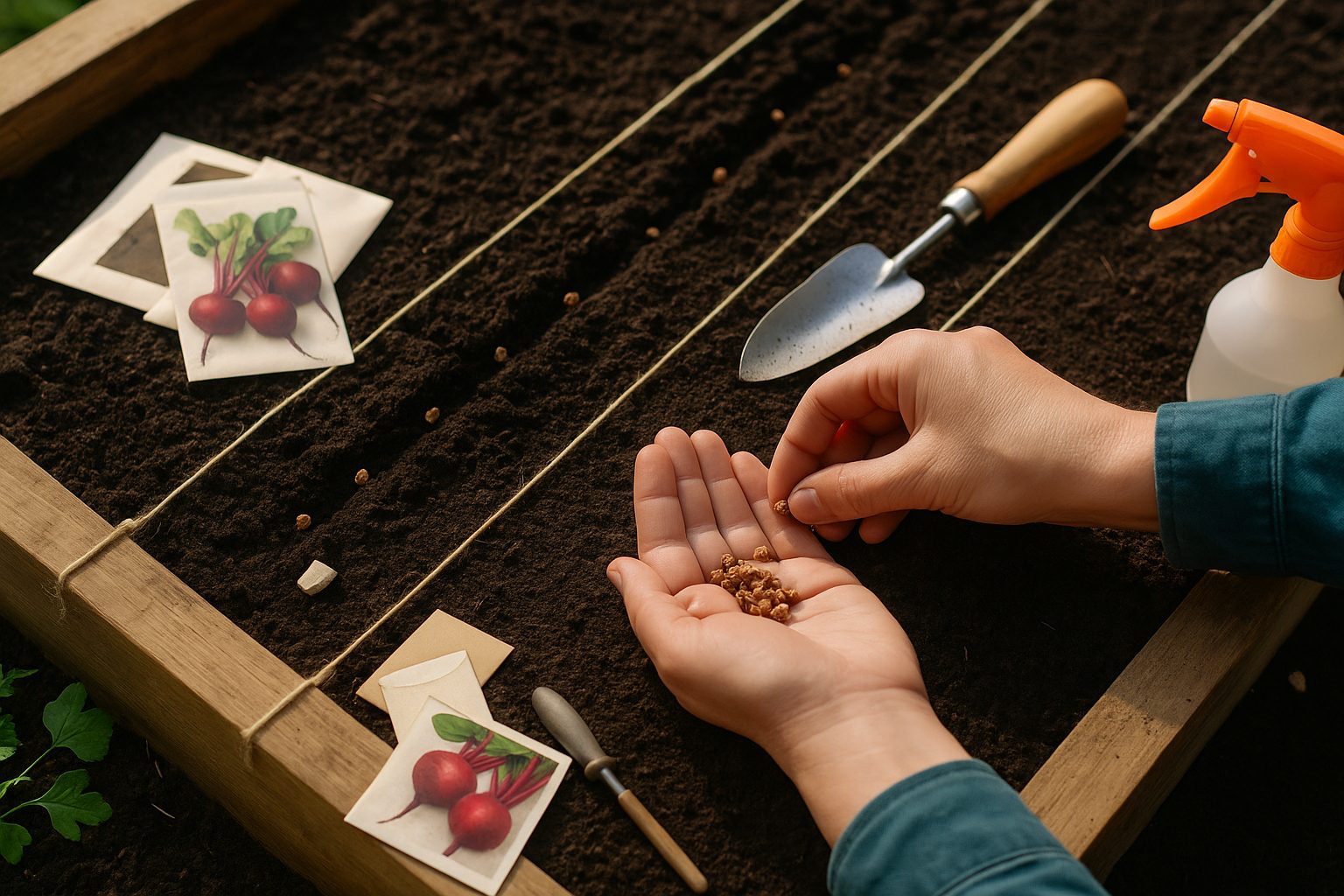
Ornamental beets thrive when provided with the right growing conditions, making them an easy yet stunning addition to your edible landscape. These vibrant plants prefer well-drained, moderately fertile soil rich in organic matter—think loose, crumbly garden beds that allow roots to spread easily. For the best color and leaf development, choose a spot that receives full sun for at least six hours a day, although ornamental beets can tolerate partial shade in hotter climates.
Consistent moisture is essential; aim for evenly moist soil but avoid waterlogging, as soggy roots can quickly lead to rot. Throughout the growing season, applying a layer of mulch helps retain soil moisture and keeps weeds at bay, reducing competition and maintaining a tidy, visually appealing bed.
Fertilize lightly with a balanced, all-purpose fertilizer once or twice during the growing season, but don’t overdo it—too much nitrogen can produce lush foliage at the expense of the vibrant leaf coloration that makes these beets unique. For maintenance, regularly remove damaged or yellowing leaves to promote airflow and deter pests.
Ornamental beets are generally resilient but watch out for aphids, leaf miners, and fungal leaf spots. Control small infestations with insecticidal soap and encourage beneficial insects. Proper spacing between plants helps minimize humidity and reduce disease risk. To keep your ornamental beets striking focal points throughout the season, periodically tidy the surrounding area and refresh the mulch as needed.
Harvesting: When and How to Pick Ornamental Beets for Both Looks and Flavor
Harvesting ornamental beets at the right time is key to balancing their striking visual appeal with delicious flavor. For those vibrant greens that often steal the show, timing is everything—pick outer leaves when they’re about 4–6 inches long and tender. Regularly harvesting these outer leaves not only provides plenty of fresh, mild greens for salads or sautés but also encourages the plant to keep producing lush foliage. Just be sure to leave several inner leaves intact so the beet maintains its decorative structure and energy.
When it comes to harvesting the beet roots, wait until they swell to about the size of a golf ball or slightly larger. At this stage, they’re sweet, succulent, and visually impressive without becoming tough or woody. To keep beds looking full and colorful, try a staggered harvest: pull a few roots here and there instead of clearing out whole rows. This helps maintain a patchwork of foliage, stems, and bulbs for continuous ornamental value.
Use harvested ornamental beets to add fresh, eye-catching slices to garden salads or roast them to highlight their natural candy-striped or golden hues—perfect for plating as edible décor. Meanwhile, the thinned or harvested spots in your beds can be replanted with fast-growing flowers or leafy greens, ensuring your edible landscape never loses its vibrant, ornamental character. By syncing your harvests with your garden’s cycle, you’ll enjoy the best of both worlds—a landscape that’s both beautiful and delightfully edible.
Creative Uses for Decorative Beets in the Kitchen and Garden
Ornamental beets are as practical as they are beautiful, offering endless creative possibilities for both your kitchen and garden. Their vividly colored greens and roots can be enjoyed raw in salads, lending a tender texture and earthy-sweet flavor. Simply chop young beet leaves and slice thin beet roots to toss with a citrus vinaigrette for a refreshing, nutrient-packed dish.
Roasting brings out the natural sugars in both roots and stems, enhancing their vibrant hues while adding savory depth. Roasted beet medleys look stunning on platters and make a perfect accompaniment to grains or proteins.
Don’t overlook the option to pickle: beet roots—whether striped ‘Chioggia,’ golden, or classic red—yield jewel-toned pickles that brighten charcuterie boards. Meanwhile, stems and leaves can be quickly blanched and marinated in vinegar for a crunchy, tangy snack.
For a gourmet touch, the tops and delicate beet flowers can be used fresh as garnishes. A handful of frilly greens or a sprinkle of blossoms instantly makes any salad, soup, or open sandwich more inviting.
Even if you grow more foliage than you can use, beet leaves are a valuable resource. Add extras to your compost pile for nutrient-rich garden soil, or gather particularly striking leaves for table decoration—try placing colorful beet leaves beneath cheese boards or arranging blooms in a small vase for a rustic centerpiece.
By exploring the full culinary and ornamental potential of beet greens, roots, stems, and flowers, you’ll discover that ornamental beets are as versatile for sustainable kitchens as they are for creating eye-catching edible landscapes.
Conclusion: Getting Started with Ornamental Beets for a Beautiful, Edible Garden
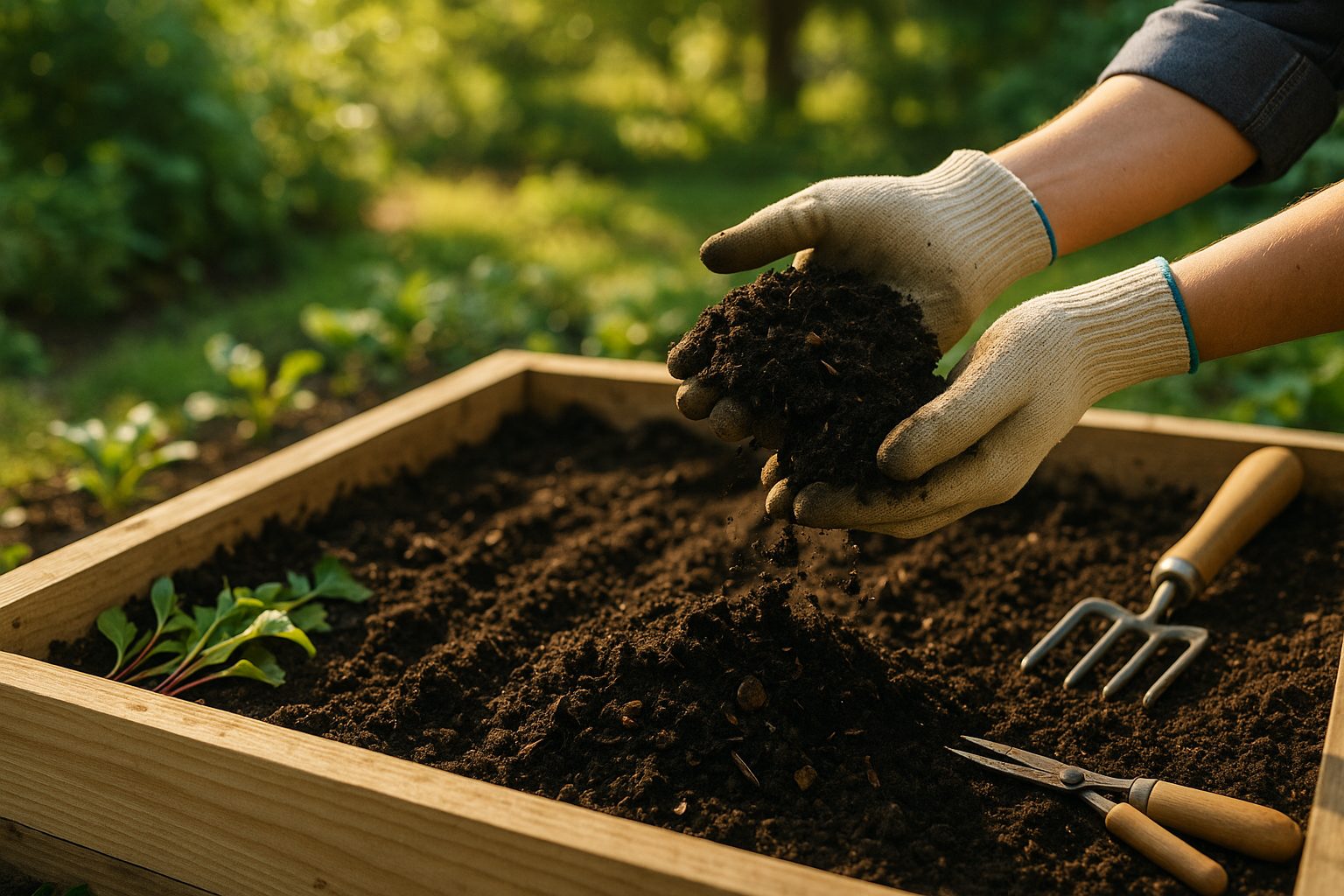
Ornamental beets offer a unique blend of beauty and practicality, making them an excellent choice for anyone interested in edible landscaping. Their vibrant leaves—ranging from deep ruby to bright chartreuse—add instant color and texture to garden beds, borders, or patio containers. At the same time, both their roots and greens are delicious and nutritious, giving you a harvest that’s as appealing on the plate as it is to the eye.
If you’re new to gardening or short on space, try starting with a single ornamental beet variety in a small patch of soil or a large container. They’re generally low-maintenance and adapt well to many gardening styles. As you grow more confident, experiment with different colors and leaf types to find what best suits your taste and design. Don’t forget to share your experiences with fellow gardeners—swapping stories and tips makes the journey even more rewarding!