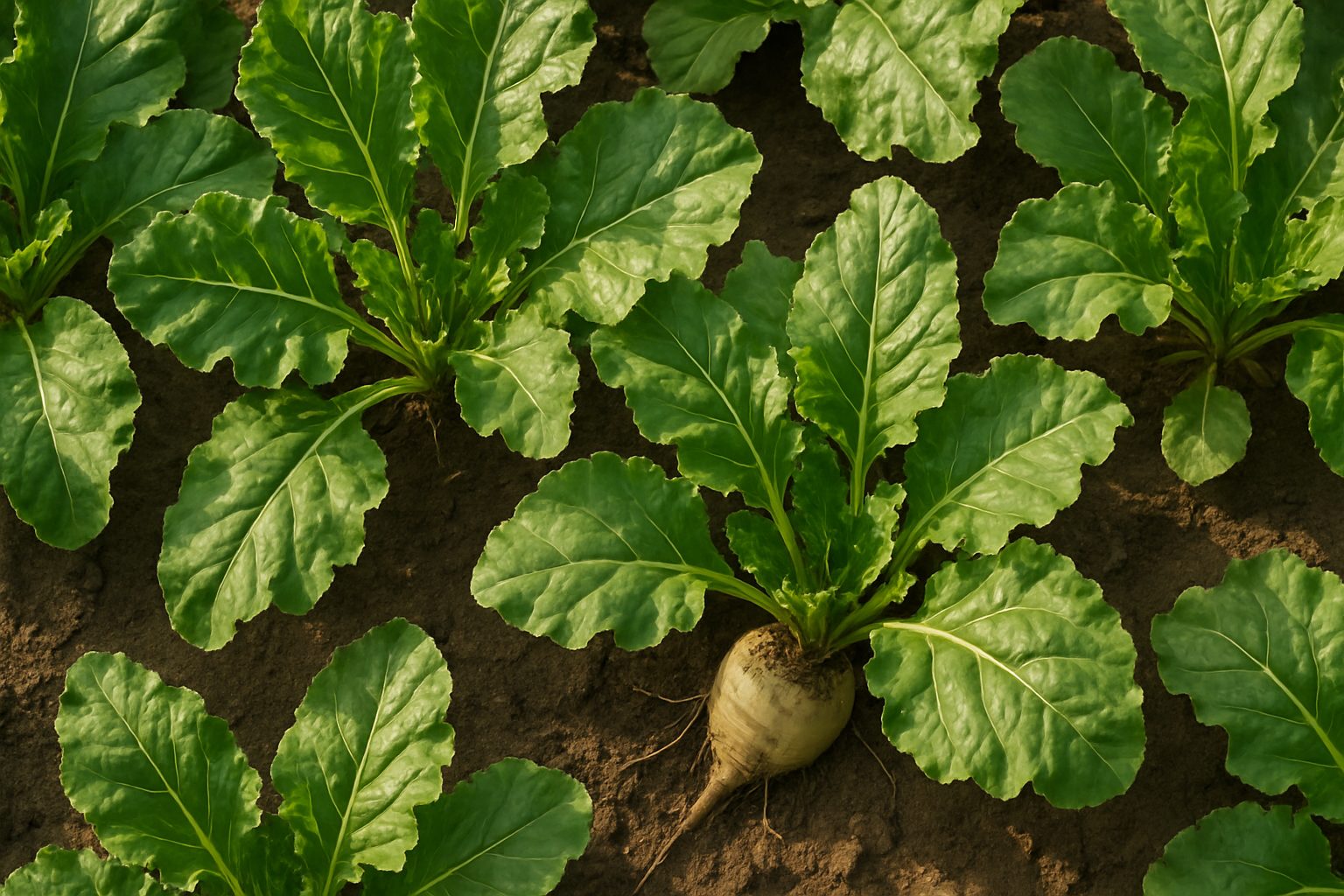
Introduction to Sugar Beet Deficiencies and Disorders
Beet nutrient problems can be a major challenge for both farmers and home gardeners, especially when growing sugar beet—a crop valued worldwide for its sugar content and versatility. Healthy sugar beet plants are essential for achieving high yields and ensuring quality harvests, but even experienced growers can face unexpected setbacks.
Nutrient deficiencies and other physiological disorders are some of the most common issues, quietly affecting plant vigor, reducing root size, and ultimately lowering both yield and sugar content. Symptoms such as leaf yellowing (chlorosis), twisted or deformed leaves, and interveinal discoloration often indicate problems beneath the soil, where essential nutrients may be missing or imbalanced.
For example, magnesium deficiency causes characteristic yellowing between leaf veins, while broader mineral shortages can lead to stunted growth or abnormal leaf shapes. Fortunately, recognizing these signs is the first step toward prevention and effective treatment.
In this post, we’ll break down the most critical beet nutrient problems you might encounter, explore the telltale signs with real-world field examples, and share practical strategies for restoring your sugar beet crop to health—helping you get the most from your efforts season after season.
Identifying Chlorosis in Sugar Beet

Chlorosis is a condition where plant leaves turn yellow due to insufficient chlorophyll. It’s a common issue for sugar beet growers, especially in fields with imbalanced nutrients or unfavorable soil conditions. This yellowing appears as pale or lemon-colored leaves instead of the healthy bright green you’d expect, usually starting with the younger leaves at the top of the plant and gradually moving downward.
In sugar beet, magnesium and iron deficiencies are the leading causes, since these minerals are essential for chlorophyll production. For example, when roots can’t access enough magnesium, older leaves show yellowing between the veins, while an iron shortage tends to affect new growth first. Water stress—whether from drought or overwatering—can also trigger chlorosis because poorly hydrated roots struggle to absorb nutrients.
Soil pH plays a surprisingly big role; when it’s too high (alkaline), sugar beets have trouble absorbing micronutrients even if those nutrients are present in the soil. Chlorosis often appears during the rapid growth period in late spring or early summer, when nutrient demands are highest. You might first notice faint yellowing in the younger leaves, which can quickly worsen, stunting growth and reducing root yields if left unaddressed.
Experienced growers watch for these early warning signs in late May or June since catching chlorosis early allows for adjustments in fertilization or irrigation before the problem spreads. Quick soil testing and tissue analysis are practical tools to diagnose nutrient deficiencies, enabling you to act fast and keep your sugar beet crop strong throughout the growing season.
Leaf Deformation and Root Abnormalities

Sugar beet growers often face leaf and root deformities that can threaten yield and crop health if not addressed early. Common leaf issues include curling, yellowing, or puckering, which usually signal stress. For example, curled leaves can indicate drought or high winds, while yellowing often points to nutrient deficiencies like nitrogen or magnesium.
Stunted growth or deformed, twisted roots might suggest compacted soil, waterlogging, or nutrient deficiencies. However, similar symptoms can also result from pests such as beet cyst nematode infestation, which causes knotted or stubby roots, or diseases like rhizomania, which leads to hairy, excessive root branching and irregular leaf growth.
To distinguish between physiological or environmental problems and those caused by pests or pathogens, observe symptom patterns. Uniform symptoms across a field usually indicate soil compaction, nutrient imbalance, or weather stresses. In contrast, random patches or spots may signal localized infections or pest hotspots.
Regularly walk your fields to check leaves and roots for unusual colors, shapes, or textures. Dig up plants showing signs of stress and inspect roots for swelling, discoloration, or rot. Keeping detailed notes or photos can help track changes over time or the spread of issues.
Respond quickly to suspicious patterns: adjust irrigation and fertilization as needed, test soil if you notice slow growth or discolored leaves over large areas, and act promptly if pests or disease are suspected to treat the problem and prevent further spread. Early intervention is essential for managing sugar beet health and protecting your harvest.
The Role of Magnesium in Sugar Beet Health
Magnesium plays a crucial role in the health and productivity of sugar beet crops, mainly because it is a central component of chlorophyll—the pigment responsible for photosynthesis. Without enough magnesium, sugar beets can’t efficiently convert sunlight into energy, which hinders their growth and sugar production.
One major sign of magnesium deficiency in sugar beet is interveinal chlorosis, where the tissue between leaf veins turns yellow while the veins remain green, especially on older leaves. This is often accompanied by stunted plant growth and poor root development, both of which can significantly reduce overall yield.
Deficiency is more common in light, sandy soils that don’t retain nutrients well or after long periods of excessive rainfall that leach magnesium from the soil. High levels of potassium fertilizer can also limit magnesium uptake due to competition between these nutrients.
To manage this, it’s important to routinely test both soil and plant tissue for magnesium levels. Soil testing kits and laboratory analysis can reveal if fields are below recommended magnesium thresholds, while tissue testing during the growing season can catch deficiencies early—before symptoms become severe. Combining these tests helps farmers make informed decisions about whether and how much magnesium to apply, ensuring healthy, productive sugar beet crops.
Preventing and Managing Sugar Beet Deficiencies
Preventing and managing sugar beet deficiencies starts with understanding your soil’s unique makeup—regular soil testing is essential for revealing hidden nutrient shortages before they impact growth. Aim to keep nutrients balanced by following tailored fertilization plans; over-applying or neglecting key elements like nitrogen, phosphorus, potassium, or magnesium can stunt beets or trigger unwanted disorders.
Crop rotation is another powerful strategy: rotating sugar beets with legumes or cereals disrupts pest and disease cycles while improving soil structure and fertility naturally. Irrigation management matters too—avoiding both drought stress and waterlogging supports strong root development and reduces the risk of nutrient leaching.
If deficiencies do arise, timely treatment is vital; for example, foliar sprays and targeted magnesium fertilizers like YaraVita MAGFLO 300 can quickly correct shortages, but always apply these based on actual soil and plant needs.
For a holistic approach, blend natural techniques such as planting cover crops, encouraging beneficial soil organisms, and integrating organic matter through compost or manure. The key is vigilance—consistently scout fields for early deficiency symptoms such as interveinal chlorosis or poor root formation, and intervene promptly to minimize long-term yield impacts.
By combining these best practices, farmers can build resilient, nutrient-rich soils that support healthy and productive sugar beet crops season after season.
Conclusion and Additional Resources
Early detection and proper management of sugar beet deficiencies and disorders are crucial for protecting both crop yields and a farmer’s bottom line. When issues like nutrient shortages, pests, or diseases are overlooked, sugar beet plants struggle to develop, resulting in reduced sugar content and smaller harvests. This can lead to noticeable financial losses by the end of the season.
Farmers who regularly scout their fields, use soil testing, and maintain open communication with experts can catch problems before they escalate. For tailored advice or in-depth guidance, reach out to your local agricultural extension service—they often provide free or low-cost support.
Large agrochemical suppliers also offer technical services and up-to-date recommendations on products to manage various deficiencies. Additionally, connecting with local or national beet grower organizations can provide peer support, field day events, and shared success stories. These resources are excellent starting points to stay informed, improve your farm’s outcomes, and tackle new challenges with confidence.