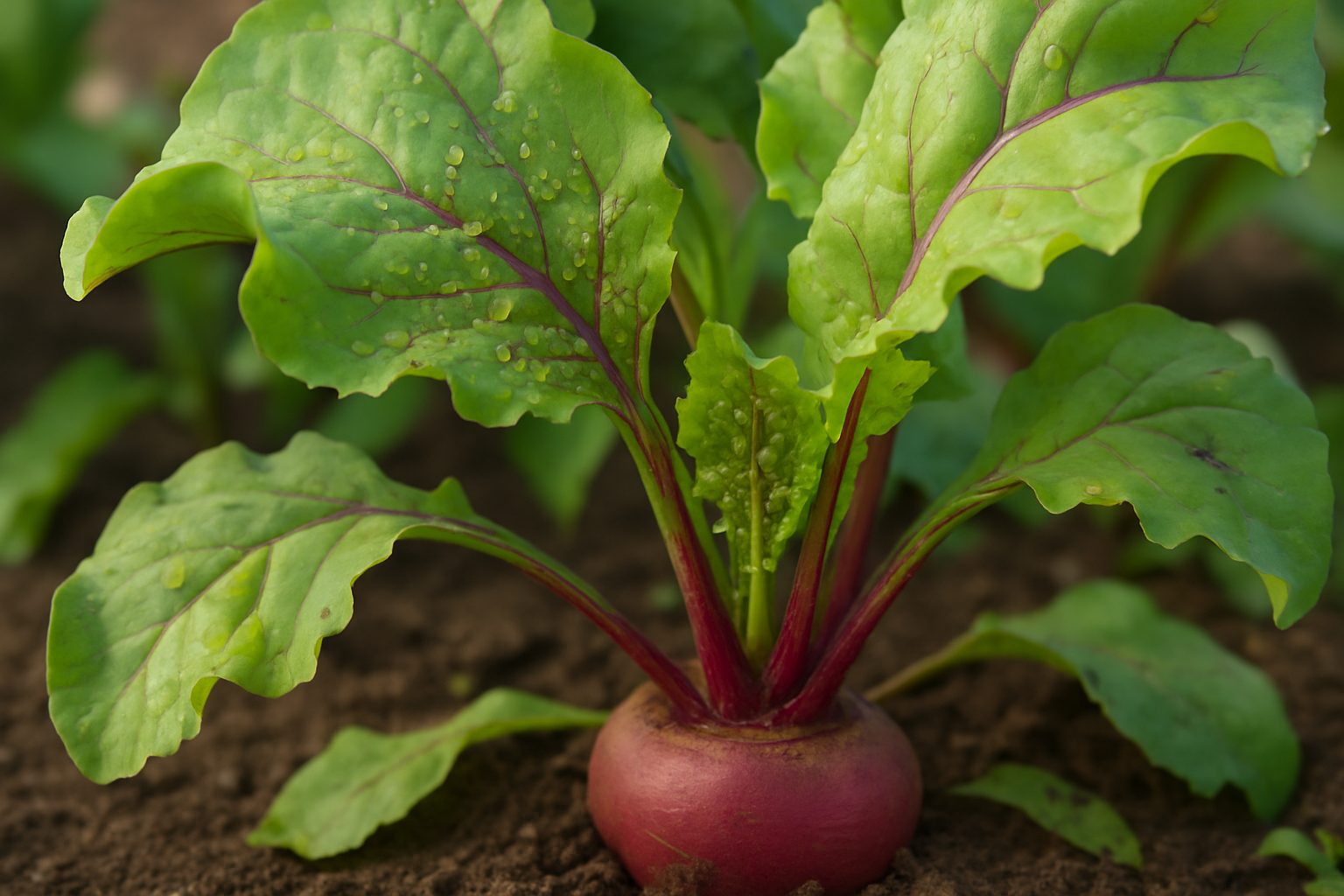
What Are Aphids?
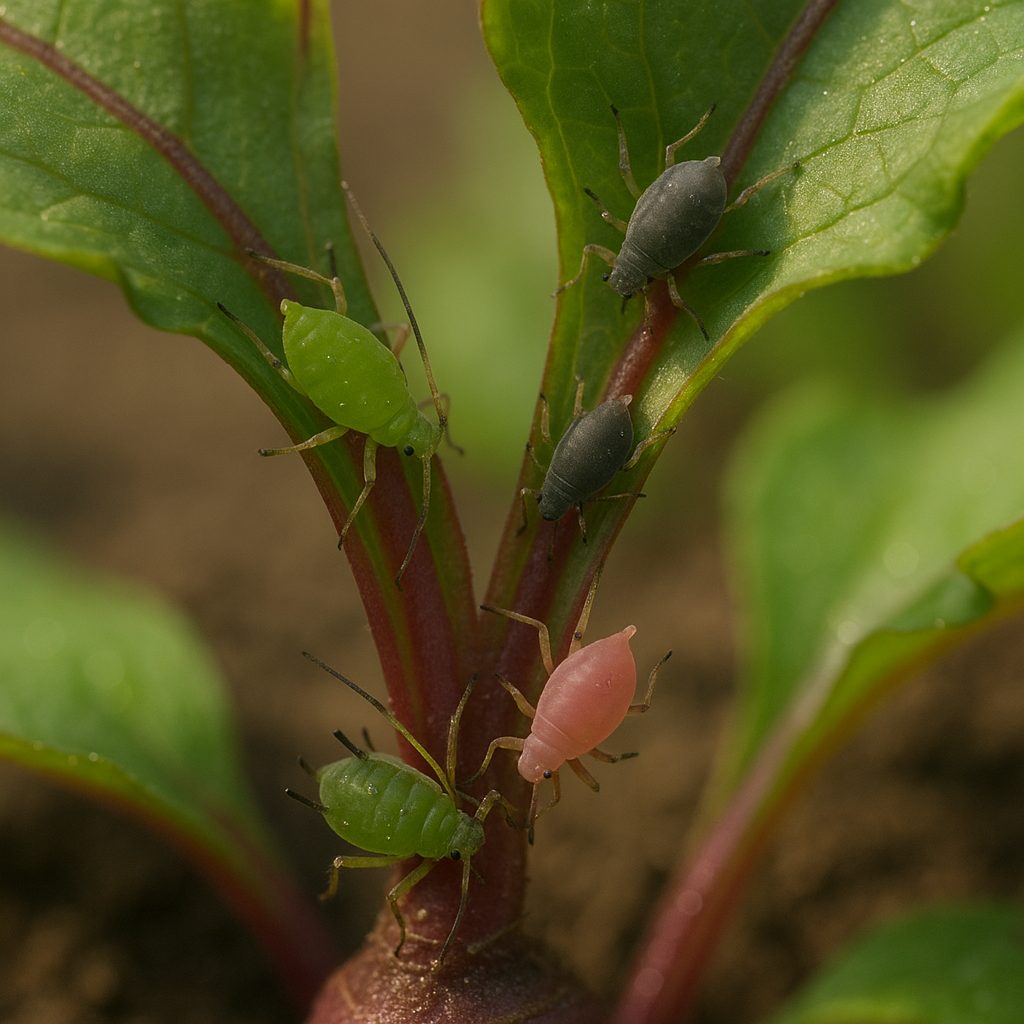
If you’ve ever noticed clusters of tiny, soft-bodied insects clinging to your beet plants, you’re likely dealing with aphids on beets. These pests are small—often green, but sometimes black, gray, or even pink—and have pear-shaped bodies adorned with delicate antennae. Aphids reproduce at an astonishing rate, thanks to their ability to give birth to live young without mating, a process known as parthenogenesis. In favorable conditions, a single aphid can lead to an infestation in just a matter of weeks. This rapid reproduction is a key reason why aphids are a persistent worry for gardeners.
Aphids are drawn to beets and other vegetables because they feed by piercing plant tissue and sucking out the sap, which depletes vital nutrients. This weakens the plants, causes curling or yellowing leaves, and can even stunt growth. Additionally, as aphids feed, they excrete a sticky substance known as honeydew, which can attract other pests or diseases like sooty mold. Beets, with their tender leaves and rich sap, are an ideal target. Understanding the lifecycle and behavior of aphids is crucial for gardeners who want to protect their crops and minimize damage early on—before populations explode and threaten an entire harvest.
Signs of Aphid Infestation on Beets
Spotting an aphid infestation early is crucial for keeping your beet plants healthy. The most noticeable signs include curled, distorted, or yellowing leaves—aphids feed by sucking sap, which weakens leaves and stunts growth.
Look closely at the undersides of leaves where large groups of tiny, pear-shaped aphids gather; they range in color from green and black to gray, depending on the species. Another giveaway is the sticky substance called honeydew, which aphids excrete as they feed. This residue can make beets feel tacky to the touch and may attract ants or lead to sooty mold—a dark, powdery fungus that thrives on honeydew and can further block sunlight from reaching leaves.
Over time, heavy infestations will cause plants to look wilted, stunted, or fail to develop healthy roots, which directly reduces your beet harvest.
It’s important to differentiate aphid damage from issues caused by other pests or diseases. For example, leaf miners leave winding, translucent trails inside leaves, while beet leaf spot creates distinct brown or black spots with yellow halos. If you see actual clusters of small, soft-bodied insects plus sticky leaves and ants crawling up stems, aphids are the likely culprit.
Scanning your beets regularly and checking under leaves can help you catch and manage aphid problems before they impact your entire garden.
Are Aphids Dangerous to Beets?
Aphids can pose a notable threat to beet plants, but their level of danger often depends on the severity of the infestation and the plant’s overall health. In small numbers, aphids are mainly a nuisance; they feed on beet leaves by sucking out sap, which can lead to curled or yellowed foliage and sometimes leave behind a sticky residue called honeydew.
However, visible damage isn’t always just about the aphids themselves—wilting, drooping, or slowed growth may also signal that your beets are stressed by other issues like poor soil, inconsistent watering, or extreme temperatures.
Light infestations often resolve naturally as beneficial insects such as ladybugs or lacewings prey on aphids, so you may not need to take action. Monitor your plants closely, though—if you notice large numbers of aphids clustering on leaves and new shoots, or if your plants start to look noticeably weakened, it’s time to step in.
A firm spray of water can dislodge most aphids, or you can use insecticidal soap for more stubborn problems. Ultimately, healthy beets can generally withstand minor aphid pressure, but bigger outbreaks deserve quick attention to keep your crop thriving.
Natural Predators and Beneficial Insects
One of the most effective and eco-friendly ways to control aphid populations in your garden is by attracting their natural predators. Ladybugs are well-known aphid hunters—just a single ladybug can consume as many as 50 aphids a day. Lacewing larvae are also voracious eaters, targeting aphids along with other soft-bodied pests. Parasitic wasps offer another line of defense by laying their eggs inside aphids, which ultimately stops infestations from spreading.
Encouraging these beneficial insects offers a chemical-free pest control solution, helping to keep your garden balanced and reducing your reliance on pesticides that can harm pollinators and other helpful bugs.
To attract these insect allies, incorporate a variety of plants with small flowers such as dill, fennel, yarrow, and alyssum, which provide pollen and nectar as alternative food sources. Allowing a few “wild” corners in your yard or adding mulch and ground cover can give predators shelter and a place to lay eggs. Avoid using broad-spectrum insecticides, as these can harm beneficial insects along with pests.
By supporting a healthy ecosystem in your garden, you’ll create a natural shield against aphids and enjoy more robust, thriving plants.
Effective Ways to Manage Aphids on Beets
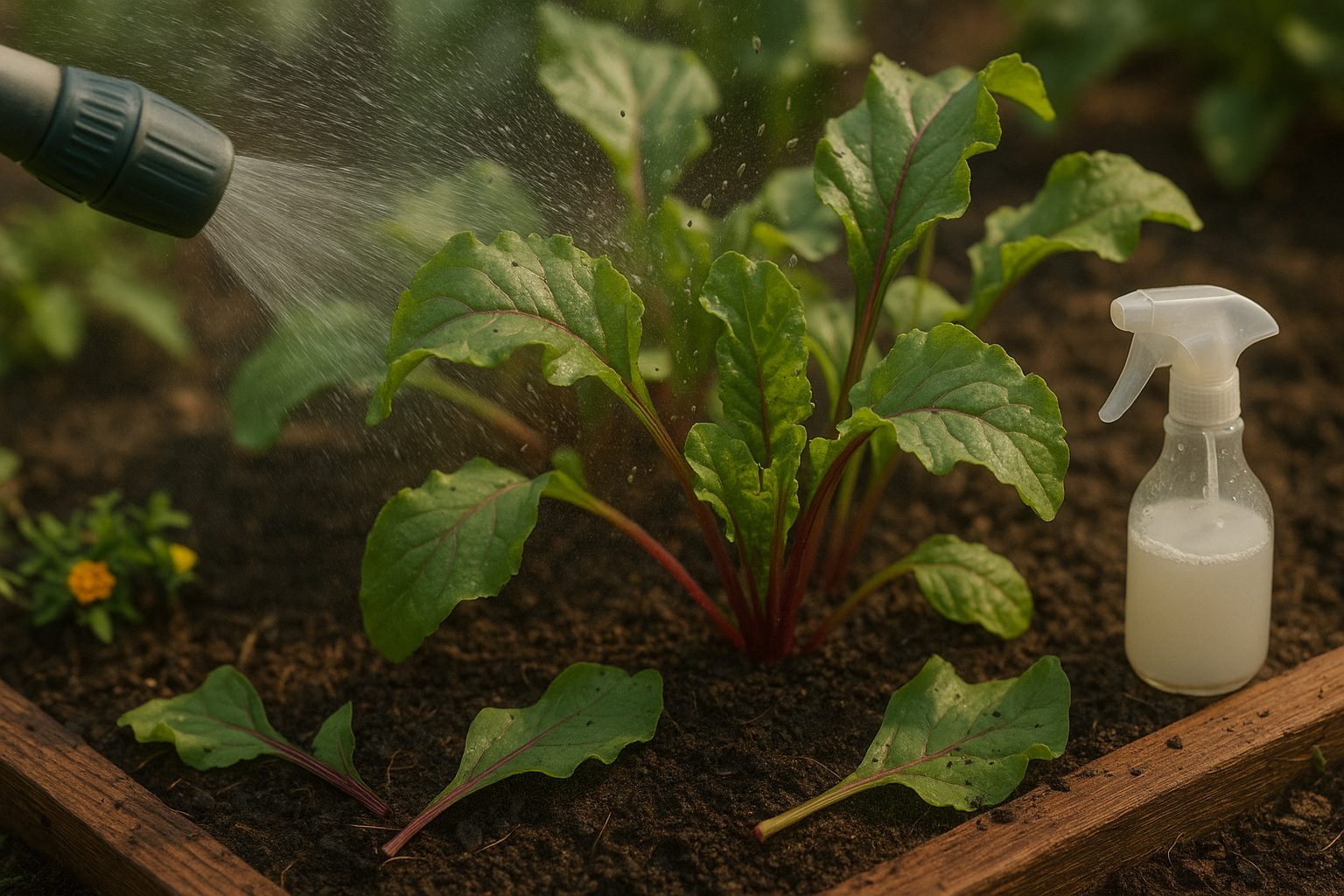
Managing aphids on beets doesn’t have to involve harsh chemicals—gentle and organic solutions can be surprisingly effective. Start with the simplest methods: inspect your beet plants regularly, and if you spot aphid clusters, pinch or wipe them away by hand or cut off heavily infested leaves.
A strong blast of water from a hose often dislodges aphids, disrupting their life cycle without harming your plants. For a bit more power, make a homemade soapy water spray by mixing a few drops of mild dish soap in a quart of water; spray this directly on the aphids, targeting the undersides of leaves where they tend to hide. Always rinse your plants with plain water a few hours later to avoid leaf damage.
If you’re looking for organic, non-toxic options, neem oil and insecticidal soap sprays are effective and widely available at garden centers—they suffocate aphids but break down quickly in the environment, reducing harm to beneficial insects when applied carefully. Remember, chemical pesticides should be a last resort; while they kill aphids, they also harm helpful insects like ladybugs and bees, potentially unbalancing your garden’s ecosystem.
Long-Term Strategies
For long-term success, think integrated pest management (IPM):
- Plant companion flowers like marigolds or nasturtiums to attract natural aphid predators.
- Encourage ladybugs and lacewings in your garden.
- Rotate crops each season.
- Keep your beet patch healthy with good soil and regular weeding.
By combining these gentle methods, you not only control aphids sustainably, but also encourage a vibrant, resilient garden.
Preventing Aphid Problems in the Future
Preventing aphid problems starts with keeping your garden resilient. Healthy soil is your first line of defense, so mix in compost and organic matter each season to boost plant vigor and make them less attractive to pests. Water properly—avoid letting plants get drought-stressed, but don’t overdo it since soggy roots can weaken them too.
Rotate crops every year to confuse aphids and break the lifecycle of any lingering pests. Regular walks through your garden matter more than you think: check under leaves and along stems for clusters of aphids so you can act fast at the earliest signs.
Diversify what you plant, too. Mixing flowers and herbs with your veggies not only attracts beneficial insects like ladybugs and lacewings, but also disrupts aphid populations. By combining these habits, you’ll build a healthier garden that naturally keeps aphid outbreaks in check.