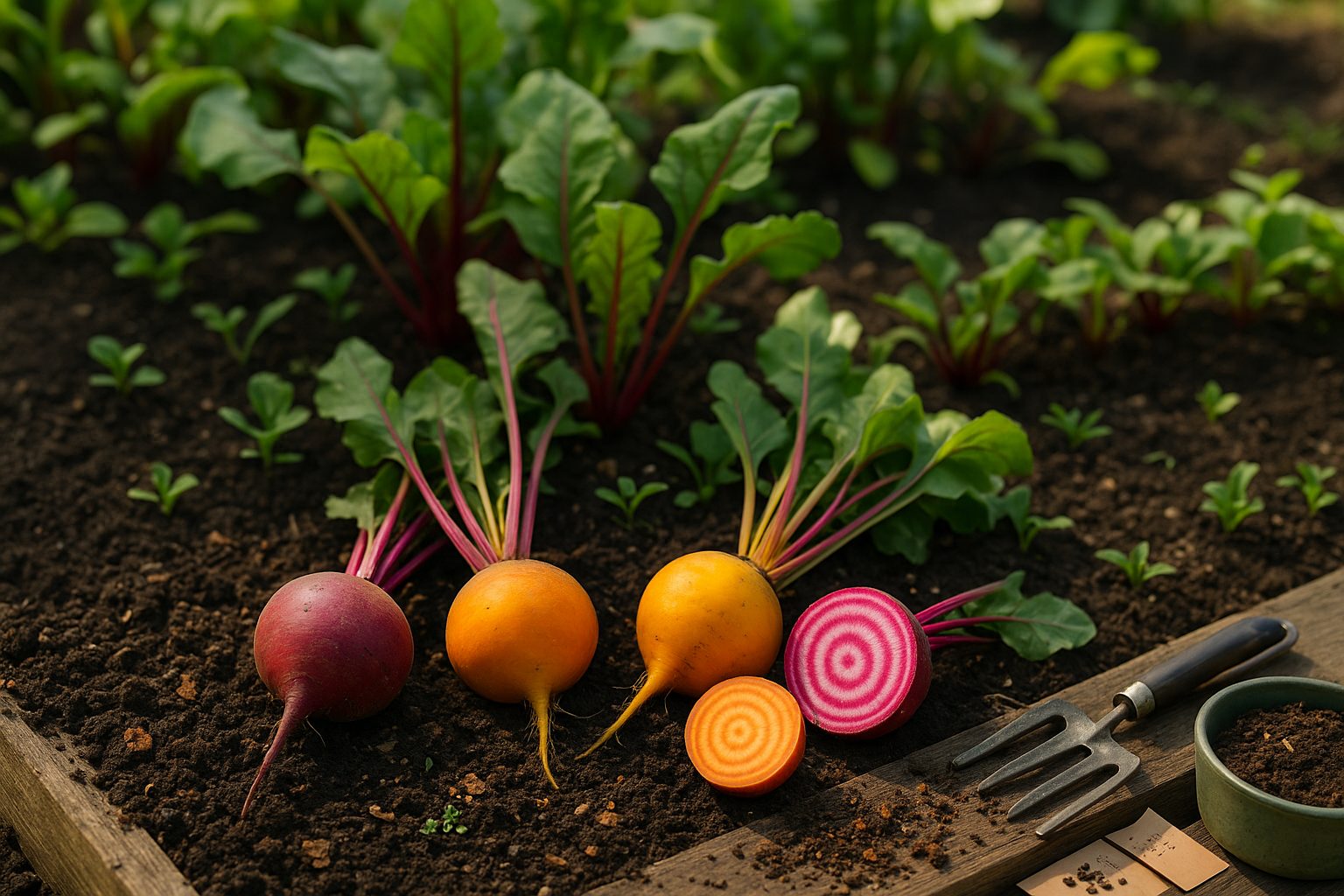
Introduction to Growing Beets
Learning how to grow beets at home is a rewarding experience, especially for beginner gardeners eager to enjoy colorful harvests in just a few short weeks. Beets are an ideal crop—even if you’re new to gardening—because they germinate quickly, thrive in both garden beds and containers, and require minimal fuss.
Their fast growth means you don’t have to wait all season to start enjoying the fruits (and greens!) of your labor. Plus, you get double the harvest: not only the sweet, earthy roots but also the tender, vitamin-rich greens that are perfect for salads, sautés, and smoothies.
Packed with essential nutrients like folate, fiber, and antioxidants, beets support heart health and boost your immune system. Their vibrant reds, yellows, and stripes add a playful touch to your table and make mealtime more exciting. Whether you’re roasting, juicing, or pickling, beets adapt beautifully to a variety of dishes.
Their reliability, minimal space requirements, and dual-purpose harvest make them a staple for anyone looking to start a productive, healthy, and colorful garden—no green thumb required. If you’re ready to dive into home gardening, beets are the perfect place to begin.
Choosing Beet Varieties and the Best Planting Time
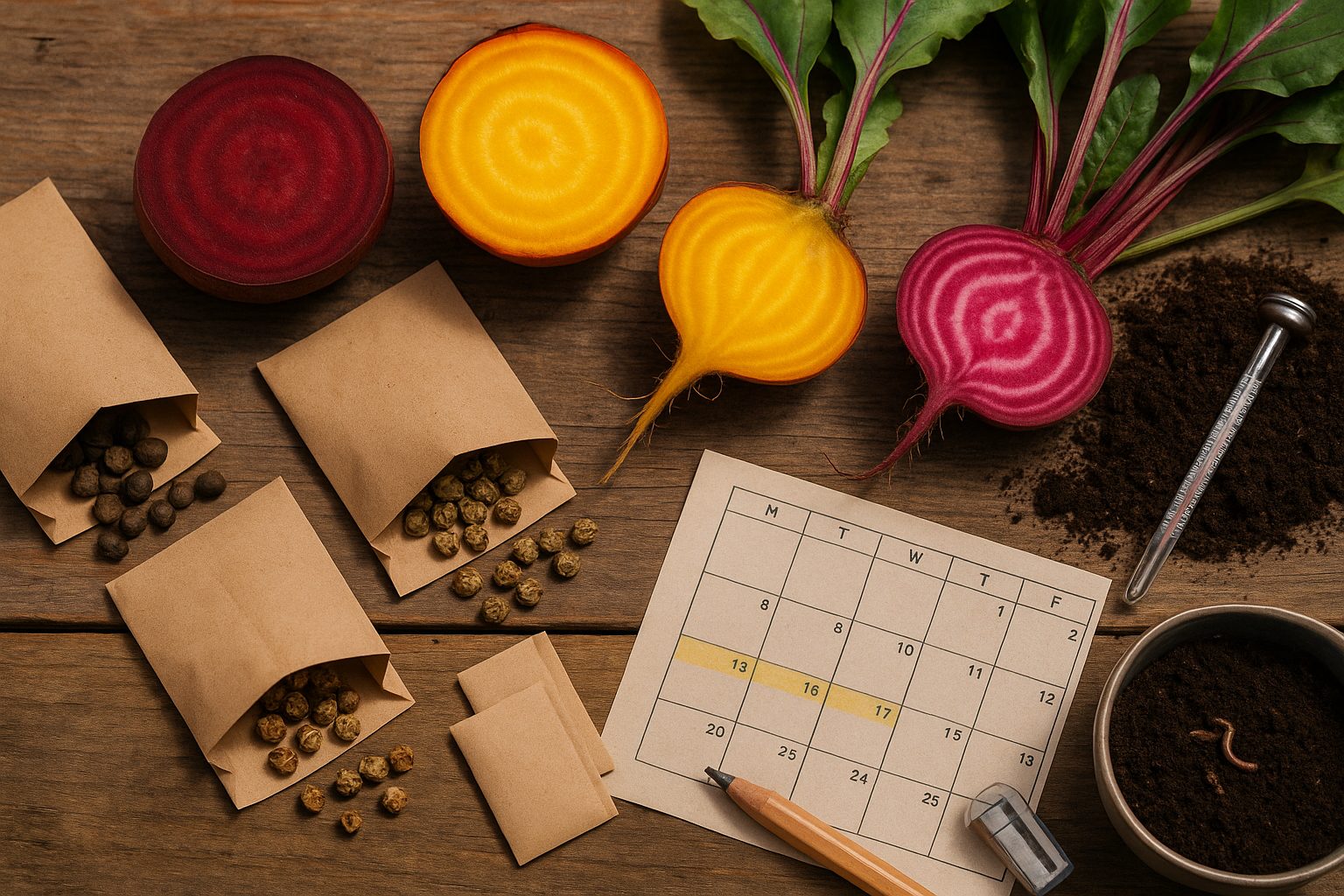
When choosing beet varieties for your garden, start with the classics: deep-red Detroit Dark Red beets are reliable, quick to mature, and offer that signature earthy flavor perfect for roasting or juicing. Golden beets provide a milder, slightly sweet taste and won’t stain your hands or salads, making them a favorite for fresh eating. For something visually stunning, try Chioggia beets—these Italian heirlooms feature striking pink-and-white rings inside and have a mellow taste, great for slicing raw in salads.
Specialty types like Cylindra, which grows in a carrot-like shape for easy slicing, or baby beets, harvested young for tender greens and roots, can elevate both your garden and kitchen variety. Match your beet selection with your local climate:
- In cooler regions, beets grow best in spring and fall, planted a month before your last spring frost or in late summer for a fall harvest.
- In areas with mild winters, such as the southern US or coastal zones, you can plant beets in fall for winter or early spring harvests. The seeds tolerate light frosts and even perform better as temperatures cool, which helps prevent bolting and tough roots.
When selecting varieties, also consider how you’ll use them: red beets are robust for borscht or canning, golden beets brighten up salads, while Chioggia’s candy stripes add flair to veggie platters. Always check the seed packet for days to maturity and allow enough time for them to develop before hot weather or heavy frosts arrive. Generally, plant beets every 2-3 weeks for a staggered harvest if you love a steady supply.
With a bit of planning and clever variety choices, you can enjoy beets perfectly suited to your palate and your climate from early spring through late autumn.
Preparing Soil and Selecting the Right Site
When starting a new garden, setting up the right foundation with soil and site selection is crucial for healthy plant growth. The best soil is loose and crumbly in texture, allowing roots to expand easily. It should drain well to prevent waterlogging but also hold enough moisture for consistency.
For optimal plant growth, aim for soil rich in organic matter, such as compost or well-rotted manure. This not only improves fertility but also boosts soil structure. To determine if your soil needs help, use an inexpensive soil pH test kit from a garden store; most vegetables prefer slightly acidic to neutral soil (pH 6.0–7.0). If your pH is off, you can add lime to raise it or sulfur to lower it—just follow the package directions.
For simple aeration, turn the soil with a garden fork or rototiller to break up compacted areas.
Site selection matters just as much:
- Pick a spot that gets at least 6 hours of sunlight daily and has good air circulation.
- Even moisture is key, so watch how rain drains—avoid places where water pools or runs off too quickly.
If your native soil is heavy clay, sandy, or otherwise poor, don’t be discouraged. Amend existing soil with generous amounts of compost or well-rotted organic matter each season. Alternatively, raised beds are a quick fix; you can fill them with a quality garden soil mix tailored for vegetables or flowers.
Raised beds also warm up faster in spring and offer better control over soil texture and drainage, making them a great option for challenging locations. With just a bit of initial prep, you’ll give your plants the best possible start.
Planting Beets: Seeds, Spacing, and Early Care
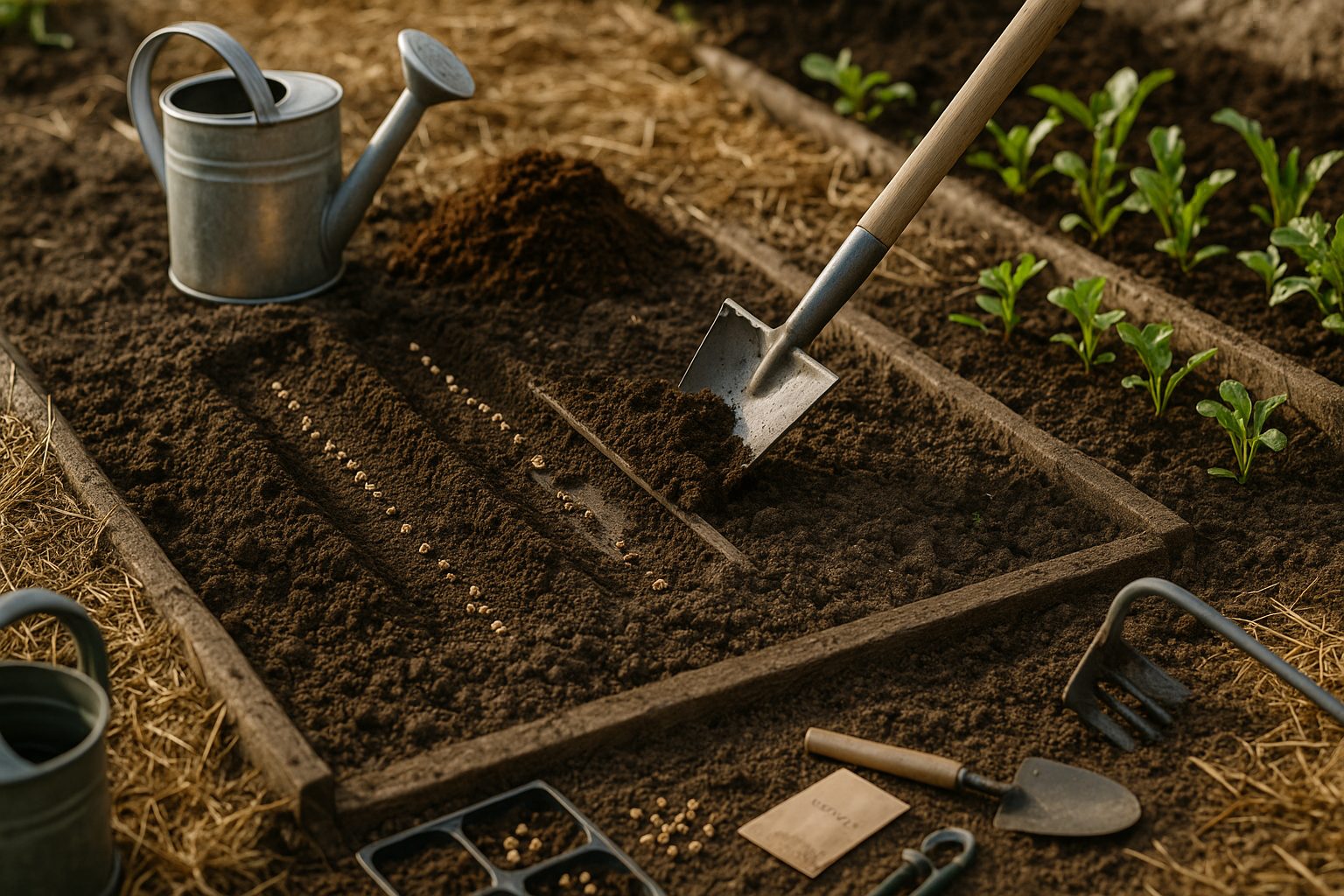
To get started with beets, sow seeds directly into the garden once the soil has warmed to at least 50°F (10°C), typically two to four weeks before your region’s last expected frost. Using a hoe or your finger, make shallow trenches about 1/2 inch deep. Drop seeds in rows, spacing each seed about 1 to 2 inches apart, and set rows 12 inches apart to give plants room for good airflow and easy harvesting.
Gently cover the seeds with soil and water well. If you prefer to start beets indoors, sow seeds in biodegradable pots about four weeks before the last frost, then transplant the entire pot outdoors after hardening off. However, beets generally do best sown directly since they dislike root disturbance.
As the seedlings reach 2 to 3 inches tall, thin them by snipping extra plants at soil level so that each beet is spaced 3 to 4 inches apart; thinned greens are tasty in salads.
Consistent moisture is crucial—aim for regular, deep watering, especially during dry spells, as uneven watering can cause tough or split roots. Apply a 1- to 2-inch layer of mulch around seedlings to keep the soil cool, suppress weeds, and retain moisture.
Label each row with the beet variety and planting date using weatherproof garden markers to stay organized and track growth. With these simple, step-by-step practices, you’ll help your beet seedlings thrive, giving them the best shot at forming plump, flavorful roots.
Feeding, Watering, and Beet Plant Maintenance
Proper watering is crucial for healthy beet growth. Aim for consistent moisture: the soil should feel damp but not soggy, as waterlogged roots can rot, while dry spells stunt beet development. Water deeply once or twice a week, adjusting for rain or heat, and try to water early in the day to reduce evaporation.
A 2-3 inch layer of organic mulch—like straw or shredded leaves—helps maintain moisture, suppress weeds, and keep the soil cool.
For feeding, beets benefit from a balanced fertilizer or well-rotted compost mixed in before planting, followed by a light side-dressing of compost or a low-nitrogen fertilizer midway through the growing season. Too much nitrogen leads to lush leaves but tiny roots, so check labels and choose blends formulated for root crops.
Keep beds weed-free since beets don’t compete well, especially when seedlings are small. Hand-pull weeds or carefully hoe between rows, being gentle to avoid disturbing shallow beet roots.
Healthy beet greens should be deep green and upright—pale or yellowing leaves signal nutrient deficiencies, often nitrogen or magnesium. Adding a compost tea or diluted fish emulsion can help revive struggling plants. Wilting or browning edges could mean underwatering, while limp, dark, or mushy roots point to excess water.
Watch for pests like leaf miners or aphids, and remove any chewed or diseased leaves promptly. With vigilant care, you’ll enjoy a harvest of crisp greens and plump, sweet beet roots.
Common Beet Problems and Natural Solutions
Growing beets can be hugely rewarding, but common pests and diseases can quickly become a headache if left unchecked.
Leaf miners burrow between leaves, creating telltale squiggly trails, while aphids cluster on stems and undersides, stunting growth and deforming foliage.
For pests, try using floating row covers early in the season to block insects, or attract natural predators like ladybugs and lacewings by planting flowers nearby. If you spot leaf miners, remove affected leaves and dispose of them away from your garden. Insecticidal soap or neem oil sprays also work well for aphids.
Fungal leaf spots appear as dark, spreading lesions, while seedlings suddenly collapsing and rotting at the base signal damping off—a common issue in wet conditions.
Stop these diseases by watering only at the base, keeping leaves dry, and promptly removing any infected plants.
Good prevention is key:
- Rotate your beet beds each year.
- Ensure rows are spaced for plenty of airflow.
- Keep all tools and beds tidy from plant debris.
These steps create a less hospitable environment for pests and fungi.
If you run into persistent problems or can’t identify what’s harming your beets, don’t hesitate to reach out to your local extension service or neighborhood gardening group for tailored advice—they’re great resources with expertise specific to your region.
Harvesting, Storing, and Enjoying Your Beets
Knowing when to harvest your beets is key to getting the best flavor and texture. Most beet varieties mature in about 50 to 70 days from planting, but the real clue is their size and appearance—a good rule is to pick them when the roots are about the size of a golf or tennis ball (1.5 to 3 inches across). Check their shoulders, which should be poking slightly above the soil and feel firm to the touch.
Smaller beets offer more sweetness and tenderness, while larger ones can become woody. To harvest, gently loosen the soil around the beet with a garden fork to avoid damaging the roots, then pull them out by grasping the greens near the root crown.
Immediately trim the leafy tops about an inch above the root—leaving the stem intact helps prevent bleeding and preserves freshness. Handle the roots carefully, as bruising or nicks can cause them to spoil faster.
Storing Your Beets
For storage, fresh beets can go into the refrigerator where they’ll last for up to three weeks—just store the roots in a breathable bag or container while keeping the greens separately for a few days. If you have a cool, humid root cellar, beets can last for months when packed in damp sand or sawdust. For long-term storage, beets can also be blanched, peeled, and frozen in airtight bags.
Enjoying the Greens and Root
Don’t forget the greens—they’re edible, delicious, and packed with nutrients! Sauté them lightly with garlic and olive oil for a quick side, toss fresh leaves into a salad, or add them to soups. Roasted beets drizzled with balsamic, tossed in grain bowls, or blended into smoothies are simple ways to enjoy your harvest beyond the ordinary.
With these steps, you’ll make the most of every part of your beet crop from garden to table.
Frequently Asked Questions About Growing Beets
Beets naturally grow in a round or slightly elongated shape, though the variety you choose can influence their size and form—Cylindra types are long and slender, while Detroit Dark Red is classic and round.
If you have limited garden space, don’t worry; beets do well in containers as long as the pot is at least 10–12 inches deep, filled with loose, well-draining soil. Just remember to thin seedlings so each beet has room to plump up.
Don’t toss beet greens either—they’re not just edible, but packed with nutrients. Sauté them like spinach, add to smoothies, or toss into salads for a vitamin-rich boost.
Regular watering and occasional feeding with a balanced fertilizer will help roots develop sweetly and evenly. Most important: don’t stress about perfection. Even misshapen beets are tasty, and practice is the best way to improve your harvest each season.