Introduction
cabbage is a popular and versatile garden vegetable cherished by home gardeners and cooks alike for its hardy nature and wide range of culinary uses. Whether you love it in fresh coleslaw, hearty soups, or traditional fermented dishes like sauerkraut, cabbage adapts well to a variety of recipes and growing conditions.
However, knowing exactly when to harvest cabbage is essential to get the best flavor, crisp texture, and maximum storage life from your crop. Harvest too soon, and the heads might be loose and underdeveloped. Wait too long, and you risk split heads or bitter leaves.
Understanding the signs that cabbage is ready to pick—like firm, tight heads and deep color—can make all the difference. If you’re new to gardening or simply want to perfect your harvest routine, learning the best timing and technique for gathering your cabbage will help you make the most of every head you grow.
In this guide, you’ll find practical tips and real-world advice so your next cabbage harvest is as satisfying in the kitchen as it is in the garden.
Understanding Cabbage Growth
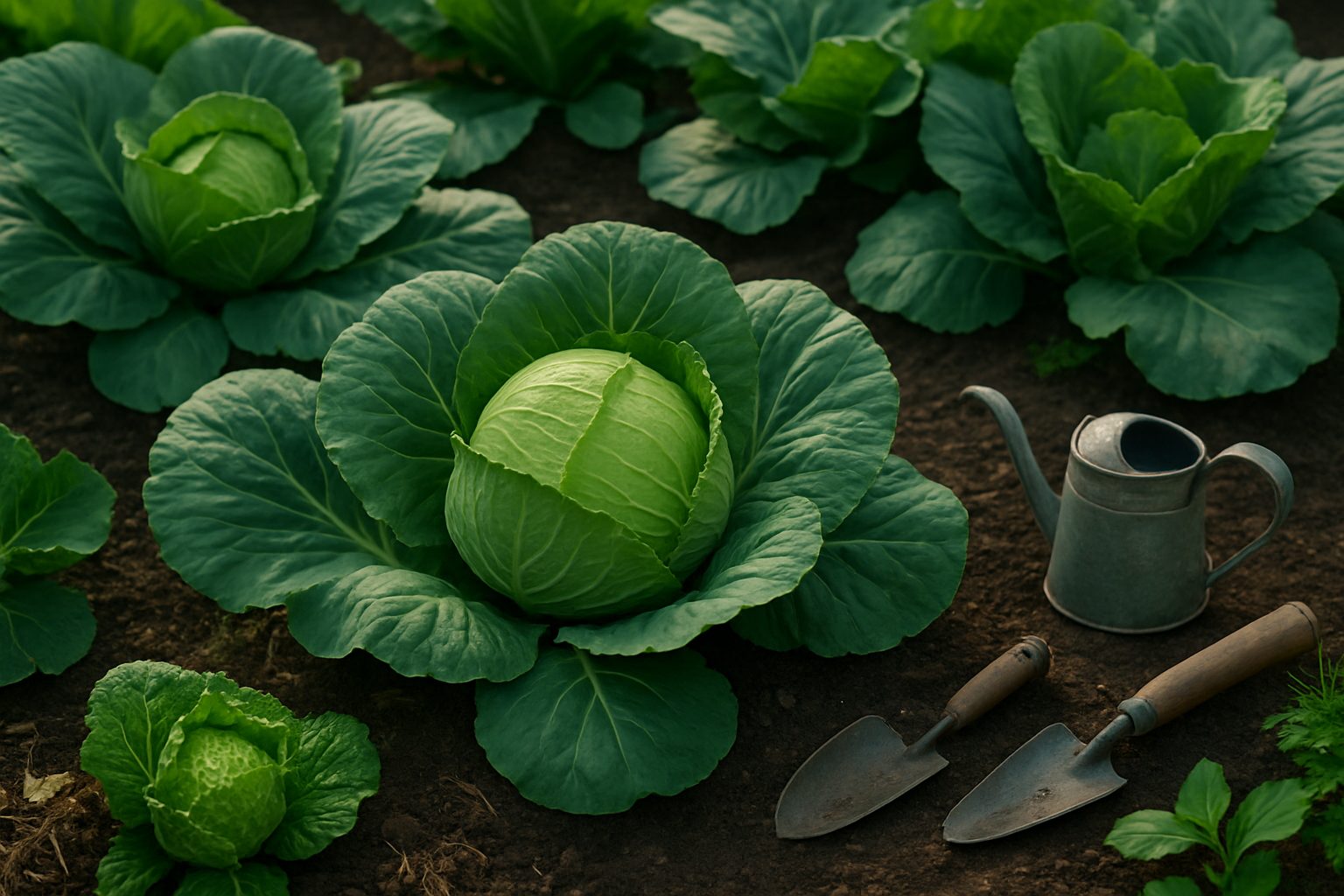
Cabbage grows through several key stages, starting as tiny seeds that sprout into seedlings within about a week of planting. Once they develop a few true leaves, the young plants enter a vegetative stage, expanding their leafy canopy for several weeks. The most crucial phase is head formation, where the inner leaves curl tightly, eventually creating the familiar dense, round head.
This entire process typically takes 60 to 100 days, depending on the cabbage variety. For example, ‘Golden Acre’ matures quickly in as little as 65 days, while larger-heading varieties like ‘Late Flat Dutch’ can take up to 100 days.
Environmental Factors for Healthy Cabbage Development
Cabbages prefer cool temperatures, ideally between 60 and 70°F (15-21°C), as too much heat can cause them to bolt or form loose heads. Full sun—at least six hours daily—ensures strong, compact growth, but a bit of afternoon shade helps in very hot climates.
Well-drained, fertile soil with plenty of organic matter supports robust plants, and aiming for a soil pH between 6.0 and 6.8 helps the heads form properly. Gardeners often find that mulching keeps soil moist and roots cool, which encourages steady growth.
By choosing the right variety and creating the right growing environment, you can nurture healthy cabbages all season long.
How to Tell When Cabbage Is Ready to Harvest
Knowing when your cabbage is ready to harvest mostly comes down to checking the firmness and size of the heads. For most cabbage varieties, mature heads should feel very firm and dense when gently squeezed—if they’re still soft or springy, give them a little more time.
The size of a mature cabbage head depends on its variety: green and red cabbages are often 4 to 10 inches across, while smaller varieties like “Pixie” or “Gonzales” may be ready at 3 to 4 inches. If you’re unsure, try lifting one head—ripe cabbage should feel solid and noticeably heavier than an unripe one of the same size.
Watch out for external cues from Mother Nature, too. If the weather forecast predicts a heatwave, consider harvesting early to avoid split or bitter heads. Likewise, if the first fall frost is approaching, pick your cabbages to prevent freeze damage.
Always check your seed packet or variety tags for days-to-maturity guidance; some cabbages are ready in 70 days, others need 100 or more. This info allows you to plan your harvest window according to local conditions.
Ultimately, rely on a combination of touch, look, weight, and timing to get that perfect, crisp head every time.
Step-by-Step Guide to Harvesting Cabbage
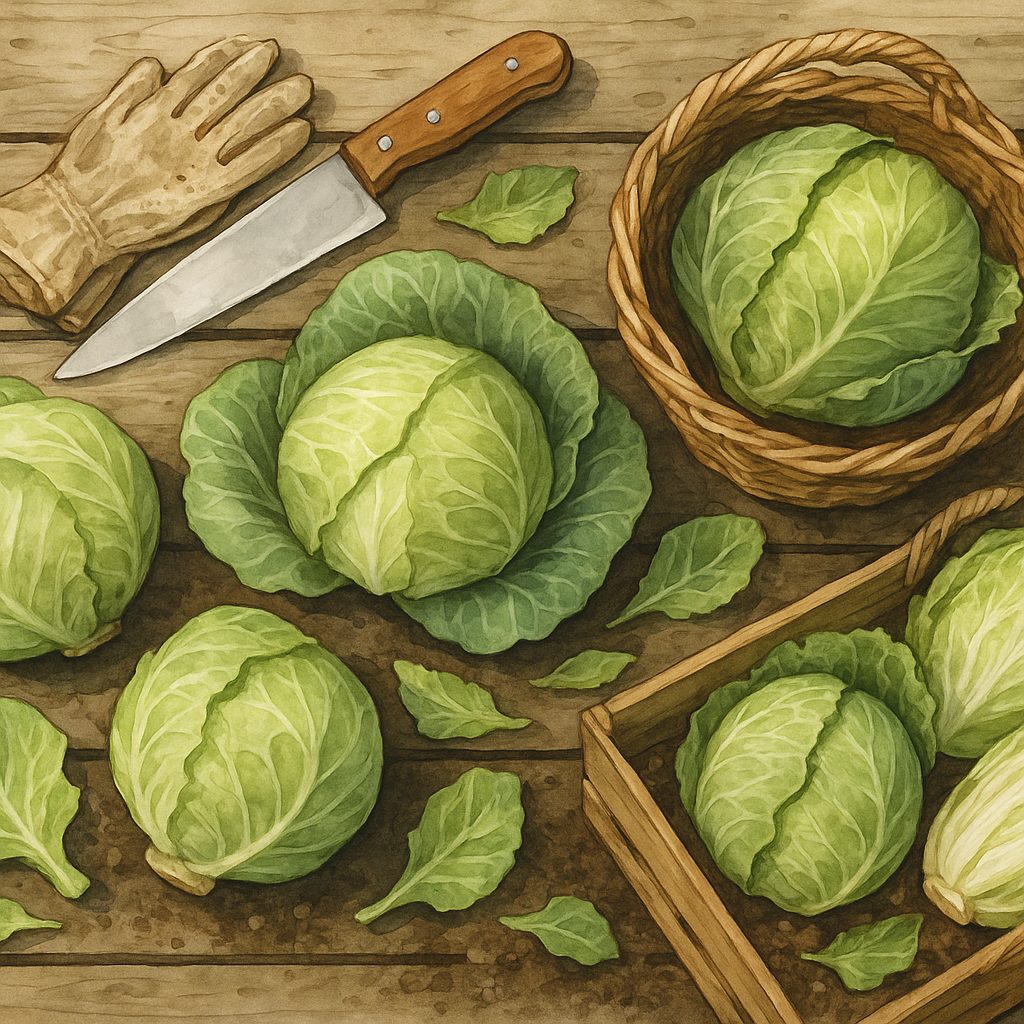
Harvesting cabbage is simple, but a few careful steps can help you get the best results and keep your plants healthy.
To harvest an entire head, use a sharp, clean knife and cut at the base of the cabbage where the head meets the stem. Aim for a smooth, downward angle with your cut to prevent tearing and to keep the cabbage cleaner. Always watch your fingers and cut away from your body for safety.
If you’d prefer a longer harvest, try taking only a few of the outer leaves at a time. Grasp an outer leaf near the stem, pull downward gently, and snap or cut it off with your knife—leave the inner leaves so the plant can keep growing.
Whether cutting heads or leaves, leave the roots and some lower leaves in place; healthy roots can encourage regrowth, sometimes producing smaller secondary heads for an extra harvest.
Avoid harvesting in very wet conditions to reduce the risk of spreading disease through open cuts. Also, remember not to twist or rip heads off, as this can damage the roots and make it harder for the plant to bounce back.
Taking your time and handling each plant with care can help you enjoy a steady supply of fresh cabbage—while keeping your garden thriving.
Storing and Preserving Your Cabbage
Keeping your cabbage fresh and crisp starts with proper storage techniques. If you haven’t harvested yet, healthy cabbage heads can sometimes stay right in the garden soil through cool fall temperatures; just mulch around the base for extra insulation.
Once picked, remove any loose outer leaves and let them dry before storing. In the fridge, tuck whole heads in the crisper drawer—plastic bags with a few air holes help retain moisture while preventing rot.
For those with a root cellar, cabbage will last months if kept at 32-40°F with high humidity, hung upside down or spaced apart on shelves. Always check stored cabbage weekly and quickly remove any sections that show signs of decay to prevent spoilage from spreading.
If you’re looking to extend the shelf life further, cabbage is incredibly versatile:
- You can freeze it (blanch wedges for two minutes, then pack in bags).
- Turn it into tangy homemade sauerkraut by fermenting shredded leaves with salt.
- Pickle it for snacks and salads.
Each preservation method locks in cabbage’s crunch and flavor for soups, stir-fries, and more all year long.
Creative Ways to Use Fresh Cabbage
Fresh cabbage is a surprisingly versatile ingredient that deserves a permanent spot in your kitchen. From crisp coleslaws and vibrant Asian-style salads to hearty Eastern European soups like borscht, cabbage easily adapts to countless international recipes.
Try tossing sliced cabbage into a stir-fry with garlic and soy sauce for a quick, crunchy side dish, or add it to tacos for a healthy, satisfying crunch. If you’re feeling adventurous, experiment with homemade sauerkraut or kimchi—these fermented options boost both flavor and gut health.
Cabbage is packed with vitamin C, vitamin K, fiber, and antioxidants, making it a nutritious choice for keeping your immune system strong and supporting good digestion.
Don’t limit yourself to just raw or boiled cabbage—try roasting wedges in the oven with olive oil, grilling thick slices for a smoky twist, or even using cabbage leaves as a low-carb wrap alternative.
With so many cooking methods and recipe ideas out there, exploring new ways to incorporate cabbage can help keep your meals fresh, healthy, and exciting.
Troubleshooting Common Cabbage Problems
Growing cabbage can be highly rewarding, but gardeners often face a few common issues like cabbage worms, aphids, splitting heads, and disease.
Cabbage worms—green caterpillars that chew holes in leaves—can be handpicked or managed with row covers and organic solutions like Bacillus thuringiensis (Bt).
Aphids cluster on the undersides of leaves, sucking plant juices and stunting growth; knock them off with a firm water spray or introduce beneficial insects such as ladybugs.
If your cabbage heads are splitting, it’s often due to irregular watering, especially after dry periods followed by heavy rain. Prevent this by mulching and keeping soil moisture consistent.
Diseases like black rot and clubroot can strike, especially in humid or poorly drained areas. Remove and destroy affected plants promptly, and avoid working in the garden when foliage is wet to reduce spread.
Maintain garden hygiene by removing plant debris at the end of each season, which eliminates overwintering pests and disease spores.
Lastly, rotate your cabbage with unrelated crops each year—like beans or onions—to disrupt pest and disease cycles and keep soil healthy.
By staying observant and practicing these preventive measures, you’ll give your cabbages the best shot at thriving.
Conclusion and Next Steps
Harvesting your own cabbage is not just satisfying—it’s the reward for weeks of patience, care, and watching your garden thrive. There’s a unique pleasure in slicing into a homegrown head, knowing it’s fresher and more flavorful than anything store-bought.
Capture that sense of accomplishment by jotting down notes or snapping photos of your harvest; this helps track what went well and sparks excitement for next season’s planting. As you enjoy your cabbage in crunchy slaws, stir-fries, or hearty soups, experiment with recipes and share your favorites with fellow gardeners.
For more gardening tips and culinary inspiration, websites like the Old Farmer’s Almanac, local extension offices, and cooking blogs such as Smitten Kitchen offer valuable advice. Each harvest is a learning experience, and by documenting your journey and seeking new ideas, you’ll set yourself up for even more abundant and delicious seasons ahead.