Introduction to Cabbage – A Versatile Superfood
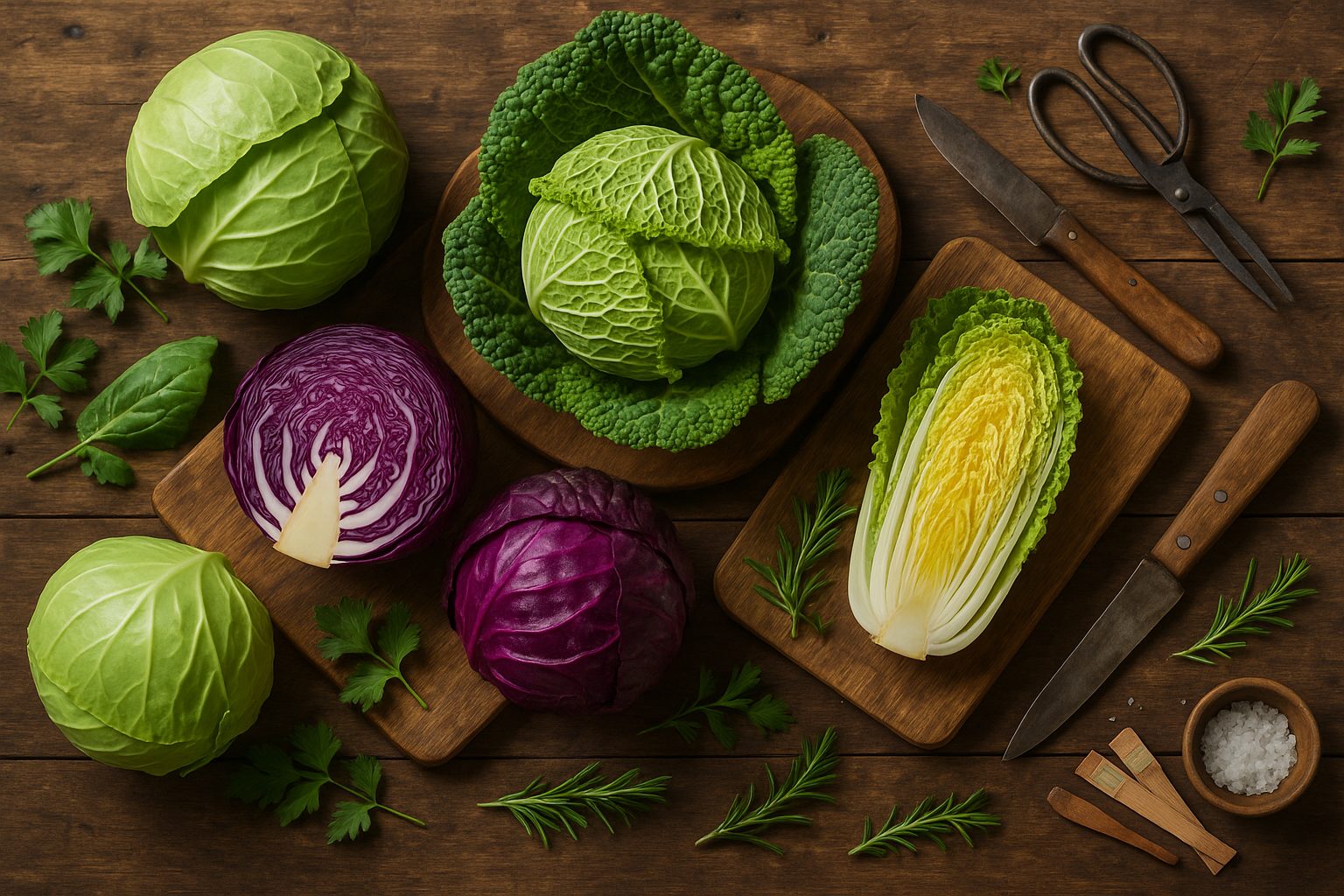
If you’ve picked up raw cabbage leaves while harvesting from your garden, you’re already holding one of nature’s most versatile and nutritious superfoods. Cabbage, long a staple in kitchens worldwide, comes in several distinct varieties: the familiar crisp green cabbage, deep-hued and antioxidant-rich red cabbage, the ruffled Savoy with its tender flavor, and Napa cabbage—popular in Asian cooking for its mild taste and soft texture.
Each type brings a unique texture and flavor to dishes, making cabbage a star ingredient in anything from crunchy coleslaw to hearty soups, stir-fries, and even as a low-carb wrap alternative.
What sets cabbage apart isn’t just its adaptability in the kitchen, but its powerful nutritional profile. Raw cabbage leaves are loaded with vitamin C, vitamin K, fiber, and potent antioxidants like sulforaphane, which is associated with reduced inflammation and cancer risk. Their low calorie count, combined with high water and fiber content, makes cabbage ideal for weight management, supporting healthy digestion and helping you feel fuller longer.
This impressive combination is why cabbage enjoys frequent mention in “superfood” lists and is embraced by those following low-calorie or plant-based diets.
Whether you enjoy slicing raw cabbage into salads, fermenting it for homemade sauerkraut, or tossing it into a quick stir-fry, this humble vegetable is both practical and delicious. Its widespread popularity in cuisines around the globe is a testament to its versatility, affordability, and power-packed benefits—making raw cabbage leaves a fresh, smart addition to any meal for anyone seeking vibrant health and great taste.
Nutritional Benefits of Cabbage
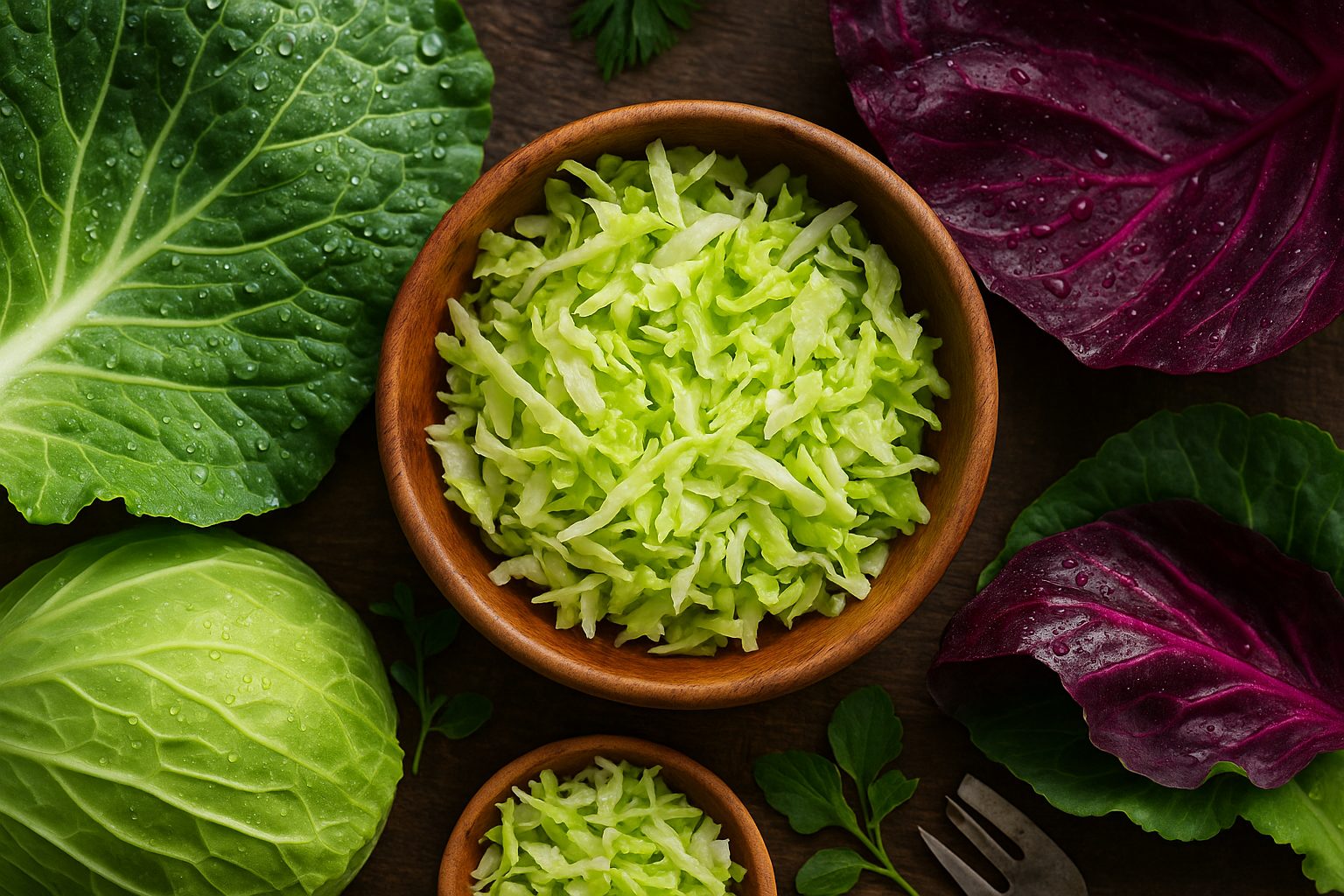
Cabbage packs a surprising nutritional punch, making it a fantastic addition to almost any meal plan. Loaded with vitamin C, it helps strengthen your immune system and supports wound healing, while vitamin K promotes healthy bones and proper blood clotting.
The fiber content in cabbage encourages smooth digestion and keeps you feeling fuller for longer, which can be especially useful if you’re aiming for weight management. Cabbage’s antioxidant profile—including polyphenols and sulfur compounds—protects your cells from damage and reduces inflammation throughout the body.
One of cabbage’s standout nutrients is glucosinolates, unique plant chemicals that may help defend against certain cancers by supporting your body’s own detoxification processes.
By tossing cabbage into salads, stir-fries, or soups, you’re adding a low-calorie, filling food that not only tastes great but also helps keep cholesterol levels in check and your gut happy.
Whether eaten raw, fermented (like kimchi or sauerkraut), or cooked, cabbage is a simple, budget-friendly veggie whose health benefits go far beyond basic nutrition.
Health Benefits and Potential Downsides
Adding fiber-rich foods like beans and cruciferous vegetables to your diet can deliver significant health perks, particularly for heart, gut, and metabolic wellness. Studies show these foods can help lower cholesterol, regulate blood sugar, and support a healthy gut microbiome thanks to their soluble fiber and prebiotic content. For example, regularly eating lentils and broccoli may reduce heart disease risk and promote more stable energy throughout the day.
However, there are a few important cautions to consider. Some people experience digestive discomfort, like gas and bloating, when increasing fiber quickly—especially with foods such as beans and Brussels sprouts. Individuals with thyroid concerns should also note that raw cruciferous vegetables contain compounds called goitrogens, which may interfere with thyroid function if consumed in large amounts.
To get the benefits while minimizing side effects, try gradually introducing these foods and pairing them with plenty of water to help digestion. Soaking beans overnight and cooking vegetables well can also reduce compounds that cause gas or inhibit thyroid health. Listening to your body—and adjusting your portions or preparation as needed—can help you enjoy these powerful foods without unwanted discomfort.
Creative Ways to Enjoy Cabbage
Cabbage is incredibly versatile and can fit seamlessly into meals throughout your day, far beyond just being a side dish.
For breakfast, try chopping cabbage finely and adding it to omelets or breakfast hash for extra crunch and nutrients.
At lunchtime, cabbage shines raw in hearty salads and colorful slaws—mix shredded red or green cabbage with carrots, apples, and a tangy vinaigrette for a refreshing twist, or use it as a base for homemade cabbage wraps instead of tortillas.
When dinner rolls around, cook cabbage in stir-fries with garlic, soy sauce, and your choice of protein, add it to soups and stews for a subtle sweetness, or roast thick wedges in the oven with olive oil and spices until caramelized and tender.
Don’t forget about fermentation—homemade sauerkraut or Korean kimchi can add zest and probiotics to grain bowls or sandwiches, and just a spoonful on the side can elevate any meal.
To boost flavor and improve the texture of cooked cabbage, try salting and draining shredded cabbage for 10-15 minutes before using it in salads or slaws to make it crisper, or use high heat when cooking to get those delicious caramelized edges.
Add a splash of vinegar or lemon juice at the end of cooking to balance the natural sweetness and bring out its bright, fresh flavor.
By experimenting with these techniques and meal ideas, you can truly unlock the potential of cabbage and keep your menu exciting and nutritious.
Cooking and Preparation Tips
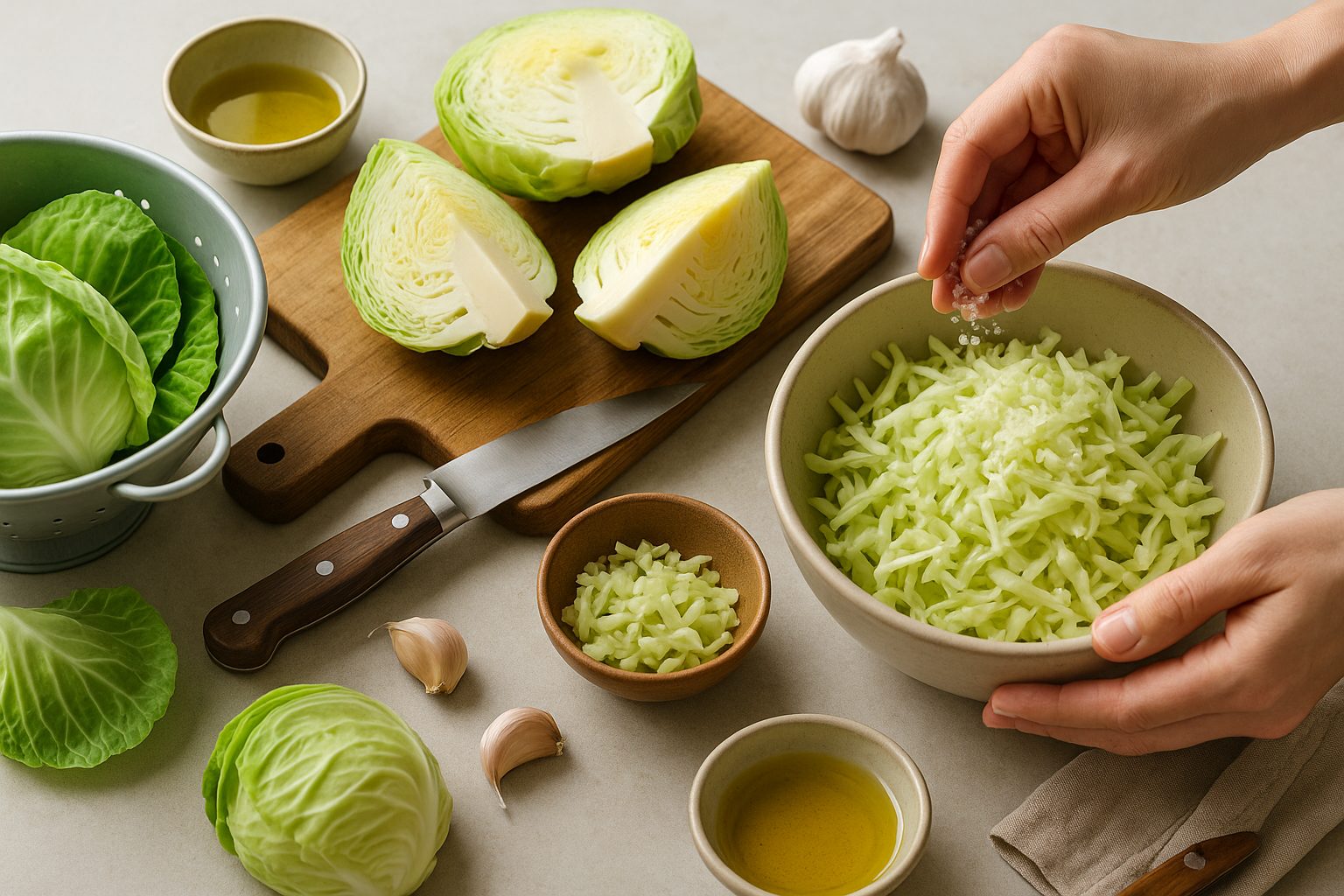
When selecting cabbage, look for heads that feel heavy for their size with tightly packed leaves and crisp edges—avoid those with brown spots or wilting. To clean, remove the outer leaves and rinse the head thoroughly under cool running water to wash away dirt or pesticides; then, pat dry before cutting.
For coring, cut the cabbage into quarters and gently slice out the dense core at an angle. If you want to retain maximum nutrients and enjoy a mild, sweet taste, steaming is an excellent choice since it keeps cabbage crisp and bright. Sautéing thinly sliced cabbage in olive oil with garlic delivers great flavor while cooking quickly, and roasting wedges or thick slices with a drizzle of oil caramelizes the edges for a nutty depth.
After preparation, store raw cabbage in a loosely sealed plastic bag or container in the crisper drawer—it stays fresh for up to two weeks. Leftovers don’t have to be boring: toss cooked cabbage into stir-fries, stuff it into sandwiches or tacos, or top grain bowls for a yummy crunch. Even coleslaw can be reinvented by mixing in herbs, apples, or nuts.
Cabbage is versatile, so don’t hesitate to experiment and enjoy it in new ways.
Easy and Healthy Cabbage Recipes
Cabbage is an underrated superstar that can quickly transform into delicious, healthy meals. For a fast cabbage salad, simply shred green or red cabbage and toss it with chopped carrots, sliced bell peppers, fresh cilantro, and a squeeze of lime. Add roasted peanuts for crunch, or swap them for almonds or sunflower seeds for a nut-free twist. Use tamari instead of soy sauce to keep it gluten-free.
For a warm side, try sautéed cabbage: slice cabbage into thin ribbons, then cook it in a skillet with olive oil, garlic, and a pinch of salt until it’s just tender. Stir in chili flakes for heat or finish with fresh dill and a squeeze of lemon. To keep this dish vegan and low-carb, skip any added sugar and stick to non-animal fats.
If you’re looking for something hearty, stuffed cabbage rolls are a classic. Fill blanched cabbage leaves with a mix of cooked quinoa, lentils, and sautéed veggies, then bake in tomato sauce. For a low-carb take, swap quinoa for riced cauliflower. If you’re gluten-free, be sure to use gluten-free breadcrumbs or skip them altogether.
Each recipe is easy to adapt—add grilled chicken or tofu for protein, mix in your favorite herbs, or use what’s in your fridge. Cabbage’s mild flavor makes it perfect for experimenting, so don’t hesitate to change up seasonings or add your favorite veggies to make each dish your own.
Conclusion and FAQs
Cabbage earns its place in any healthy diet thanks to its impressive blend of vitamins, minerals, and fiber—all with very few calories. Not only does it support digestion and heart health, but it’s also budget-friendly and incredibly versatile, featuring in recipes from coleslaw to stir-fries.
Worried about eating cabbage raw? Rest assured, it’s perfectly safe for most people, and raw cabbage even preserves more vitamin C. If you want to freeze cabbage, blanch the leaves first by quickly boiling them, then cooling, pat dry, and pack into airtight bags; this keeps them ready for soups or casseroles anytime.
To reduce bitterness—which can put some people off—try roasting cabbage wedges with olive oil and a sprinkle of salt, or soak shredded cabbage in cold water for 30 minutes before using it in salads. There are endless ways to work more cabbage into your meals, whether you’re making sauerkraut or tossing it into a salad.
For more inspiration and tips, check out reliable food blogs or recipe sites like Serious Eats or Minimalist Baker, where you’ll find creative, easy cabbage recipes for everyday cooking.