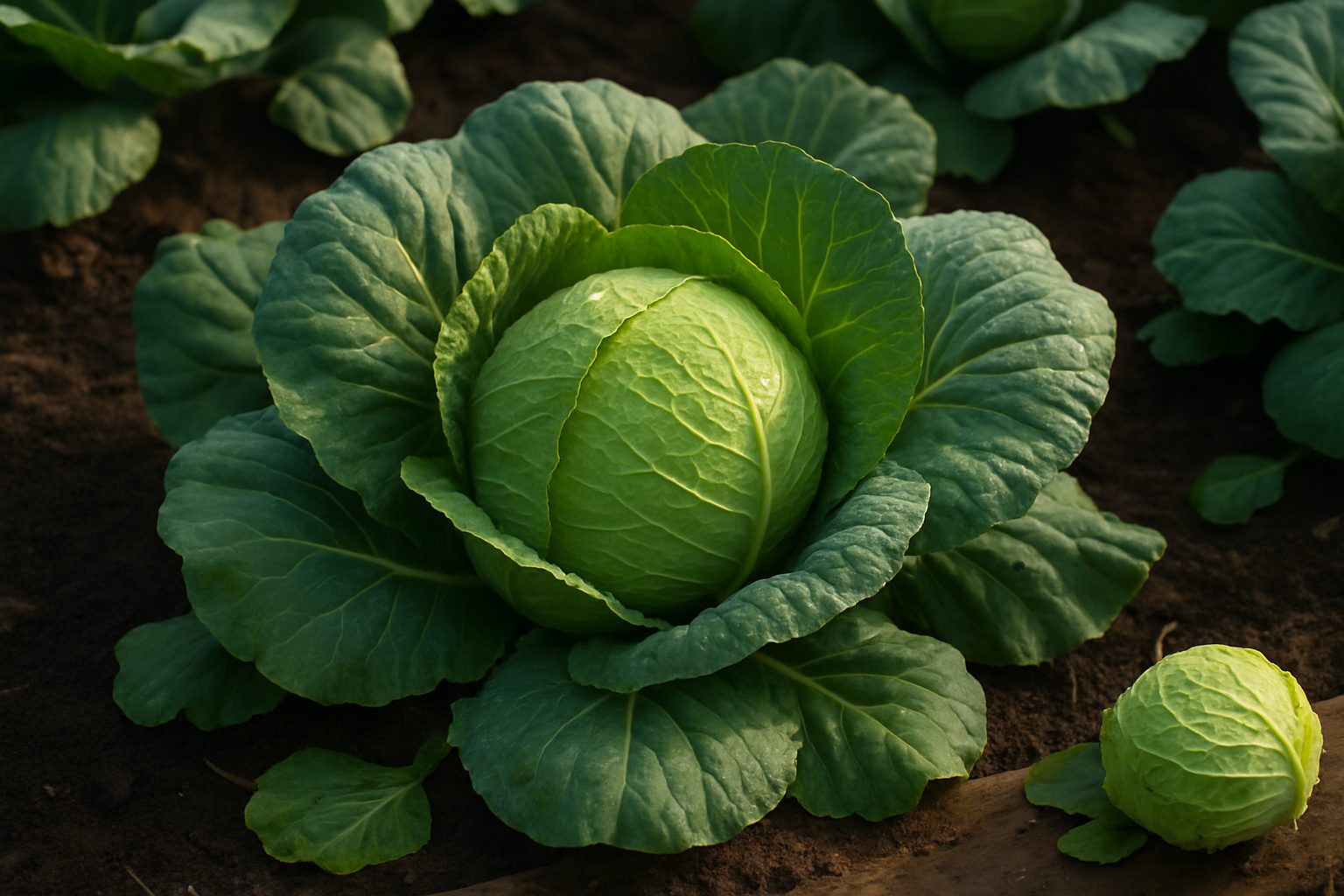
Understanding Cabbage Growth and Maturity
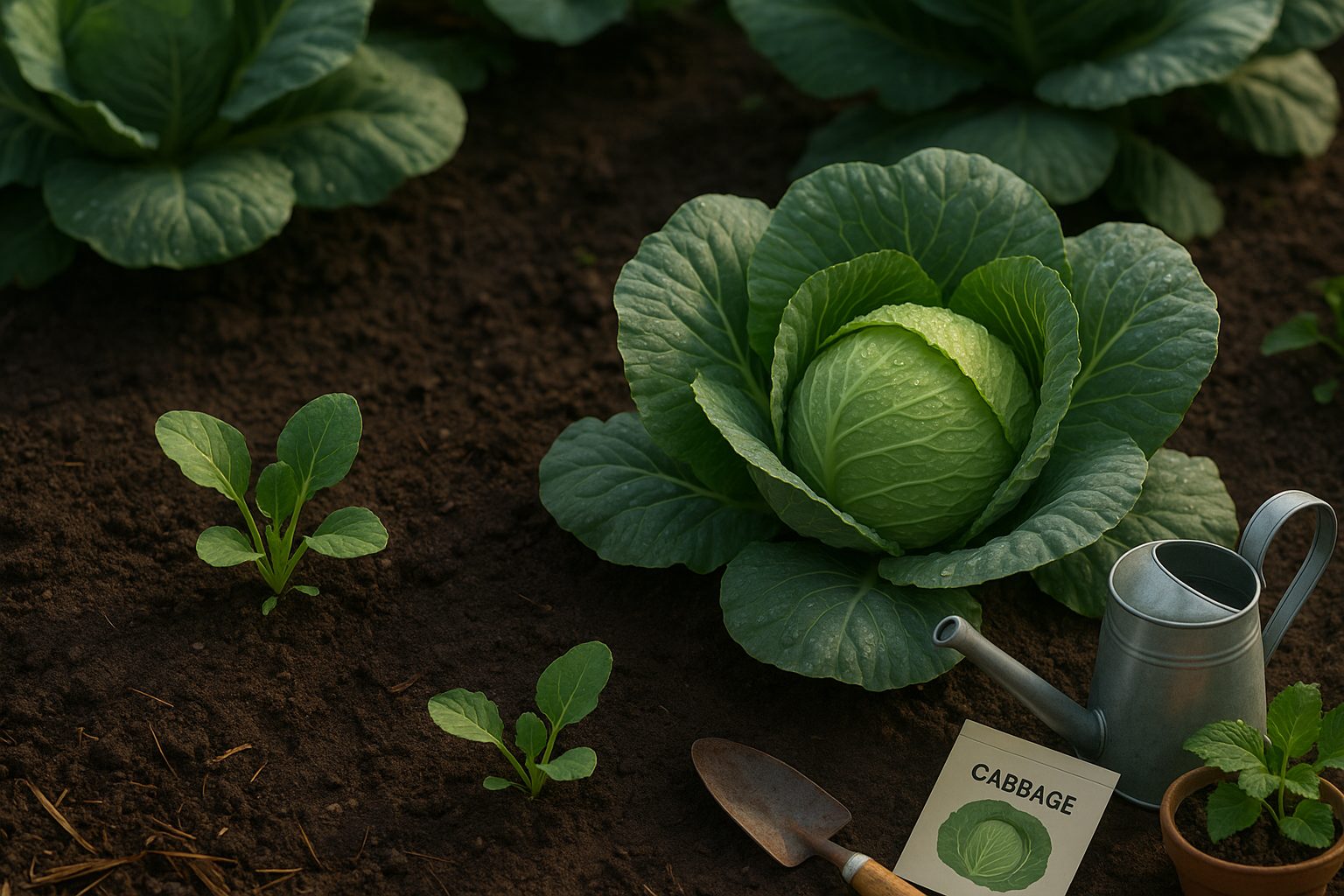
Harvesting cabbage at the right time can make a world of difference in flavor and texture, but it all starts with understanding how cabbage grows. Cabbage begins its journey as a small seedling, sprouting lush green leaves that soon form a distinctive rosette. Over the weeks, these outer leaves protect a gradually developing central head, which matures slowly as the plant soaks up sun, water, and nutrients.
Most cabbage varieties need between 70 and 120 days from seedlings to reach mature size, but the exact timing can vary. Knowing your specific cabbage type—such as early, mid, or late varieties—is key to predicting harvest time and ensuring you don’t leave the heads out too long or pick them while underdeveloped.
Signs of Maturity
As cabbage nears maturity, several clear indicators show that harvesting is just around the corner:
- Color: Mature cabbage heads display a vibrant green, purple, or whitish hue depending on the variety, with outer leaves sometimes turning pale or leathery.
- Size: Most common cabbage types will be about the size of a softball or slightly larger when ready. Check your seed packet for your variety’s target size.
- Firmness: Give the head a gentle squeeze—when the cabbage feels dense and solid throughout, it’s ready to harvest. If it’s still soft, let it grow a little longer.
Don’t wait too long—overripe heads can crack, especially after rainfall. By tracking these signs and knowing your cabbage variety, you can confidently plan your harvest without damaging the plant, reaping crisp heads at their peak.
Key Signs Your Cabbage Is Ready to Harvest
Recognizing when your cabbage is ready to harvest can make all the difference between a crunchy, flavorful head and a tough or split one. Start by gently squeezing the cabbage head—ready-to-pick cabbage feels firm and solid to the touch, almost like a tight ball. If it’s still loose or spongy, give it a bit more time, as immature heads lack that signature density and taste.
Size is another important cue; most cabbage heads should reach between 4 and 10 inches in diameter. Always check your seed packet for specific variety guidelines, as some cabbages are naturally smaller or larger. The color of the cabbage should appear vibrant, whether it’s the deep green of savoy or the bright purple of red varieties. Dull, faded leaves can indicate overripeness or exposure to too much sun.
Timing is crucial as well—keep track of the days to maturity indicated on your seed packet, which typically ranges from 70 to 100 days depending on the type. However, weather also plays a big role; during hot spells, heads mature faster and might start to split after heavy rain, so it’s better to harvest early than risk losing your crop.
On the flip side, if your heads haven’t fully formed by harvest time, try gently snapping off a few outer leaves at the base. This partial harvesting technique can encourage the center to keep growing, giving you a better harvest later. By watching these signals and staying flexible, you can enjoy perfectly timed, homegrown cabbage straight from your garden.
Step-by-Step Guide: How to Harvest Cabbage Properly
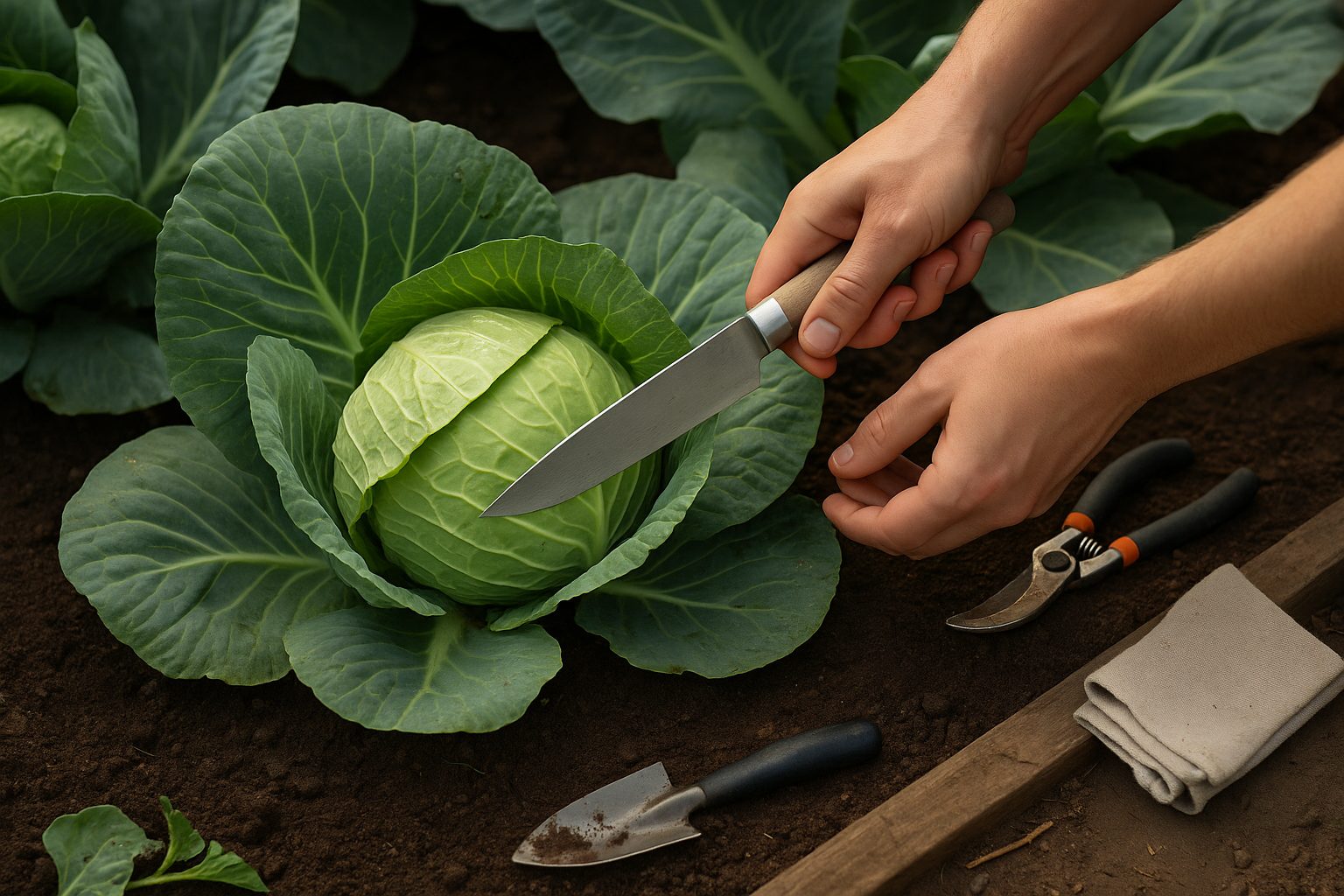
Harvesting cabbage at the right time and with the proper technique ensures you get the freshest, tastiest results—and can even allow your plant to produce more later. For full cabbage heads, use a sharp garden knife or pruning shears—tools that offer a clean cut and help prevent accidental tearing or damage to the plant.
Hold the cabbage head firmly and slice it at the base, leaving a few outer leaves and about two inches of stump still attached to the root. This not only protects the soil structure but also gives your plant a chance to send up new heads, sometimes called “baby cabbages.”
If you only need a few leaves (great for stir-fries or wraps), use scissors or your shears to snip off outer leaves close to the stem. Take care not to nick the main stem—this lets the plant keep growing and producing more foliage over time.
The best time of day to harvest cabbage is early morning, when temperatures are cool and the leaves are plump with moisture. This helps them stay crisp longer and reduces stress on the plant.
After harvesting a full head, consider not pulling out the stump. Instead, keep it watered and watch for new shoots over the next few weeks, which can provide a bonus snack or second crop.
Always clean your tools before and after use to avoid the spread of disease.
By following these approachable steps—using the right tools, harvesting at the right time, and managing stumps—you’ll not only enjoy the best-tasting cabbage but also get the most out of every plant in your garden.
Storing and Preserving Your Homegrown Cabbage
Proper storage of your homegrown cabbage helps you enjoy its crisp texture and nutrients long after harvest. Start by trimming off any loose or damaged outer leaves, and gently brush away soil instead of washing, since excess moisture speeds up spoilage. Only wash cabbage just before eating or processing.
At room temperature, a whole head of cabbage will stay fresh for up to a week if stored in a cool, dry spot away from direct sunlight. For longer storage, place unwashed cabbage in a perforated plastic bag inside your refrigerator’s crisper drawer, where it can last up to two months. Check it periodically for mold or slimy spots, and remove any decaying leaves.
If you have a root cellar, it’s ideal for storing cabbages with their outer leaves left on. Arrange them on racks or hang them upside down by the stem; in moist, cool conditions (32–40°F and high humidity), they may last three months or more.
Freezing Your Cabbage
For long-term preservation, freezing is simple:
- Wash, core, and cut your cabbage.
- Blanch it in boiling water for a couple of minutes.
- Cool, drain, and pack in airtight containers before freezing.
Fermenting Cabbage
Fermenting, such as making sauerkraut, is a tasty way to preserve both flavor and probiotics. Simply shred the cabbage, salt it, and let it ferment in a crock for several weeks.
Pickling Cabbage
Pickling is another flavorful option: slice or chop cabbage and immerse it in a vinegar-based brine before sealing in sterilized jars.
With these methods, you can enjoy your harvest for months to come.
Enjoying and Using Your Harvested Cabbage
Freshly harvested cabbage is a kitchen powerhouse that’s easy to enjoy in countless ways. For a crunchy, refreshing side, try shredding raw cabbage into salads—classic coleslaw comes together quickly with sliced cabbage, carrots, and a light vinaigrette or creamy dressing.
The sturdy leaves hold up well in stir-fries; simply toss chopped cabbage into a hot pan with garlic, soy sauce, and your favorite protein for a speedy, satisfying meal.
For a fermented option, making homemade sauerkraut is simpler than it sounds: thinly slice cabbage, massage with salt, and pack it into a jar to ferment on your countertop for a week or two.
To maximize your harvest and minimize waste, use the outer leaves as wraps for fillings like rice or seasoned ground meat—these are perfect for steaming or baking. Even the often-overlooked core can be diced and added to soups or broths, lending flavor and texture.
Don’t forget that roasted cabbage wedges, drizzled with olive oil and sprinkled with spices, make a tasty and healthy side dish.
With a little creativity, every part of your cabbage can be transformed into something delicious and satisfying, ensuring nothing goes to waste and your efforts in the garden pay off on the plate.
Common Problems and Tips for Growing Cabbage Successfully
Harvesting cabbage can come with a few common challenges, but with the right know-how, you can tackle most issues before they impact your crop.
One frequent problem is head splitting, which usually happens when cabbages absorb water too quickly after a period of drought. To prevent this, maintain consistent soil moisture—use mulch to retain water and try watering deeply but less often, especially as heads mature.
Pest damage, particularly from cabbage worms and aphids, is another headache for gardeners. Regularly inspect leaves (look under them, too) and remove caterpillars by hand or with a strong spray of water. Floating row covers can also block pests without chemicals.
Disease symptoms like yellowing leaves or soft, discolored spots might point to fungal or bacterial issues. Make sure to rotate your crops each year and avoid planting cabbage in the same soil consecutively. Remove and destroy infected plants quickly to stop the spread.
For future crops, keep detailed notes on what varieties performed well, any problems you faced, and weather conditions throughout the season. This information is invaluable: it lets you select disease-resistant varieties, improve spacing, and fine-tune your watering practices for healthier, more productive harvests next year.
The key is observation and small adjustments—each season is a learning opportunity!
Frequently Asked Questions About Harvesting Cabbage
When is the best time to harvest cabbage?
The ideal time to harvest cabbage is when the head feels firm and has reached the typical size for its variety, usually 70–100 days after planting.
Can I harvest outer leaves before the whole head is ready?
Yes, you can gently pick the outer leaves for eating while the head matures. This gives you an early taste and helps younger heads develop.
How do I prevent cabbage from splitting?
To avoid splitting, keep moisture levels consistent, harvest promptly once heads are firm, and if rain is forecast, twist the head slightly to break some roots and slow water uptake.
Is it possible to get more than one harvest from each plant?
In some cases, after cutting the main head, small side heads may develop. Leave a few outer leaves and a short stalk to encourage a secondary, though smaller, crop.
What’s the best way to store harvested cabbage?
For the longest shelf life, remove loose outer leaves, keep the head whole, and store it in a cool, humid place or in the refrigerator. Well-stored cabbage can last several weeks.
These tips help you enjoy crisp, homegrown cabbage well beyond harvest day.