Introduction
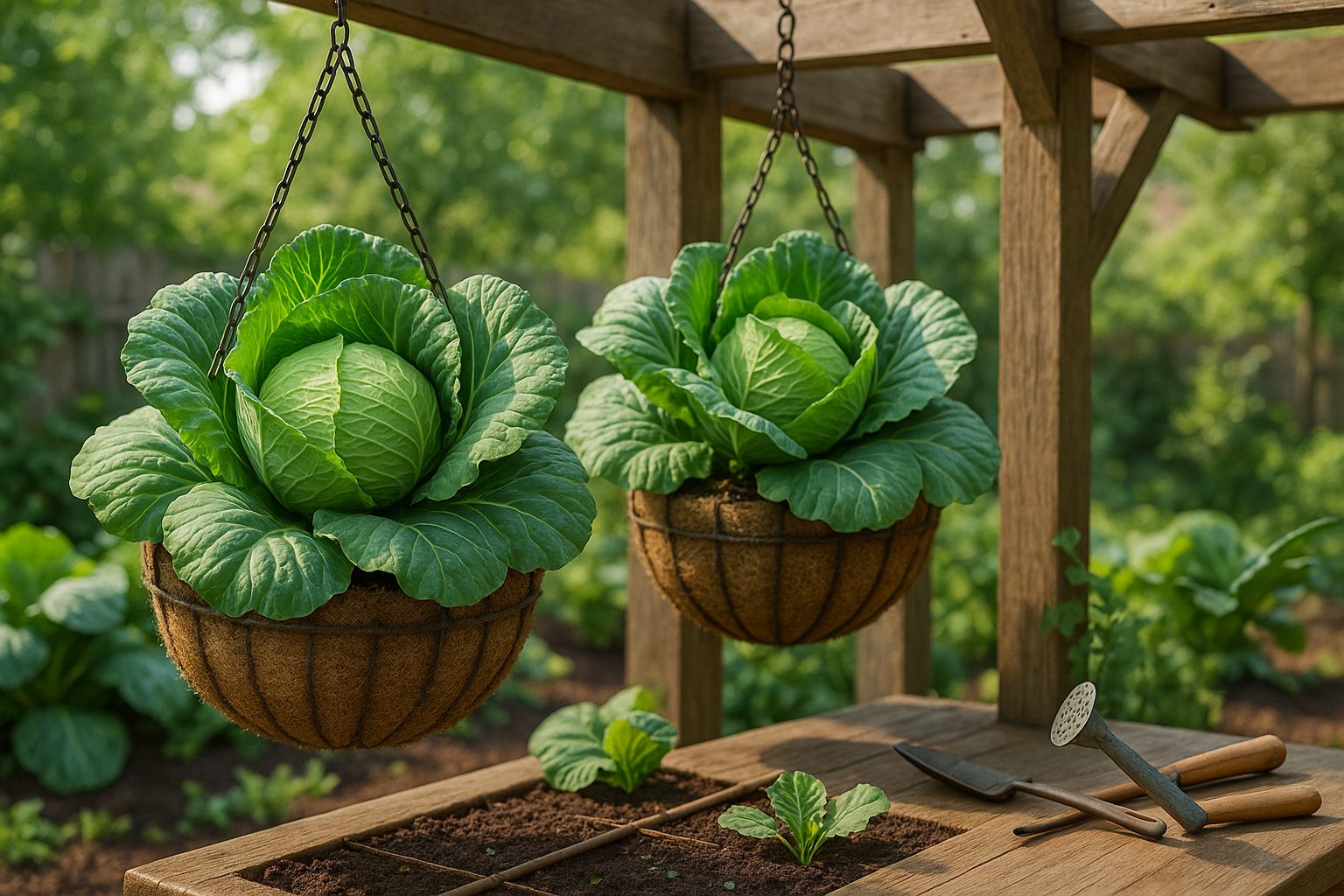
Hanging cabbage might sound unconventional, but it’s catching on with adventurous gardeners looking to maximize space and get creative with their homegrown produce. Cabbage is an easy-to-grow, nutritious vegetable that packs a punch—full of vitamins C and K, antioxidants, and fiber, it’s a staple in a healthy diet. Whether you crave crunchy coleslaw, hearty cabbage rolls, or a crisp addition to stir-fries, cabbage shines in the kitchen with its versatility. For home gardeners, its resilience and high yield make it a favorite crop, especially when space is at a premium.
If you’ve ever thought your balcony, patio, or small backyard couldn’t handle a bountiful vegetable patch, you’ll be thrilled to know that growing cabbage in hanging baskets may be within reach. Imagine trailing green leaves spilling gracefully over a sunlit railing, transforming a limited area into a productive, edible display. The idea of hanging cabbage brings new possibilities for everyone from urban dwellers to experienced gardeners eager to experiment.
In this article, we’ll explore whether it’s truly possible to grow cabbage overhead, the benefits of this technique, and top tips to ensure success. From selecting the right cabbage varieties for aerial growing to daily care and troubleshooting, we’re here to guide you step-by-step. If you’re ready for a fresh twist on a classic vegetable—and maybe a little garden envy from your neighbors—read on and discover how hanging cabbage can revolutionize your growing space.
Understanding Soil Requirements
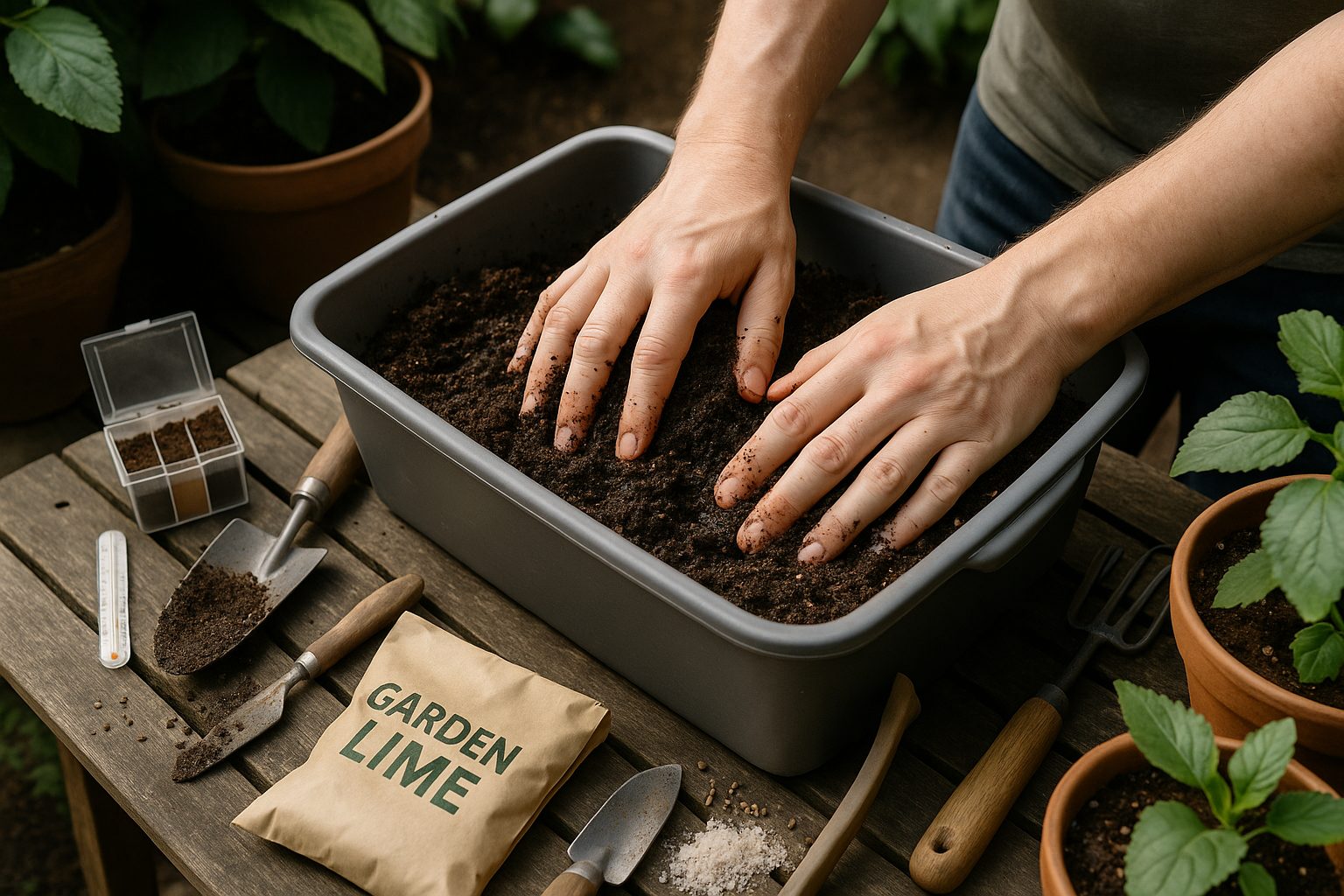
Getting your soil right is key to growing healthy, productive cabbage. Cabbage prefers a soil pH between 6.0 and 7.5, which helps the plant absorb nutrients properly. If the pH falls outside this range, the plants may struggle, showing signs like stunted growth or yellowing leaves.
Start by testing your soil’s pH using a simple home test kit or by sending a sample to a local extension office—many garden centers also offer test strips for a quick check. If your soil is too acidic (below 6.0), you can add garden lime to raise the pH. For alkaline soils (above 7.5), mixing in sulfur or organic matter like well-rotted compost will help lower the pH.
Fertility Matters
Fertility is just as important. Cabbage is a heavy feeder, so enriching your soil pays off. Before planting, mix in plenty of compost or well-rotted manure to add nutrients and improve soil texture.
If you know your soil is low in nutrients, consider a balanced slow-release fertilizer (for example, one labeled 10-10-10). Spread this evenly and mix it into the top 6 to 8 inches of soil. If you’re unsure what your soil needs, your soil test will usually suggest amendments—follow those recommendations for the best results.
Ensuring Good Drainage
Good drainage is another must for cabbage, as standing water can lead to root rot and disease. If your garden tends to hold water, try building raised beds or mounding soil into rows to promote runoff.
Mixing in coarse sand or additional compost will help loosen heavy clay soils, allowing water to drain away faster. Before planting, use a garden fork to aerate compacted areas, then rake the surface smooth. With these steps, you’ll create a nutrient-rich, well-drained home where cabbage can thrive.
Planting Cabbage: Timing and Techniques
When it comes to planting cabbage, timing makes all the difference. In cooler climates, start seeds indoors 6-8 weeks before the last expected spring frost and transplant them outside once the seedlings have a few true leaves. In warmer regions, consider a fall crop—sow seeds in midsummer so the plants mature as the weather cools, which helps improve flavor and prevents bolting.
For best results, plant cabbage seeds about 1/4 to 1/2 inch deep in trays with plenty of sunlight—at least six hours daily. Once you’re ready to transplant, space the young plants 18-24 inches apart to give each enough room to develop a full, healthy head.
Before setting seedlings outdoors, don’t skip the hardening off process: gradually introduce them to outdoor conditions over a week by placing trays outside for increasing periods each day. This helps toughen them up and prevents transplant shock.
Make sure to choose a location with fertile, well-draining soil, and keep the soil consistently moist but not waterlogged. With these steps, your cabbage seedlings will have the best start for a robust, delicious harvest.
Caring for Growing Cabbage
Growing healthy cabbage starts with consistent care, especially when it comes to watering and mulching. Aim to water your cabbage deeply about once a week, ensuring the soil stays consistently moist but not soggy. In hot weather, you may need to check soil moisture more often and adjust your schedule accordingly.
Applying a two-inch layer of mulch—like straw, shredded leaves, or grass clippings—around your plants can help lock in moisture, regulate soil temperature, and keep weeds at bay.
Feeding your cabbage with a balanced, slow-release fertilizer or compost every three to four weeks encourages robust leaf growth. As your seedlings grow, thin them so each plant stands at least 12–18 inches apart—crowded cabbages struggle to mature and are more prone to disease.
Regularly weeding your cabbage patch prevents competition for nutrients and deters pests that hide among the weeds.
For longer-term success, rotate your cabbage and other brassicas to a new bed each year; this practice disrupts pest and disease cycles in the soil.
Finally, try companion planting by growing cabbage alongside herbs like dill or sage, or vegetables such as onions and potatoes—these partners can help ward off pests and boost your cabbage’s performance.
With these care tips, you’ll set the stage for a vibrant, productive cabbage harvest.
Managing Pests, Diseases, and Disorders
Dealing with pests, diseases, and plant disorders is a reality for every gardener, but early identification and proactive strategies can make a big difference. Watch for common cabbage pests like aphids, which cluster on leaves and excrete sticky honeydew, or cabbage worms, easily spotted by the holes they chew in foliage.
Signs of disease such as clubroot include swollen, distorted roots and wilting leaves, while disorders like splitting heads often happen after uneven watering or rapid growth spurts.
To keep your crop healthy, try a few organic techniques:
- Encourage natural predators like ladybugs to control aphids.
- Use floating row covers to block moths from laying eggs.
- Practice crop rotation to disrupt disease cycles.
For disorders, mulch your cabbage bed to help even out soil moisture and water consistently to prevent stress. If you spot pests or disease, act quickly—hand-pick worms, remove affected leaves, or treat with neem oil or insecticidal soap as gentle solutions.
Combining these organic and integrated pest management strategies can help reduce damage and promote robust, healthy cabbage all season long.
Harvesting and Storing Cabbage
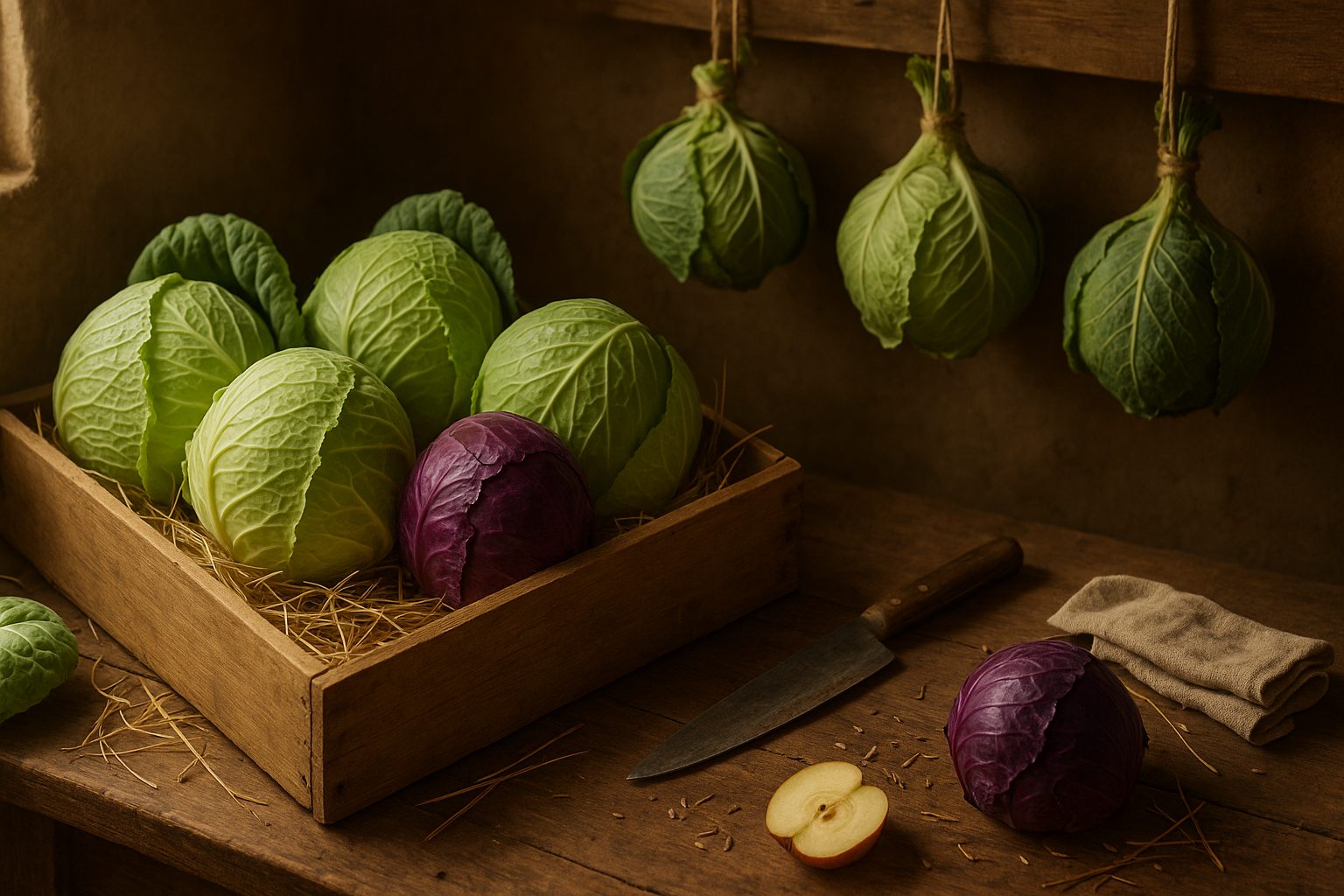
Knowing when to harvest your cabbage is key to enjoying crisp, flavorful heads. Cabbage is ready to pick when the head feels firm and solid to the touch, usually about 70-100 days after transplanting, depending on the variety. Avoid waiting too long—overripe heads may crack, especially after heavy rain.
To harvest, use a sharp knife to cut the head at its base, leaving a few outer leaves attached to protect it during handling.
For short-term storage, keep fresh cabbage unwashed in the refrigerator, wrapped loosely in a plastic or perforated bag. This helps retain moisture and keeps heads crisp for up to two weeks. If you’re lucky enough to have a root cellar, place the heads in a single layer or hang them upside-down by the stalk for up to three months, checking periodically for spoilage.
For longer preservation, consider fermenting cabbage into classic sauerkraut or kimchi. It’s a simple process of shredding, salting, and packing tightly into jars. This not only extends shelf life by several months but also adds a tangy, probiotic-rich twist to your meals.
Whether you prefer to enjoy it fresh, chilled, cellared, or fermented, proper harvesting and storage will keep your cabbage tasting its best well past harvest season.
Conclusion
Successfully growing and managing cabbage comes down to a few key steps: start with well-prepared, fertile soil enriched with compost; choose quality seeds or healthy seedlings; and space your plants to allow for good air circulation. Keep the soil consistently moist but not waterlogged, and mulch to retain moisture and control weeds.
Watch for pests like cabbage worms—hand-pick offenders, use row covers, or consider organic sprays if needed. Harvest when heads are firm, and repeat plantings for a steady supply.
Don’t be afraid to try different cabbage varieties each season—savoy, red, or pointed cabbages each bring their own flavor and texture to the table. Gardening is always a learning journey; every year can be a bit different depending on weather and conditions, so take notes and keep tweaking your approach.
If you’re new to cabbage, start small—give it a shot in a raised bed or even a large container if you’re short on space. Most importantly, share your progress and questions. You might inspire someone else or pick up valuable tips from fellow gardeners.
So, whether you’re dreaming of crunchy coleslaw or hearty stews, there’s plenty of reward in growing your own cabbage. Give it a try and let us know how it goes!